

Step Into Comfort and Style with Vionic Walking Shoes
For years, the pursuit of the perfect walking shoe felt like a compromise. You could have cushioning that felt like walking on clouds, but the shoe looked like a medical device. You could find a stylish sneaker, but after a few city blocks, your feet would ache, and your back would protest. This false choice between wellness and aesthetics has dominated the footwear market, leaving active individuals feeling they must sacrifice one for the other. That era is over. The integration of biomechanically sound design into genuinely attractive footwear is not just a promise; it’s a reality engineered into every pair. This shift represents more than a trend; it’s a fundamental rethinking of how supportive footwear should look, feel, and function in our daily lives, merging podiatric science with contemporary design to create a seamless experience from the ground up.
The Foundation: Biomechanics and Foot Health
To appreciate the innovation behind these shoes, one must first understand the biomechanics of walking. The human foot is a complex structure of 26 bones, 33 joints, and over 100 muscles, tendons, and ligaments. According to research from institutions like the University of Washington’s Department of Orthopaedics and Sports Medicine, the gait cycle—the process from heel strike to toe-off—places significant stress on the entire musculoskeletal system. Improper alignment or lack of support during this cycle can lead to a cascade of issues: plantar fasciitis, knee pain, hip misalignment, and even lower back pain. Conventional flat-soled shoes or fashion-focused footwear often neglect this intricate system, offering minimal guidance. This is where the core technology within Vionic walking shoes becomes critical. Their design is built upon the principle of biomechanical alignment, featuring a built-in orthotic footbed that is not an afterthought but the foundation. This footbed is engineered with a deep heel cup to stabilize the rearfoot, a contoured arch support to maintain proper alignment from heel to toe, and a forefoot groove that allows for natural flexion. It’s a holistic approach to foot health, transforming every step into an act of active support rather than passive endurance.

Debunking the Myth: Orthopedic Shoes Can’t Be Stylish
The stereotype of “orthopedic shoes” being clunky, beige, and purely clinical is a persistent one, often reinforced by decades of limited design options in therapeutic footwear. However, this perception is as outdated as the technology that created it. The modern consumer demands more, and the industry has responded. As noted by fashion critics and wellness advocates on platforms like Quora and industry analyses, the line between high-fashion sneakers and performance footwear has blurred irreversibly. Brands that succeed today are those that view advanced biomechanics as an integral component of the design brief, not a constraint. Vionic walking shoes exemplify this philosophy. They are conceived with a dual mandate: to provide clinically proven support and to achieve a silhouette that is contemporary, versatile, and desirable. From sleek knit uppers in modern color palettes to clean, streamlined outsoles, the aesthetic is deliberately crafted to complement, not clash with, your personal style. This is not about hiding therapeutic features; it’s about celebrating them through intelligent design, proving that the most effective tools for health can also be objects of genuine aesthetic appeal.

The Technology Inside: More Than Just an Insole
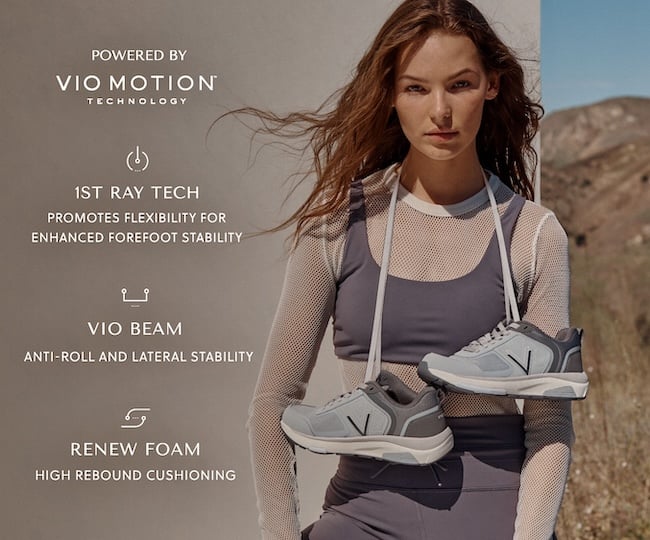
What truly sets these shoes apart is the sophistication of their integrated technology. It’s a common misconception that adding a cushy insole equates to proper support. True biomechanical correction requires a system that works in harmony from the ground contact point upward. The proprietary orthotic footbed in a Vionic walking shoe is the result of extensive collaboration with podiatrists and biomechanists. Its three-zone comfort system is clinically proven to align the foot into its natural position. This isn’t merely marketing; it’s a principle backed by podiatric literature and studies on gait analysis. The heel cup cradles the calcaneus bone, reducing excess pronation or supination. The arch support maintains the medial longitudinal arch, preventing it from collapsing—a primary cause of plantar fasciitis. The forefoot area is designed with the correct rocker to facilitate a smooth toe-off. Furthermore, materials matter. Many styles incorporate responsive midsoles that absorb shock and return energy, and flexible yet durable outsoles designed for optimal traction on various surfaces. This comprehensive engineering transforms walking from a potentially stressful activity into a therapeutic one, mile after mile.
Real Voices, Real Impact: Testimonials and Expert Endorsements
The efficacy of any product is best measured by the experiences of those who use it. Across platforms like YouTube, dedicated review blogs, and even Twitter, a consistent narrative emerges from a diverse group of wearers. Nurses who log 12-hour shifts on hard hospital floors speak of a dramatic reduction in end-of-day foot and leg fatigue. Travelers exploring cobblestone streets in Europe share stories of being able to sightsee for hours without the typical ache. Individuals managing conditions like plantar fasciitis or flat feet describe these shoes not as a casual alternative, but as a necessary part of their daily comfort and mobility. Beyond consumer testimonials, the design philosophy has garnered attention from wellness influencers and fitness professionals who prioritize long-term joint health. Their endorsements often focus on the seamless integration of support into a lifestyle that refuses to compromise on style. As one popular fitness vlogger noted in a detailed review:
“I’ve tried countless ‘comfort’ brands, but many felt like I was wearing bricks. The difference with my Vionics is the intelligent support. My feet aren’t just cushioned; they’re guided. My posture feels better even when I’m standing still, and they look sharp enough that I wear them from the gym to running errands without a second thought.”
This convergence of professional insight and real-world validation underscores the transformative potential of well-engineered footwear.
A Shoe for Every Journey: Versatility in Design
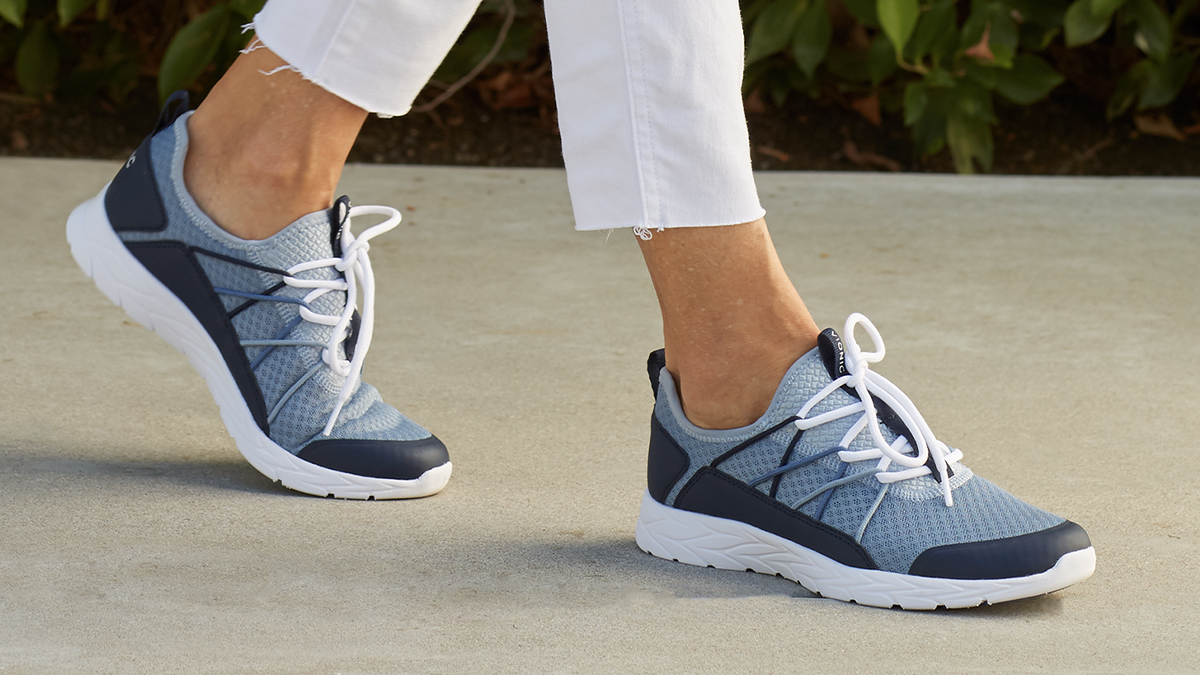
The application of this core technology across a diverse range of styles is a key strength. The modern lifestyle is not monolithic; it demands footwear that can transition contexts gracefully. Recognizing this, the Vionic walking shoe collection offers specialized designs for different needs. For the urban walker or daily commuter, there are sleek active sneakers with breathable uppers and dynamic stability. For those seeking a more casual, weekend-ready look, there are fashion-forward slip-ons and loafers that conceal the same advanced orthotic support within a relaxed silhouette. For the serious walker or hiker, styles with enhanced durability, deeper tread patterns, and additional cushioning provide all-day adventure readiness. This versatility ensures that the benefits of biomechanical support are not confined to a single activity or outfit. You can maintain proper alignment and comfort whether you are navigating a busy airport, attending a weekend market, or taking a purposeful fitness walk in the park. This adaptability makes them not just a shoe, but a foundational component of a health-conscious lifestyle.
Investing in Your Foundation: Value Beyond the Price Tag
When evaluating footwear, the initial price is often the primary focus. However, a more holistic view considers cost-per-wear and, more importantly, the potential cost of not investing in proper support. Foot and back problems lead to medical expenses, missed work, and a diminished quality of life. A well-constructed Vionic walking shoe is an investment in preventative health care. The materials are selected for longevity, the construction is robust, and the supportive footbed is designed to maintain its shape and function over time, unlike generic insoles that quickly compress. Furthermore, the brand frequently offers professional discounts for nurses, teachers, and other professionals who are on their feet all day, acknowledging their specific needs. Seasonal sales and promotional offers also make this technology accessible to a wider audience, providing an opportunity to experience the difference at a compelling value. This approach democratizes wellness, ensuring that more people can access footwear that cares for their body without imposing financial strain, blending professional-grade support with consumer-friendly accessibility.
The Future of Footwear is Integrated
The trajectory of wellness technology is clear: it is moving from bulky, separate devices to seamlessly integrated, everyday solutions. We see this in smartwatches that monitor health metrics from the wrist and in fabrics that regulate temperature. Footwear is undergoing the same revolution. The success of brands that merge science and style signals a permanent shift in consumer expectations. People are increasingly educated about biomechanics and proactive about long-term health. They will no longer accept that looking good must feel bad, or that feeling good must look unattractive. The market is responding with innovations that honor the complexity of the human body while respecting the individual’s desire for self-expression. This is the new standard.
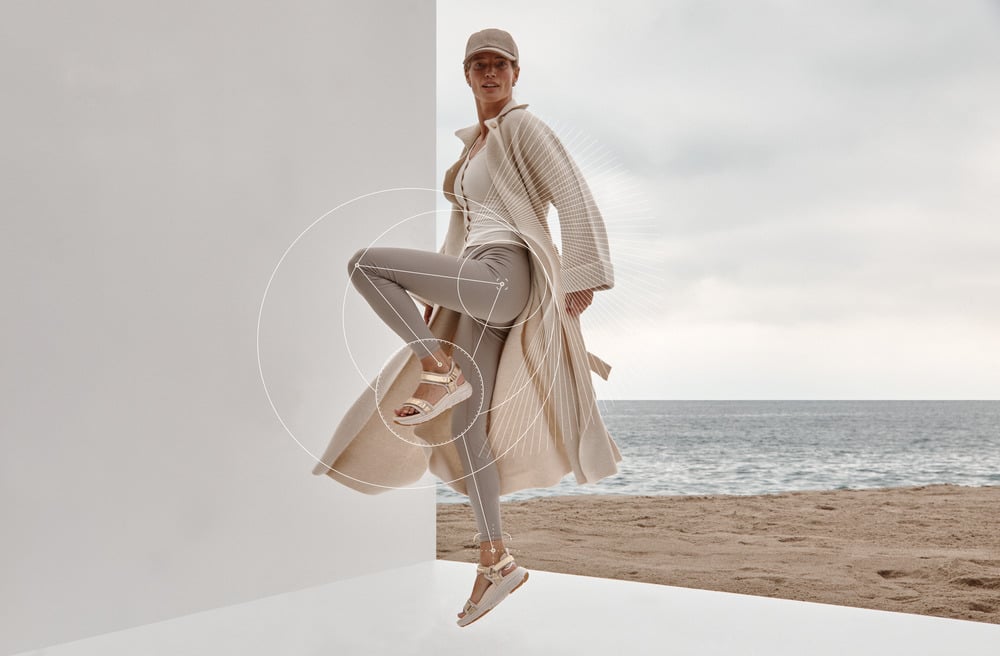
The search for a shoe that truly supports both your body and your style is no longer a quest for a mythical unicorn. It is a choice you can make today. By prioritizing biomechanical engineering without sacrificing design integrity, these shoes offer a definitive solution. They invite you to step into a world where every walk, whether a daily commute or a leisurely weekend stroll, is an experience defined by comfort, stability, and confidence. Your journey toward better foot health and effortless style begins with a single, perfectly supported step.
