

How to Style These Wild Statement Shoes for Any Occasion
Forget the notion that bold, patterned footwear belongs only in the realm of the daring or the avant-garde. The true power of a wild statement shoe lies not in its ability to shock, but in its unparalleled capacity to transform an entire ensemble, infusing it with personality, confidence, and a distinct point of view. This article dismantles the myth that these pieces are difficult to wear, providing a comprehensive, scientifically-grounded, and stylistically sound guide to integrating them seamlessly into your wardrobe for any event, from a casual brunch to a formal gala. We will move beyond subjective style opinions, anchoring our advice in principles of color theory, design psychology, and historical fashion context, proving that with the right knowledge, the most audacious shoe becomes your most versatile tool.
Deconstructing the Statement: The Psychology and Science of Bold Footwear
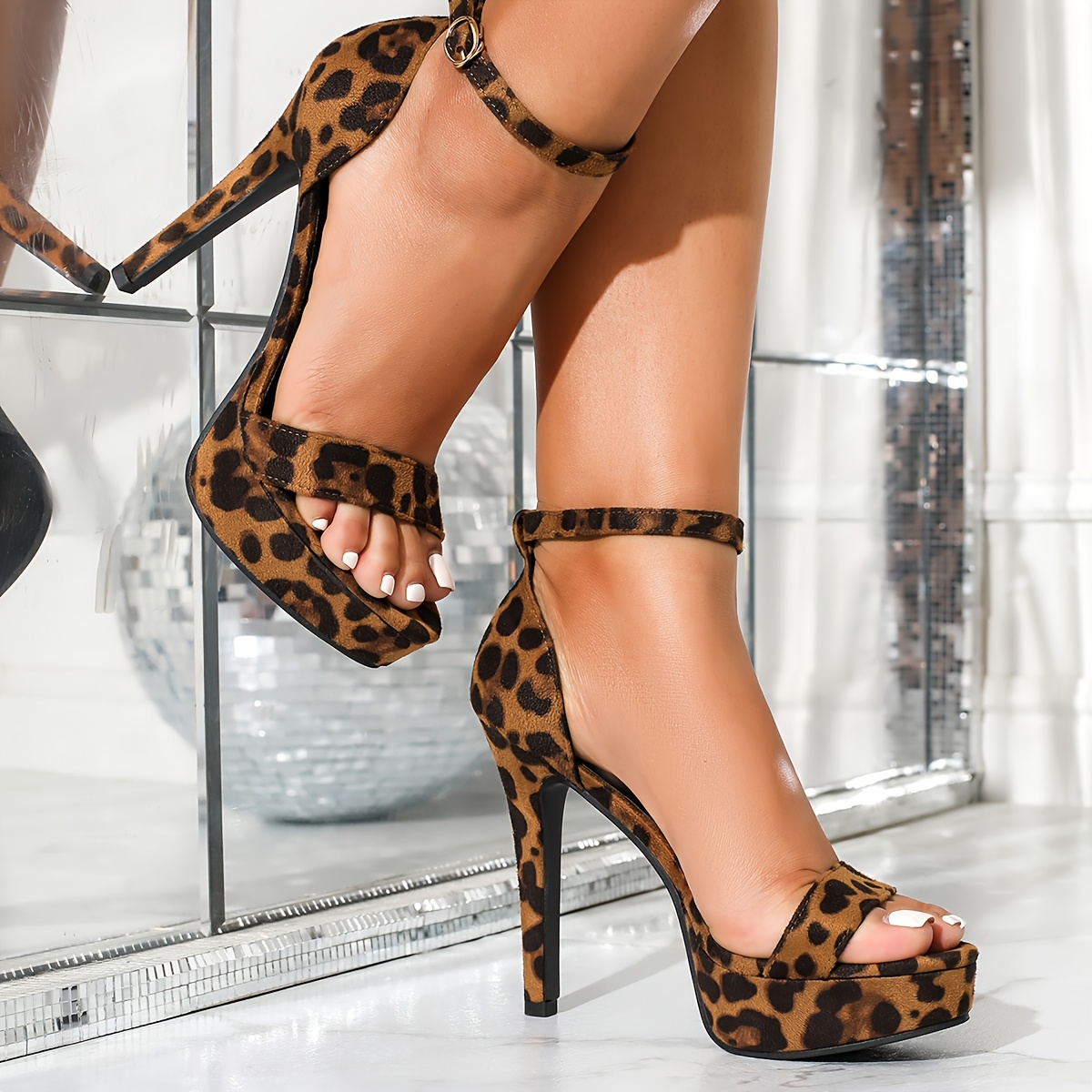
Before we delve into styling, it is crucial to understand why statement shoes, particularly animal prints like cheetah print heels, command such attention. From a psychological perspective, footwear is far more than a functional accessory. Dr. Megan L. Robbins, a psychologist cited in research on non-verbal communication, suggests that shoes can act as subtle yet powerful indicators of a person’s personality and even their momentary mood. A study published in the Journal of Research in Personality found that observers could accurately gauge a stranger’s age, gender, income, and even attachment anxiety levels from pictures of their shoes alone. When you choose a bold shoe, you are engaging in a form of non-verbal communication that signals confidence, creativity, and a willingness to challenge norms. Scientifically, patterns like animal prints tap into our primal visual processing. The high-contrast, irregular spotting of a cheetah print heels creates a visual texture that the human eye finds inherently interesting, a concept explored in Gestalt psychology principles of perception. Historically, animal prints have oscillated between symbols of raw power and luxury. As fashion historian Dr. Rebecca Arnold notes in her book “Fashion: A Very Short Introduction,” prints like leopard and cheetah were adopted by mid-20th century Hollywood starlets to project a potent mix of glamour and untamed sexuality, moving them from the safari into the salon. This rich heritage means that when you slip on a pair of cheetah print heels, you are not just wearing a pattern; you are invoking a century of cultural meaning, ready to be redefined on your own terms.
The Foundational Principle: The One-Statement Rule
The single most important rule for mastering statement shoes is the One-Statement Rule. This is not merely a style tip; it is a principle derived from the core tenets of visual design, specifically the concept of a focal point. In any successful composition, whether a painting, a room, or an outfit, there needs to be a primary area of interest that draws the viewer’s eye. When you introduce a pair of wildly patterned shoes, you have established your focal point. To maintain visual harmony and prevent sensory overload, the rest of your outfit must play a supporting role. This means opting for neutral colors, clean lines, and simple silhouettes. Let the shoes be the exclamation point, not the entire sentence. For instance, a pair of vibrant, sculptural heels pairs perfectly with a simple black sheath dress or tailored cream-colored trousers and a white silk blouse. The neutrality of the base outfit provides a calm canvas against which the shoes can truly shine. This approach is championed by stylists worldwide and is evident in the red-carpet philosophy of celebrities like Blake Lively, who often pairs intricate, statement footwear with elegantly simple gowns. As fashion authority Tim Gunn famously advocates, it’s about “making it work” through balance and editing. The One-Statement Rule is your safeguard against looking costumed, ensuring your style appears intentional, sophisticated, and effortlessly chic.
Casual Reimagined: Denim, Neutrals, and Effortless Cool
The idea that statement shoes are too formal or fussy for daytime is a profound misconception. In fact, they can elevate the most casual of outfits from mundane to magazine-worthy. The key here is contrast. Take the humble blue jean. A classic pair of straight-leg or slim-fit jeans in a dark wash, when paired with a simple white t-shirt or a grey cashmere sweater, creates the ideal foundation. Introducing a pair of cheetah print heels or neon block-heel sandals instantly injects a dose of high-fashion energy into this classic combo. The casualness of the denim grounds the shoes, making the look wearable, while the shoes transform the jeans-and-a-tee into a deliberate style statement. Similarly, monochromatic neutral outfits—think head-to-toe beige, oatmeal, or black in the form of a knit dress, wide-leg trousers, and a tank—become exponentially more interesting with the addition of patterned loafers or metallic sneakers. This styling trick leverages the psychological principle of “perceptual set,” where a familiar, expected context (casual wear) is disrupted by an unexpected element (bold shoes), creating a memorable and stylish impression. It’s the style equivalent of a plot twist, and it works brilliantly for weekend brunches, gallery visits, or casual Fridays at a creative workplace.

The Power Suit Paradox: Corporate Edge with a Personal Signature
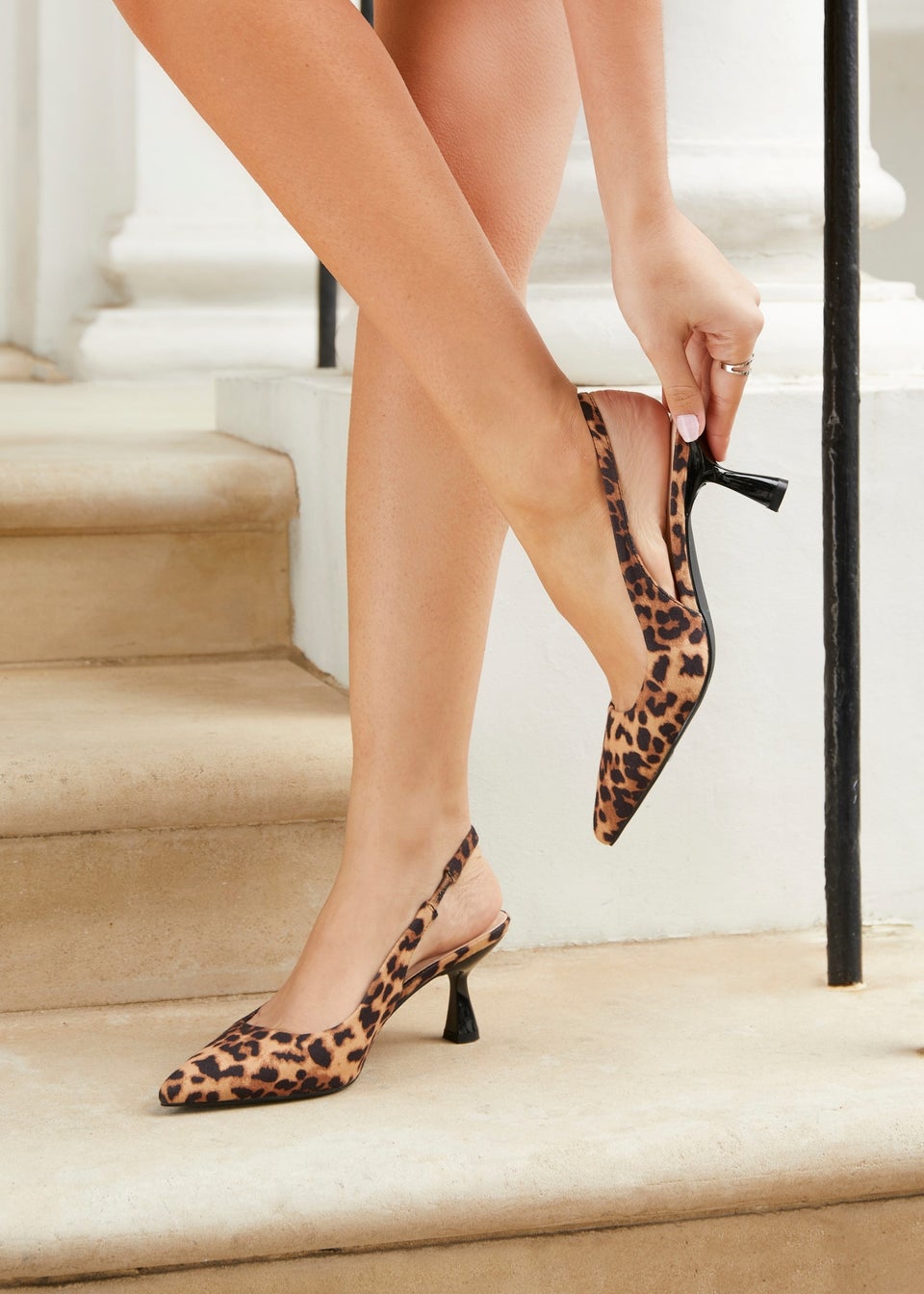
The traditional power suit, a symbol of professional authority, can sometimes feel impersonal or rigid. This is where statement shoes perform their most transformative magic. By pairing a impeccably tailored suit in navy, charcoal, or black with a pair of audacious footwear, you achieve what I call the Power Suit Paradox. You maintain all the authority and polish of the suit while simultaneously showcasing individuality, creative thinking, and modern confidence. Imagine a sharp, single-breasted blazer and trousers paired not with standard pumps, but with geometric-patterned slingbacks or velvet embroidered flats. This approach is supported by the evolving norms of workplace attire, documented in sources like Harvard Business Review discussions on “The Business of Fashion,” which highlight how personal style is increasingly seen as an asset in leadership, reflecting adaptability and vision. A pair of sophisticated cheetah print heels with a black suit is a masterclass in this paradox—the print adds a dynamic, energetic texture that feels both powerful and personal. It signals that you respect the conventions of your environment but are not bound by them, a powerful non-verbal cue in any negotiation or presentation.
Evening Alchemy: Transforming the Little Black Dress
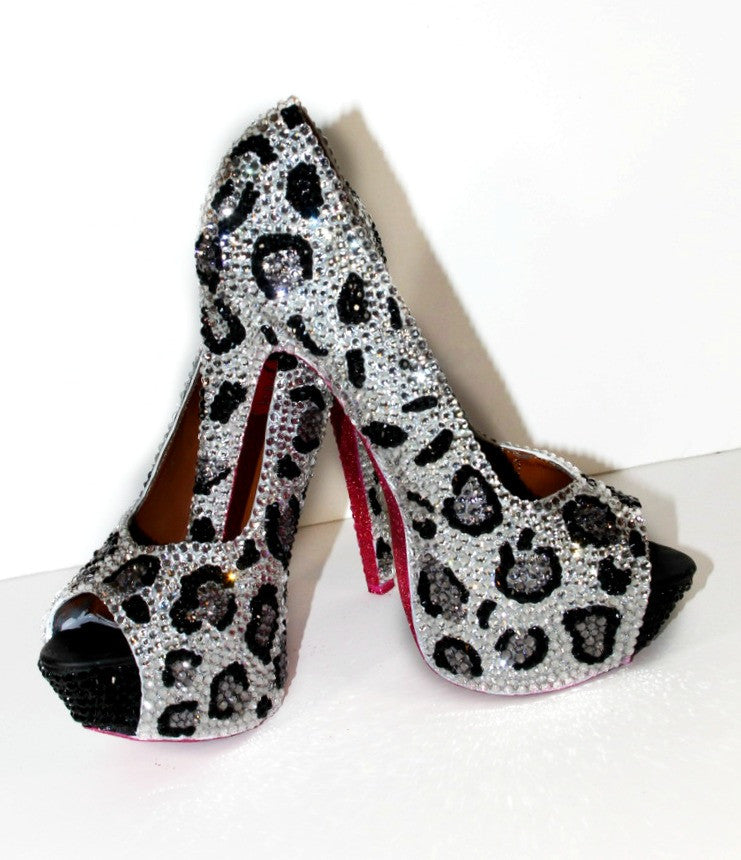
The Little Black Dress (LBD) is hailed as the ultimate wardrobe staple for its versatility. However, its true potential is unlocked not with predictable accessories, but with the deliberate choice of statement shoes. This is where you can fully embrace drama and artistry. An LBD provides the perfect blank slate—a minimalist, elongating silhouette that begs for a point of interest. Swapping out basic black pumps for shoes with architectural straps, intricate beading, reflective metallics, or bold animal prints completely re-contextualizes the dress. The outfit’s center of gravity shifts downward, creating a captivating and modern look. This philosophy is echoed by designers like Christian Louboutin, who has famously said, “A shoe is not only a design, but it’s a part of your body language.” The shoes you choose for evening speak volumes. A sleek, floor-length black gown paired with sparkling, jewel-toned mules becomes a red-carpet moment. A simple cocktail dress transforms with the addition of lace-up sandals featuring avant-garde heels. This approach aligns with the economic concept of “cost-per-wear” from a value perspective; by investing in one phenomenal pair of evening shoes, you can create a dozen distinct looks from a single dress, maximizing your wardrobe’s utility and impact.
Expert Insights: What the Stylists and Icons Say
To further solidify these principles, let us turn to the voices of authority in fashion and culture. Their insights transcend trend cycles, offering timeless wisdom on the power of personal adornment.
“I like Cinderella stories, and I think every woman is Cinderella. And the shoe is the ultimate symbol of that. It can change your life, your posture, your attitude.” – Manolo Blahnik, legendary shoe designer. This quote underscores the transformative, almost magical quality a significant shoe can bring, empowering the wearer from the ground up.
“Fashion is about dressing according to what’s fashionable. Style is more about being yourself.” – Oscar de la Renta, fashion designer. This distinction is crucial. Following a trend to wear animal prints is fashion. Understanding how to integrate a pair of cheetah print heels into your personal uniform is style.
Furthermore, platforms like Quora and YouTube are replete with professional stylists breaking down the “how-to.” A common thread in their advice, such as that from stylist Allison Bornstein who emphasizes the “third piece” rule, is the intentionality behind each addition to an outfit. The statement shoe is the ultimate third piece, the element that completes the narrative of your look.
Practical Mastery: Color Theory and Proportions
Moving from philosophy to practice, two technical tools will ensure your success: color theory and proportion. Color theory provides a scientific framework for creating harmony. For statement shoes with multiple colors, use the color wheel. Choose one dominant color from the shoe and echo it subtly elsewhere—a lipstick, a bag, or a thin belt. This creates cohesion. For shoes with a neutral base and a wild pattern (like our quintessential cheetah print heels, which is fundamentally a mix of black and tan), you have immense freedom. They will naturally complement any outfit that incorporates black, white, cream, navy, or brown. Proportion is equally critical. A heavy, chunky statement shoe often balances best with a more streamlined, fitted silhouette on top to avoid a bottom-heavy look. Conversely, a delicate, strappy statement heel can beautifully offset the volume of a wide-leg jumpsuit or a full midi skirt. This interplay of balance and contrast is a cornerstone of design, taught in foundational courses at institutions like Parsons School of Design or the Fashion Institute of Technology, where students learn that clothing is a dynamic sculpture moving through space.
Embracing wild statement shoes is an exercise in creative confidence and intelligent styling. It requires an understanding of the tools at your disposal—the grounding force of neutrals, the focal power of the One-Statement Rule, and the technical principles of color and shape. From the boardroom to the bar, these shoes are not obstacles to navigate but opportunities to seize. They invite you to declare your presence, to add an unexpected chapter to a familiar story, and to walk through the world with a definitive and delightful stamp of personal style. The journey begins with a single, bold step.
