

Elevate Your Outfit with These Chic Pairing Tips
Fashion transcends mere clothing; it is a dialogue of self-expression, a visual language spoken through texture, color, and silhouette. The true art lies not in possessing individual statement pieces, but in the alchemy of pairing them. Mastering this art can transform your wardrobe from a collection of items into a versatile toolkit for crafting impeccable looks for any occasion. This guide delves into the principles of chic pairing, moving beyond fleeting trends to establish a foundation of style that is both personally authentic and visually compelling. We will explore how strategic combinations can amplify your confidence, optimize your existing wardrobe, and introduce you to the transformative power of key items like the versatile booties heels.
The Foundation: Understanding Color and Proportion
Before diving into specific pairings, we must establish the two pillars of any successful outfit: color harmony and proportional balance. Color theory, a concept rooted in both art and science, provides a reliable framework. The color wheel, a tool systematized by Isaac Newton and later expanded by theorists like Johannes Itten, shows relationships between hues. Complementary colors (opposites on the wheel, like navy and rust) create dynamic contrast, while analogous colors (neighbors on the wheel, like blush, mauve, and lavender) offer serene harmony. A monochromatic scheme, using varying shades of a single color, is a foolproof method for achieving an elongated, sophisticated look. Proportion, on the other hand, deals with the visual weight and length of garments. The golden ratio, often approximated by the rule of thirds, is a mathematical principle found in nature and classical art that can be applied to dressing. Balancing a voluminous top with a sleek, narrow bottom, or a cropped jacket with a high-waisted, flowing pant, creates a visually pleasing silhouette that flatters the body’s natural lines. Ignoring proportion can make an outfit feel awkward or overwhelming, while mastering it brings a sense of intentionality and polish.

The Power of the Third Piece
The concept of the “third piece” is a cornerstone of advanced styling, famously emphasized by stylists like Clinton Kelly. An outfit consisting solely of a top and bottom is a foundation, but it is the third piece—a blazer, a structured vest, a statement cardigan, or a distinctive piece of outerwear—that injects personality and completes the narrative. This layer adds depth, texture, and often a hit of color or pattern that ties the look together. It transforms basic jeans and a tee from casual to “casually chic.” The third piece acts as a focal point, directing the eye and creating a more complex, considered aesthetic. Think of it as the thesis statement of your outfit; it declares your style intention. Whether it’s a leather jacket adding edge, a silk scarf introducing elegance, or a chunky knit providing cozy texture, this element is non-negotiable for elevated dressing. It’s the difference between being dressed and being styled.
Footwear as the Anchor: From Sneakers to Stilettos
Footwear is arguably the most transformative element in an outfit. It sets the tone, dictates the formality, and ultimately grounds the entire look. The choice between a sleek pump, a rugged boot, or a minimalist sneaker can completely alter the message you’re sending. For instance, pairing a feminine floral dress with classic white sneakers, a trend popularized by fashion icons off-duty, creates a modern, accessible contrast. Conversely, pairing tailored trousers with polished loafers speaks to timeless professionalism. The key is intentionality. Understanding the context is crucial; as style authority Tim Gunn often advised, one must “make it work” for the setting. Footwear also plays a critical role in the proportion principles mentioned earlier. Ankle straps can visually shorten the leg, while nude pumps can create the illusion of length. Among the most versatile heroes in the footwear category are booties heels. This hybrid style combines the coverage and structure of a boot with the height and sophistication of a heel, making it a transitional powerhouse that works across seasons and occasions.
Unlocking Versatility with Booties Heels
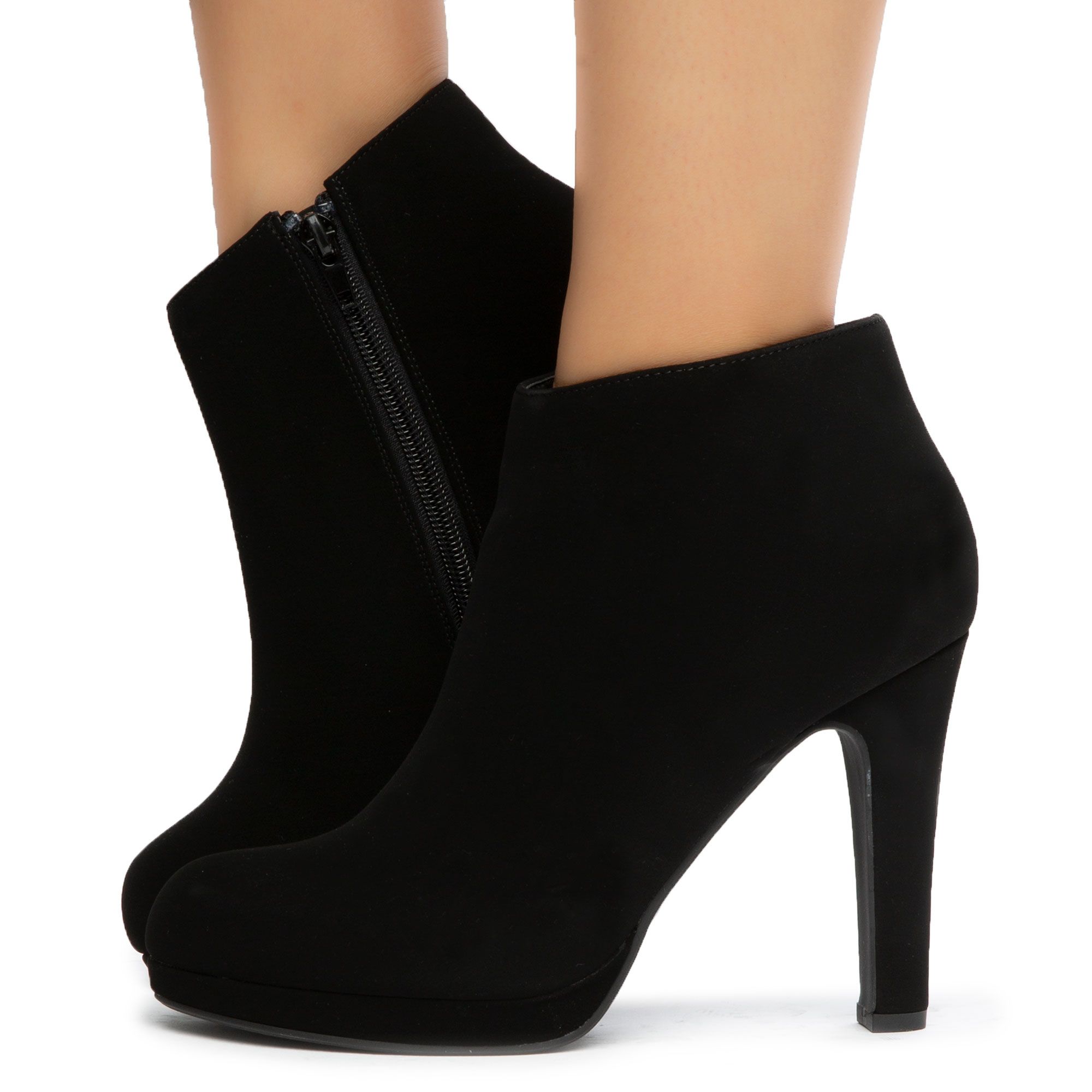
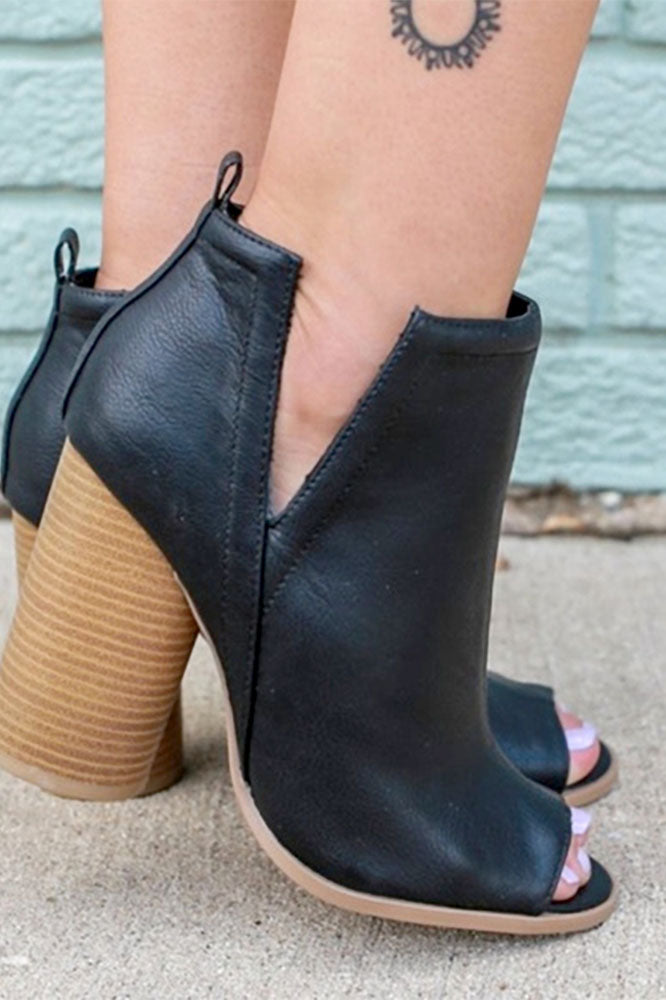
Let’s dedicate a deeper analysis to the booties heels. Their design origin can be traced to practical riding boots, but their evolution into a fashion staple is a testament to their utility. A pair of well-chosen booties heels can anchor outfits ranging from the office to an evening out. With a slim-fit ankle or jeans tucked in, they elongate the leg line. Paired with a midi skirt or dress, they provide a modern, slightly edgy counterpoint to soft fabrics. The chunkier heel varieties offer stability and comfort without sacrificing height, aligning with the growing demand for footwear that doesn’t compromise on style or well-being. As fashion psychologist Dr. Dawnn Karen explores in her work, clothing impacts our cognitive processes—a style she terms “dress coding.” The confident stance afforded by a secure, stylish heel like a bootie can genuinely elevate one’s mindset. From suede for fall to patent leather for winter festivities, the material variations ensure there’s a perfect pair for every wardrobe palette. Investing in a quality pair of booties heels is not just a purchase; it’s an upgrade to your styling toolkit.
Texture and Pattern: The Language of Interest
While color provides the initial impact, texture and pattern are the details that invite a closer look. They add richness, depth, and a tactile dimension to your ensemble. Mixing textures—such as pairing a chunky, cable-knit sweater with smooth, leather leggings, or a fluid silk blouse with structured, wool crepe trousers—creates a sensory experience that is visually engaging. This principle is often showcased in high-fashion editorials and on platforms like Pinterest, where looks gain traction for their dimensional appeal. Patterns, meanwhile, require a slightly more calculated approach. The classic rule is to mix scales: a large, bold stripe with a subtle, small check, or a big floral with a delicate pinstripe. Clashing patterns intentionally, a technique embraced by designers like Vivienne Westwood, can be a powerful style statement when done with confidence. The unifying factor is often a cohesive color story. Letting one pattern dominate while the other acts as an accent is a safe yet effective strategy. These elements prevent an outfit from falling flat, ensuring it has character and sophistication.

Accessorizing with Intent: The Final Punctuation
Accessories are the punctuation marks of your outfit—they can turn a declarative sentence into an exclamation or a thoughtful question. A minimalist outfit can be defined by a single, bold piece of jewelry, much like Coco Chanel’s famous pearls or a statement cuff. Belts are not merely functional; they are instrumental in defining the waist and creating shape, directly applying the golden ratio for a flattering effect. Handbags, too, contribute to the color and texture story. However, the modern ethos, echoed by sustainable fashion advocates, leans towards intentional curation rather than accumulation. It’s about choosing pieces that hold meaning and versatility. As fashion influencer and author Brittany Bathgate notes, a small, edited collection of quality accessories that you truly love and wear repeatedly is far more powerful than a closet full of neglected items. This mindful approach not only refines your personal style but is also a more sustainable and economically sound practice, bringing professional knowledge of value over volume to your choices.
Building a Cost-Effective, High-Impact Wardrobe
Elevating your style does not necessitate a limitless budget. It demands strategic thinking. The core of a cost-effective, high-impact wardrobe is a capsule of high-quality basics in neutral colors—think a perfect white shirt, well-fitting denim, a tailored blazer, and that versatile pair of booties heels. These items form the canvas. Trends are then incorporated through less expensive, seasonal pieces like tops, scarves, or statement jewelry. This “core + trend” model is a staple of personal styling advice. Furthermore, being savvy about sales cycles, investing in alterations for a perfect fit (which makes even affordable clothes look expensive), and utilizing rental services for special occasions are all professional tricks that bring discounted prices and maximum value to your fashion journey. The goal is a wardrobe where every piece earns its place, mixes and matches effortlessly, and makes you feel authentically and powerfully yourself every time you get dressed.
Style, in its most elevated form, is a personal signature. It is the intelligent interplay of color, cut, and detail, guided by principles of balance and harmony. By embracing foundational knowledge—from color theory to proportional rules—and leveraging the transformative potential of key items like footwear and strategic layers, you unlock infinite possibilities within your own closet. The journey towards consistently chic pairings is one of experimentation and self-discovery, leading to a wardrobe that not only looks good but feels intrinsically right. It’s about crafting an image that resonates with who you are and who you aspire to be, one intentional, elevated outfit at a time.
