

Your Ultimate Guide to Comfort and Style in Every Outfit
We often compartmentalize our wardrobes: these pieces are for looking sharp, those are for feeling comfortable. But what if the most impactful style choice you make isn’t about the statement jacket or the perfect jeans, but about the foundation upon which you stand? The right footwear doesn’t just complete an outfit; it empowers your entire day. This guide dismantles the false dichotomy between comfort and style, arguing that the most enduring and confident look is built upon the principle of feeling good first. We will navigate this through the lens of objective science, cultural commentary, and practical expertise, proving that whether you’re navigating city streets or a busy schedule, your journey begins with what’s on your feet.
The Foundation: Why Your Feet Dictate Your Style Narrative
Consider the human foot: a biomechanical marvel of 26 bones, 33 joints, and over a hundred muscles, tendons, and ligaments. According to research from institutions like the University of Barcelona’s Human Anatomy department, the foot is a complex adaptive structure designed for propulsion and shock absorption. When we encase it in footwear that fights its natural function, the consequences ripple upward. The American Podiatric Medical Association consistently notes that improper footwear can lead to issues from plantar fasciitis to back pain, altering posture and gait. This isn’t merely physical; it’s sartorial. A person in pain moves differently—their stride shortens, their posture closes. This physical discomfort translates into a visible lack of confidence. Conversely, a well-supported foot allows for a grounded, open, and assured presence. The first step toward authentic style, therefore, is treating your feet not as an afterthought, but as the architectural cornerstone of your physical being. The modern walking shoe has evolved from purely athletic contexts to address this exact nexus of biomechanics and daily life, offering the support needed for our upright existence without demanding we sacrifice our aesthetic identity at the door.
Debunking the Myth: Comfort as the New Cornerstone of Luxury
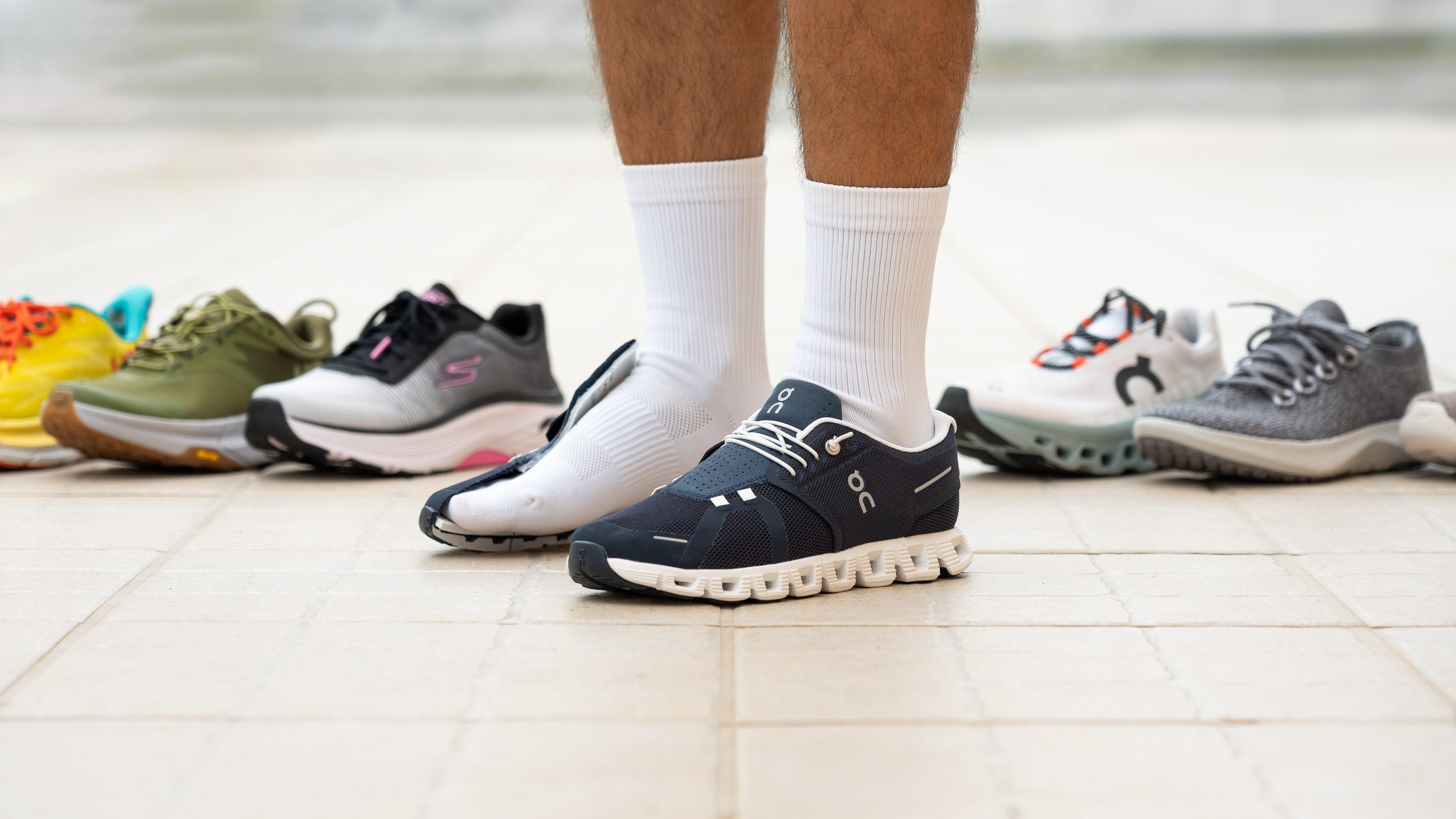
The historical association of stylish shoes with discomfort is a cultural relic, one being rapidly overturned. Look to the statements of influential designers and cultural observers. Tim Gunn, the iconic fashion mentor, has often emphasized the importance of fit and comfort, stating that “if your shoes aren’t comfortable, you can’t think about anything else.” This sentiment is echoed in the market’s shift. The rise of “athleisure” and the normalization of sneakers in formal settings, as chronicled by fashion analysts from Vogue to Business of Fashion, isn’t a lowering of standards but a redefinition of luxury. Luxury, in the 21st century, is increasingly defined by performance, well-being, and seamless integration into an active life. A meticulously crafted walking shoe from a brand like Hoka or Salomon, with its advanced foam compounds and ergonomic design, represents a technological and material luxury as sophisticated as any traditional leather good. The proof is in patronage: when celebrities and style icons are photographed not just at the gym but at premieres and galleries in supportive footwear, it signals a paradigm shift. Comfort is no longer the antithesis of style; it is its most critical prerequisite.
The Architectural Elements of an Ideal Walking Shoe
To make informed choices, one must understand the components. Let’s dissect the anatomy of the ideal everyday walking shoe from a scientific and ergonomic perspective.
Midsole Cushioning: The Shock Absorption System
The midsole is the heart of a shoe’s comfort. Materials like EVA (Ethylene-Vinyl Acetate) foam, polyurethane, and proprietary blends like Adidas’s Boost or Nike’s React are engineered for energy return and compression resistance. A study published in the Journal of Sports Sciences highlights how proper midsole cushioning reduces peak impact forces on joints during heel strike—a fundamental part of the walking gait cycle. For the urban walker, this translates to less fatigue at the end of the day. The key is balance: too soft, and your foot muscles work overtime for stability; too firm, and shock travels up the kinetic chain. The best walking shoe offers a “Goldilocks” zone of responsive cushioning that protects without destabilizing.
Heel Counter and Arch Support: The Stability Framework
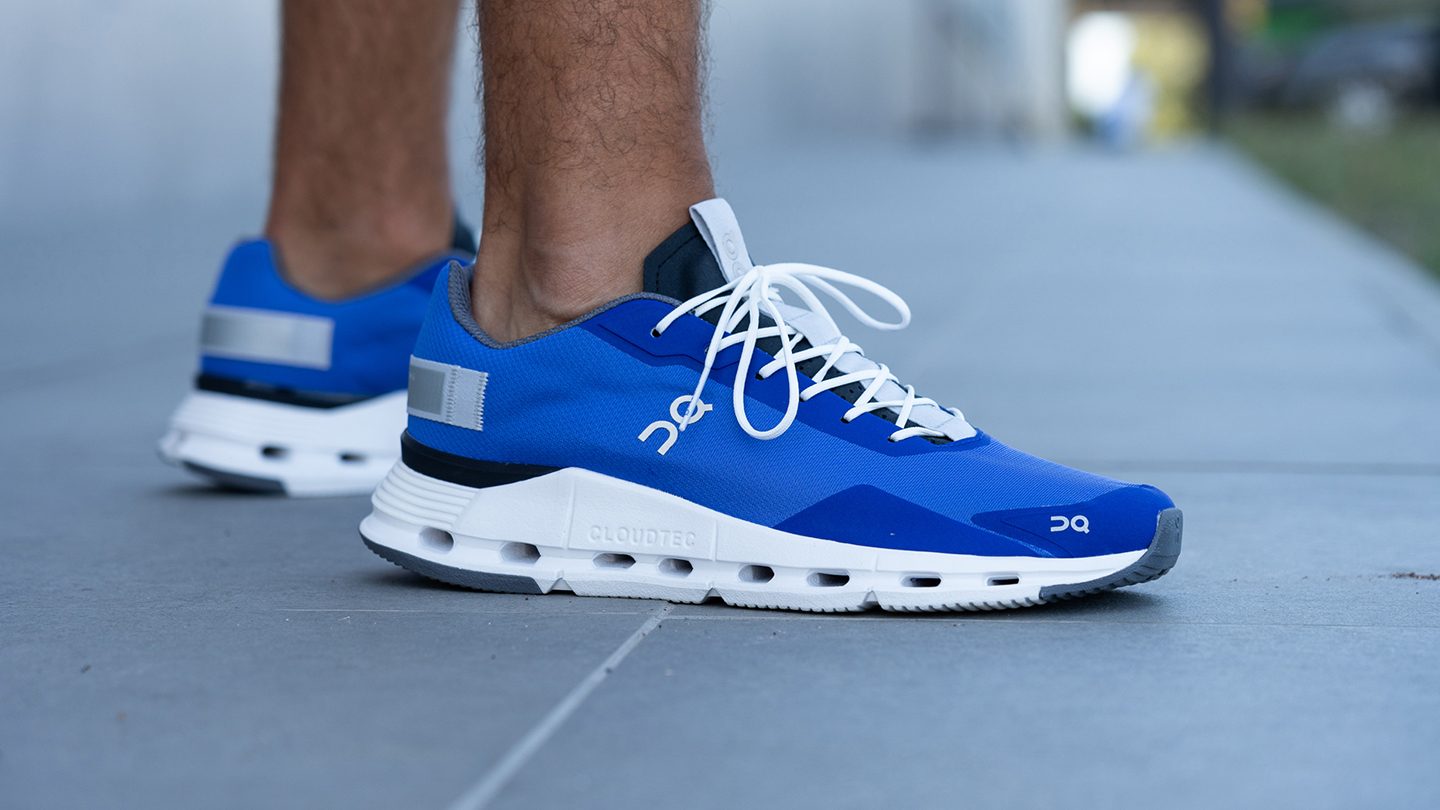
A firm heel counter—the back part of the shoe that cups your heel—is non-negotiable for stability. It prevents excessive heel movement, which can lead to blisters and Achilles irritation. Similarly, arch support is not a one-size-fits-all proposition. Podiatry resources from the Cleveland Clinic categorize arches as neutral, low (flat), or high. A neutral arch generally suits most support systems, while low arches often require motion control or stability features to prevent overpronation (inward rolling). High arches may need more cushioning and flexibility. Ignoring this is like building a house on an unstable foundation; the entire structure compensates.
Upper and Outsole: Integration and Traction
The upper should be constructed from breathable, adaptable materials—engineered mesh, soft leather, or knit fabrics—that conform to your foot without pressure points. The outsole needs durable rubber with a flexible groove pattern for natural foot flexion and reliable traction on varied surfaces, from polished office floors to rainy pavements. This holistic integration of parts is what separates a true walking shoe from a fashion sneaker masquerading as one.
Curating Your Style: The Art of Integration
With the technical foundation laid, the creative act begins: integrating this pinnacle of comfort into your personal style. This is where the guide moves from science to strategy.
The Minimalist Urban Uniform
For a clean, modern aesthetic, consider monochromatic or neutral-toned walking shoes. A sleek, all-black model from brands like Cole Haan or Allbirds pairs effortlessly with tailored trousers, dark denim, or a minimalist dress. The principle here is continuity of line. As designer Coco Chanel once advised, “Dress shabbily and they remember the dress; dress impeccably and they remember the woman.” Today, “impeccably” includes unimpeded movement. The shoe becomes a subtle, sophisticated component of a unified look, not a jarring athletic interruption.
The Technical Heritage Blend
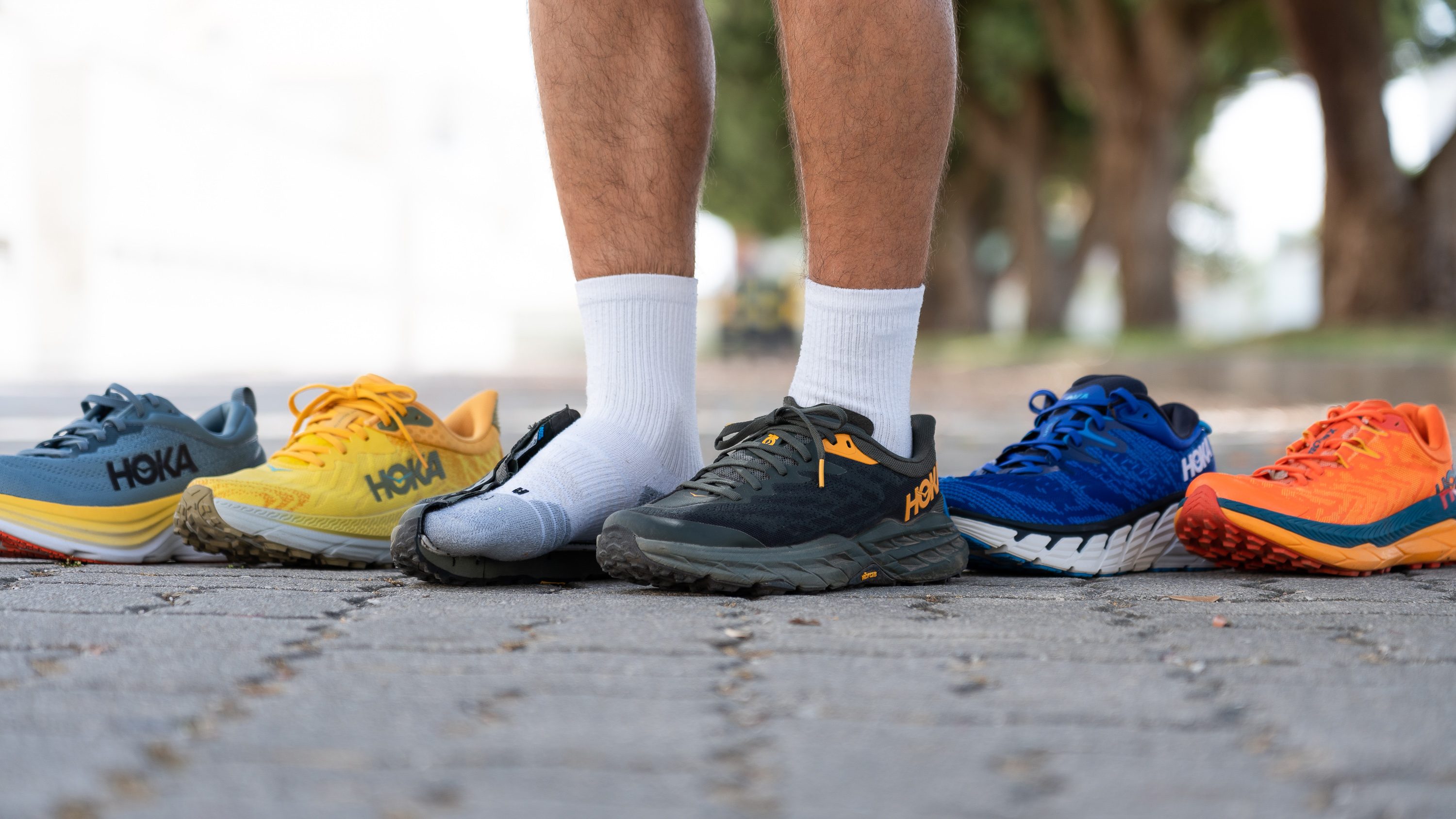
Embrace the “gorpcore” or outdoor-inspired trend. A stylish walking shoe with subtle texture—like suede accents or a Vibram outsole—can be brilliantly paired with chinos, a sturdy oxford shirt, and a field jacket. This look draws from functional heritage, suggesting preparedness and practicality, which is inherently stylish. It speaks to a life lived actively, a narrative powerfully conveyed in everything from the aspirational travel photography on Instagram to the functional aesthetics in films like The Darjeeling Limited.
The Smart-Casual Bridge
The greatest sartorial challenge for many is the “business casual” or “smart casual” environment. The solution lies in leather or high-quality synthetic walking shoes. Brands like Ecco and Mephisto have built empires on this hybrid, offering oxford or derby-style shoes built with hidden cushioning systems, moisture-wicking linings, and flexible outsoles. They pass the boardroom test while providing all-day support, perfectly aligning with the demands of the modern professional who may commute on foot, stand in meetings, and go out after work without a chance to change.
Investing in Your Stride: A Practical and Economic Perspective
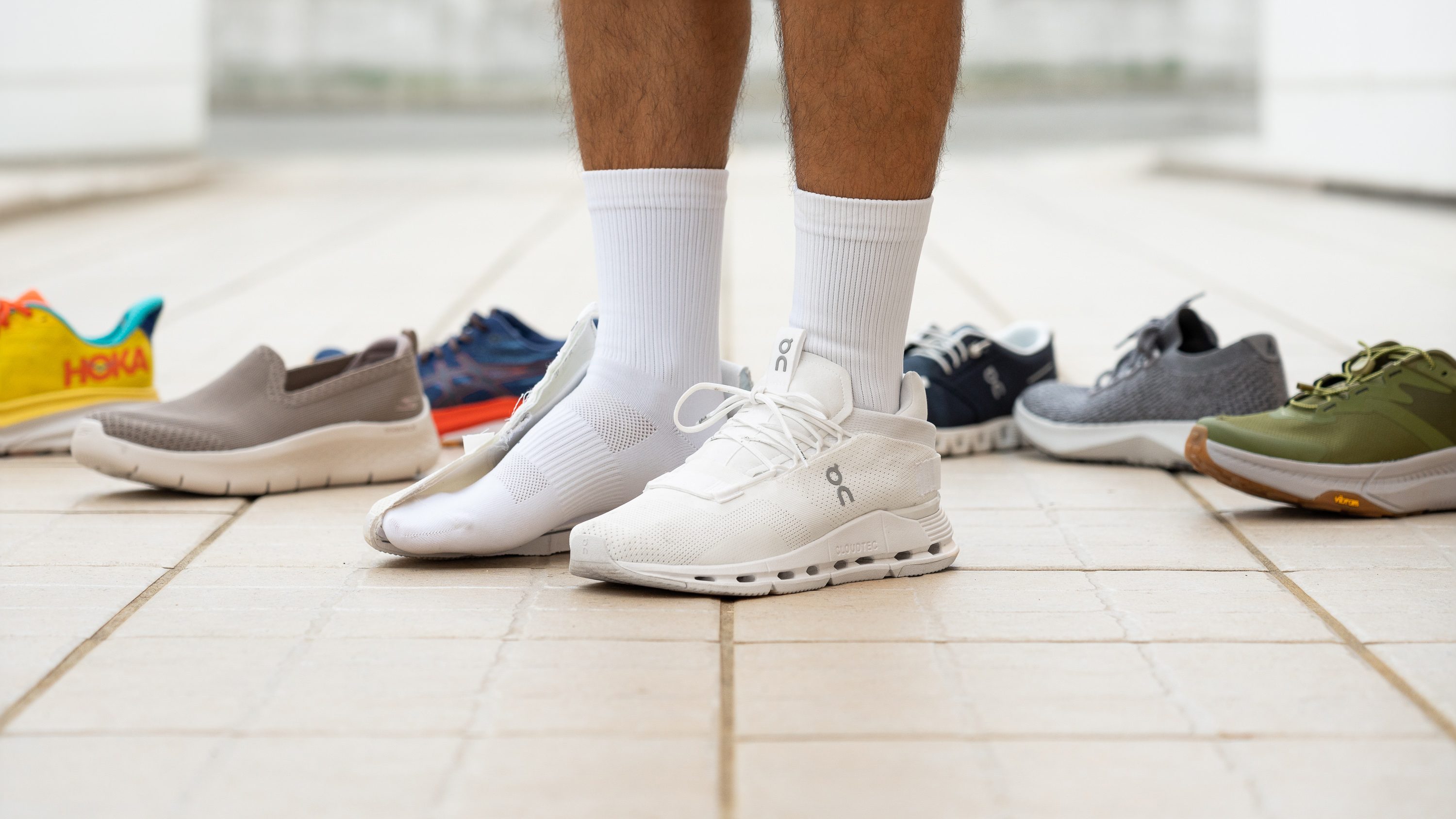
Viewing a premium walking shoe as an investment is both a health and economic decision. Consider the cost-per-wear model: a $150 pair worn nearly every day for a year (a conservative estimate for a primary shoe) costs about $0.41 per day. A cheaper, $60 pair that causes discomfort and needs replacing in six months costs $0.33 per day. The marginal daily difference is negligible, but the difference in comfort, joint health, and long-term durability is profound. Furthermore, the market offers abundant opportunities for value. End-of-season sales, outlet stores, and reputable online retailers often discount previous models, which are typically 95% identical in technology to the new versions. Signing up for brand newsletters or following deal aggregators can bring professional-grade footwear within reach at discounted prices. This isn’t about mere consumption; it’s about strategic procurement of a tool essential to your daily performance and well-being.
The Final Step: Your Style, Uncompromised
The journey to a wardrobe that truly serves you begins from the ground up. By prioritizing the biomechanical integrity offered by a scientifically designed walking shoe, you are not abandoning style but pursuing its most mature form: a style that is sustainable, confident, and authentic. It is a style that allows you to forget your feet and engage fully with the world, your posture open, your stride assured. Your outfit is no longer a costume you endure but an extension of your capable self. So, step into that knowledge. Let your choices reflect an understanding that the greatest luxury, and the truest style, is the freedom to move through your day—and your life—in complete comfort.
