

Your Ultimate Guide to Comfort and Style for Everyday Adventures
Every journey begins with a single step, and the quality of that step is fundamentally shaped by what you wear on your feet. We often prioritize the destination, the itinerary, or the companions, yet we routinely overlook the one piece of equipment that is in constant, literal contact with our path: the shoe. This isn’t about high-performance athletic gear for extreme sports; it’s about the humble, yet profoundly important, walking shoe. The right pair transforms daily commutes, city explorations, and weekend wanderings from mundane tasks into genuine pleasures. This guide is dedicated to unraveling the science of comfort and the philosophy of style, merging them into a coherent blueprint for selecting footwear that supports not just your arches, but your entire lifestyle. Forget vague notions of “good shoes”; we’re diving into biomechanics, material science, and design principles to equip you with knowledge that is both objective and actionable, ensuring your everyday adventures are undertaken with confidence and ease.
The Foundation: Why Your Choice in Walking Shoes is a Health Decision, Not Just a Fashion One
To understand the critical importance of a proper walking shoe, we must first look at the human body as an interconnected kinetic chain. The gait cycle—the sequence of events from when one foot touches the ground to when it touches the ground again—is a marvel of engineering. According to biomechanics literature from institutions like the University of Calgary’s Human Performance Lab, each step generates ground reaction forces equivalent to 1.2 to 1.5 times your body weight. These forces travel upward from the heel, through the ankles, knees, hips, and into the spine. An unsupportive shoe fails to manage these forces effectively. Dr. Casey Kerrigan, a former Harvard Medical School professor and founder of a biomechanics research company, has published studies showing that conventional shoes, even expensive ones, can increase joint torques in the knee and hip, potentially contributing to osteoarthritis over time. This is a stark, scientifically-grounded perspective that moves us beyond marketing claims. A well-designed walking shoe acts as a damping system. It provides cushioning to attenuate shock, stability to control excessive pronation (the inward roll of the foot), and a flexible forefoot to allow for a natural toe-off. Neglecting these features doesn’t just mean sore feet at the end of the day; it can be a slow-motion compromise to your long-term musculoskeletal health. Therefore, viewing your purchase through this lens is the first and most crucial step.
:max_bytes(150000):strip_icc()/when-should-i-replace-my-walking-shoes-3436325-0801-7a1840d83573471092e0380f9e230ecc.jpg)
Deconstructing Comfort: The Five Pillars of a Perfect Walking Shoe
Comfort is a subjective feeling, but its components are objectively measurable. When we analyze top-rated models from expert reviews on sites like Runner’s World and RunRepeat, and cross-reference with podiatrist recommendations, five non-negotiable pillars emerge. First, Fit and Volume. Your foot swells during the day and during activity. Renowned shoe fitting experts, like those cited in resources from the American Orthopaedic Foot & Ankle Society, recommend having a thumb’s width (about 1.3 cm) of space between your longest toe and the end of the shoe. The “volume”—the height and width of the toe box—must accommodate your foot’s shape without pinching. A walking shoe that is too tight can cause neuromas and blisters, while one that is too loose fails to provide stability. Second, Cushioning and Responsiveness. This isn’t just about softness. Modern midsoles use compounds like EVA (Ethylene-Vinyl Acetate), PU (Polyurethane), and proprietary gels (like ASICS’ GEL) or foams (like Adidas’ Boost or Nike’s React). As explained in material science contexts on Wikipedia, these polymers are engineered to provide a balance: they must compress to absorb impact but also rebound to return energy, preventing a “dead,” mushy feel. Third, Stability and Motion Control. For the majority of walkers who exhibit mild to moderate overpronation, features like a medial post (a firmer density of foam on the inner side) or an integrated arch shank are vital. They guide the foot into a more neutral alignment, reducing strain on the Achilles tendon and the plantar fascia. Fourth, Flexibility. The shoe must bend easily at the ball of the foot, where your foot naturally flexes during toe-off. A rigid sole forces your foot and calf muscles to work harder. Fifth, Breathability and Weight. Upper materials like engineered mesh allow heat and moisture to escape, keeping feet cool and dry, reducing the risk of fungal infections. A lighter shoe, typically under 10 ounces for men and 9 ounces for women, reduces leg fatigue over extended distances, making your chosen walking shoe a true partner for endurance.
Where Style Meets the Street: The Aesthetics of Functional Footwear
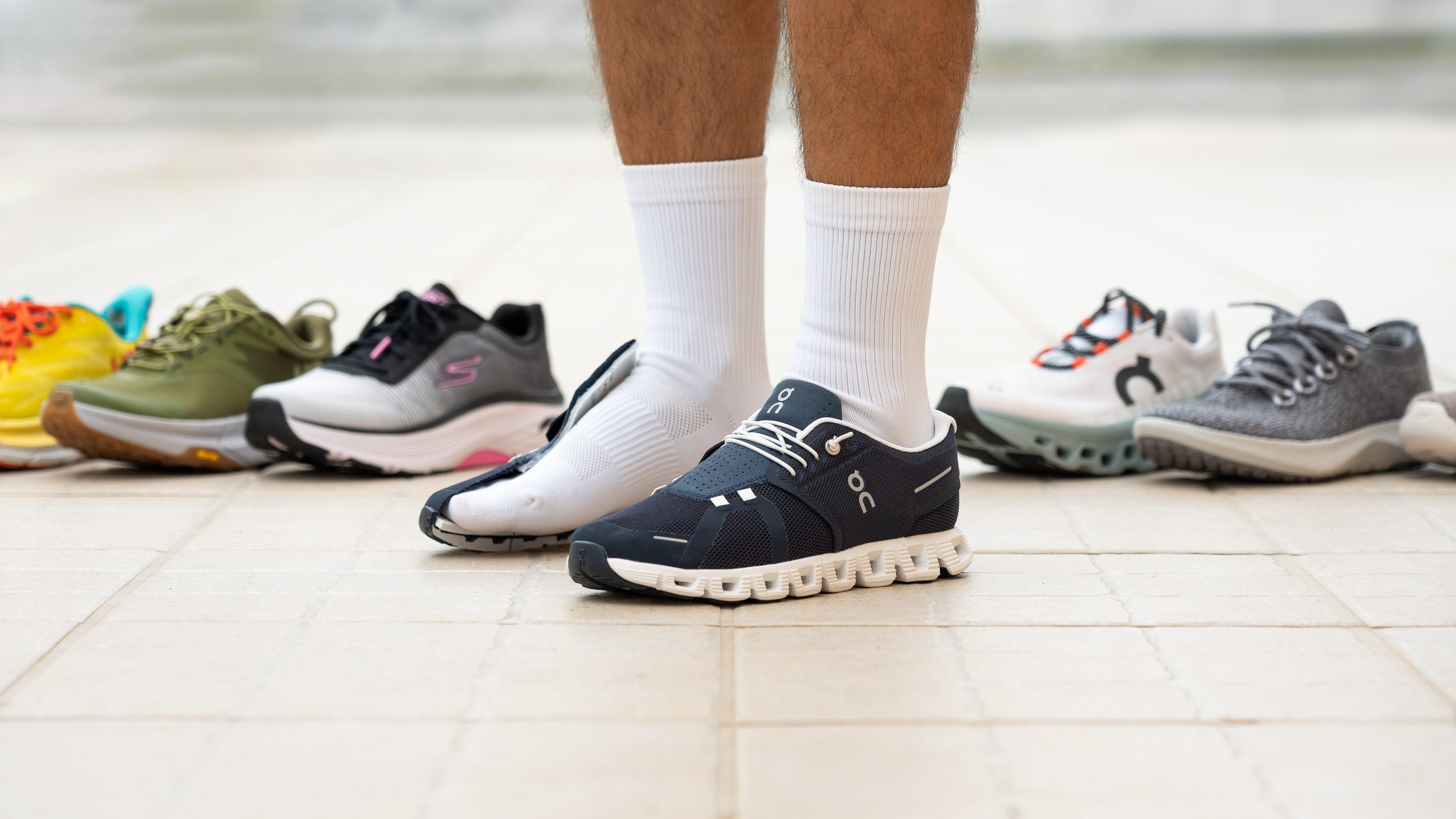
For decades, a pervasive myth suggested that truly comfortable shoes had to be aesthetically unappealing—clunky, brightly colored, or overtly technical. This dichotomy is now obsolete. The rise of “athleisure” and functional fashion, championed by brands like Allbirds, Cole Haan, and even luxury labels, has shattered this barrier. The key is understanding that style in a walking shoe is not about ornamentation, but about clean lines, thoughtful color blocking, and material integrity. A minimalist white leather sneaker from a brand like Koio or Greats can offer arch support and a cushioned sole while pairing seamlessly with chinos or a summer dress. The design philosophy here aligns with the principles of Dieter Rams: “Good design is as little design as possible.” It’s about subtraction, not addition. Furthermore, iconic films have subtly shifted perceptions. Think of the timeless, effortless style of Steve McQueen in The Thomas Crown Affair—his casual shoes suggested capability and ease. Today’s market offers that same ethos. You can find shoes with waterproof nubuck uppers, reflective details for evening safety, and soles derived from running shoe technology, all housed in a silhouette that wouldn’t look out of place in a chic café. The modern walking shoe proves that you do not need to sacrifice your personal aesthetic on the altar of comfort; the two can be, and are, synthesized.
Navigating the Market: A Pragmatic Approach to Selection and Value
Armed with technical knowledge and style criteria, the final step is navigating the marketplace intelligently. This is where professional insight meets consumer savvy. First, get professionally fitted. Visit a specialty running or walking store where staff are trained to analyze your gait, often using a treadmill and a mirror or slow-motion camera. This service, frequently free, provides data far more valuable than any online quiz. Second, understand the product cycles. Major brands release new models every 9-12 months. When the “new” version drops, the previous model’s price often plummets by 30-50%, despite minimal, often marketing-driven, changes to the core technology. Websites like RunRepeat meticulously track these cycles and price histories. A previous-generation model from Brooks, Saucony, or New Balance will deliver 95% of the performance at a fraction of the cost. Third, invest in the right accessories. The perfect shoe can be undermined by the wrong sock. Moisture-wicking merino wool or synthetic blends (like CoolMax) prevent blisters. Consider aftermarket insoles from brands like Superfeet or Currex if you need more personalized arch support than the stock insole provides. Finally, know when to retire your shoes. The consensus among podiatrists and exercise physiologists, as noted on platforms like Quora and Verywell Fit, is to replace walking shoes every 300-500 miles. The midsole foam compresses and loses its resiliency long before the outsole wears through. Worn-out cushioning is a primary culprit for overuse injuries. By adopting this strategic approach, you transform from a passive buyer into an informed curator of your own comfort and style, ensuring every dollar spent enhances your daily adventures.
The Final Step: Integrating Knowledge into Your Daily Journey
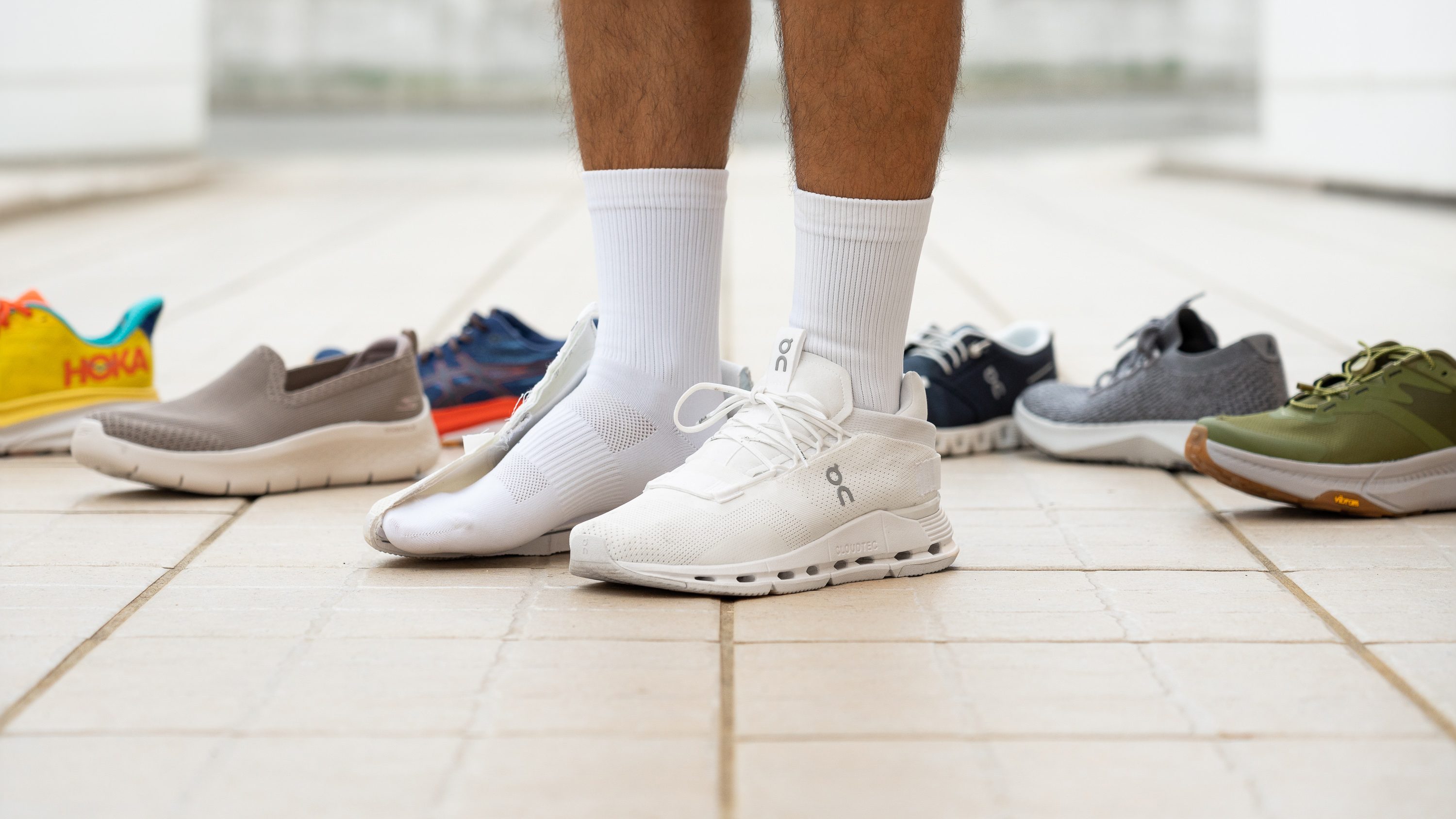
The pursuit of the ideal walking shoe is more than a shopping task; it is an act of self-care and practical wisdom. It is the recognition that the foundation of an active, engaged life is quite literally what you stand on. By prioritizing biomechanical health through scientific principles, demanding aesthetic coherence that reflects your personal style, and applying shrewd consumer tactics to maximize value, you empower yourself to move through the world with greater agency. Your everyday adventures—whether they involve navigating urban canyons, exploring park trails, or simply carrying you through a demanding workday—deserve a foundation that is both resilient and refined. Let your choice in footwear be a deliberate one, a synthesis of knowledge and taste that turns every step into a statement of comfort and confidence. The path forward is clear, and it awaits your first, well-supported, step.

