

The Walking Shoe: Your Ultimate Guide to Comfort and Style for Every Outfit
Forget the notion that comfort and style exist in separate realms. The modern wardrobe’s most transformative piece isn’t a statement jacket or a designer bag—it’s the humble, yet profoundly powerful, walking shoe. This isn’t about specialized athletic gear reserved for the track; it’s about a foundational item engineered for the marathon of daily life. From the morning commute to an evening stroll, from casual weekends to business-casual offices that have embraced a new sartorial freedom, the right walking shoe seamlessly integrates support, technology, and aesthetic appeal. This guide dismantles the old compromises, offering a roadmap to selecting footwear that doesn’t force you to choose between how you feel and how you look. We’ll delve into the biomechanics of a perfect stride, the materials that make it possible, and the designs that ensure you step out with confidence, no matter the occasion.

The Anatomy of Comfort: Beyond Soft Soles
Comfort in a walking shoe is a complex, scientific achievement, not merely a sensation of softness underfoot. True comfort arises from a harmonious interaction between the shoe’s architecture and the biomechanics of the human gait. According to research from institutions like the University of Pittsburgh’s Human Movement and Balance Laboratory, effective walking shoes must address three critical zones: heel strike, midfoot stability, and toe-off. The heel counter—the firm cup at the back of the shoe—must be rigid enough to stabilize the calcaneus (heel bone), preventing excessive pronation (inward roll) or supination (outward roll) which are leading contributors to conditions like plantar fasciitis and shin splints. The midsole, often composed of advanced polymers like EVA (ethylene-vinyl acetate) or polyurethane, isn’t just for cushioning; its density and geometry manage energy return and motion control. As Dr. Casey Kerrigan, a former Harvard Medical School professor and founder of a biomechanics-focused footwear company, has often stated in interviews, “A shoe that is too soft can be as detrimental as one that is too hard. It’s about guided support, not just a pillow.” Finally, the toe box must allow natural splay and flexion, a principle championed by the natural foot movement community and supported by podiatric literature. A shoe that constricts the forefoot can alter balance and propulsion, turning a simple walk into a source of fatigue.
Material Science: Where Technology Meets the Pavement
The evolution of the walking shoe is a direct result of material innovation. The uppers of today’s best models are a world away from the heavy, non-breathable leather of the past. Engineered knits and meshes, such as Adidas’s Primeknit or Nike’s Flyknit, provide a dynamic, sock-like fit that adapts to foot volume changes throughout the day while offering exceptional breathability. These materials are often woven with varying densities—tighter for support in the midfoot, more open for ventilation over the toes. In the realm of cushioning, we’ve moved beyond simple foam. Technologies like Brooks’s DNA LOFT, a blend of foam, rubber, and air, or Asics’s GEL silicone-based cushions, are designed to absorb shock not just vertically but also laterally, dispersing impact forces away from the joints. The outsole, too, has been reimagined. Carbon rubber placed in high-wear areas (like the heel) increases durability, while blown rubber in the forefoot reduces weight. This meticulous material selection creates a synergistic system. As noted in a popular Quora thread on long-distance walking gear, the consensus among enthusiasts is that “the difference between a good walk and a great one is often found in the unseen layers of your shoes.”

Style as Function: The Aesthetic Integration
The great stylistic liberation of recent years is the dissolution of rigid categories. The “athleisure” trend, as chronicled by fashion authorities from Vogue to The Business of Fashion, isn’t a fad but a permanent shift towards versatile, performance-informed aesthetics. A modern walking shoe is designed with this ethos at its core. For tailored trousers or a sleek midi dress, consider minimalist sneakers from brands like Cole Haan or Koio. Their designs often feature clean leather uppers, reduced logos, and slimmed-down midsoles that offer hidden comfort technology without the bulky athletic silhouette. For denim and chinos, retro-inspired trainers from New Balance or Asics provide a perfect balance of nostalgic style and contemporary comfort, their suede and mesh panels offering both visual texture and breathability. Even for more rugged, outdoor-inspired outfits, shoes from brands like Hoka or Salomon have evolved to offer technical features like Vibram Megagrip outsoles and waterproof membranes in colors and profiles that work in urban environments. The key is intentionality. As fashion influencer and author Tan France has remarked on his YouTube channel, “Your shoes set the tone. A considered, comfortable shoe tells the world you value both your well-being and your presentation.”
The Professional’s Secret: Navigating Business Casual
The post-pandemic workplace has redefined “professional” footwear. The mandate for stiff leather dress shoes has given way to an expectation of intelligent comfort. This is where brands like Allbirds, with their wool and tree-fiber uppers, or Ecco, with their direct-injected polyurethane soles, have carved a significant niche. Their models often resemble classic derbies or loafers but conceal biomechanically engineered footbeds, arch support, and flexible construction. The objective is to maintain a polished appearance through meetings and client lunches without sacrificing the ability to walk comfortably across a campus or city block. Literature from the Cornell University Ergonomics Web underscores this, highlighting that “foot discomfort is a primary contributor to overall musculoskeletal fatigue in sedentary and active work environments.” Investing in a pair of sophisticated, comfort-first shoes is not a compromise on professionalism; it’s an upgrade to your functional toolkit. You are choosing a shoe that supports your physical endurance, which in turn supports your mental focus and professional demeanor throughout a demanding day.
:max_bytes(150000):strip_icc()/vwt-asics-womens-gel-pulse-16-jinfeng-chen-21-712f0f140e834b84b3a8dcf0bf154771.jpeg)
Making the Investment: Value Beyond the Price Tag
Selecting the ideal walking shoe is an investment in your long-term mobility and daily quality of life. While premium models from brands like Hoka, Brooks, or On Running may carry a higher initial cost—often ranging from $120 to $180—their value is amortized over thousands of supportive steps. The cost-per-wear becomes negligible when measured against the prevention of foot pain, joint stress, and the sheer enjoyment of movement. To maximize value, consider the shoe’s intended lifespan (typically 300-500 miles of walking) and its versatility across your wardrobe. Furthermore, the direct-to-consumer models offered by many of these brands often provide superior technology at a slightly more accessible price point by bypassing traditional retail markups. It is also prudent to watch for seasonal sales on previous models; the core biomechanical technology often remains largely unchanged, offering the same performance at a discounted price. As a popular review on Runner’s World concluded, “Spending on the right shoe is a healthcare decision, not just a fashion one.”
A Note from the Experts: Voices on Vitality
The importance of proper footwear is echoed by voices across health and culture. Renowned chef and television host Gordon Ramsay, an avid marathon runner, once tweeted about his reliance on specific recovery shoes after long days on his feet in the kitchen: “Can’t emphasize enough what a difference the right recovery shoe makes after 18 hours on the line. It’s not indulgence, it’s essential kit.” Similarly, in her book “The Well-Lived Life,” Dr. Gladys McGarey, a centenarian and pioneer in holistic medicine, dedicates a chapter to foundational health, stating, “How you connect with the earth through your feet sets the tone for your entire physical structure. Choose that connection wisely.” These perspectives reinforce that the choice of a walking shoe transcends mere consumerism—it’s a conscious act of self-care.
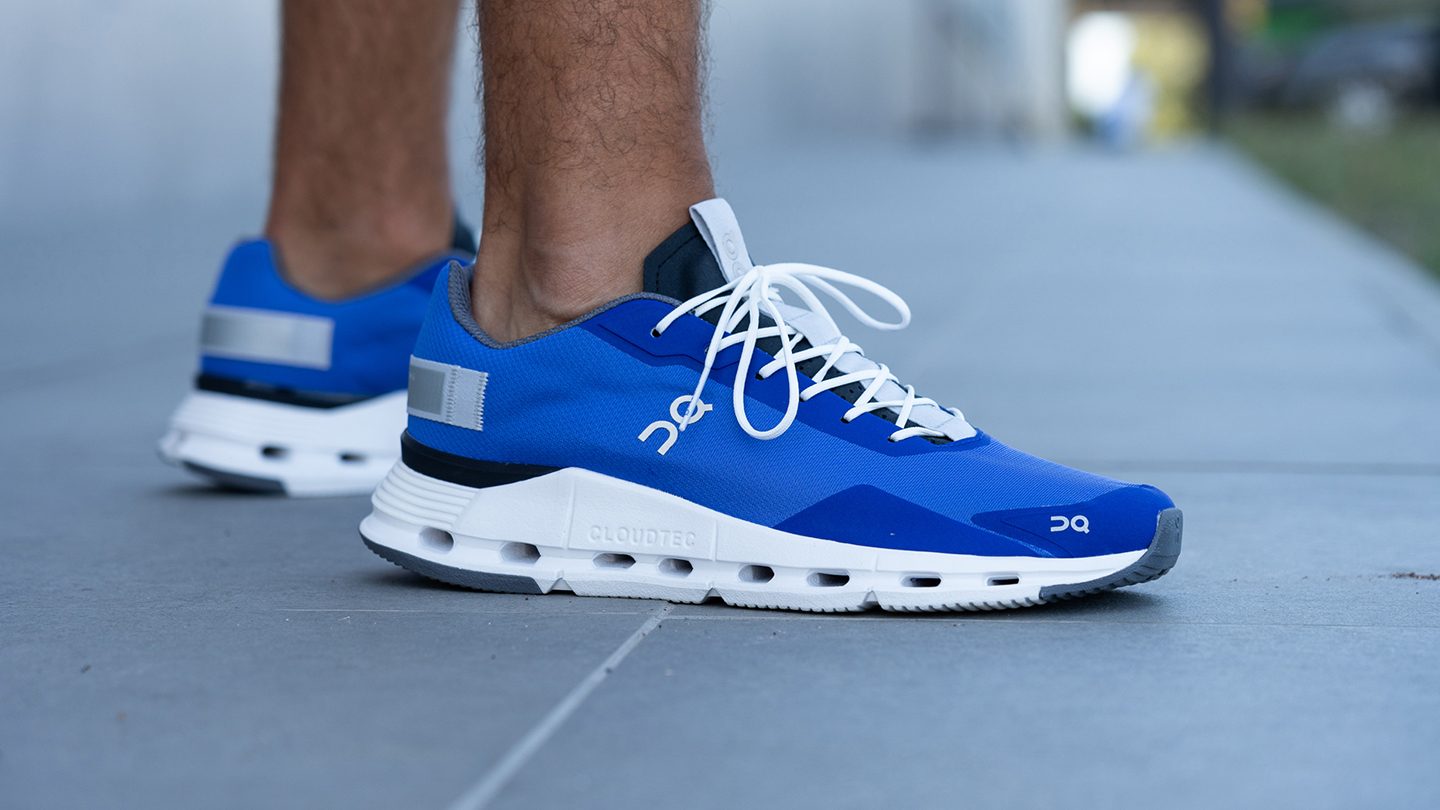
The journey to finding your perfect walking shoe is a personal one, a convergence of your body’s unique mechanics and your individual style narrative. It requires letting go of outdated ideas that equate formality with discomfort and recognizing that the most advanced footwear technology can exist within a beautifully designed package. By prioritizing anatomical support, embracing technical materials, and aligning your choice with your aesthetic, you empower every step you take. Your ideal walking shoe is out there—a tool for resilience, a component of style, and a daily affirmation that you don’t have to choose between feeling good and looking good. You can, and should, demand both.
