

The Walking Shoe: Your Ultimate Guide to Comfort and Style
In a world where every step counts, the choice of footwear transcends mere fashion. It becomes a fundamental decision impacting our daily vitality, posture, and long-term well-being. The quest for the perfect pair is not about chasing fleeting trends but about finding a harmonious blend of engineering and aesthetics that supports our journey, literally and figuratively. This guide delves into the anatomy, science, and soul of the ideal walking shoe, moving beyond marketing hype to equip you with the knowledge to make an informed choice that marries unparalleled comfort with authentic style.
The Foundation: Why Your Feet Deserve More Than Just Coverage
Consider the human foot: a marvel of biomechanical engineering comprising 26 bones, 33 joints, and over 100 muscles, tendons, and ligaments. According to research from the American Podiatric Medical Association, the average person takes between 5,000 and 7,000 steps per day, culminating in over 100,000 miles walked in a lifetime. Each step generates forces up to 1.5 times your body weight, which are absorbed and distributed by this complex structure. When we encase our feet in substandard footwear, we disrupt this natural engineering. The consequences are not merely blisters or soreness; they cascade upwards, affecting ankles, knees, hips, and the spine. A study published by Harvard Medical School notes that improper footwear can contribute to a range of issues from plantar fasciitis to chronic back pain. Therefore, selecting a walking shoe is not a passive act of consumption but an active investment in your musculoskeletal health. It is the interface between your body and the ground, a tool that should enhance your natural gait, not hinder it. The right shoe acts as a symbiotic extension of the foot, providing support where needed, flexibility where required, and cushioning to mitigate the repetitive impact that defines the human experience of locomotion.
Deconstructing Comfort: The Pillars of a Superior Walking Shoe
Comfort in a walking shoe is a multi-faceted achievement, built upon several non-negotiable pillars. It is a sensation born from precise engineering, not just soft materials.
Midsole Cushioning: The Shock Absorption Core
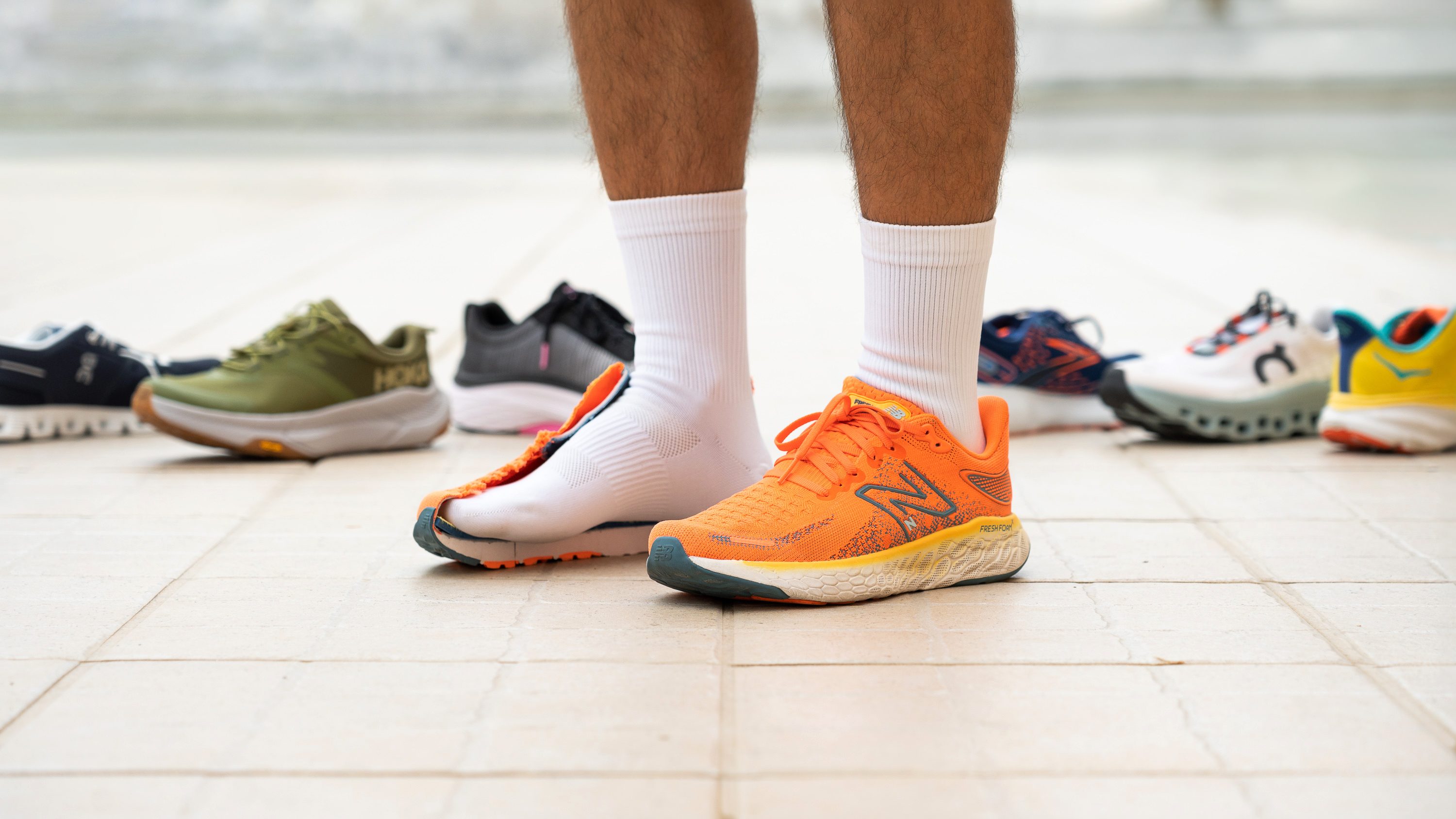
The midsole is the heart of the shoe’s cushioning system, typically made from EVA (ethylene-vinyl acetate) foam, polyurethane, or advanced proprietary compounds like Brooks’ DNA LOFT or ASICS’ GEL technology. The principle is energy dissipation. As Dr. Casey Kerrigan, a former Harvard Medical School professor and biomechanics researcher, has stated, “Good footwear should minimize the load rates, the forces on your body.” The midsole’s job is to decelerate the foot’s impact with the ground, converting kinetic energy into minor heat deformation within the foam, thereby reducing the peak force transmitted to your joints. However, more cushioning is not universally better. The ideal level is dictated by your weight, gait, and walking surface. A shoe that is too soft for a heavier individual may bottom out, losing its protective qualities, while a shoe that is too firm for a lighter person may feel unforgiving. The goal is responsive cushioning—a material that compresses to absorb shock but quickly rebounds to provide a springy, energetic return with each toe-off.
Arch Support and Stability: The Guiding Architecture
Arch support is arguably the most critical and personalized aspect of a walking shoe. The arch of the foot acts as a natural shock absorber and a rigid lever for propulsion. Shoes provide this support through the shape and density of the medial (inner) side of the midsole, often reinforced with a thermoplastic post or a dual-density foam. For individuals with overpronation—where the foot rolls inward excessively—this support is crucial to align the foot and ankle, preventing a chain reaction of misalignment. As noted on the clinical resource UpToDate, proper arch support can alleviate symptoms associated with overuse syndromes. Conversely, those with high arches or supination need shoes with more neutral support and greater flexibility to allow their natural foot motion. Trying to force a foot into the wrong type of support is like building a house on a mismatched foundation; the structure will inevitably fail. A proper walking shoe respects and augments your foot’s unique biomechanical blueprint.
Breathability and Upper Construction: The Climate Control System
Comfort is thermal as well as mechanical. A shoe’s upper, traditionally made from leather or synthetic overlays, has evolved. Modern engineering favors engineered meshes—lightweight, woven fabrics that provide targeted breathability and stretch. As highlighted in material science reviews, these meshes allow heat and moisture (sweat) to escape, maintaining a cooler, drier foot environment. This is vital for preventing fungal infections, reducing blister-causing friction, and ensuring comfort over extended periods. The fit should be snug in the heel and midfoot to prevent slippage, with ample room in the toe box (about a thumbnail’s width from your longest toe to the end of the shoe) to allow toes to splay naturally during the gait cycle. A constrictive toe box can lead to deformities like bunions or hammertoes over time, a point frequently emphasized by podiatrists in public health advisories.
The Style Equation: Where Form Meets Function Without Apology
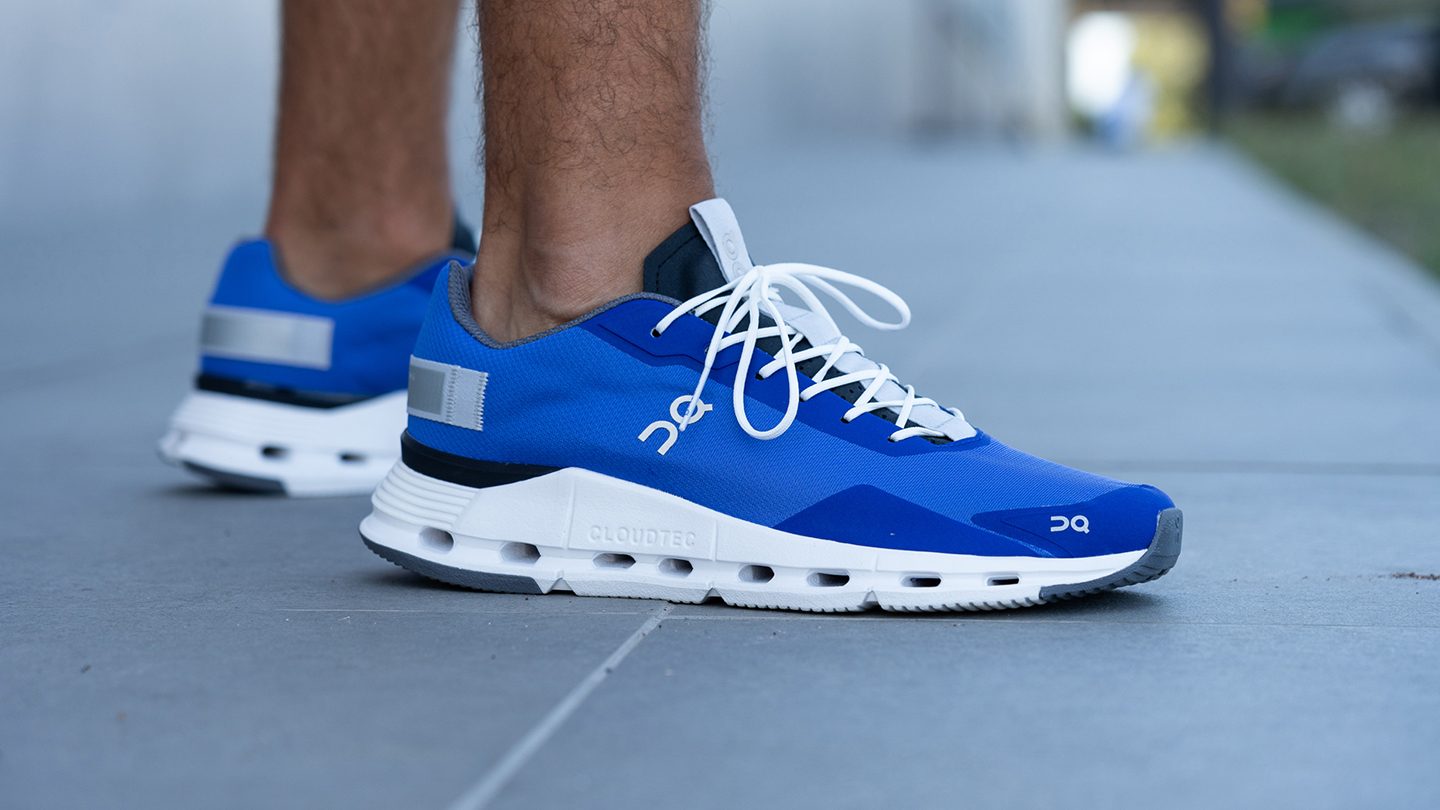
For decades, “comfort shoes” were synonymous with clunky, orthopedically-correct but aesthetically challenged designs. That era is conclusively over. Today, the intersection of performance technology and contemporary design has birthed a category where style is inherent, not an afterthought. Brands like Allbirds, Cole Haan, and even traditional athletic companies have demonstrated that a shoe can possess the sleek silhouette of a modern sneaker while housing the biomechanical intelligence of a medical device. The style of a modern walking shoe is expressed through clean lines, minimalist color palettes (from monochromatic neutrals to bold, curated accents), and versatile profiles that transition seamlessly from a morning walk to casual office wear or weekend errands. This evolution responds to a cultural shift, articulated by figures like designer Tinker Hatfield (creator of iconic Nike Air Max), who famously believes design should solve problems. The problem today is the false dichotomy between looking good and feeling good. The solution is a shoe whose aesthetic confidence is a direct reflection of its engineered competence. When you wear a shoe that looks as good as it feels, it changes your posture, your stride, and your attitude. It is an affirmation that self-care and personal expression are not mutually exclusive.
Making the Informed Choice: A Step-by-Step Selection Guide
Armed with the knowledge of what constitutes a great walking shoe, how do you apply it? The process is methodical and personal.
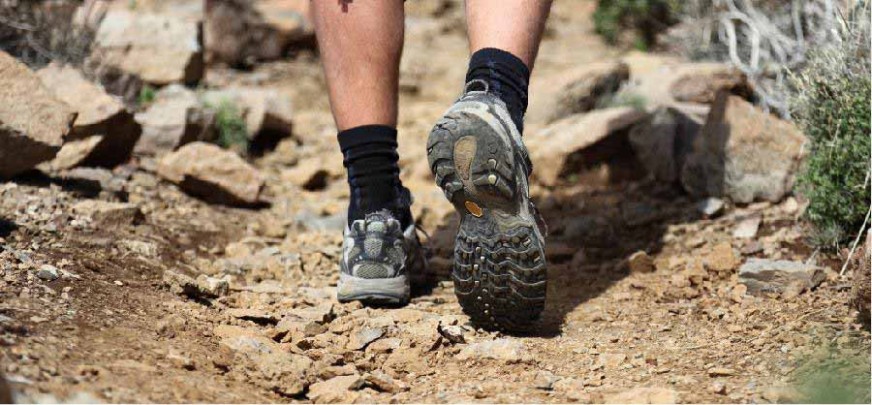
First, know your gait. Many specialty running stores offer free gait analysis. Observing whether you pronate, supinate, or have a neutral stride is the single most important data point for narrowing your search. Second, prioritize fit over size. Sizes vary wildly between brands and even models. Always try shoes on in the afternoon or evening, as feet naturally swell throughout the day. Wear the socks you intend to walk in. Third, test them dynamically. Don’t just stand in the store; walk, jog if possible, and pay attention to pressure points. The shoe should feel secure and supportive immediately, without a significant “break-in” period—a concept that, for quality walking shoes, is largely a myth. A good shoe feels right from the first step. Fourth, consider your primary terrain. A shoe designed for paved roads will have different outsole rubber and cushioning than one meant for gravel paths or light trails.
Furthermore, we bring professional insight directly to you: the lifespan of a quality walking shoe is typically 300-500 miles. Beyond this, the midsole foam compacts and loses its resiliency, even if the upper looks new. Investing in a new pair at the right time is cheaper than physical therapy. Speaking of investment, while premium walking shoes from brands like HOKA, Brooks, or New Balance may carry a suggested retail price of $120-$160, the savvy consumer has options. End-of-season sales, manufacturer refurbished programs, and reputable online retailers frequently offer discounts of 20-40%. The key is to identify the model that fits you perfectly through professional fitting, then seek out the best price for that specific model. Never compromise on the correct fit for a lower price on a different shoe; your feet will pay the difference.

The Cultural Footprint: Walking Shoes in Life and Narrative
The significance of the walking shoe extends beyond physiology and commerce into our collective stories. In film and literature, shoes are powerful symbols of journey and character. Forrest Gump’s relentless run across America began in a simple pair of running shoes, a testament to the transformative power of putting one foot in front of the other. Travel writers like Bill Bryson, in “A Walk in the Woods,” dedicate passages to the existential importance of reliable footwear on a long trail. On platforms like YouTube, physical therapists like Bob & Brad (with millions of followers) demystify foot health, consistently advocating for proper shoes as the first line of defense against pain. These narratives reinforce a simple truth: the right shoe enables the journey, whatever form it takes. It is the unsung hero of daily commutes, weekend adventures, and life-changing pilgrimages. Choosing your walking shoe is, in a small but real way, choosing the quality of your path forward.
Your journey is unique, but the requirement for a faithful, supportive companion is universal. The perfect walking shoe exists at the nexus of biomechanical science, material innovation, and thoughtful design. It is a tool that honors the complexity of your body, liberates your movement, and complements your personal expression. By understanding the pillars of cushioning, support, and breathability, and by applying a discerning selection process, you empower yourself to step into a world where every mile is a pleasure, not a penalty. Let your next step be your most informed one.
