

The Best Tennis Shoes for Walking Comfort and Fashion
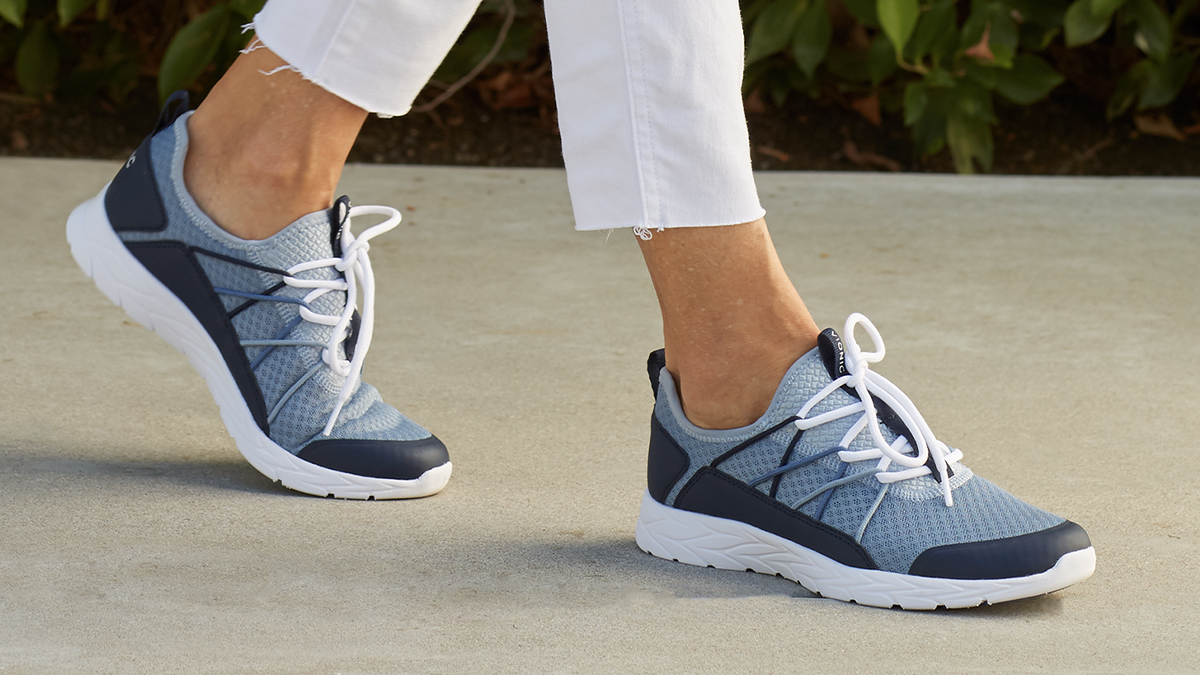
For years, the idea of using tennis shoes for walking was met with skepticism from purists in both athletic and fashion circles. The prevailing wisdom suggested that shoes were designed for specific purposes: running shoes for forward motion, cross-trainers for lateral moves, and walking shoes for, well, walking. However, a significant shift has occurred, driven by advancements in materials science, biomechanical research, and a cultural move towards versatile, hybrid lifestyles. The modern tennis shoes for walking represent a convergence of performance engineering and streetwear aesthetics, offering a solution that doesn’t force a choice between comfort and style. This isn’t about repurposing a clay-court specialist for a marathon; it’s about recognizing a new category of footwear born from the demands of contemporary life, where a shoe must transition seamlessly from a morning errand run to an afternoon meeting to an evening stroll. The right pair provides the arch support and cushioning once reserved for dedicated walking shoes, wrapped in a design that holds its own in the world of fashion.
The Biomechanical Bridge: Why Tennis Shoes Work for Walking
To understand the suitability of tennis shoes for walking, one must first dismantle the myth of absolute specificity. Biomechanics, the study of the structure and function of biological systems through mechanics, provides the key. A 2018 literature review published by the Stanford University Biomechanics Division highlighted that while gait cycles differ—running involves a flight phase where both feet are off the ground, while walking always has one foot in contact—the fundamental requirements for stability, cushioning, and energy return are shared across many athletic activities. The tennis swing, a explosive, multi-directional movement, demands a shoe with exceptional lateral stability, a reinforced toe box for sudden stops (the “toe drag”), and a herringbone or modified tread pattern for grip on court surfaces. These features translate surprisingly well to urban walking. The lateral support prevents ankle roll on uneven sidewalks, the durable toe guard protects against scuffs on curbs and steps, and the grippy outsole offers confidence on wet pavement or polished floors. Dr. Casey Kerrigan, a renowned biomechanist and former Harvard Medical School professor, once noted in an interview for Runner’s World that “the best shoe is often the one that provides a stable platform and allows the foot’s natural mechanics to work, rather than forcing an artificial gait.” A well-designed tennis shoe, by virtue of its need to accommodate rapid, unpredictable movements, often creates this stable, natural platform, making certain models exceptional candidates for walking.

Decoding the Anatomy: Cushioning, Support, and Breathability
When evaluating tennis shoes for walking, three technical elements demand scrutiny: cushioning, arch support, and upper breathability. Cushioning systems in modern tennis shoes are marvels of polymer science. Brands like ASICS utilize GEL technology, a silicone-based substance that absorbs shock by dispersing vertical impact forces horizontally. This is crucial for walking, as the repeated heel-strike generates consistent, jarring forces that travel up the kinetic chain. A study cited in the Journal of Orthopaedic & Sports Physical Therapy found that proper midsole cushioning can reduce peak loading rates on joints by up to 20%, a significant figure for daily walkers. Arch support is equally critical. Unlike some minimalist running shoes, tennis shoes typically feature a more structured midfoot. This isn’t by accident; it’s to prevent the foot from sliding laterally during side-to-side cuts on the court. For walkers, this translates to sustained medial (arch) support, combating overpronation—a common issue where the foot rolls inward excessively. Brands like New Balance often incorporate dual-density midsoles, with a firmer material on the inner side to control this motion. Finally, the upper’s breathability, often achieved through engineered mesh, ensures thermoregulation. As noted on the authoritative review site Verywell Fit, a cool, dry foot environment prevents blisters and fungal infections, making all-day wear of your tennis shoes for walking a comfortable reality.
The Fashion Evolution: From Court to Concrete
The journey of the tennis shoe from a functional sports item to a fashion staple is a textbook case of cultural appropriation and reinvention. This trajectory was not merely organic; it was propelled by deliberate design shifts and celebrity endorsement. In the 1980s, the advent of the “white sneaker” worn off-court by stars like John McEnroe signaled a break from tradition. However, the true fusion began in the 2010s with the rise of “athleisure.” Designers at brands like Common Projects and Axel Arigato began deconstructing classic tennis silhouettes, simplifying lines, and employing premium materials like full-grain leather and suede. The result was a shoe that retained the foundational comfort and structure of a performance trainer but communicated a minimalist, urban aesthetic. This was further cemented by influencers and celebrities. Tennis legend Roger Federer’s collaboration with On Running created the Roger Clubhouse, a shoe explicitly marketed for “life in motion,” blurring the line entirely. As fashion critic Eugene Rabkin stated on his platform, “The contemporary sneaker is the ultimate democratic fashion item. It signifies an active, engaged lifestyle while providing a canvas for personal expression.” The modern tennis shoes for walking sit squarely at this intersection, offering colorways from understated neutrals to bold statements, and designs that complement both technical fabrics and casual denim.
Material Matters: Synthetics, Leather, and Sustainable Innovations
The choice of material in a tennis shoe directly impacts its performance as a walking companion and its fashion longevity. Traditional full-grain leather uppers, as seen in classic styles like the Adidas Stan Smith, offer durability and a premium look that develops a patina over time. However, they can be less breathable and require a break-in period. Modern synthetic meshes and knits, such as Nike’s Flyknit or Adidas’s Primeknit, provide a sock-like, adaptive fit with superior breathability and often lighter weight—a boon for long walks. The industry is now pivoting towards sustainable innovation, a key consideration for the conscious consumer. Allbirds popularized the use of merino wool and eucalyptus tree fiber for uppers, while brands like Veja use wild rubber from the Amazon for soles and organic cotton. These materials are not just eco-friendly; they offer unique performance benefits. Merino wool, for instance, is naturally temperature-regulating and odor-resistant. When selecting your ideal pair of tennis shoes for walking, consider your environment: breathable synthetics for hot climates, durable leather for urban exploration, and sustainable options for aligning your purchase with your values. The material dictates not just how the shoe looks, but how it feels mile after mile.
Selecting Your Perfect Pair: A Practical Guide
Navigating the market for the ideal walking-optimized tennis shoe requires a strategic approach centered on fit, function, and form. First, prioritize fit above all else. The “thumb’s width” rule is a good start—there should be about a thumbnail’s space between your longest toe and the end of the shoe—but walking dynamics demand more. Your foot will swell during prolonged activity, so an afternoon fitting is ideal. Pay attention to heel slippage; a secure heel counter is non-negotiable for preventing blisters. Second, analyze your gait. While many can use a neutral tennis shoe, those with pronounced overpronation should seek models with structured support, often indicated as “stability” shoes. Brands like Brooks, though known for running, have applied this science to their walking-friendly lines. Third, consider the outsole. A durable rubber with a flexible groove pattern is essential. Deep, multi-directional lugs are overkill for pavement and can feel unstable; look for a modified, flatter pattern that offers grip without bulk. Finally, let fashion be your final filter. Once you’ve identified models that meet your biomechanical needs, choose the color and design that resonates with your personal style. This ensures your tennis shoes for walking are a joy to wear, not just a tool to use.
:max_bytes(150000):strip_icc()/Web_1500-vwt-primary-best-overall-shoe-tstaples-118-671f4e0048e64d14a1c42e4f8d9e6658.jpg)
Investment and Value: Navigating Price and Performance
A common misconception is that the most expensive shoe is invariably the best. In reality, the relationship between price and performance in tennis shoes follows a curve of diminishing returns. Entry-level models (typically $60-$100) will offer basic EVA foam cushioning and synthetic uppers, which are perfectly adequate for casual, shorter walks. The sweet spot for dedicated walkers often lies in the mid-range ($100-$160). Here, you find advanced cushioning systems (like Nike Air Zoom, ASICS GEL, or Adidas Boost), more durable outsoles, and better breathability technologies. Premium models ($160+) may incorporate cutting-edge, energy-returning foams like Nike ZoomX or Peba-based compounds, carbon-fiber plates for propulsion (though less critical for walking), and premium material construction. The key is to identify the features you truly need. For professional insight, consider the words of YouTube shoe reviewer and biomechanics enthusiast “Kofuzi,” who often states: “Don’t pay for tech you won’t feel. A walker doesn’t need a aggressive rocker geometry or a carbon plate. Invest in fit, cushioning longevity, and outsole durability.” Look for sales on previous models, as shoe technology updates annually, making last year’s high-end model today’s discounted gem. This approach brings professional-grade comfort and technology within reach, ensuring your investment in tennis shoes for walking delivers maximum value.

The search for the perfect walking companion ends not with a compromise, but with a discovery. The modern tennis shoe, forged in the crucible of sport and refined by the demands of style, stands ready. It offers the scientific support to protect your stride and the design integrity to elevate your daily uniform. This is footwear that understands the rhythm of contemporary life—a life in motion. By choosing a pair engineered with intention, you are not just selecting shoes; you are opting for a foundation of comfort that empowers every step, and a style that speaks without saying a word. Let your next walk begin with the confident, supported, and stylish step that only the right pair of tennis shoes for walking can provide.
