

The Best Tennis Shoes for Everyday Walking Comfort
When we think of tennis shoes, our minds often jump to the swift movements on a court, the sharp pivots, and the explosive sprints. However, the very engineering that makes a shoe excel in tennis—support, cushioning, and durability—also makes it a formidable candidate for the simple, yet demanding, act of everyday walking. The quest for the perfect walking companion leads us not necessarily to shoes marketed specifically for walking, but often to the versatile, well-crafted world of tennis shoes for walking. This article delves into why a high-quality tennis shoe can be your best ally on pavements and paths, unpacking the science of comfort, the anatomy of a great shoe, and how to select the perfect pair for your daily stride.
The Unlikely Synergy: Tennis Engineering Meets Walking Biomechanics
At first glance, tennis and walking seem to occupy opposite ends of the athletic spectrum. Tennis is a game of lateral bursts, sudden stops, and multi-directional agility. Walking is a repetitive, linear, heel-to-toe motion. Yet, the biomechanical demands share a common foundation: stability and impact absorption. Every step you take while walking generates a force of about 1.5 times your body weight, traveling from your heel, through your arch, and propelling you forward from your forefoot. A shoe that lacks proper cushioning and arch support can lead to discomfort, fatigue, and long-term issues like plantar fasciitis or shin splints. Tennis shoes are designed to handle far greater forces. Consider the physics: a player changing direction at speed subjects their footwear to lateral forces that can exceed several times their body weight. To withstand this, tennis shoes are built with reinforced outsoles for durability, robust midfoot shanks and torsional stability systems to prevent excessive twisting, and ample cushioning in the heel and forefoot. When repurposed for walking, this built-in fortress of support provides an exceptional buffer against the repetitive stress of pavement pounding. The stability features that prevent ankle rolls on the court translate to a supremely secure feel on uneven sidewalks. Therefore, choosing a pair of tennis shoes for walking isn’t a compromise; it’s leveraging over-engineered protection for a less intense, but equally important, activity.

Deconstructing Comfort: Cushioning, Support, and Breathability
Comfort in a walking shoe is not a singular sensation but a symphony of technologies working in harmony. Let’s dissect the key components, using the lens of tennis shoe design. First, cushioning. Brands like ASICS, with their GEL technology, and Nike, with Air or Zoom units, have pioneered cushioning systems that absorb shock. ASICS’s GEL silicone-based pads, for instance, are placed in critical impact zones—the heel and forefoot—to dissipate vertical shock waves. This is directly beneficial for walkers, as it reduces the load on knees and joints. Dr. Casey Kerrigan, a former Harvard Medical School professor and founder of a biomechanics research company, has extensively studied footwear. While she advocates for minimal shoes in some contexts, her research underscores that for many, especially on hard surfaces, cushioning is crucial for reducing joint loading. Second, arch support and stability. Tennis shoes often feature a technology like a TPU (Thermoplastic Polyurethane) shank or a dynamic support system. Adidas’s Torsion System, originally developed for running and tennis, allows the forefoot and heel to move independently while providing midfoot integrity. For walkers, this means the shoe moves naturally with your foot but prevents overpronation (excessive inward rolling) or supination (outward rolling), promoting a healthier gait cycle. Finally, breathability and upper construction. Modern tennis shoes use engineered mesh uppers that provide strategic ventilation, keeping feet cool during long walks. This focus on climate control, essential for a high-intensity sport, becomes a luxury in everyday use. When evaluating a tennis shoes for walking, these are the non-negotiable elements to scrutinize: a cushioned yet responsive midsole, a supportive chassis that matches your foot type (neutral, overpronator, etc.), and a breathable, accommodating upper.

Beyond the Hype: Selecting Your Perfect Pair
The market is flooded with options, from the retro-inspired to the hyper-technical. How do you navigate this? Start by forgetting the “tennis” label and focusing on the shoe’s functional profile. For the everyday walker seeking plush comfort, models like the ASICS GEL-Nimbus or GEL-Cumulus series, though running shoes, share DNA with their tennis cousins and are often recommended by podiatrists for their superb cushioning. A dedicated tennis model like the Nike Air Zoom Vapor Cage or the Adidas Barricade offers more structured support. Consider your walking terrain. Are you primarily on paved surfaces? A shoe with durable rubber outsole pods, like those found on many tennis shoes, will offer excellent longevity. Do you incorporate park trails? Look for a model with a slightly more aggressive tread pattern. Foot shape is paramount. Brands have distinct fits: New Balance is renowned for wider toe boxes, while Nike often has a narrower, more athletic fit. The “thumb’s width” rule for space in front of your longest toe is a good start, but the true test is a walk around the store, or better yet, on a treadmill if available. Remember the words of legendary shoe designer Tinker Hatfield, who stated, “The design has to serve the function.” Let the function of all-day walking comfort guide you, not the sport labeled on the box. A well-chosen pair of tennis shoes for walking should feel supportive from the moment you lace them up, without a lengthy “break-in” period that signals poor design.
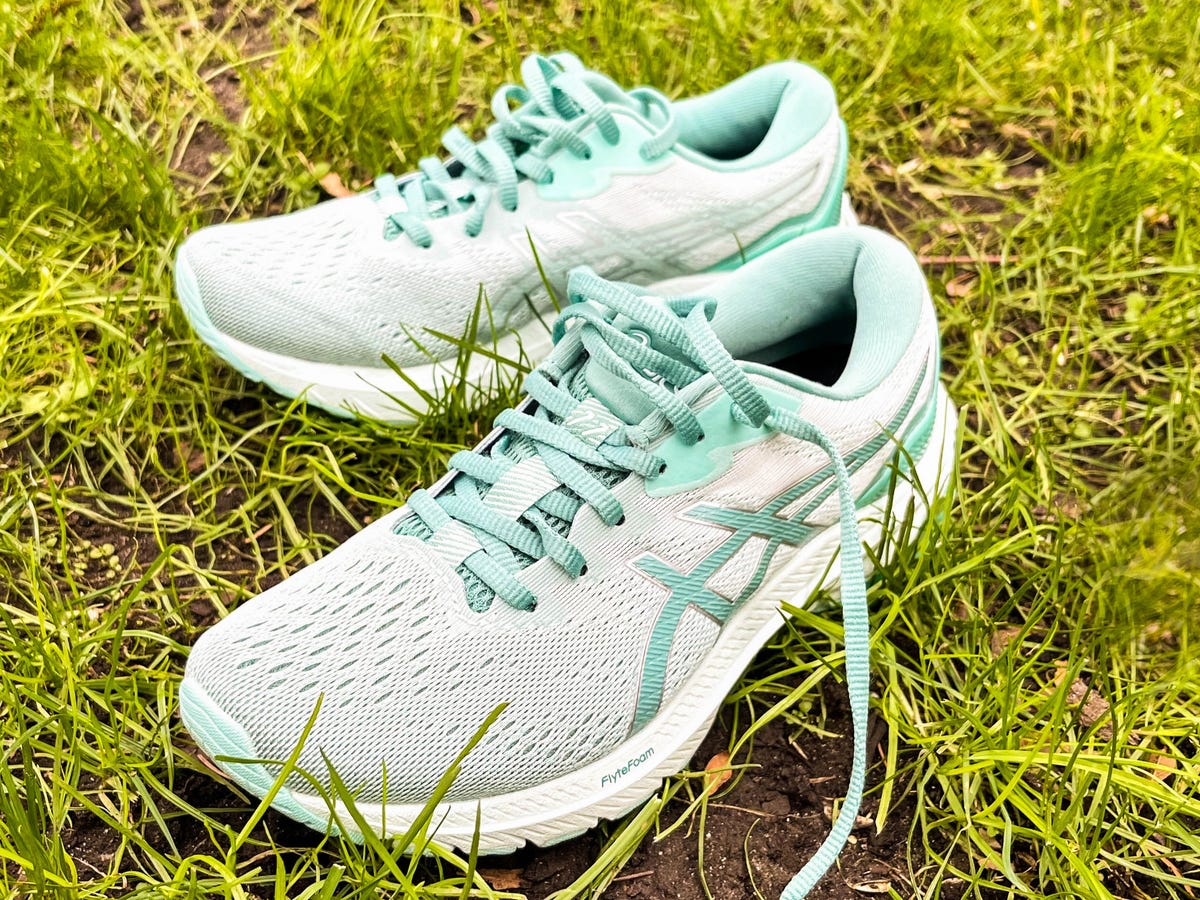
Investment in Wellness: The Long-Term Value Proposition
Viewing your footwear as a mere accessory is a costly mistake. Your shoes are the interface between your body and the ground, a critical piece of equipment for musculoskeletal health. Investing in a quality pair of tennis shoes for walking is an investment in preventative wellness. The science is clear. A study published in the Journal of Foot and Ankle Research highlighted that appropriate footwear can significantly reduce foot pain and improve function in individuals with common conditions. The robust construction of tennis shoes means they often outlast softer, less-durable casual sneakers. While the initial price point for a premium model from ASICS, Nike, or Adidas might range from $120 to $160, the cost-per-walk over their 300-500 mile lifespan is minimal compared to the potential cost of physiotherapy for foot or knee problems. Furthermore, the market offers avenues for smart shopping. Last season’s colorways, online outlet stores, and major sales events (like Black Friday or Amazon Prime Day) frequently see discounts of 30-50% on top-tier models. You are not paying for a fleeting trend; you are paying for polymer blends, foam compounds, and engineering that directly contribute to your daily comfort and long-term joint health. The value lies not just in the product, but in the uninterrupted, pain-free enjoyment of your daily walks, whether they are a commute, a lunchtime stroll, or an evening unwind.
Stepping Forward with Confidence
The journey to finding sublime walking comfort may very well end not in the walking aisle, but beside the tennis court. The architectural principles of support, impact dissipation, and durability baked into high-performance tennis shoes provide an ideal, often superior, foundation for the biomechanics of walking. By understanding the key elements of cushioning technology, structural support, and proper fit, you can transform a shoe designed for athletic prowess into your most reliable everyday tool. Let your needs—the surface you tread, the shape of your foot, the distance you cover—dictate your choice. Embrace the engineered comfort and resilient build of a dedicated athletic shoe. Your feet, your joints, and your overall sense of well-being at the end of a long day will affirm that the path to walking comfort was, unmistakably, paved with the right pair of tennis shoes for walking.

