

The Best Tennis Shoes for All-Day Walking Comfort
When you think of a shoe that can carry you through miles of urban exploration, a busy workday on your feet, or a leisurely weekend stroll, the immediate image might not be a tennis shoe. Traditionally designed for lateral cuts, quick stops, and starts on the court, tennis shoes have evolved into a versatile category of footwear. The right pair of tennis shoes for walking can offer a sublime blend of cushioning, support, and durability that rivals, and often surpasses, dedicated walking shoes. This isn’t about repurposing a performance court shoe for a different sport; it’s about recognizing that modern tennis shoe design incorporates technologies that directly translate to all-day walking comfort. The key lies in understanding the specific features—from midsole compounds to outsole patterns and upper materials—that make a tennis shoe an exceptional companion for your feet during prolonged ambulation.
The Anatomy of Comfort: Deconstructing the Walking Tennis Shoe
To appreciate why a tennis shoe can be ideal for walking, we must dissect its components through the lens of biomechanics and material science. Walking is a heel-to-toe, repetitive linear motion generating forces of about 1.5 times your body weight with each step. A shoe built for this needs to manage impact, provide a stable platform, and offer flexibility at the forefoot. Modern tennis shoes are engineered for impact absorption from hard court surfaces and stability for multi-directional movement, making them uniquely qualified. The midsole, often featuring advanced foams like Adidas’s Boost, Nike’s React, or ASICS’s GEL, is the heart of cushioning. According to research from the Human Performance Laboratory at the University of Calgary, effective cushioning materials reduce peak impact forces, potentially lowering the risk of stress-related injuries during repetitive activities like walking. Furthermore, the torsional stability often built into tennis shoes—a feature to prevent excessive foot roll during side-to-side court movements—provides exceptional arch and midfoot support for walkers, especially those with mild overpronation. The outsole, typically made of durable rubber with a herringbone or modified pattern, offers excellent grip on pavement and other hard surfaces, a necessity for safe, confident strides. When these elements converge, you get a shoe that isn’t just for the court; it’s a sophisticated piece of footwear technology perfect for the pedestrian.
:max_bytes(150000):strip_icc()/Web_1500-vwt-primary-best-overall-shoe-tstaples-118-671f4e0048e64d14a1c42e4f8d9e6658.jpg)
Cushioning Technologies: From the Court to the Concrete
The evolution of midsole technology is perhaps the most significant factor making tennis shoes superb for walking. Let’s take ASICS’s GEL technology as a case study. Originally developed in the 1980s, GEL silicone-based pads are placed in the heel and forefoot to attenuate shock. The Institute for Health and Sport at Victoria University in Australia has published studies highlighting how shock attenuation is critical in preventing lower limb fatigue. This is precisely what a walker needs. Similarly, Nike’s Air technology, utilizing pressurized gas in a durable membrane, and Adidas’s Boost, with its thousands of energy-returning TPU pellets, were born from running but perfected in cross-training and tennis silhouettes. These materials don’t just soften the step; they provide resilient cushioning that doesn’t “bottom out” over miles. As noted by renowned podiatrist Dr. Brad Schaeffer on a health-focused YouTube channel, “The goal for all-day comfort isn’t maximum softness, which can lead to instability. It’s about responsive cushioning that manages impact and returns energy, reducing the muscular effort required for each step.” This principle is why a well-cushioned tennis shoes for walking can leave you feeling less fatigued at the end of the day compared to a flat-soled sneaker or a poorly constructed casual shoe.
Support and Stability: The Unsung Heroes of Mileage
While cushioning protects your joints from impact, support and stability ensure your feet, ankles, and knees are properly aligned throughout the gait cycle. Many tennis shoes incorporate features like medial posts (denser foam on the inner side of the midsole), TPU heel counters, and arch-supporting footbeds. These elements combat overpronation—the inward rolling of the foot—which is common during the walking motion and can lead to plantar fasciitis, shin splints, and knee pain. A Quora thread featuring insights from orthopedic surgeons frequently cites proper arch support as the number one preventative feature for walkers. Brands like New Balance, with their extensive width sizing, and Brooks, applying running biomechanics to their tennis-inspired lines, excel here. The stability inherent in a tennis shoe’s design, intended to handle aggressive lateral pushes, translates to a supremely secure feel on straight paths. You are, in essence, getting a stability shoe without the often-clunky look of traditional motion-control footwear. This makes a supportive pair of tennis shoes for walking not just comfortable but a potential tool for injury prevention.

Selecting Your Champion: A Feature-Based Guide
Navigating the market requires a checklist. First, prioritize cushioning. Look for shoes boasting proprietary foam technologies (Nike React, Puma Nitro, Under Armour HOVR). Second, examine the outsole. A durable rubber with a flat or mildly textured pattern is better for walking mileage than an aggressive, deep-lugged court-specific sole. Third, consider the upper. Breathable mesh is ideal for ventilation, while synthetic leather or reinforced areas add structure and durability. Fit is paramount; there should be a thumb’s width of space in the toe box, and the heel should lock in without slippage. As the famous running coach and author Jack Daniels (of “Daniels’ Running Formula” fame) once stated in a lecture, “The best shoe is the one that disappears on your foot, allowing your body to move naturally.” This philosophy applies perfectly to walking. Don’t be swayed by the latest pro-endorsed model designed for Wimbledon; instead, look for “all-court” or “training” models within a brand’s tennis line, as they often have the balanced design best suited for multi-surface use, including asphalt and concrete.
Professional Knowledge Meets Value: Smart Shopping
Armed with this knowledge, you can shop strategically. Last season’s colorways of top models often see discounts of 30-50% as retailers make room for new inventory. Websites of major sporting goods retailers frequently have “clearance” or “outlet” sections where technological gems can be found. The performance difference between the latest model and its predecessor is often minimal for a walker’s needs. For instance, the ASICS GEL-Resolution 8 might be discounted heavily when the 9 launches, yet it still contains the full GEL cushioning system that provides exceptional comfort. Signing up for brand newsletters can yield welcome discounts. Furthermore, consider factory outlet stores or certified online marketplaces. The goal is to acquire the advanced engineering—the premium foams, the supportive chassis, the durable outsoles—without paying the premium price tag. Investing in a quality pair of tennis shoes for walking is an investment in your daily well-being, and doing so smartly makes it all the more rewarding.
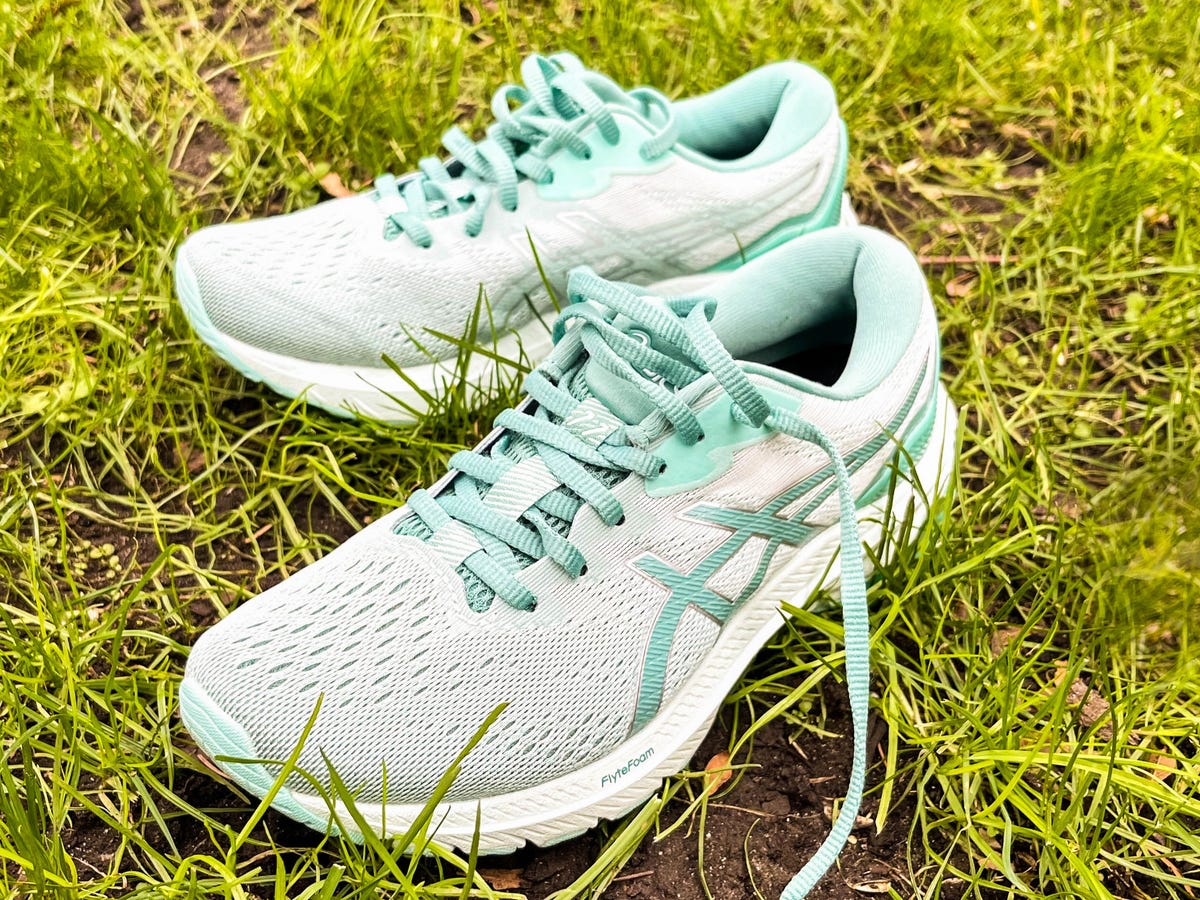
Beyond the Hype: A Personal Endorsement of the Concept
I made the switch to using tennis shoes for my daily walking routine several years ago, driven by foot fatigue from supposedly “comfortable” casual sneakers. The difference was not subtle. The structured heel cup of my chosen pair eliminated the slight achilles slippage I’d tolerated, while the plush yet responsive midsole made my usual 3-mile park loop feel like a new experience. There’s a confidence that comes from the secure fit and ground feel. This isn’t just my anecdote; it’s a sentiment echoed in online forums, from Reddit’s r/walking to dedicated footwear review sites. Users consistently report that switching to a performance-oriented tennis model alleviated nagging foot pain. The versatility is also a key advantage. A good walking tennis shoe transitions seamlessly from a long day of travel to a museum tour to a casual lunch, offering a sporty yet polished aesthetic that dedicated running shoes often lack. In essence, they become the workhorse of your wardrobe, proving that the best tennis shoes for walking are those that empower your mobility without compromise.

The search for all-day walking comfort leads us down many paths, but one of the most effective is already in the athletic footwear aisle. Tennis shoes, with their legacy of court-ready engineering, provide a formidable foundation for the walker. They deliver scientifically-backed cushioning, inherent stability, and durable construction in a package designed for dynamic movement. By focusing on the technologies that matter for linear motion and seeking value through informed shopping, you can equip your feet with tools that transform walking from a necessity into a sustained pleasure. Your journey toward unmatched daily comfort may well begin with lacing up a pair of shoes built for a different game, but perfected for your stride.
