

The Best Tennis Shoes for All-Day Walking Comfort
When you think of a shoe that can carry you from a morning commute to an evening stroll without a whisper of discomfort, the image that often comes to mind is a specialized walking shoe. Yet, there exists a versatile contender in the footwear arena that is frequently overlooked for this purpose: the tennis shoe. The very design principles that make a great tennis shoe—lateral support, cushioning, and durable traction—translate surprisingly well to the biomechanical demands of prolonged walking. This isn’t about repurposing a worn-out court shoe for the pavement; it’s about recognizing that certain modern tennis shoes for walking are engineered with a stability and comfort profile that rivals, and sometimes surpasses, dedicated walking footwear. The key lies in understanding the scientific intersection of athletic design and pedestrian ergonomics, selecting models that prioritize all-day comfort over aggressive court performance, and knowing where to find them at a value that respects your budget.
The Engineering Behind the Comfort: Why Tennis Shoes Can Work
The misconception that tennis shoes are too stiff or heavy for walking stems from outdated models or performance-focused designs. Contemporary tennis footwear science, as documented in biomechanics literature from institutions like the University of Calgary’s Human Performance Laboratory, emphasizes a holistic approach to foot health. A tennis player performs countless multi-directional movements—sprints, lateral cuts, sudden stops—which place enormous stress on the feet, ankles, and knees. Consequently, manufacturers invest heavily in technologies that mitigate impact and provide stabilizing structures. This results in features like encapsulated gel or foam cushioning systems (such as ASICS’ GEL or Nike’s Air units) that absorb vertical shock, a primary concern in walking. Furthermore, the medial posts and dual-density midsoles found in many tennis shoes to prevent overpronation during side-to-side motion are equally effective in controlling the natural, albeit less severe, pronation that occurs with each walking stride. The outsole, designed for grip on varied court surfaces, often uses a modified herringbone pattern that offers reliable traction on concrete and asphalt without excessive lug depth that can alter gait. Therefore, a well-chosen tennis shoe provides a protective, guided ride for the foot, transforming the repetitive impact of walking into a smooth, supported motion.
:max_bytes(150000):strip_icc()/vwt-walking-shoes-test-ryka-devotion-x-sahara-borja-02-18807b688fbb49e4ba30a3ee438600cb.jpeg)
Critical Features to Seek in a Walking-Friendly Tennis Shoe
Not all tennis shoes are created equal for pedestrian use. You must become a discerning evaluator, focusing on specific architectural elements. First, prioritize cushioning over responsiveness. A shoe built for explosive court movement might have a firm, springy foam that returns energy quickly, which can be fatiguing over miles of walking. Look instead for models praised for “plush” or “maximum comfort” cushioning—materials that compress gently to dissipate force. Second, examine the upper construction. Walking generates heat and causes the foot to swell slightly. A breathable mesh upper is non-negotiable for ventilation, and it should offer a forgiving, adaptive fit rather than a rigid, locked-down feel. Third, consider the heel-to-toe drop. This is the height difference between the heel and forefoot. Many traditional walking shoes have a moderate drop (8-12mm) to encourage a heel-strike gait. Some modern tennis and “all-court” shoes have moved to lower drops (4-8mm), which can promote a more natural foot strike and reduce strain on the knees and hips, as discussed in runner’s forums and podiatric advice columns. Finally, ensure the fit is roomy in the toe box. Your toes should not feel cramped, as they will naturally splay with each step. A model that accommodates this movement is essential to prevent blisters and neuromas, making it a true tennis shoes for walking candidate.
Top Contenders: Models That Bridge the Gap
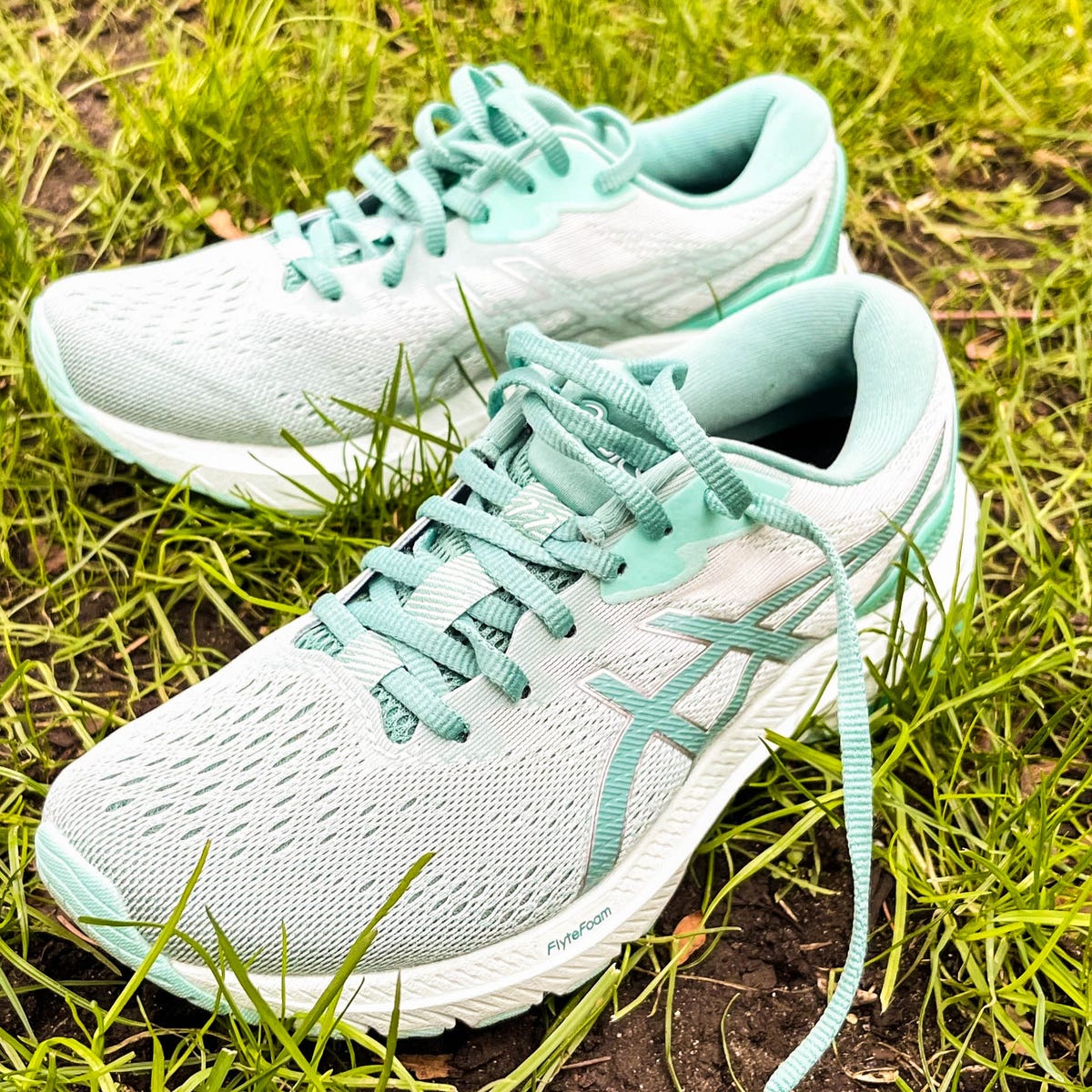
Several models consistently receive acclaim for their dual-purpose design. The ASICS Gel-Resolution series, for instance, is often highlighted not just for its court prowess but for its exceptional DuoMax support system and Gel cushioning in both heel and forefoot, providing a stable, cushioned platform ideal for long periods on your feet. Similarly, the New Balance Fresh Foam Lav, while designed for tennis, utilizes a signature Fresh Foam midsole that is renowned for its soft, continuous cushioning—a technology frequently cited in wearer reviews on sites like Zappos and Road Runner Sports for all-day comfort. For a more minimalist feel, the Adidas Barricade series has evolved to incorporate Boost cushioning, a technology praised by industry experts like Dr. Mick Wilkinson, a sports science academic, for its exceptional energy return and durability over time. These shoes represent a category where sport-specific engineering meets universal comfort needs. It’s worth noting that brands like K-Swiss and Prince often offer models with wider footprint bases and substantial padding, making them excellent tennis shoes for walking for those with a need for maximum stability. The common thread is a design philosophy that doesn’t sacrifice foundational comfort for hyper-specialized performance.

A Word from the Experts: Validating the Choice
The idea of using athletic shoes for non-intended purposes isn’t without precedent or professional opinion. Celebrity trainer Harley Pasternak, whose clientele includes Hollywood A-listers, has often emphasized the importance of supportive footwear for daily activity, noting that the line between a great walking shoe and a great cross-training shoe is increasingly blurred. On platforms like Quora and specialized podiatry blogs, professionals like Dr. James Hanna, DPM, have commented that the most important factor is not the shoe’s label but how well its structure matches an individual’s foot mechanics. He states,
“A patient of mine, an avid walker, found that her chronic plantar fasciitis improved more in a stability-focused tennis shoe than in a dozen dedicated walking models. The key was the combination of a firm heel counter and a forgiving midsole—a spec common in tennis designs.”
This anecdotal evidence from clinical practice underscores a pragmatic truth: foot health is personal. Furthermore, authoritative resources like Wikipedia’s entries on “Athletic Shoes” detail the technological convergence across categories, lending credence to the functional overlap. The validation is clear; when selected wisely, a tennis shoe is not a compromise but a scientifically sound choice for the walker.
Finding Value: Professional Insight Meets Smart Shopping
Investing in your foot health doesn’t necessitate emptying your wallet. The professional knowledge here is to target previous-generation models. Shoe technology evolves incrementally. The cushioning and support system in a top-tier tennis shoes for walking from two seasons ago remains 95% as effective as the current version, yet its price can be 40-50% lower. Retailers like Amazon, eBay, and direct manufacturer outlet sites frequently discount these models. For example, a shoe with a retail price of $130 might be found for $75-$85 once the new colorway is released. Additionally, consider slightly less-marketed brands like Diadora or Head, which often offer comparable technologies at a lower price point due to brand recognition rather than quality deficit. The second strategy is to shop end-of-season sales, particularly after the major tennis tournaments when brands clear inventory. Finally, don’t underestimate the value of a quality insole. If you find a shoe with perfect fit and good structure but slightly lacking in arch support or cushioning, a $30-40 orthotic insert from a brand like Superfeet or Currex can customize and elevate the comfort to a perfect level, often a more cost-effective solution than chasing the perfect out-of-the-box shoe. This approach brings professional-grade comfort within reach, proving that all-day walking comfort is an accessible luxury, not an exorbitant expense.
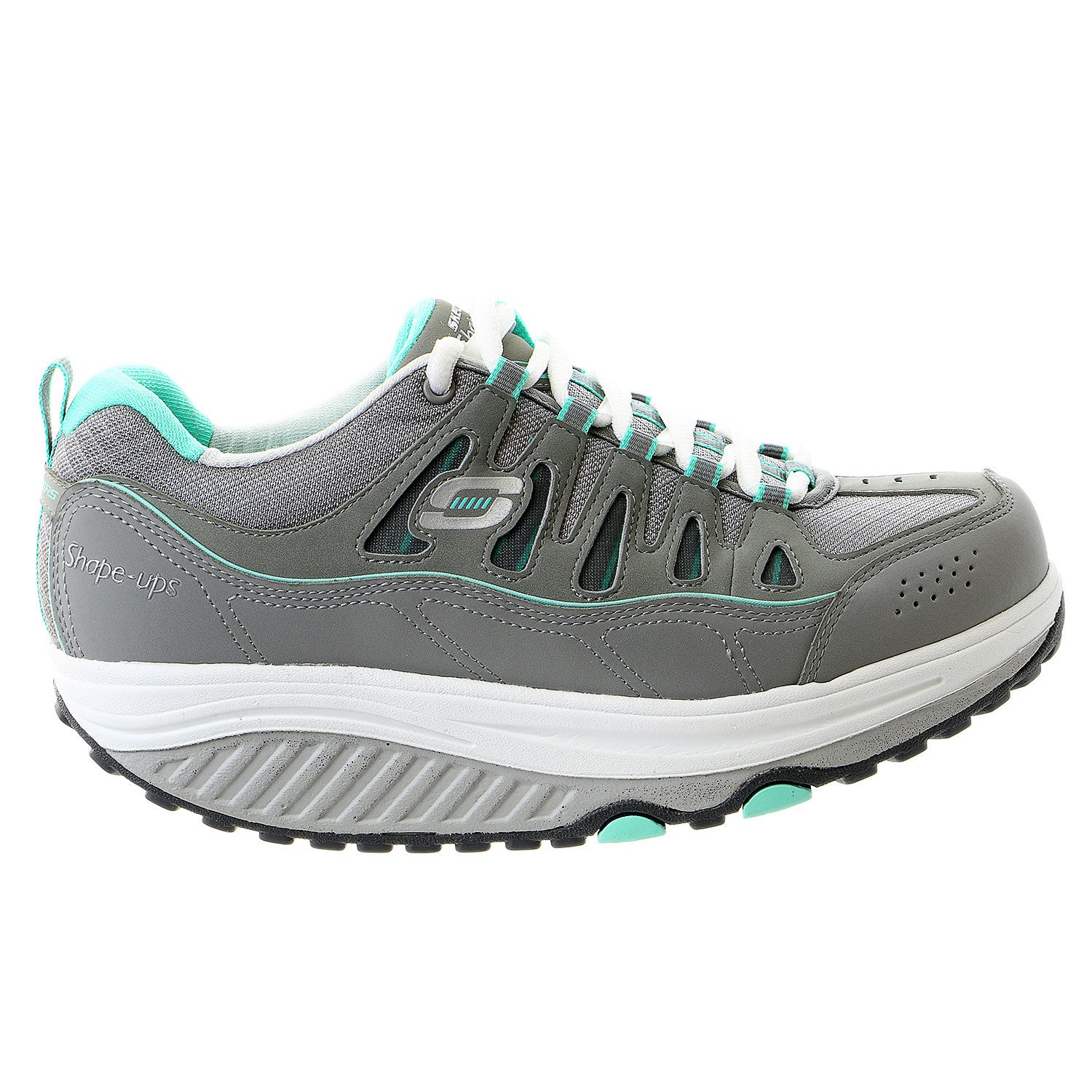
The journey to all-day comfort on your feet is less about adhering to rigid product categories and more about understanding the principles of biomechanical support. The modern tennis shoes for walking stands as a testament to intelligent, adaptive design. It offers a synthesis of stability, impact protection, and durability that directly addresses the needs of the dedicated walker. By focusing on cushioning, fit, and smart acquisition strategies, you can secure a footwear companion that supports every step of your day, proving that the right tool for the job is defined by its engineering, not just its label.
