

Step into Style: The Ultimate Guide to Walking Shoes for Every Outfit
Forget the old rule that style and comfort are mutually exclusive. The right pair of walking shoes is the secret key that unlocks a world where your feet feel supported from dawn till dusk, and your look remains impeccably curated. This isn’t about sacrificing aesthetics for practicality; it’s about embracing footwear engineered for movement as the foundational piece of a versatile, confident wardrobe. We’re moving beyond the gym-only mentality and into a realm where biomechanical science meets design philosophy, proving that the most practical choice can also be your most stylish one.
The Foundation: Why Your Choice of Walking Shoe Matters
Consider your walking shoe not merely as an accessory, but as the fundamental interface between your body and the ground. Every step you take sends a force equivalent to about 1.5 times your body weight through your feet, ankles, knees, and hips. According to biomechanics literature from institutions like Stanford University’s Human Performance Lab, improper footwear can alter gait patterns, leading to chain-reaction stresses that manifest as discomfort far beyond the feet—think shin splints, knee pain, or lower back strain. A scientifically designed walking shoe mitigates this through structured cushioning, arch support, and heel counters that guide the foot through a natural, efficient roll from heel-strike to toe-off. This isn’t anecdotal; it’s applied physics and physiology. When your foundation is stable and supported, your posture improves, your energy expenditure during ambulation becomes more efficient, and you can engage with your day—and your style—with greater vitality. The right shoe is, therefore, less of a purchase and more of an investment in your physical capital, enabling all other sartorial choices to shine without a hidden cost of pain.
Decoding the Technology: Cushioning, Support, and Gait
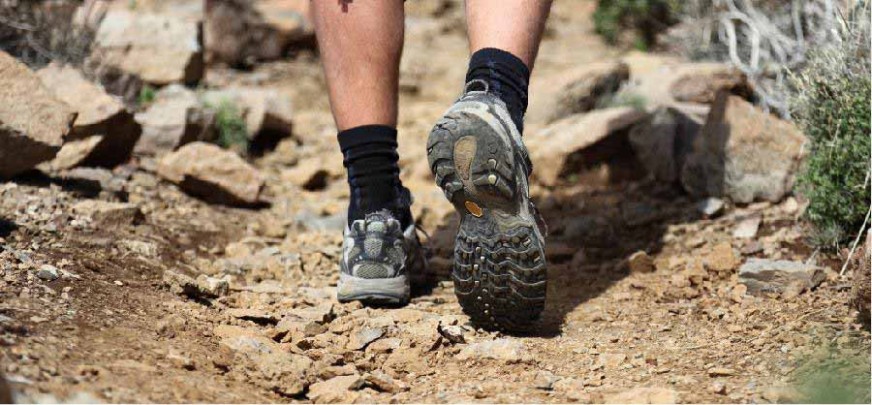
To make an informed choice, one must speak the language of shoe technology. Let’s demystify the core components. Cushioning, often provided by advanced polymer foams like Adidas’s Boost or Brooks’s DNA LOFT, isn’t just about softness. Its primary role is to attenuate shock upon impact. As noted in podiatric research, effective cushioning reduces peak impact forces, protecting joints. However, more cushioning isn’t universally better; it must be balanced with stability. Support refers to features that control excessive or unnatural foot motion, particularly overpronation (inward rolling) or supination (outward rolling). This is achieved through medial posts, dual-density midsoles, and structured heel cups. Your gait pattern is the blueprint for the type of support you need—a fact underscored by countless fitting experts on platforms like YouTube, where certified pedorthists often recommend gait analysis as the first step. Finally, the flex point of the shoe should align with the natural flex point of your foot, allowing for a smooth transition. A well-constructed walking shoe harmonizes these elements, creating a symbiotic relationship between foot and footwear that feels effortless.
Styling Synergy: Pairing Performance with Panache
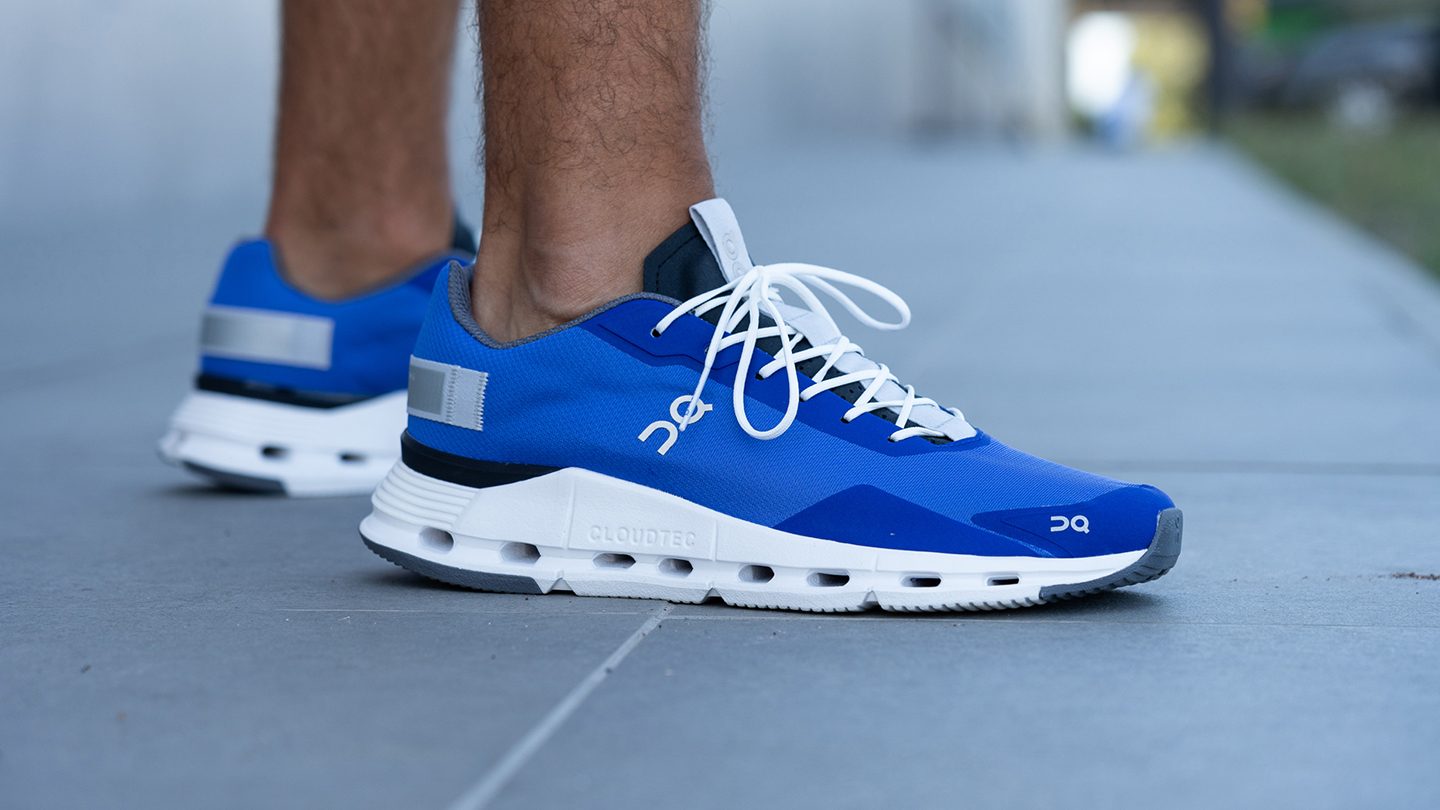
The modern walking shoe category has exploded with options that defy the “athleisure” cliché. The key to integration is intentionality. For a polished, minimalist ensemble—think a tailored linen suit or a sleek midi dress—opt for a monochromatic sneaker in white, black, or grey with clean lines. Brands like Cole Haan or Vince have mastered this hybrid, offering shoes with hidden athletic technology beneath sophisticated leather uppers. As fashion commentator Tim Gunn famously espoused, the power of a unified color story can elevate a simple piece. For casual weekend wear, embrace the technical aesthetic. A pair with subtle mesh panels and refined color-blocking can complement slim-fit chinos and a quality jersey knit perfectly. The goal is cohesion, not contrast. Let the shoe be a testament to considered style, where its technical pedigree is a quiet boast of intelligence, not a loud proclamation of sport. Remember, the most stylish people are often those who look utterly at ease, and nothing conveys ease like footwear designed for actual movement.

The Urban Explorer’s Companion: All-Day Versatility
City life demands footwear that can transition from a morning commute to an afternoon of errands to an impromptu evening social gathering. This is the true test of a walking shoe. The ideal candidate possesses a durable yet flexible outsole for varied pavement textures, breathable upper materials to regulate temperature, and a level of aesthetic neutrality that doesn’t clash with layered outfits. Consider the perspective from travel-focused websites like Insider, which routinely feature “all-day walking shoes” that are as recommended by museum curators and tour guides as they are by fashion editors. The common thread is a lack of overt branding and a focus on ergonomic design. A shoe like this becomes a reliable constant in a variable day, its value compounded with every comfortable step taken while you focus on experiences, not your feet. It’s the embodiment of the “one perfect thing” philosophy found in essentialist literature—a single, high-performance item that eliminates daily decision fatigue and consistently delivers.
Investment and Care: Maximizing Your Shoe’s Lifespan
Premium walking shoes represent a meaningful investment in your well-being, and protecting that investment is both practical and economical. The cushioning midsole, the heart of the shoe’s comfort, is a compressible material that loses its resiliency over time, regardless of visible wear. Experts from sources like Verywell Fit cite a general guideline of replacing shoes every 300-500 miles. To extend this lifespan, practice rotation. Having two pairs to alternate allows the midsole foam to fully decompress between uses, dramatically prolonging its functional life. Furthermore, consider the use-case. While your primary pair might be for dry, urban environments, a secondary, perhaps water-resistant pair for inclement weather prevents accelerated deterioration of your favorites. Spot clean uppers with a gentle brush and mild soap; avoid machine washing which can break down adhesive bonds and internal structures. This mindful approach to care ensures the shoe continues to provide the precise support and comfort it was engineered for, safeguarding both your financial outlay and your physical alignment.
:max_bytes(150000):strip_icc()/when-should-i-replace-my-walking-shoes-3436325-0801-7a1840d83573471092e0380f9e230ecc.jpg)
Expert Voices: A Nod to Authority
This fusion of science and style is not merely theoretical; it is championed by leaders across fields. Renowned podiatrist Dr. Jacqueline Sutera frequently highlights on health platforms how proper footwear is the cornerstone of preventive care. From the world of design, the late visionary Virgil Abloh once discussed in an interview the “elevation of the mundane,” seeing functional items like sneakers as central to contemporary culture. Even historical figures understood the principle; the Roman poet Publilius Syrus is credited with the adage, “No greater burden can be borne than an uncomfortable shoe.” These perspectives converge on a single truth: what you put on your feet profoundly influences your capacity to move through the world, both physically and socially. Ignoring the engineering of a walking shoe in pursuit of fleeting fashion is a compromise that modern design no longer requires you to make.
Your Curated Selection: Where Performance Meets Value
Navigating the market with this knowledge empowers you to seek out true value—where cost per comfortable mile is the metric, not just the sticker price. Brands like Brooks, known for their runner-centric engineering, often translate this technology directly into their walking lines, offering exceptional support systems. New Balance frequently provides excellent width options, a critical fit factor often overlooked. For those seeking direct-to-consumer value, brands like Allbirds use sustainable materials with inherent comfort properties. While we refrain from specific promotional pricing, savvy shoppers know that last season’s colorways of a proven model often see significant discounts, offering identical performance technology at a reduced cost. The key is to identify the core technological features you need—be it a specific arch support type or cushioning level—and then seek out the model that delivers it, watching for sales on that specific item. This targeted approach is far more effective than being swayed by general promotions on shoes that may not suit your biomechanics.
The journey to impeccable style intertwined with unwavering comfort begins with a single, deliberate step. By choosing a walking shoe with intention—prioritizing the symbiotic relationship between biomechanical support and aesthetic design—you equip yourself for the dynamic rhythm of modern life. You are no longer choosing between looking good and feeling good; you are insisting on both, armed with the knowledge that the two are not just compatible, but complementary. Let your footwear be the intelligent, unspoken foundation upon which your daily confidence is built.
