

Step Into Style: The Ultimate Guide to Toe Walker Shoes
Forget everything you thought you knew about footwear designed for a specific gait. This isn’t about clinical, cumbersome designs hidden away. This is about merging necessity with elegance, science with style, and providing a foundation for confidence, not just for steps. The narrative around footwear for those with a toe-walking gait is undergoing a profound shift. No longer a mere medical device, the modern toe walker shoes represent a sophisticated synergy of biomechanical engineering and contemporary fashion. They are a statement that support and style are not mutually exclusive, but essential partners in navigating the world with grace and assurance.
Decoding the Gait: What Is Toe Walking?
Toe walking, or equinus gait, is a pattern of walking where an individual makes contact with the ground primarily with the forefoot and toes, with minimal or no contact from the heel. In early childhood, it can be a typical phase of development. However, persistent toe walking beyond the age of two or three may be idiopathic (without a known cause) or associated with neurological, muscular, or orthopedic conditions such as cerebral palsy, muscular dystrophy, or autism spectrum disorder. The implications are more than cosmetic. As noted by the American Academy of Orthopaedic Surgeons, chronic toe walking can lead to shortened Achilles tendons, reduced range of motion, and potential issues with balance and posture. The primary goal of intervention, therefore, is not to stigmatize a gait but to promote heel-toe patterning, stretch the calf complex, and provide sensory feedback. This is where specialized footwear transitions from an accessory to a crucial tool, a concept validated by countless studies in pediatric orthopedics and rehabilitation literature from institutions like Johns Hopkins and the Mayo Clinic.
The Engineering Behind the Elegance: Core Features of Effective Shoes
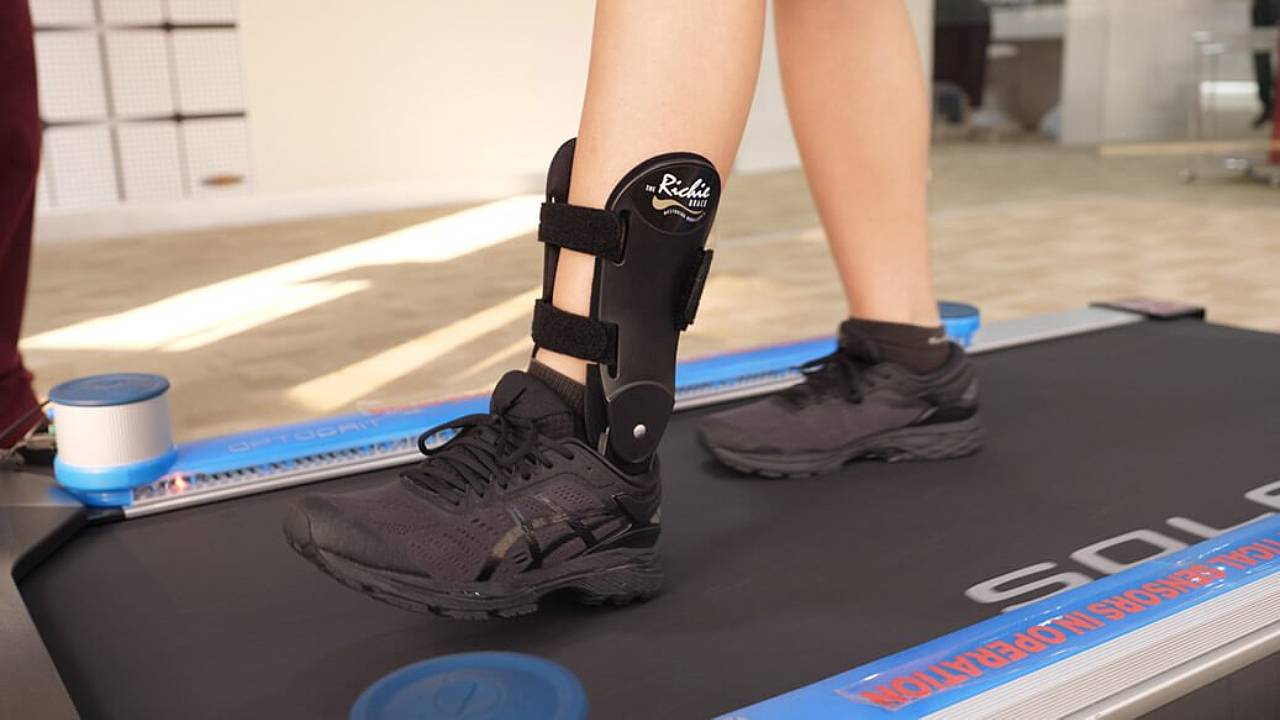
The anatomy of a true toe walker shoes is a marvel of targeted design. It’s a deliberate departure from standard footwear, built upon principles of biomechanics. First and foremost is heel elevation and a rigid or semi-rigid sole. A slight heel lift, often integrated or achieved through an internal heel wedge, helps pre-position the foot to encourage heel contact. The rigidity, particularly in the rearfoot, prevents the collapse that allows toe-walking to persist. This isn’t about a stiff, uncomfortable boot; it’s about strategic stability. Secondly, ankle support and high-top designs are paramount. A high-top cuff provides proprioceptive input—constant feedback to the brain about the ankle’s position—and offers mechanical resistance against plantarflexion (pointing the toe). Third, we have rocker soles. Inspired by the designs found in diabetic and therapeutic footwear, a rocker bottom facilitates a smoother roll-through from heel-strike to toe-off, reducing the effort required to achieve a typical gait pattern. Finally, the internal architecture is designed for custom orthotic integration. The shoe must be a stable platform for orthotics, which are often prescribed to provide additional arch support, medial posting, or metatarsal pads to correct alignment. As a leading pediatric physiotherapist once explained in a widely-shared YouTube seminar, “The shoe is the house, and the orthotic is the furniture. You need both to be perfectly suited to the individual to create a functional, comfortable home for the foot.”
Beyond the Clinic: The Style Revolution
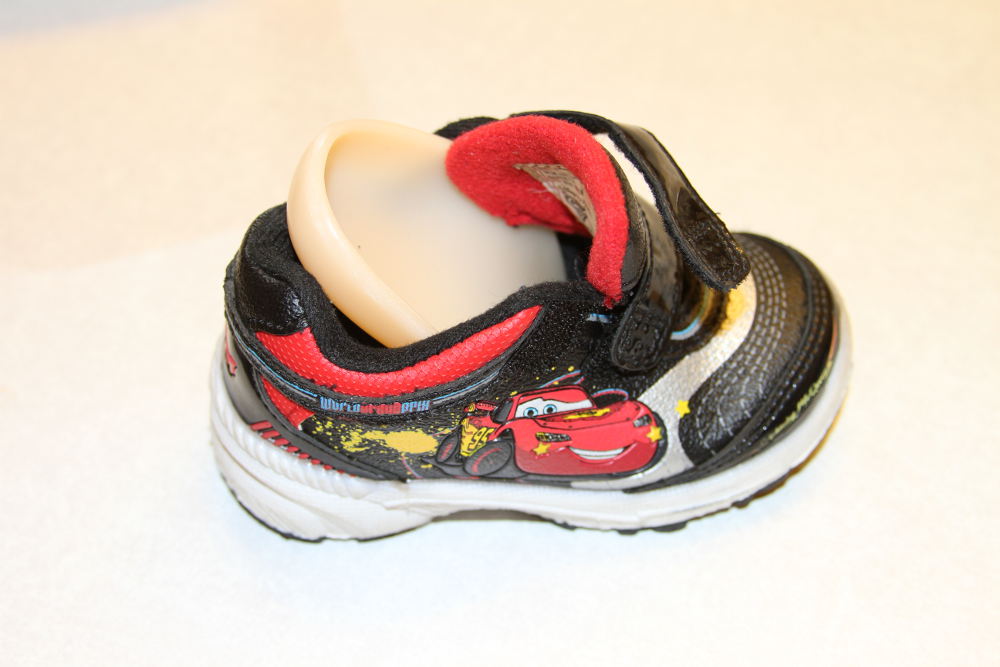
The historical complaint has always been about aesthetics. For too long, functional shoes were an exercise in compromise, where style was the first casualty. This era is over. Today’s leading brands have listened. You will find toe walker shoes that mirror the latest trends in children’s and adult footwear: sleek sneakers with dynamic color-blocking, minimalist leather boots, and even sporty sandals with adjustable straps. The materials have evolved from bulky leather to lightweight, breathable meshes, durable synthetic suedes, and memory foam collars. The goal is to create a shoe that a child is eager to put on or an adult wears with pride, not one they feel compelled to hide. This shift is psychological as much as it is physical. When footwear looks and feels “normal,” it reduces social anxiety and promotes consistent wear—which is the single most critical factor for therapeutic success. As a fashion blogger who specializes in adaptive clothing famously tweeted, “Inclusion isn’t just about ramps. It’s about a kid being able to wear shoes that look like his friends’, while getting the support he needs. That’s dignity.”
Navigating the Market: A Curated Selection for Every Need
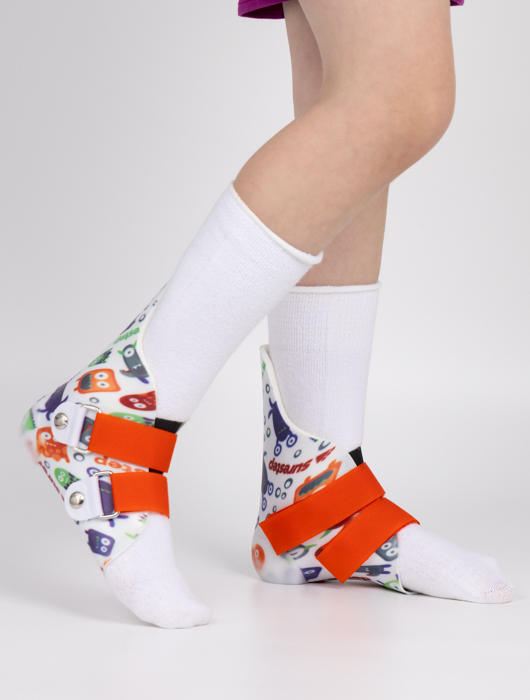
With the philosophy and features established, let’s translate this into tangible choices. The market now offers a spectrum, from off-the-shelf therapeutic brands to custom-made masterpieces. Brands like Surestep, Billy Footwear, and Plae have become synonymous with this fusion. For instance, certain models feature innovative hinge systems that allow free dorsiflexion (pulling the foot up) while blocking plantarflexion, a clever mechanical solution. For more significant support, devices like Supramalleolar Orthotics (SMOs) are often paired with specific shoes. SMOs are custom-molded braces that extend just above the ankle bones, providing gentle guidance for alignment without the bulk of a full AFO (Ankle-Foot Orthosis). The key is collaboration. A recommendation from a pediatrician, podiatrist, or orthotist is the essential first step. They provide the prescription and specifications. From there, you become the stylist and practical purchaser, seeking out the model that best fulfills those clinical requirements while aligning with personal taste. Remember, the most expensive shoe is not always the best; the one that is worn consistently is.
Investment in Stride: Understanding Value and Cost
Let’s address the practical matter of cost. Specialized footwear and orthotics represent an investment. A quality pair of therapeutic shoes can range from $80 to $150, while custom orthotics or SMOs can run from $300 to over $1000. This is where knowledge becomes power. First, check with your insurance provider. Many plans, under durable medical equipment (DME) benefits, will cover a portion of the cost for medically necessary shoes and orthotics with a proper prescription and letter of medical necessity. Second, many orthotic companies and specialty shoe retailers offer financing plans or sliding scale fees. Third, consider the long-term value. A well-made pair that corrects gait and prevents future complications—like costly surgeries for tendon lengthening or treatments for joint pain—pays for itself many times over. Furthermore, several non-profit organizations and foundations offer grants or assistance programs for families facing these expenses. Doing this research is part of the journey. It transforms the purchase from a daunting expense into a strategic, empowered decision for long-term well-being.

The Final Step: Walking Forward with Confidence
The journey to finding the right toe walker shoes is a convergence of science, art, and advocacy. It begins with a professional understanding of the individual’s unique biomechanics and culminates in the daily joy of wearing something that feels both supportive and self-expressive. This guide dismantles the old paradigm that forced a choice between function and form. Today, you can demand both. You can seek out footwear that carries the endorsements of clinical studies and the approval of fashion-conscious wearers. The right shoe does more than guide a heel to the ground; it lifts the spirit. It says that every step, however it begins, can be grounded in strength, stability, and undeniable style. So step forward. The path is clearer, and the options are more beautiful than ever before.
