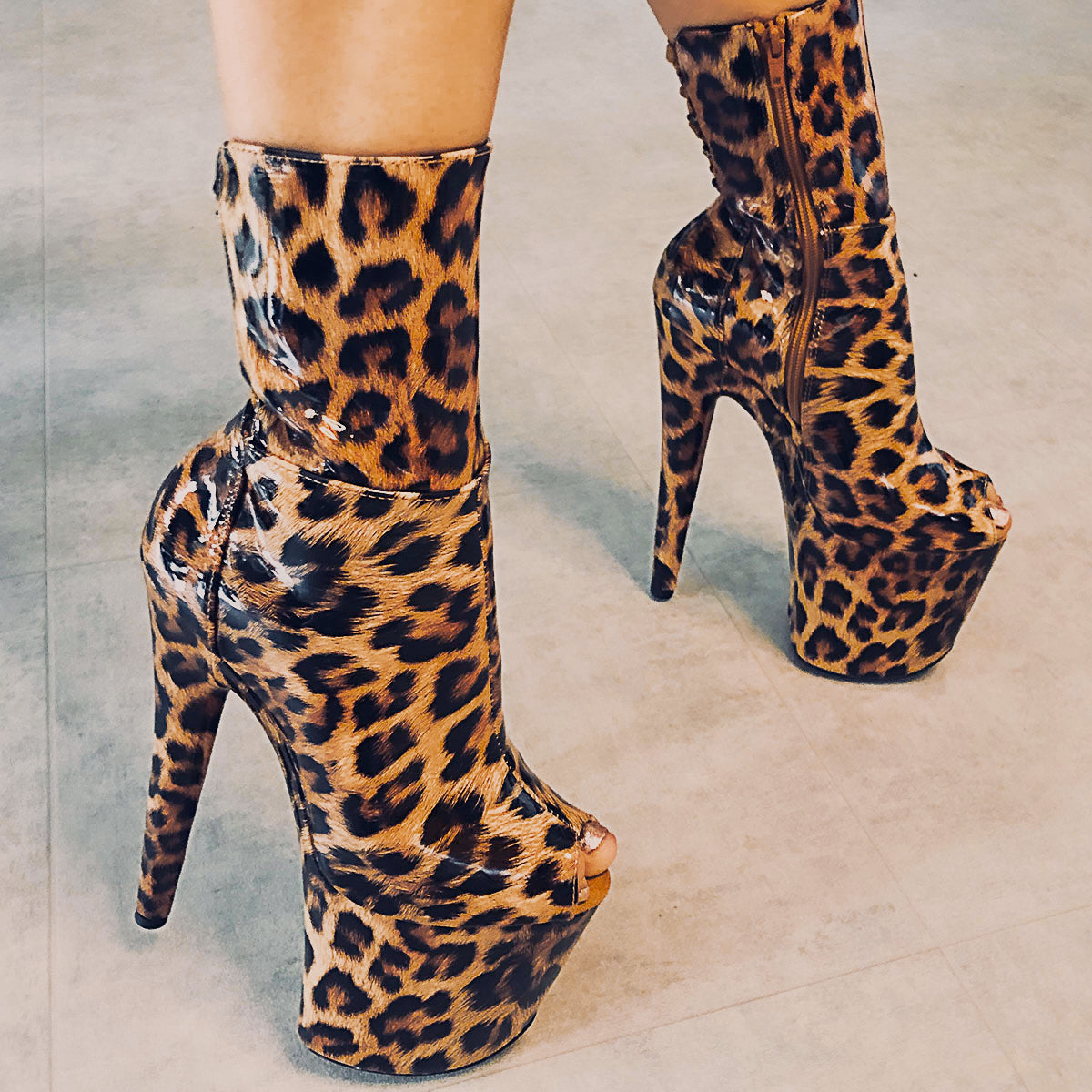
How to Style These Wild Statement Shoes for Any Occasion
Gone are the days when shoes were merely functional. Today, they are the exclamation point of an outfit, a deliberate declaration of personal style. Among the most potent of these sartorial proclamations are animal prints, with one pattern reigning supreme in its ability to convey untamed confidence: the leopard print. Specifically, a pair of cheetah print heels—or more accurately in fashion parlance, leopard print—holds a unique power. They are not for the faint of heart, yet they possess a surprising versatility that, when understood, unlocks a world of styling potential. This article dismantles the myth that such bold footwear belongs only to nighttime escapades, guiding you through the objective principles of color theory, pattern mixing, and stylistic contrast to deploy your wildcard shoes from the boardroom to the weekend brunch, all while grounding our advice in the perspectives of design authorities and cultural commentators.
The Psychology and Prestige of the Print: Why Leopard Works
Before styling, we must appreciate the artifact. Leopard print in fashion is rarely just a pattern; it’s a cultural code. Historically, adorning oneself in predator pelts signaled power and status, a tradition modern fashion sublimates. As fashion historian Dr. Valerie Steele of The Museum at the Fashion Institute of Technology has noted, animal prints, particularly leopard, have oscillated between symbols of vulgarity and high glamour, often tied to perceptions of female sexuality and autonomy. The print found its modern fashion legitimacy in the post-war era, championed by designers like Christian Dior and, most iconically, Yves Saint Laurent, who declared, “I wish I had invented blue jeans. They have expression, modesty, sex appeal, simplicity – all I hope for in my clothes.” To this list, he could have added leopard coat. Its adoption by mid-century screen sirens and rock ‘n’ roll royalty cemented its association with a fearless, self-possessed allure. From a design perspective, leopard print functions as a neutral. This is not a subjective opinion but an objective analysis of its color composition. A classic leopard spot combines black or dark brown with a warm, sandy beige or gold on a creamy background. This palette, devoid of primary colors, allows it to pair seamlessly with a vast spectrum of hues—blacks, whites, navies, tans, and even bold reds or pinks—much like a wood tone or a stripe would. Understanding this is the first key to unlocking its versatility. Your cheetah print heels are not a shout of color but a complex textural element.
Principle 1: The Foundation of Contrast
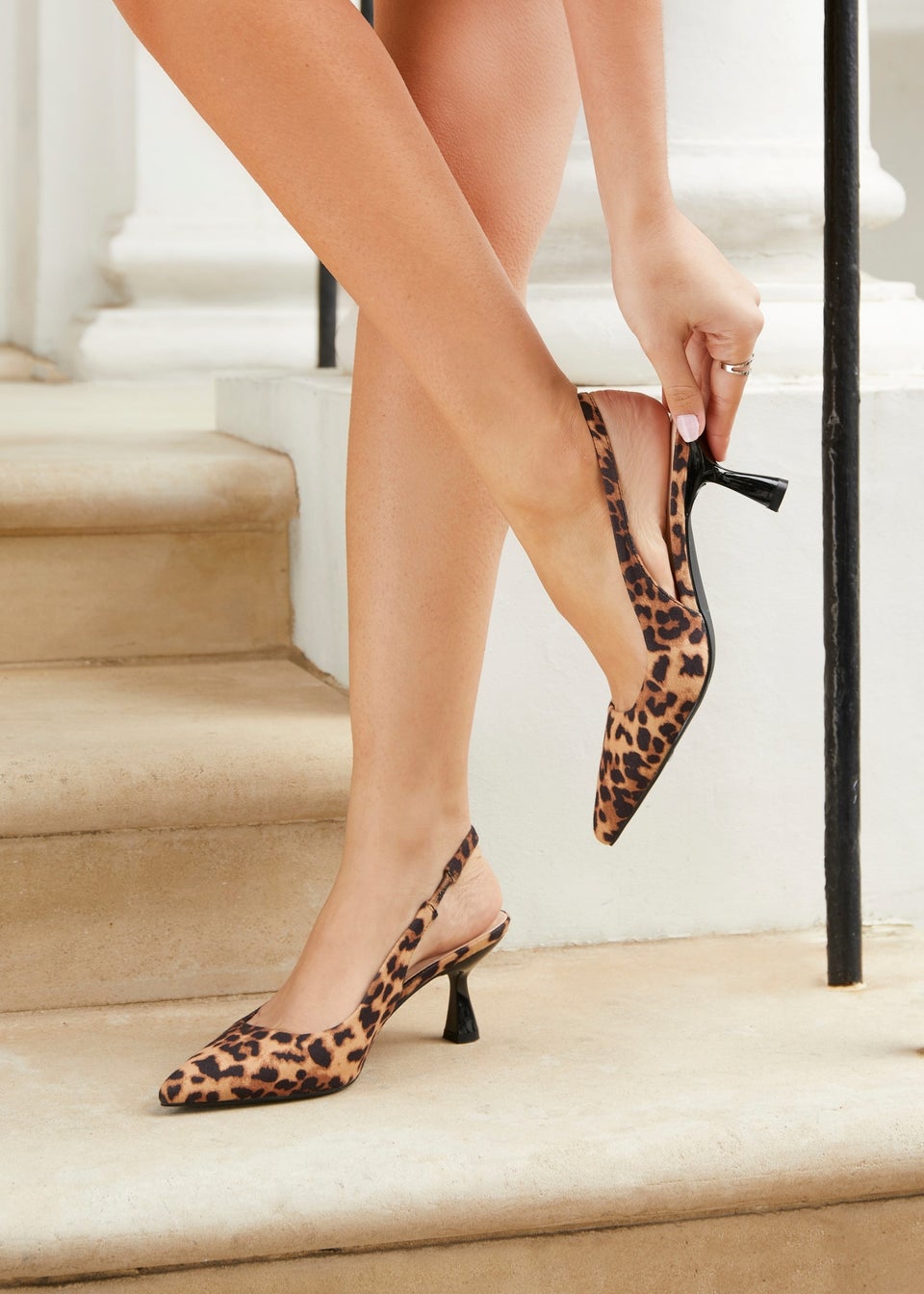
The most foolproof method for styling statement shoes is the principle of contrast. This involves allowing the shoes to be the singular, dramatic focus by anchoring them against a backdrop of simplicity and solidity. Imagine the shoe as the masterpiece in a minimalist gallery. For a professional setting, this translates to tailored, monochromatic ensembles. A sharp, single-breasted black blazer paired with matching trousers or a pencil skirt creates a powerful silhouette. The introduction of the cheetah print heels at this foundation’s base does not disrupt the professionalism; instead, it injects a dose of personal signature and confident flair. The same principle applies to a crisp white button-down shirt and dark denim jeans for a casual yet polished look. The neutrality of the denim and white shirt provides the perfect canvas. This approach is endorsed by countless style authorities, from the timeless advice in Diana Vreeland’s aphorisms to modern stylists on platforms like YouTube, who consistently demonstrate that “one statement piece per outfit” is a rule for clarity and impact. The scientific rationale is rooted in visual perception: the human eye needs a place to rest. A busy outfit with multiple competing patterns creates cognitive overload, whereas a solid outfit with one dynamic element creates a clear, sophisticated, and memorable visual hierarchy.
Principle 2: The Art of Pattern Dialogue
For the sartorially adventurous, leopard print can engage in a sophisticated conversation with other patterns. This is advanced styling, governed by rules of scale, color, and spacing. The goal is harmony, not cacophony. A successful pattern mix often involves pairing the organic, irregular shapes of leopard with a geometric, man-made pattern like pinstripes or a windowpane check. The key is to ensure a common color thread links them. For instance, a navy and white pinstripe suit worn with our cheetah print heels can work if the heel’s background color is a creamy white that echoes the white of the stripes. Another successful pairing is with florals, as famously demonstrated by designers like Dolce & Gabbana. The trick is scale: a small, ditsy floral print can complement the mid-scale leopard spot beautifully. Author and stylist Alison Freer, in her book “How to Get Dressed,” advises treating leopard as a neutral base pattern and adding others in smaller doses, perhaps through a silk scarf or a printed bag. This method creates a layered, intellectual outfit that speaks to a deep understanding of fashion language. It’s the style equivalent of a well-reasoned argument, where each element supports and elevates the other.

Deconstructing Occasions: From Desk to Dinner
Let’s apply these principles concretely. For the corporate environment, leverage Principle 1 (Contrast). A charcoal gray sheath dress or a navy pantsuit is the epitome of authority. Adding cheetah print heels and a simple leather tote bag transforms the look from standard to standout, suggesting a leader who is both disciplined and creatively bold. Keep jewelry minimal—a sleek watch or simple studs. For a casual weekend, think of effortless contrast. Pair light-wash, straight-leg jeans with a plain white tee or a chunky, neutral-toned knit sweater. The casualness of the outfit is elevated and personalized by the heels. Throw on a classic trench coat for an extra layer of chic. The transition to evening is where leopard truly thrives. Here, you can flirt with Principle 2 (Pattern Dialogue) or amplify contrast with luxe fabrics. A simple, elegant little black dress (LBD) is the quintessential partner, letting the shoes provide all the drama. Alternatively, a sleek satin slip dress in a jewel tone like emerald or burgundy creates a rich, tactile contrast with the matte, wild texture of the print. This is the application of objective style principles to achieve subjective expression.
Expert Testimonials and Tangible Benefits
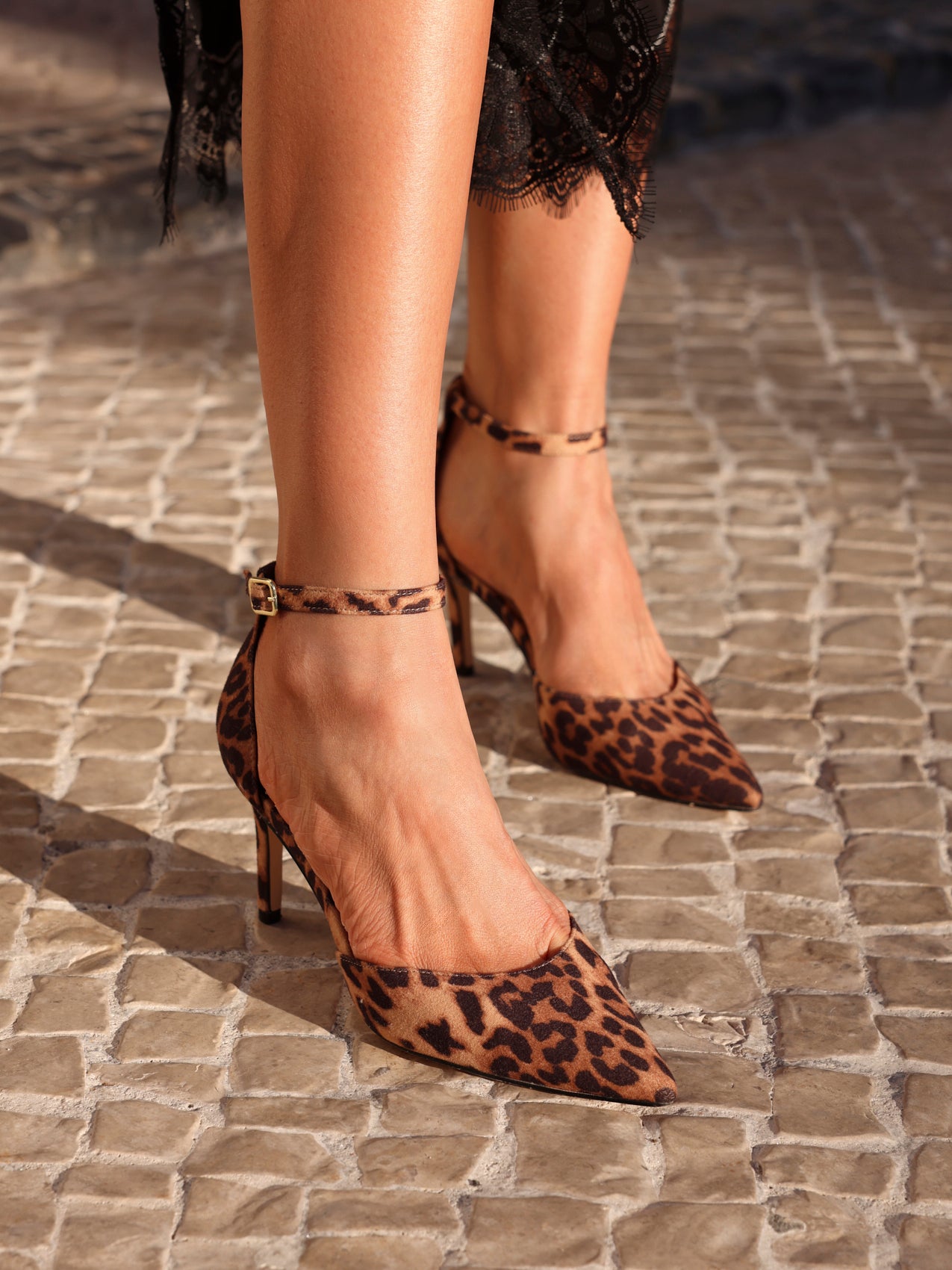
Integrating professional knowledge with practical value is crucial. As Tim Gunn, the renowned fashion consultant and former co-host of “Project Runway,” famously advocates, we must “make it work.” This means investing in pieces that offer maximum versatility. A quality pair of statement heels is such an investment. Look for craftsmanship: a comfortable heel pitch, genuine leather linings, and a secure fastening. These are not mere accessories but foundational tools for building a dynamic wardrobe. From a market perspective, while high-end designers offer exquisite options, many contemporary direct-to-consumer brands and retailers provide scientifically sound footwear design—incorporating arch support and padded insoles—at accessible price points. It’s not uncommon to find well-constructed, stylish cheetah print heels from trusted brands during seasonal sales or through member discounts, often bringing a potential $150-200 value into a more accessible $80-120 range. The value proposition is clear: one powerful pair can revitalize dozens of existing outfits, providing a cost-per-wear ratio that surpasses multiple pairs of mundane shoes.
Ultimately, styling wild statement shoes is an exercise in controlled confidence. It requires an understanding of the item’s inherent nature—its history, its color properties, its psychological impact—and the application of fundamental design principles. By mastering contrast and cautiously exploring pattern mixing, you transform a potentially daunting item into your most reliable style asset. The leopard print heel ceases to be a costume piece and becomes a signature, a versatile tool ready for any scene in the theater of your daily life. The final step is simply to walk out the door with the assurance that your choice was not random, but reasoned, and all the more powerful for it.