

Your Ultimate Guide to Comfort and Style for Everyday Adventures
Every journey begins with a single step, and the quality of that step is fundamentally shaped by what you wear on your feet. The modern pursuit of an active, integrated lifestyle demands footwear that transcends a single function. It’s no longer about having separate shoes for the gym, the commute, the weekend errand, and the casual evening out. The true quest is for a singular, versatile companion: the perfect walking shoe. This isn’t merely about cushioning; it’s about a harmonious blend of biomechanical support, durable construction, and aesthetic appeal that aligns with your personal narrative. This guide is your roadmap to finding that ally, merging professional ergonomic insights with accessible style, ensuring your everyday adventures are undertaken with confidence, comfort, and a touch of flair.
The Anatomy of Support: Why Your Feet Deserve Engineering, Not Just Fabric
To appreciate the modern walking shoe, one must understand it as a feat of biomechanical engineering. The human foot is a complex structure of 26 bones, 33 joints, and over 100 muscles, tendons, and ligaments. According to research from the American Podiatric Medical Association, improper footwear can lead to a cascade of issues, from plantar fasciitis and Achilles tendinitis to knee and hip misalignment. A scientifically designed walking shoe acts as an external exoskeleton, mitigating these risks. The core components are systematic: the midsole, often made from EVA (ethylene-vinyl acetate) or polyurethane compounds, provides the primary shock absorption, dissipating the force of each heel strike that can be up to 1.5 times your body weight. The arch support isn’t a luxury; it’s a necessity to maintain the foot’s natural plantar fascia tension, a principle underscored in biomechanics literature from institutions like Stanford University’s Human Performance Lab. The heel counter—the firm cup at the back—stabilizes the rearfoot, preventing excessive pronation (inward roll) or supination (outward roll). When you slip on a well-engineered walking shoe, you’re not just putting on a shoe; you’re enabling a physiological system to function as nature intended, with enhanced protection and efficiency. This objective, scientific foundation is non-negotiable for anyone who considers walking a fundamental part of their daily life.
From Pavement to Trail: The Versatility Imperative
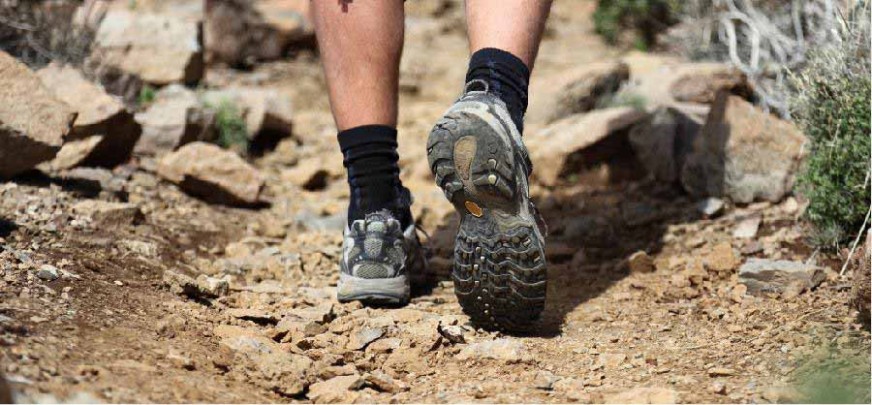
The definition of “everyday adventures” has expanded. Your day might involve a morning walk on a paved park path, a day navigating polished office floors, an evening stroll on a gravel track, and a weekend exploration of a gentle, root-crossed trail. The ideal footwear must adapt. This is where outsole technology and material science converge. The tread pattern on a dedicated road walking shoe is typically flatter and more segmented for flexibility on hard surfaces. In contrast, a hybrid or light trail model will feature deeper, multi-directional lugs, often made from durable carbon rubber, to grip unpredictable terrain. Brands like ASICS and Merrell invest heavily in compound research, creating outsoles that are sticky enough for traction yet hard enough for longevity. The upper material also tells a story of versatility. Engineered meshes offer breathability for urban environments, while reinforced synthetic overlays or minimalist thermoplastic polyurethane (TPU) films provide abrasion resistance for the occasional off-path diversion. As noted by outdoor gear analysts on platforms like Wirecutter, the best everyday adventure shoe finds the sweet spot between a road runner’s flexibility and a hiker’s resilience. It acknowledges that your environment is dynamic, and your footwear should possess the adaptive intelligence to match.
:max_bytes(150000):strip_icc()/vwt-asics-womens-gel-pulse-16-jinfeng-chen-21-712f0f140e834b84b3a8dcf0bf154771.jpeg)
Style as Self-Expression: When Performance Meets Personality
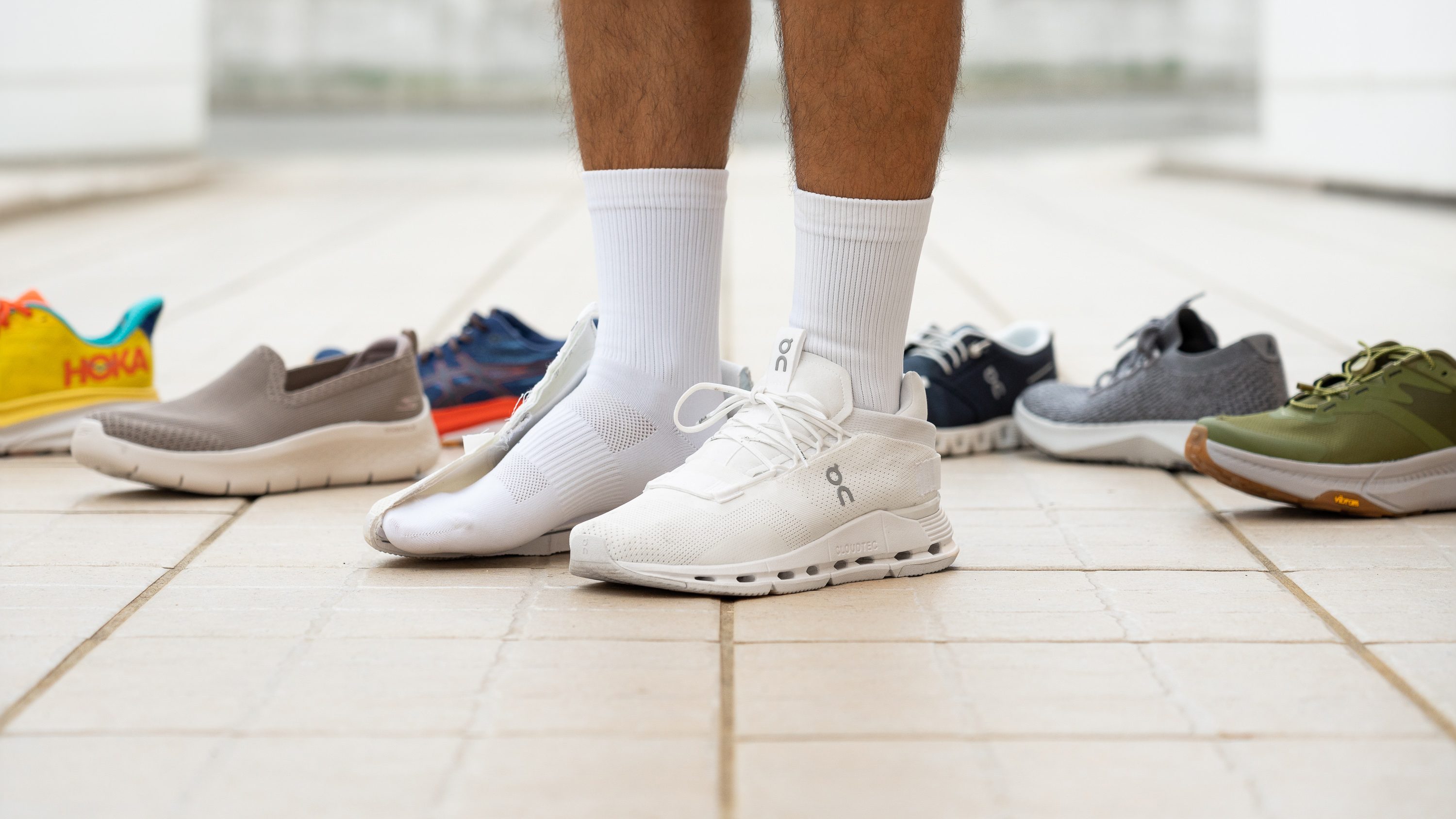
For decades, a chasm existed between “technical” shoes and “fashionable” ones. That era is over. The rise of athleisure and the normalization of performance wear in daily life have driven a seismic shift. Companies like Allbirds, On Running, and even legacy brands like New Balance have mastered the art of marrying silhouette with substance. The aesthetic of a walking shoe now communicates as much as it cushions. Clean lines, monochromatic colorways, and thoughtful design details allow a high-performance shoe to transition seamlessly from a morning fitness session to a casual business meeting or a coffee date. This isn’t superficial; it’s a reflection of a holistic lifestyle. As fashion critic Vanessa Friedman of The New York Times has observed, contemporary style is increasingly about “the integration of well-being into the visual lexicon.” Your choice in footwear becomes a statement of values—valuing comfort, valuing practicality, but also valuing your own visual identity. The modern market offers minimalist designs for the purist, bold color-blocking for the extrovert, and sleek, knit uppers for those who prioritize a sock-like fit. The power lies in having options that do not force you to sacrifice performance at the altar of style, or vice versa.
The Investment and The Cycle: Knowing When to Let Go
High-quality walking shoes are an investment in your physical health, but they are not immortal. The most common mistake is wearing them long past their functional expiration date. The cushioning materials in the midsole compress and lose their resiliency over time, long before the outsole wears through. The general consensus among podiatrists and running store experts, frequently cited on platforms like Quora and Runner’s World, is to replace your primary walking shoe every 300 to 500 miles. For an average daily walker, this translates to roughly every six to nine months. Signs of retirement are not always obvious: persistent new aches in your feet or legs, visible creasing in the midsole foam, or a shoe that no longer “springs back” when you press your thumb into it. Investing in a new pair is not an expense; it’s preventative healthcare. To make this cycle more accessible, savvy shoppers can leverage end-of-season sales, outlet stores, and brand loyalty programs. Many reputable retailers offer significant discounts on previous models when new versions are released, and the technological advancements between generations are often incremental. By planning your purchases around these cycles, you can access premium, scientifically-backed footwear—like those featuring Brooks’ GuideRails or HOKA’s Meta-Rocker geometry—at a fraction of the full price, ensuring your comfort and support never lapse.
A Personal Fitting: The Non-Negotiable Step
All the scientific data and style advice culminate in one irreplaceable act: the fitting. Your foot is as unique as your fingerprint. Sizing varies wildly between brands and even between models from the same brand. The best practice, championed by specialty running and walking stores globally, is to get professionally fitted in the late afternoon or evening, when your feet are naturally at their largest due to daily swelling. Bring the socks you intend to wear and ensure there’s about a thumbnail’s width of space between your longest toe and the end of the shoe. Width is equally critical; a shoe that is too narrow can cause bunions and neuromas, while one too wide fails to provide adequate stability. Don’t be wedded to a size number; be committed to the feel. Walk around the store, on hard floor if possible, and pay attention to any points of pinch or slip. Remember, the perfect walking shoe should feel supportive and intriguingly comfortable from the first step, requiring little to no “break-in” period. This hands-on, personalized approach is the final, crucial algorithm in the equation for finding your ultimate everyday companion.
The pursuit of the perfect walking shoe is a meaningful convergence of self-care and self-expression. It is an acknowledgment that the foundation of an active, engaged life is literally grounded in what we choose to wear on our feet. By prioritizing biomechanical integrity, embracing versatile design, refusing to compromise on personal style, understanding the product lifecycle, and committing to a proper fit, you equip yourself for far more than just physical travel. You step into each day prepared for whatever adventure—big or small—unfolds before you, supported every step of the way.
