

The Walking Shoe: Your Ultimate Guide to Comfort and Style for Every Outfit
Forget the notion that practicality must sacrifice aesthetics, or that a stylish shoe condemns you to a day of discomfort. The modern walking shoe has evolved into a sophisticated hybrid, a cornerstone of a versatile wardrobe that bridges the gap between biomechanical support and sartorial expression. This isn’t about a single, bulky pair relegated to the gym bag; it’s about a category of footwear engineered for the rhythm of daily life. Whether you’re navigating city streets, pacing office corridors, or enjoying a weekend stroll, the right pair can transform your experience from a mundane necessity into a confident, comfortable journey. We’re moving beyond mere “understanding” of footwear—we’re curating a toolkit for living. Let’s dismantle the old paradigms and explore how the right shoes fuse technology with trend, creating a foundation for both well-being and personal style.
The Anatomy of Comfort: Deconstructing the Modern Walking Shoe
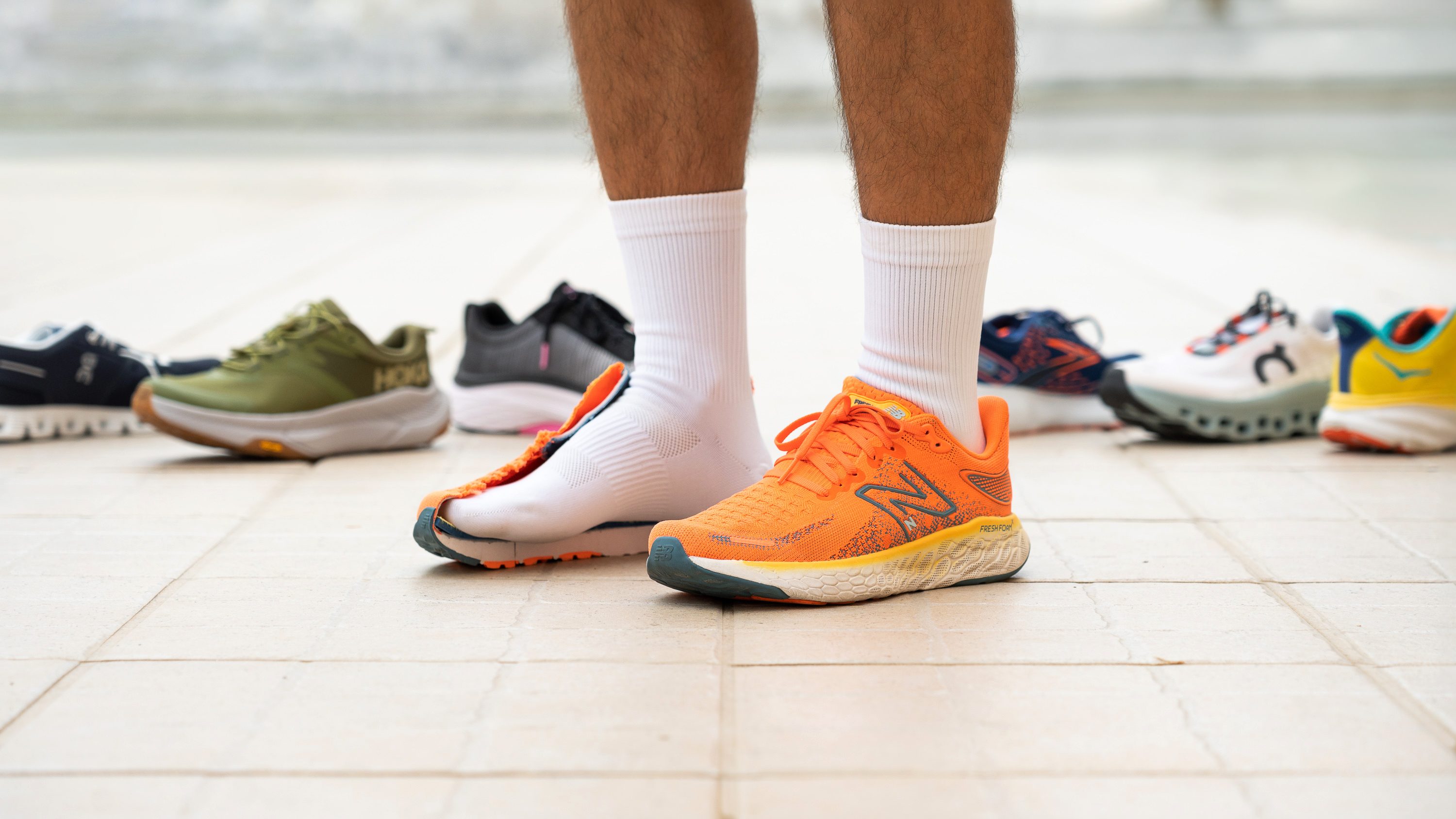
What separates a true walking shoe from any other casual sneaker? The distinction lies in a deliberate architectural design focused on the gait cycle. According to biomechanics literature from institutions like the University of Calgary’s Human Performance Laboratory, walking involves a complex sequence of heel strike, midfoot roll, and toe-off. A shoe designed for this motion addresses each phase. The midsole, often utilizing advanced polymer foams like EVA (ethylene-vinyl acetate) or proprietary blends such as Brooks’ DNA LOFT or ASICS’ GEL, is the heart of cushioning. It doesn’t just soften impact; it manages energy return. The rocker sole, a design championed by brands like HOKA, features a pronounced curvature that promotes a smooth heel-to-toe transition, reducing strain on the calf and Achilles tendon. Furthermore, the American Podiatric Medical Association emphasizes the critical role of adequate toe box space to allow natural toe splay upon landing, preventing issues like bunions and neuromas. A rigid heel counter—the firm cup at the back—provides stability, locking the heel in place to prevent excessive pronation or supination. This confluence of features isn’t marketing fluff; it’s applied podiatric science, creating a protective environment for the 26 bones, 33 joints, and over 100 muscles, tendons, and ligaments in each foot.
Material Matters: Breathability, Durability, and Sustainability
Moving outward from the sole, the upper material of a walking shoe dictates its relationship with your foot and the environment. Traditional full-grain leather offers durability and structure but may lack breathability. Modern engineered mesh, constructed with varying densities of synthetic yarn, provides targeted ventilation and adaptive stretch, conforming to the foot’s shape without excess volume. This is crucial for temperature regulation and preventing blisters during extended wear. The sustainability conversation, prominent on platforms like YouTube where eco-conscious influencers dissect “greenwashing,” has pushed brands to innovate. Recycled polyester from plastic bottles, bio-based foams derived from algae or castor beans, and even plant-tanned leathers are becoming benchmarks. As environmental scientist Dr. Jane Goodall has often stated, “What you do makes a difference, and you have to decide what kind of difference you want to make.” Choosing footwear from companies with transparent supply chains and material innovation is a step toward that difference. Durability, however, remains non-negotiable. A study by the Textile and Apparel Technology Institute suggests that the abrasion resistance of the outsole rubber compound and the tensile strength of the upper stitching are primary indicators of a shoe’s lifespan, ensuring your investment endures.
Style Synergy: Pairing Your Walking Shoe with Every Outfit Archetype
The triumph of the contemporary walking shoe is its chameleonic ability to integrate into diverse aesthetics. The days of a single white sneaker ruling all are over. Today, it’s about intentional pairing.
The Urban Professional
For the professional setting, sleek, minimalist designs in monochromatic tones—think all-black, grey, or crisp white—are paramount. A shoe like the Cole Haan GrandPro or the Allbirds Tree Runners offers the clean lines of a dress shoe silhouette but with the hidden comfort of a athletic-inspired midsole. Pair them with tailored trousers, a blazer, or a sophisticated dress. The key is a lack of overt, colorful branding and a profile that sits close to the foot. As fashion authority Tim Gunn famously advocated for “make it work,” the principle here is to let the shoe’s quiet competence support a polished appearance without announcing itself as sportswear.

The Casual Weekender
Weekend wear calls for versatility and a touch of personality. This is the domain of classic sneaker styles with updated comfort tech. Think retro-inspired models from New Balance (like the 990 series) or modern comfort-first designs from Skechers. These pair effortlessly with jeans, chinos, shorts, or casual skirts. The availability of colors—from earthy tones to subtle pastels—allows for either coordination or contrast with your outfit. The underlying technology ensures that a day of errands, museum visits, or casual brunches doesn’t end with foot fatigue.
The Active Explorer
When your day involves planned long walks, light hiking, or extensive travel, technical features take precedence, but style need not be abandoned. Brands like HOKA, Salomon, and ON Running produce shoes with bold, architectural designs that have become style statements in their own right. Their aggressive treads, maximalist cushioning, and dynamic colorways communicate a purpose-driven lifestyle. Pair them with technical fabrics, performance leggings, or durable travel pants. As travel writer Rick Steves might imply, the right gear—including footwear—liberates you to focus on the experience, not your discomfort.
The Investment and The Imperative: Knowing When to Let Go
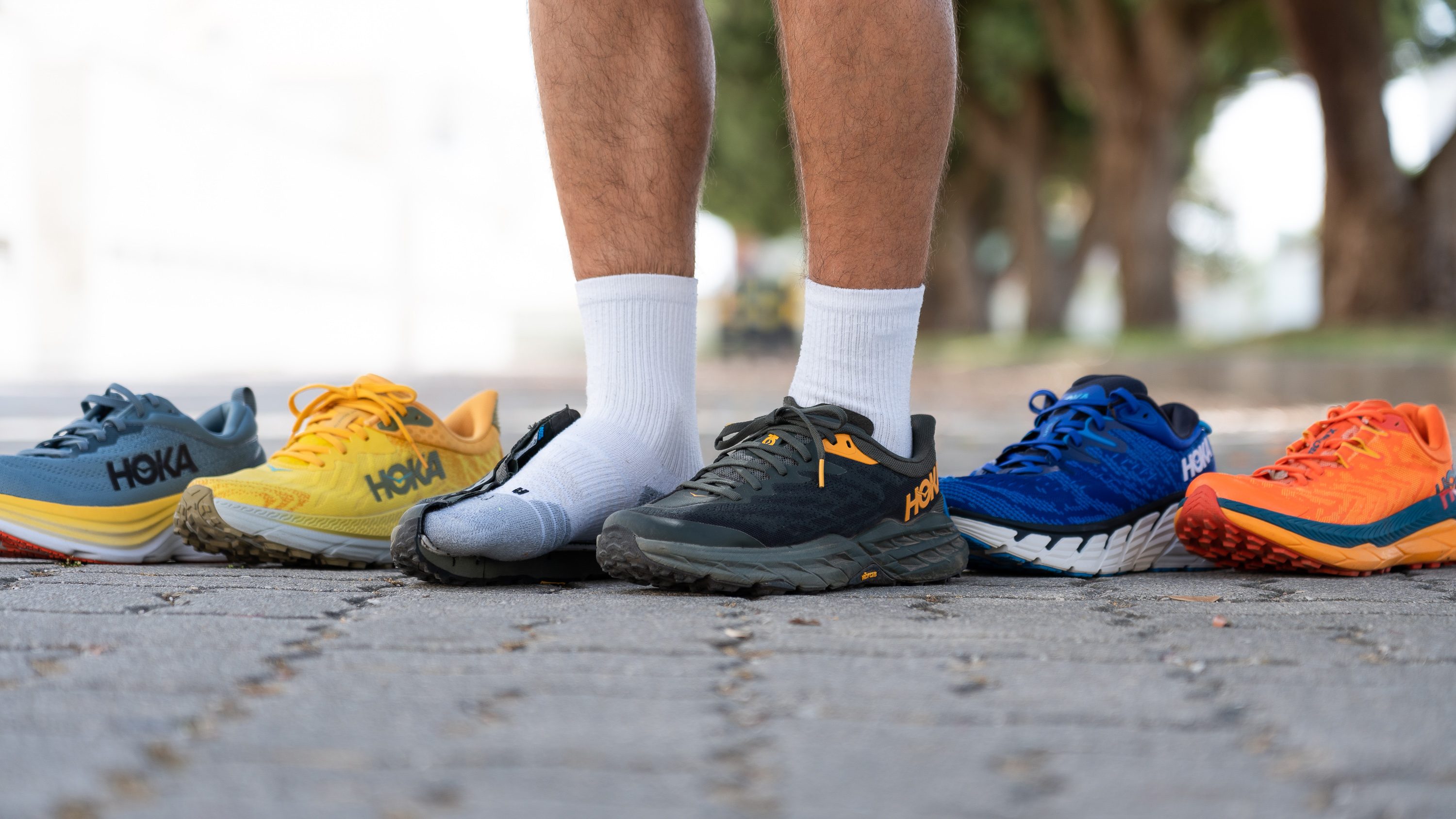
A high-quality walking shoe is an investment in your physical health. However, even the best engineering has a finite lifespan. The cushioning materials in the midsole compress and lose their resiliency long before the outsole wears through. The common guideline, cited by sources from Runner’s World to the American Council on Exercise, is to replace shoes every 300-500 miles. For a daily walker, this could be every 6-9 months. Ignoring this leads to diminished shock absorption, transferring more stress to your joints. Examine your shoes for uneven wear patterns on the outsole, persistent creasing in the midsole, and a loss of the “bounce” you felt when new. When you can feel the ground more distinctly or the shoe no longer feels supportive, its duty is complete. Viewing replacement as a non-negotiable maintenance cost, much like changing the oil in your car, is the rational approach to sustained comfort and injury prevention.
:max_bytes(150000):strip_icc()/when-should-i-replace-my-walking-shoes-3436325-0801-7a1840d83573471092e0380f9e230ecc.jpg)
Making an Informed Choice: A Practical Pathway
Armed with knowledge, your purchasing journey should be strategic. First, prioritize fit above all. Shop in the afternoon when feet are naturally slightly swollen. Wear the socks you intend to pair with the shoes. There should be a thumb’s width of space between your longest toe and the end of the shoe. The widest part of your foot should align with the widest part of the shoe. Second, seek out professional fitting at specialty running or walking stores where staff are trained in gait analysis. Third, leverage technology and commerce. Many brands now offer detailed fit finders on their websites. Furthermore, the online marketplace is competitive. Sign up for brand newsletters for exclusive discounts, check price comparison tools like RunRepeat, and look for seasonal sales. A premium pair of Brooks Glycerin or ASICS Nimbus, often retailing around $150, can frequently be found for under $120 during promotional events. This intersection of professional knowledge and savvy shopping empowers you to acquire superior footwear without overspending.
The quest for the perfect walking shoe culminates in a simple, powerful realization: you should never have to think about your feet. The right pair becomes an extension of yourself, a silent partner in your daily narrative that provides unwavering support while complementing your personal aesthetic. It’s a fusion of science and style, of investment and intelligence. By choosing wisely, you’re not just buying shoes; you’re investing in the quality of your stride through life, ensuring every step is taken with confidence, comfort, and undeniable style.
