The Walking Shoe: Your Ultimate Guide to Comfort and Style
Forget the notion that comfort and style exist in separate worlds. The modern walking shoe has evolved into a sophisticated piece of footwear technology, engineered to cradle your foot through thousands of steps while making a deliberate statement about your approach to life. This isn’t about surrendering to frumpiness for the sake of your soles; it’s about embracing a category of shoe that empowers movement, supports wellness, and does so with considered design. Whether you’re navigating urban landscapes, exploring nature trails, or simply seeking relief from the punishing geometry of fashion-forward but foot-hostile alternatives, the right walking shoe is the foundational tool. It transforms walking from a mere necessity into a pleasurable, sustainable activity, impacting everything from your joint health to your daily mood. Let’s dismantle the old stereotypes and explore how the perfect pair merges biomechanical science with aesthetic intelligence.
The Anatomy of Comfort: Beyond Simple Cushioning
When we speak of comfort in a walking shoe, we’re referring to a complex symphony of components working in harmony. It begins with the midsole, the heart of the shoe. This isn’t just foam; it’s a carefully formulated compound, often utilizing EVA (Ethylene-Vinyl Acetate) or polyurethane, designed for a specific balance of cushioning and resilience. As noted in podiatric literature from institutions like the University of Pittsburgh School of Medicine, the primary role of the midsole is to attenuate shock—the ground reaction forces that travel up your skeleton with each step. However, superior cushioning alone is insufficient. The critical companion is stability. Overpronation, the inward rolling of the foot after heel strike, is a common gait pattern that, if unmanaged, can lead to a cascade of issues from plantar fasciitis to knee pain. A quality walking shoe incorporates features like medial posts (denser foam on the inner side), dual-density midsoles, or structured heel counters to guide the foot into a more neutral path. The rocker sole, a design where the toe springs upward, is another scientific innovation. It facilitates the natural heel-to-toe rolling motion, reducing strain on the Achilles tendon and calf muscles, a feature extensively documented in studies on diabetic footcare and rehabilitation. The upper, too, contributes to comfort through engineered meshes that offer strategic breathability and flexible support, adapting to the foot’s shape without constriction. Therefore, selecting a walking shoe is an exercise in understanding your own biomechanics; it’s about finding the precise intersection of cushioning, stability, and gait facilitation that your unique stride demands.
Material Science and Foot Ecology
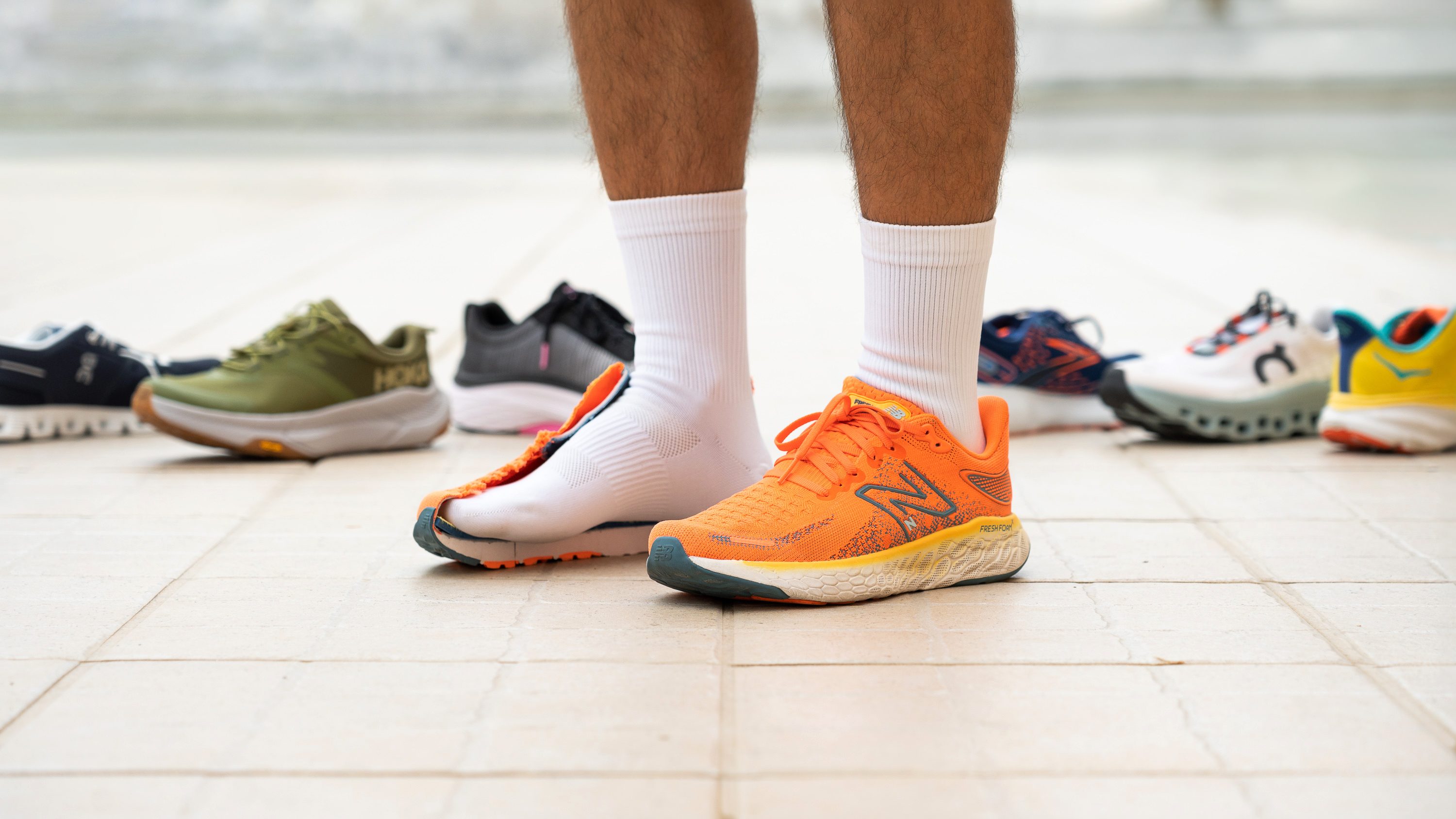
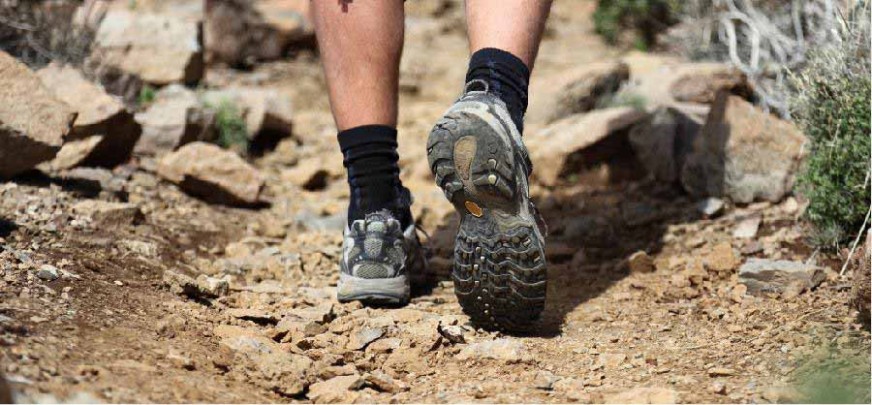
The constituents of a modern walking shoe read like a manifesto of material innovation. Gone are the days of stiff, non-breathable leather uppers as the only option. Today, we see advanced knit textiles that provide a sock-like, adaptive fit, and microfiber synthetics that offer durability without weight. The insole, or sockliner, is often a removable orthotic-friendly platform, sometimes infused with antimicrobial treatments to manage moisture and odor—a nod to foot ecology. Dr. James Hanna, a prominent podiatrist featured in health forums, often emphasizes, “The environment inside your shoe is a microbiome. Managing moisture and temperature is as crucial for long-term foot health as managing impact.” This scientific perspective pushes brands to utilize moisture-wicking linings and bamboo charcoal fibers. Furthermore, the outsole’s rubber compound is meticulously engineered. Carbon rubber is used in high-wear areas like the heel for durability, while blown rubber or lighter compounds in the forefoot enhance flexibility. The tread pattern isn’t merely decorative; it’s designed for specific terrains, channeling water away on wet pavement or providing multi-directional grip on varied surfaces. This holistic approach to materials ensures that the shoe is not a passive container but an active participant in creating a healthy, comfortable environment for the foot throughout the day.
Style Reconstructed: The Aesthetic Evolution of Performance Footwear
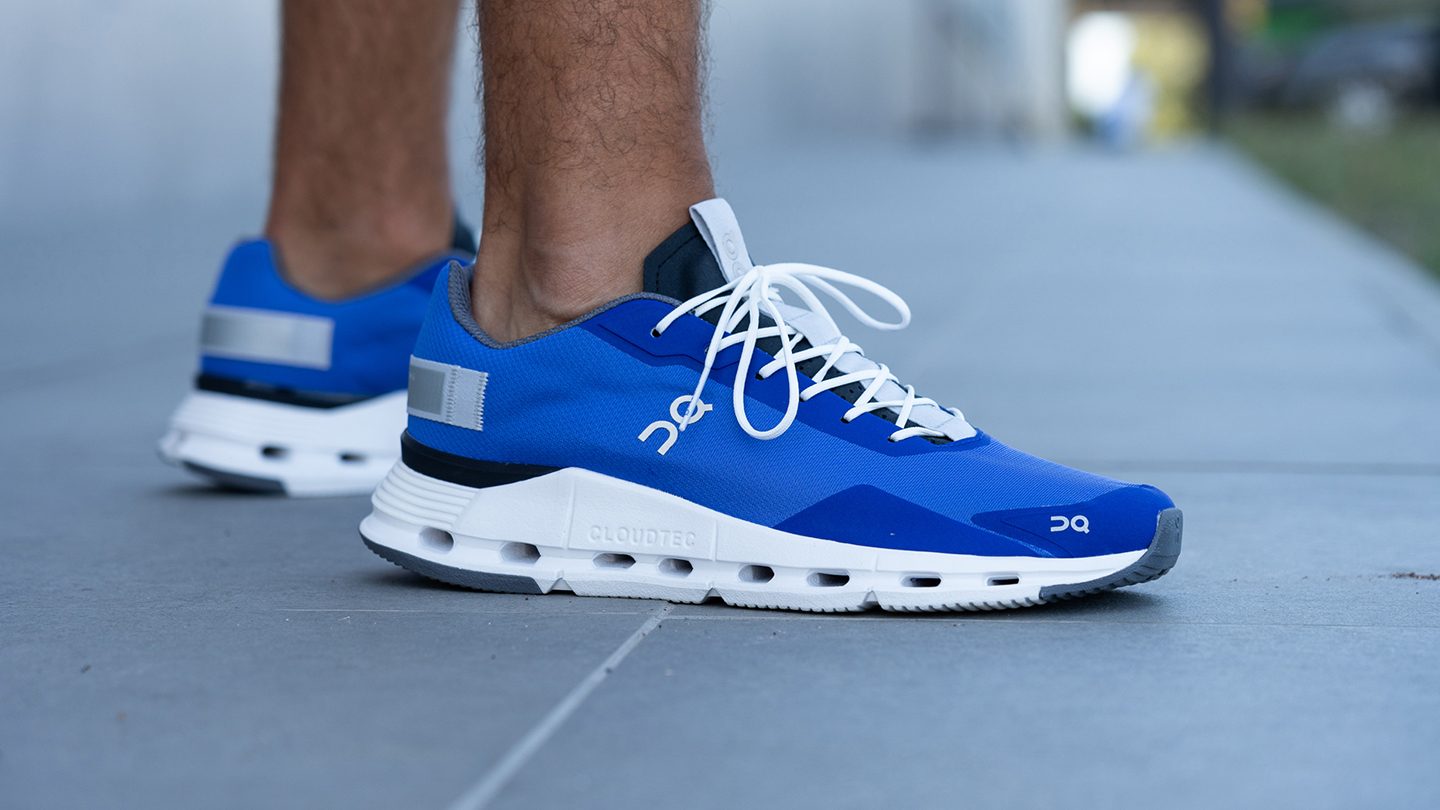
The aesthetic dismissal of comfortable shoes is an antiquated viewpoint, thoroughly dismantled by recent trends. The rise of “athleisure” and the normalization of performance wear in everyday contexts have blurred the lines irrevocably. Iconic brands like Hoka and On Running have built their identities on distinctive, chunky silhouettes that are as much a fashion statement as they are a feat of engineering. These designs have been embraced not just on trails but on fashion week streets and in creative studios, championed by influencers and celebrities alike. The visual language of the contemporary walking shoe often involves bold color-blocking, reflective details, and sculptural midsole geometries that celebrate, rather than hide, their technical purpose. As fashion critic and author Tim Blanks noted in a Business of Fashion article, “The technical shoe’s aesthetic is one of honest utility. Its beauty lies in its declared function, a principle that has resonated deeply with a generation valuing authenticity and capability.” This means you can find walking shoes in minimalist white leather for a clean, architectural look, in vibrant mesh and suede combinations for an energetic vibe, or in sleek, monochromatic designs that pair effortlessly with both jeans and technical trousers. The key is intentionality: choosing a shoe whose design language aligns with your personal style, proving that supporting your feet does not require sacrificing your visual identity.

The Psychology of Confidence in What You Wear
There is an undeniable psychological component to footwear. The act of lacing up a pair of shoes that you find genuinely attractive, that feel like an extension of your personal brand, instills a different kind of confidence than begrudgingly wearing something you deem merely “practical.” This isn’t superficiality; it’s human-centered design impacting self-perception. When your shoes are comfortable, you stand taller, walk more freely, and engage with your environment more actively. When they are also stylish, they become a point of positive self-awareness, a small detail that completes an outfit and reinforces a sense of being put-together. This synergy between physical comfort and aesthetic satisfaction creates a feedback loop: you are more likely to choose walking over less active forms of transport, and you feel better doing it. The right walking shoe becomes an enabler of an active, engaged lifestyle, not a reminder of a compromise you had to make. It tells the world—and reminds you—that you value both well-being and expression.
Making the Informed Choice: A Buyer’s Framework
Navigating the vast market for walking shoes requires a strategic approach grounded in self-knowledge. First, conduct a simple gait analysis. Many specialty running stores offer this service, or you can perform a rudimentary version at home by examining the wear pattern on an old pair of shoes. Excessive wear on the inner side suggests overpronation, calling for a stability or motion control shoe. Even wear indicates a neutral gait, opening up the full range of cushioned and neutral options. Second, consider the “last”—the shape of the shoe’s foundation. Brands have different fits: some are narrow in the heel and wide in the forefoot (typical of brands like Altra for a ‘foot-shaped’ fit), while others are more uniform. Third, prioritize fit over size number. Your feet swell throughout the day, so shop in the afternoon or evening. There should be about a thumb’s width of space between your longest toe and the end of the shoe, and the widest part of your foot should align with the widest part of the shoe’s sole. Don’t be seduced by features alone; the shoe that works for a marathoner’s high-arched foot may be entirely wrong for someone with flat feet seeking all-day comfort. Your individual anatomy is the ultimate guide.
Investment Versus Expense: The Long-Term Value Proposition
It is a common fallacy to view a high-quality walking shoe as a mere expense. In reality, it is an investment in your long-term musculoskeletal health and daily quality of life. Consider the cost-per-wear calculation: a $150 pair of shoes worn nearly every day for a year (a typical lifespan for active use, as recommended by the American Podiatric Medical Association) costs about $0.41 per day. Compare this to the potential financial and personal cost of treating foot, knee, or back pain stemming from inadequate support. Furthermore, the market now offers exceptional value. Direct-to-consumer brands and frequent sales from major retailers make top-tier technology accessible. For instance, previous season’s models, which often have nearly identical core technology to the latest releases, can frequently be found at discounts of 30-50%. This democratization of performance means that obtaining a scientifically advanced, durable, and stylish walking shoe does not require a prohibitive outlay. The savvy shopper researches, identifies the key technologies they need, and shops strategically, turning a potential luxury into a smart, accessible foundation for health.
The Walking Shoe as a Lifestyle Catalyst
Ultimately, the perfect walking shoe transcends its physical form. It becomes a catalyst for a more mindful, active, and vibrant lifestyle. It is the tool that makes a 10,000-step goal feel enjoyable rather than arduous, that encourages you to take the scenic route, to explore your city on foot, or to add a post-dinner stroll to your routine. The physical benefits—improved cardiovascular health, stronger bones, better joint mobility, and weight management—are well-documented by organizations like the Mayo Clinic. However, the mental and experiential benefits are equally profound. Walking in comfort allows you to be present in your surroundings, to reduce stress, and to engage in what the Japanese call “forest bathing” or simply find moments of calm in a busy day. The right shoe removes the barrier of discomfort, unlocking these benefits. It is a humble piece of gear with an outsized impact, proving that the foundation of a good journey, whether across a city or through life, truly begins from the ground up. Choose wisely, and let every step be a testament to the seamless fusion of care for your body and expression of your style.