

The Walking Shoe: Your Secret Weapon for Effortless Everyday Style
Forget the relentless pursuit of fleeting fashion trends that sacrifice comfort at the altar of appearance. The true revolution in personal style isn’t found on the precarious heels of a runway model or in the stiff leather of a status-symbol loafer. It’s laced up, cushioned, and waiting for you at the foundation of your wardrobe. The unassuming walking shoe has evolved from a purely functional piece of athletic gear into the most versatile, powerful, and indeed, stylish secret weapon for crafting an effortless, confident, and sustainable everyday aesthetic. This isn’t about surrendering style for comfort; it’s about recognizing that in the modern world, where our days are a marathon of commutes, errands, and social engagements, true style is the intelligent fusion of both. The right pair doesn’t just carry you through your day; it redefines how you move through the world, blending biomechanical science with design philosophy to become the cornerstone of a pragmatic yet polished life.
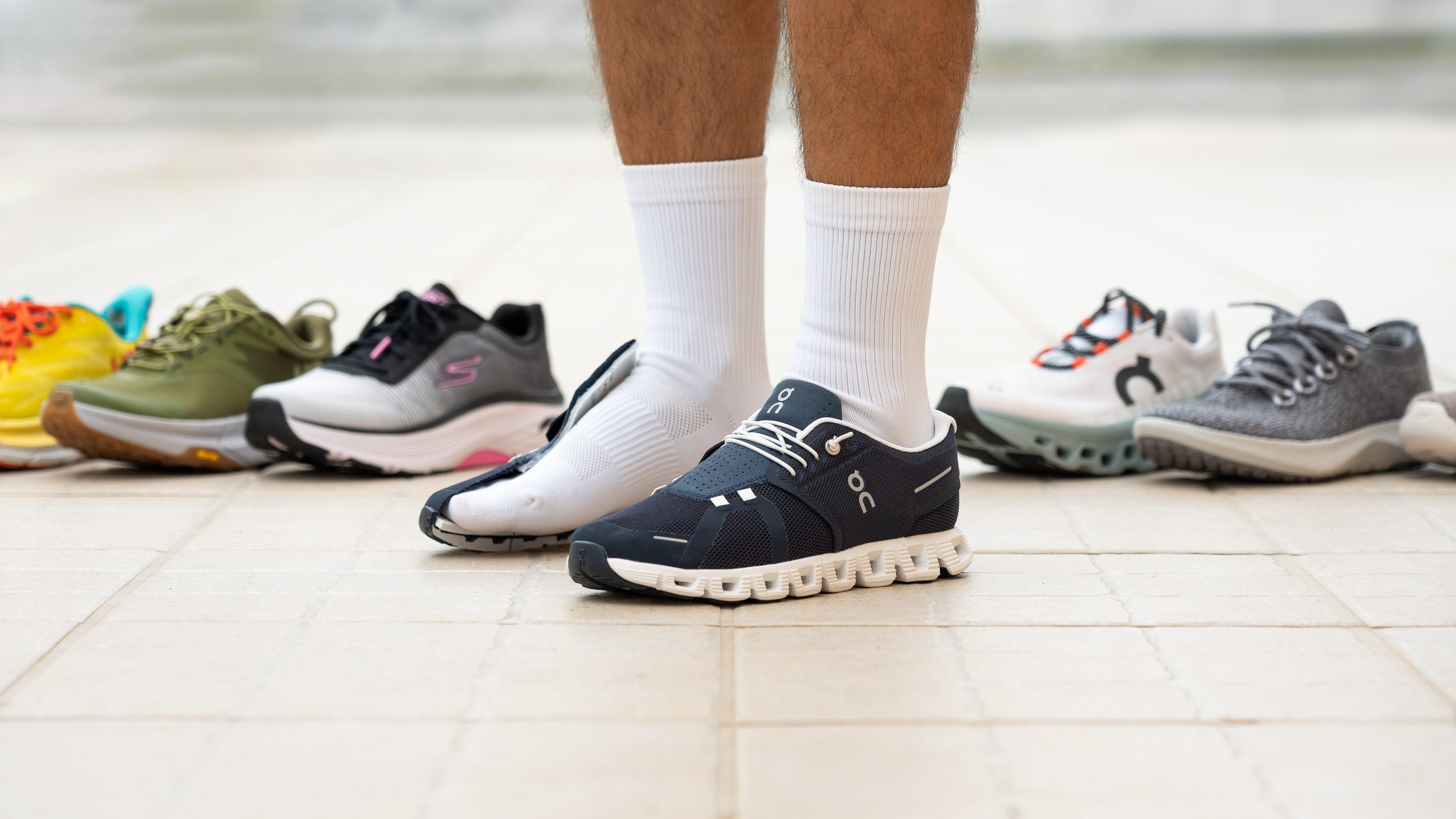
The Anatomy of Effortless: Deconstructing the Walking Shoe
To understand why a dedicated walking shoe is non-negotiable, we must move beyond superficial looks and delve into its engineered core. Walking is a unique gait cycle involving heel strike, foot flattening (midstance), and toe-off. According to biomechanics literature from institutions like the University of Calgary’s Human Performance Laboratory, shoes designed for this specific motion prioritize features distinct from running shoes. The key lies in the heel-to-toe drop, cushioning placement, and flexibility. A typical walking shoe has a moderate drop (6-10mm) to facilitate a smooth heel-to-toe transition, whereas running shoes may vary widely for different strike patterns. The cushioning is often more focused on the heel and forefoot to absorb the repeated, consistent impact of walking strides. Furthermore, flexibility at the ball of the foot is paramount to allow for a natural push-off. As Dr. Casey Kerrigan, a former Harvard Medical School researcher and founder of a biomechanics-focused footwear company, has often stated in interviews, “Shoes should complement the foot’s natural function, not constrain it.” A proper walking shoe does exactly that: it provides structured support, particularly in the arch and heel counter to prevent overpronation or supination, while allowing the foot’s intricate mechanics to work as nature intended. This scientific foundation is what translates into that subjective feeling of “walking on clouds” and the objective reality of reduced fatigue, fewer aches, and long-term joint health.
From Gym to Street: The Aesthetic Evolution
The seismic shift in perception began when high-fashion and streetwear collided with performance wear. The “athleisure” trend, often credited to brands like Lululemon and popularized by celebrities from Beyoncé to David Beckham in their off-duty looks, dismantled the old boundaries. It proposed that clothing designed for performance could also be the epitome of cool. The walking shoe rode this wave, but with a crucial distinction: its design is often more subdued, sleek, and versatile than the overtly technical look of some running shoes. Brands like Allbirds, Cole Haan (with its Grand series), and even luxury houses have entered the space, offering options in premium materials like merino wool, suede, and recycled fabrics. The aesthetic argument is compelling. A minimalist white leather walking sneaker pairs seamlessly with tailored trousers and a blazer, creating a look that is both sharp and intelligently comfortable. A sleek, monochromatic mesh and knit model can complement a midi dress or wide-leg jeans with equal ease. This versatility answers the central dilemma of modern dressing: how to be prepared for a day of unpredictable demands without carrying a suitcase. The walking shoe is the solution, offering a single, style-coherent foundation from the morning school run to an afternoon of meetings and an evening dinner.
The Philosophy of Pragmatic Style
Choosing a walking shoe as a style staple is a deeply pragmatic, almost philosophical stance on contemporary life. It aligns with the concept of “essentialism” popularized by author Greg McKeown—the disciplined pursuit of less but better. In a wardrobe context, it means investing in fewer, higher-quality items that serve multiple purposes flawlessly. A well-chosen walking shoe is a workhorse of utility and style. Furthermore, it reflects a growing consciousness about well-being. As wellness guru and author Deepak Chopra has frequently discussed on platforms like YouTube, well-being is holistic; it encompasses physical comfort, mental ease, and environmental harmony. A shoe that cares for your body aligns with this ethos. It’s also a rejection of unnecessary suffering in the name of fashion—a concept famously critiqued by characters in shows like “Sex and the City,” where the love for Manolo Blahniks was both celebrated and shown as a source of literal pain. The modern individual chooses not to endure that pain, finding empowerment in comfort. This isn’t a compromise; it’s an upgrade. It signals confidence, self-awareness, and control. You are dressing for your own reality, not an abstract, outdated fashion ideal.
“Style is a way to say who you are without having to speak. And today, who we are is busy, smart, and values our own comfort. The right shoe lets your stride do the talking.” — A sentiment echoed by numerous fashion commentators on platforms like Quora and in editorials from Vogue to GQ, highlighting the shift towards intelligent fashion choices.
Investment in Longevity: Cost-Per-Wear and Professional Insight
Let’s address the practical matter of price. A high-quality pair of walking shoes from reputable brands like Brooks, HOKA, ASICS, or New Balance may carry a higher initial price tag, often ranging from $120 to $160. However, this is where the principle of cost-per-wear becomes your financial ally. A cheap, poorly constructed pair may last a few months before losing support or falling apart, requiring frequent replacement. A professionally engineered walking shoe, built with durable materials and advanced midsole compounds like Brooks’ DNA LOFT or ASICS’ GEL technology, is designed for 300-500 miles of use. Worn daily, that translates to well over a year of service. When you divide the cost by the number of days, the investment becomes negligible, especially when weighed against the value of pain-free feet and potential savings on chiropractor or physiotherapist visits. Bringing professional knowledge to this purchase is key. Podiatrists consistently recommend shoes with adequate arch support, a roomy toe box, and stable heel counters for overall foot health. By heeding this advice, you’re not just buying a shoe; you’re investing in a tool for sustained mobility. And for the savvy shopper, this investment can be optimized. Signing up for brand newsletters, shopping during seasonal sales (like end-of-financial-year or Black Friday), and checking reputable online retailers for discounted previous models can often secure these technological marvels at 20-30% off, making premium comfort and style remarkably accessible.
:max_bytes(150000):strip_icc()/vwt-asics-womens-gel-pulse-16-jinfeng-chen-21-712f0f140e834b84b3a8dcf0bf154771.jpeg)
Your Actionable Guide to the Perfect Pair
Knowing why is only half the battle; knowing how to choose is the other. First, prioritize fit above all else. Shop in the afternoon when your feet are naturally slightly swollen. Ensure a thumb’s width of space between your longest toe and the end of the shoe. The width should be snug but not constricting, with no pinching or sliding at the heel. Second, match the shoe to your gait. Many specialty running stores offer free gait analysis. Understanding if you overpronate (foot rolls inward) or supinate (foot rolls outward) will guide you toward shoes with the appropriate stability features. Third, consider your primary environment. Are you mostly on pavement? Look for excellent shock absorption. Do you incorporate park trails? A model with a slightly more rugged outlay may be beneficial. Finally, don’t ignore aesthetics, but let function lead. The market is now flooded with options that satisfy both criteria. The perfect walking shoe is the one you forget you’re wearing—until you notice how much farther you’ve walked, how much better you feel, and how many compliments you receive on your effortlessly put-together look.
The journey toward effortless style isn’t about adding more complexity to your life or your closet. It’s about making a single, brilliant simplification. By embracing the engineered elegance of the modern walking shoe, you arm yourself with a tool that elevates your daily experience on a physical, aesthetic, and philosophical level. It is the quiet, confident foundation upon which a dynamic life is built. So, lace up a pair that speaks to your needs and your style. Feel the support, appreciate the design, and step out into your world. Your feet—and your future self—will thank you for choosing a secret weapon that truly delivers, step after comfortable, stylish step.

