

The Walking Shoe: Your Secret to Effortless Style and All-Day Comfort
In a world where fashion often demands sacrifice, the quest for footwear that marries uncompromising comfort with genuine style can feel like a mythical pursuit. We’ve all endured the blisters from sleek leather shoes or the aching arches after a day in unsupportive flats, silently wishing for a solution that doesn’t force us to choose between looking good and feeling good. That solution is not a compromise, but a revelation: the modern walking shoe. This is not about the bulky, purely technical sneakers of the past, but a new generation of footwear engineered with scientific precision and designed with aesthetic intelligence. The right pair of walking shoes is the foundational secret to a life lived in comfort and confidence, seamlessly transitioning from a morning commute to an afternoon of errands and an evening out, all while providing the biomechanical support your body fundamentally requires. This article will dismantle the outdated notion that comfort and style are mutually exclusive, revealing how the engineered principles within a superior walking shoe unlock a new paradigm of daily living.
The Anatomy of All-Day Comfort: More Than Just a Soft Sole
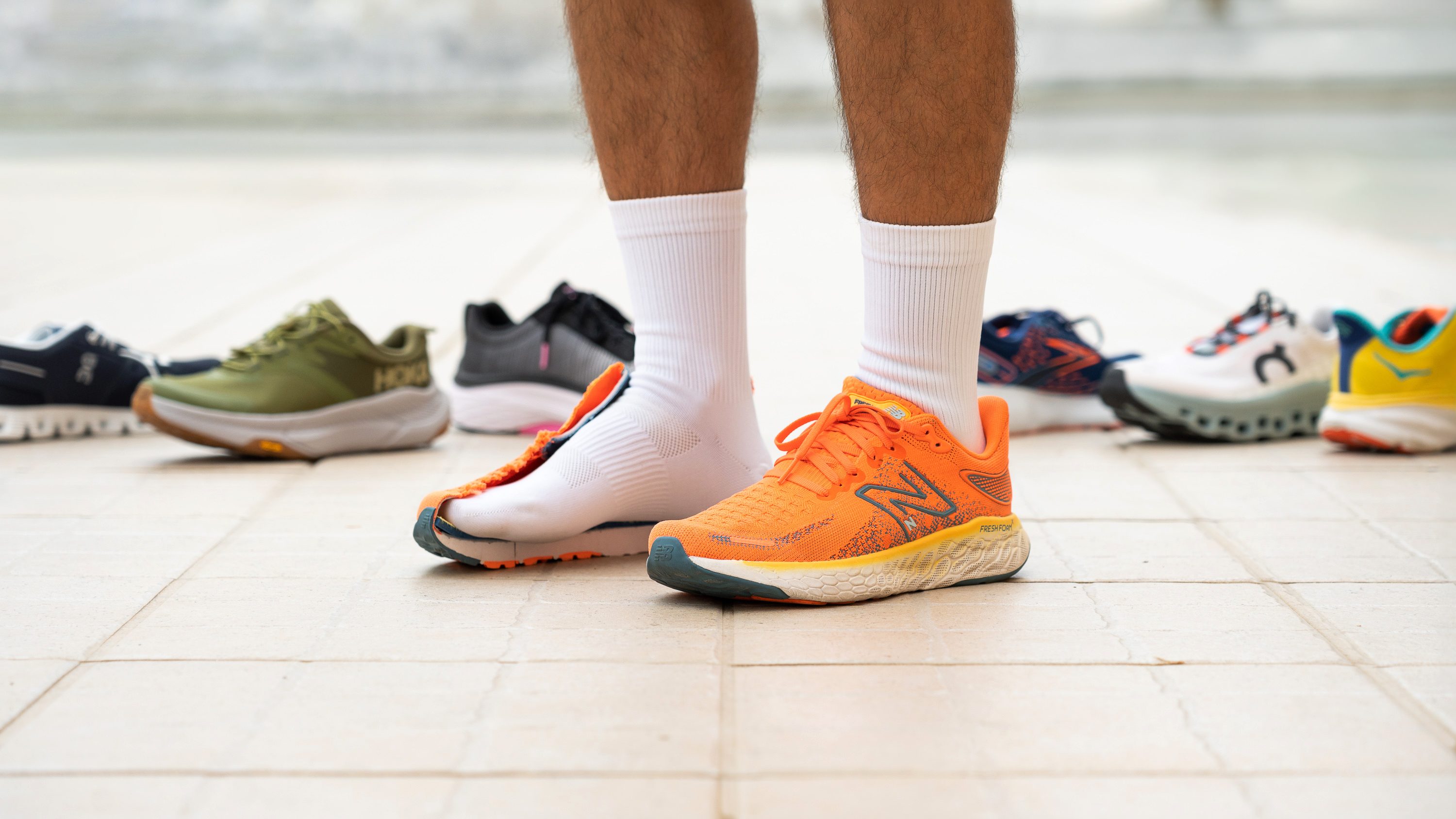
To understand the transformative power of a true walking shoe, we must first look beneath the surface. Comfort is not a vague feeling; it is a measurable outcome of specific engineering feats. The primary innovation lies in the midsole, typically crafted from advanced materials like ethylene-vinyl acetate (EVA) or polyurethane (PU). According to biomechanics research from institutions like the University of Calgary’s Human Performance Lab, the midsole’s job is to manage the ground reaction forces that travel up your body with each step—forces that can equal 1.5 times your body weight during walking. A high-quality midsole doesn’t just cushion; it attenuates these shockwaves, protecting your joints from the cumulative stress that can lead to knee, hip, and lower back pain. Furthermore, the concept of “arch support” is critical. The plantar fascia, a thick band of tissue running along the bottom of your foot, relies on proper arch containment to function without strain. A study published in the Journal of Foot and Ankle Research notes that inadequate arch support is a key contributor to plantar fasciitis, a common and debilitating condition. Therefore, a well-designed walking shoe incorporates a firm yet contoured footbed or medial post that maintains the foot’s natural alignment from heel strike to toe-off, promoting a efficient, healthy gait cycle. This scientific approach to foot mechanics is what separates a genuine comfort tool from a merely soft shoe.
Biomechanics in Motion: The Gait Cycle Decoded
Every step you take is a complex orchestration of movement known as the gait cycle. A superior walking shoe is engineered to support each phase of this cycle. It begins with the initial contact, where the heel strikes the ground. Here, the shoe needs a beveled or rounded heel to promote a smooth transition and cushioning specifically in the rearfoot. As the foot moves into the midstance phase—bearing the full weight of the body—the shoe must provide stability to prevent excessive pronation (inward rolling) or supination (outward rolling). This is where the aforementioned arch support and a secure midfoot “cradle” become paramount. Finally, during the propulsive phase where you push off from your forefoot, the shoe requires flexibility at the ball of the foot. A rigid sole can cause strain on the plantar fascia and Achilles tendon. Renowned podiatrist Dr. Ray McClanahan, in his publications on natural foot health, emphasizes the importance of “toe spring” and forefoot flexibility for allowing the foot’s intrinsic muscles to work properly. A well-designed walking shoe facilitates this natural motion rather than restricting it. By aligning with your body’s innate mechanics, these shoes reduce muscular fatigue, conserve energy, and make walking—whether it’s a dedicated 10,000-step workout or a day of standing and moving—feel genuinely effortless. This isn’t anecdotal; it’s applied human physiology.
The Style Revolution: When Performance Meets Aesthetics
The historical chasm between “athletic” and “stylish” shoes has been decisively bridged. The driving force behind this revolution is a cultural shift, famously encapsulated by the “athleisure” trend. However, to dismiss modern walking shoes as merely a fashion trend is to miss the deeper design evolution. Brands are now leveraging the same technical insights discussed above and presenting them through a lens of contemporary design. We see this in the use of sophisticated monochromatic color palettes, sleek knitted uppers that offer a sock-like fit and a streamlined silhouette, and the incorporation of premium materials like suede and leather accents. The chunky, “dad shoe” aesthetic, popularized by brands like Hoka and Balenciaga, ironically celebrated the technical look of performance footwear, making its comfort-first ethos not just acceptable but desirable. As fashion critic Vanessa Friedman of The New York Times has observed, “The hierarchy between what is considered dressy and what is considered casual has completely collapsed.” This means you can find walking shoes with robust cushioning systems and stability features that look perfectly at home with tailored trousers, a chic dress, or casual jeans. The goal is no longer to hide your comfortable shoes, but to let their intelligent design be a visible part of your personal style.
Material Innovation: Where Technology Weaves Style
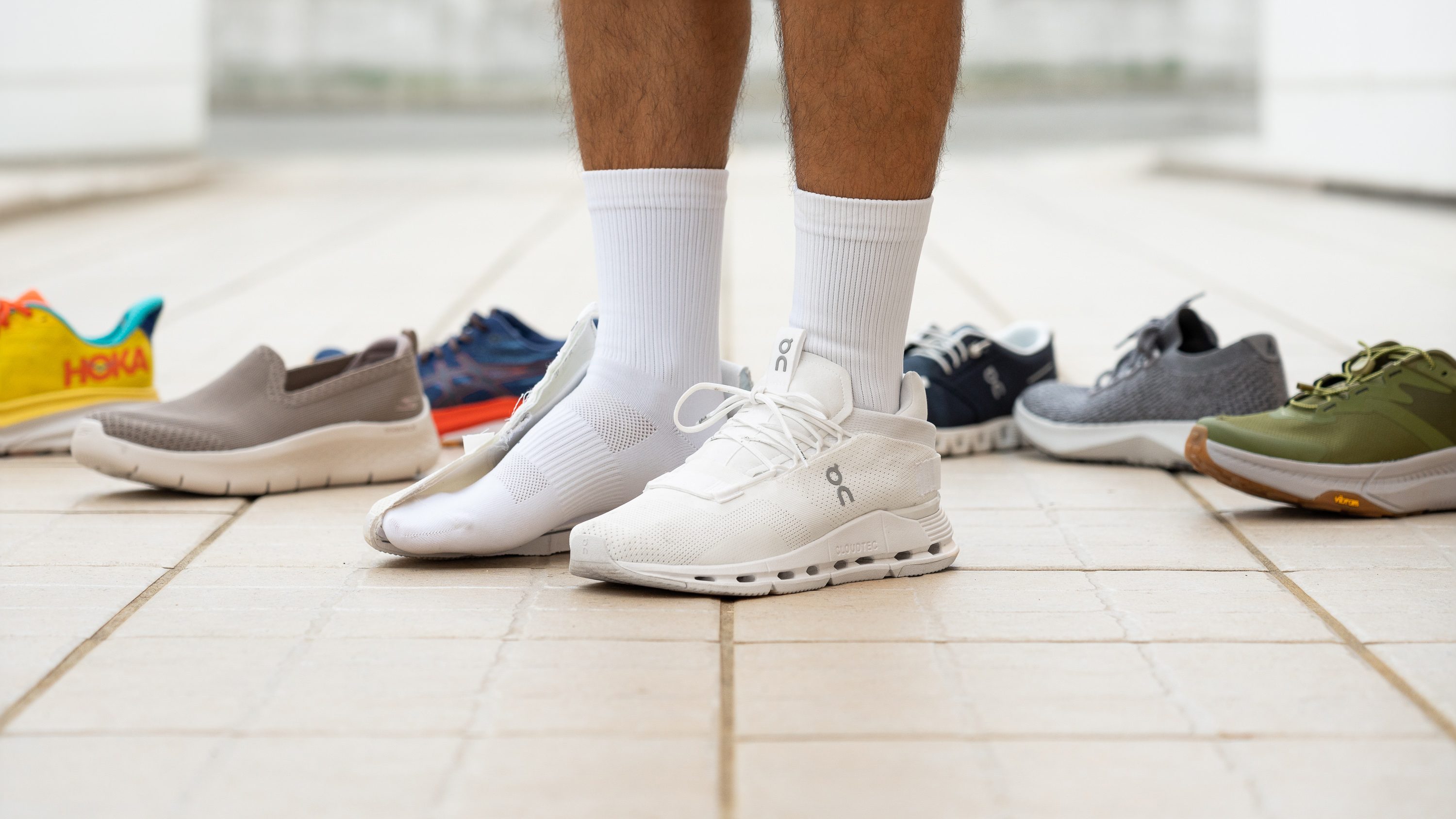
The exterior of the modern walking shoe is a testament to material science. The once-ubiquitous bulky leather panel has been replaced by engineered meshes and adaptive knit uppers. These materials serve a dual purpose. Technically, they provide targeted breathability, reducing heat and moisture buildup, and offer a dynamic, flexible fit that moves with your foot without pressure points. Aesthetically, they create a modern, minimalist profile. Furthermore, advancements in sole unit construction allow for complex, multi-density geometries that provide stability and cushioning while also creating visually striking silhouettes. The visible air units, gel capsules, or distinctive wave plates of brands like Nike, ASICS, and Mizuno are not just marketing; they are functional components that have become design signatures. This honest expression of technology aligns with a broader design philosophy championed by figures like Dieter Rams, whose principle of “honesty” states that a product should not pretend to be something it is not. The modern walking shoe honestly displays its purpose: it is a tool for enhanced movement, and its form is a direct, stylish expression of that function.
The Investment in Well-being: Beyond the Price Tag
Viewing a premium walking shoe as a mere purchase is a fundamental error; it is an investment in your long-term physical well-being and daily quality of life. Consider the alternative: the cumulative cost of foot pain, joint discomfort, and low-grade fatigue. As the American Podiatric Medical Association consistently highlights, improper footwear is a leading contributor to a host of foot disorders. The financial and personal cost of treating conditions like metatarsalgia, tendonitis, or chronic lower back pain far outweighs the initial outlay for a properly engineered pair of shoes. Think of it as preventive healthcare for your musculoskeletal system. Furthermore, the right shoe empowers activity. When your feet are happy, you’re more likely to choose the stairs, extend your walk, or simply feel energized at the end of a long day. This positive feedback loop contributes to better cardiovascular health, weight management, and mental well-being. The value proposition is clear. While the upfront cost for top-tier brands like Brooks, Saucony, or New Balance may range from $120 to $160, the return on investment is measured in pain-free steps, preserved joint health, and the invaluable feeling of vitality. It is an investment that pays dividends with every single step you take.
:max_bytes(150000):strip_icc()/when-should-i-replace-my-walking-shoes-3436325-0801-7a1840d83573471092e0380f9e230ecc.jpg)
Expert Voices: Why Professionals Insist on Proper Footwear
The emphasis on specialized walking shoes is not a marketing fabrication but a consensus among health and fitness professionals. Celebrity trainer Harley Pasternak, who works with Hollywood’s most active stars, frequently emphasizes footwear in his 5-Factor philosophy, stating on his social media platforms: “You wouldn’t use a butter knife to chop vegetables. Don’t use running shoes for long walks or everyday wear. The biomechanics are different. A proper walking shoe provides the specific stability and roll-through you need for the striding motion.” Similarly, on platforms like Quora and specialized running forums, seasoned physiotherapists routinely trace clients’ overuse injuries back to worn-out or inappropriate footwear. The common guideline is to replace walking shoes every 300-500 miles, as the midsole materials lose their resiliency long before the outsole shows visible wear. This expert chorus underscores a simple truth: your feet are the foundation of your movement system. Compromising on their support compromises everything built upon it.
Making the Right Choice: A Guide to Your Perfect Pair
Knowing you need a great walking shoe is the first step; selecting the right one is the crucial second. This process should be guided by your unique biomechanics and lifestyle. First, understand your foot type and gait. A simple “wet test” (looking at the shape of your wet footprint on paper) can indicate if you have low, normal, or high arches, which correlates to your pronation tendency. Many specialty running stores offer gait analysis, which is invaluable. Second, prioritize fit over size. Your ideal walking shoe should have about a thumbnail’s width of space between your longest toe and the end of the shoe, with a secure but not tight hold around the midfoot and heel. It should feel supportive and comfortable from the very first try-on, with no “break-in” period required—a myth that often leads to blisters. Third, match the shoe to your primary activity. Are you mostly on paved surfaces, or do you enjoy park trails? For mixed surfaces, a hybrid walking shoe with a slightly more rugged outsole may be ideal. Finally, don’t be swayed by trends alone. Let the technical features that support your body be the primary driver, and then select from the many stylish options that now embody those features.
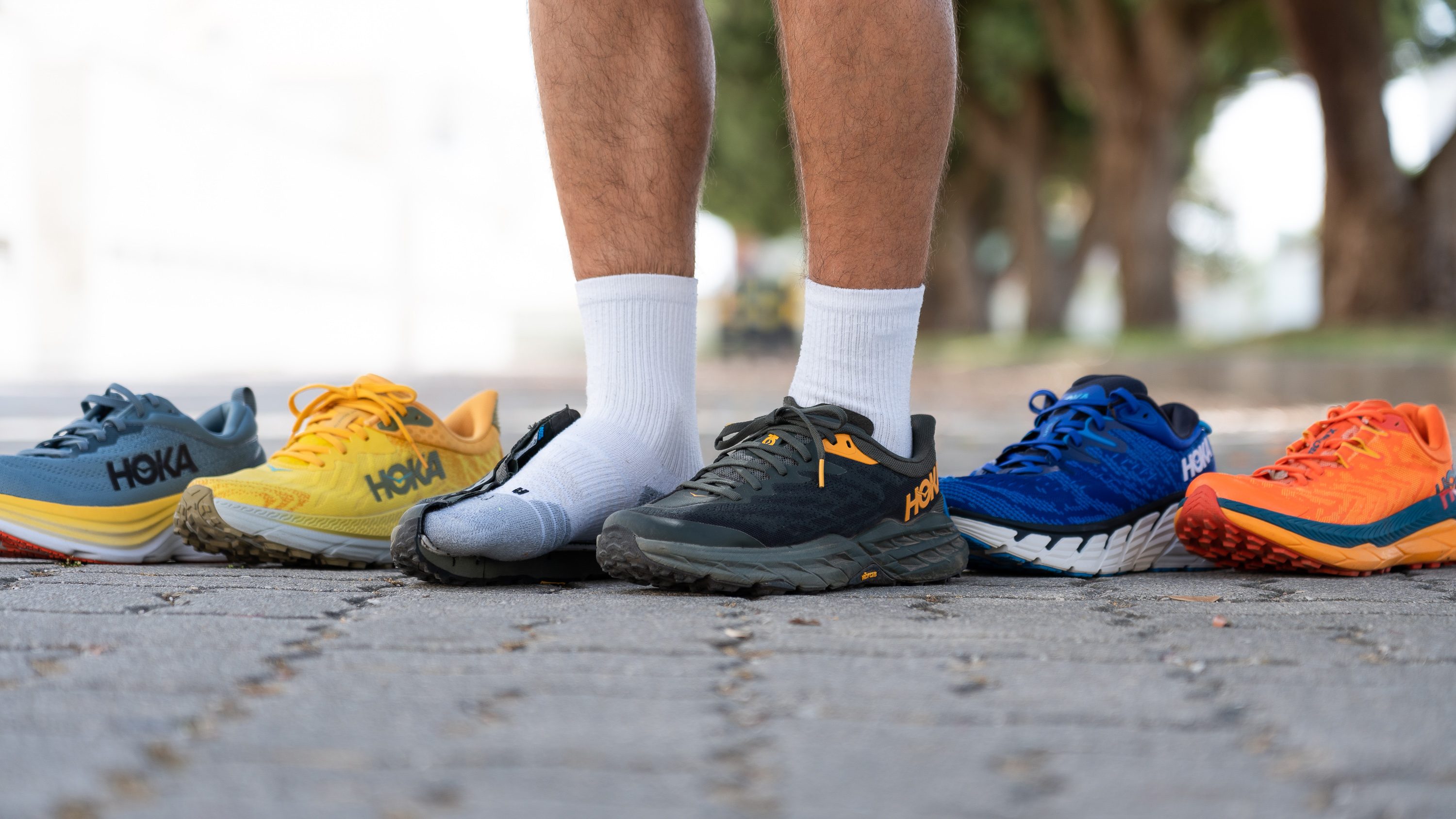
The journey toward effortless style and unwavering comfort begins from the ground up. The modern walking shoe represents the synthesis of decades of biomechanical research and a bold reimagining of casual design. It is a tool that respects the intricate engineering of the human body while acknowledging our desire to move through the world with confidence and ease. By choosing a shoe that actively supports your gait, protects your joints, and complements your personal aesthetic, you are not just buying footwear; you are adopting a philosophy of integrated well-being. You are unlocking the secret to moving through your days not with endurance, but with genuine pleasure. Let your next step be your most comfortable, and most stylish, yet.
