

The Walking Shoe: Your Secret to Effortless Style and All-Day Comfort
Forget the notion that comfort and style exist in separate realms. The modern walking shoe has evolved into a sophisticated hybrid, a piece of footwear engineered not just for movement but for living. It is the unsung hero of the urban landscape, the foundation upon which a confident, pain-free, and stylish day is built. This isn’t about bulky, purely functional sneakers relegated to the gym bag; it’s about a category of shoe designed with biomechanical intelligence, crafted from advanced materials, and styled with an aesthetic that transitions seamlessly from a morning commute to an evening out. The right pair doesn’t just carry you; it elevates your entire experience.
The Anatomy of All-Day Comfort: More Than Just Cushioning
When we speak of comfort in a walking shoe, it’s a complex symphony of engineering, not a single note of softness. True comfort is dynamic, providing support through the entire gait cycle—heel strike, midfoot roll, and toe-off. Let’s dissect the science. The midsole, often made from proprietary compounds like EVA (ethylene-vinyl acetate) or polyurethane, is the primary shock absorber. However, as noted in biomechanics literature from institutions like the University of Calgary’s Human Performance Lab, cushioning alone is insufficient without stability. Over-pronation, the inward rolling of the foot, is a common issue that can lead to a cascade of problems from plantar fasciitis to knee pain. A quality walking shoe incorporates medial posts or dual-density midsoles to gently guide the foot into a neutral position. Then there’s the matter of the heel counter, the firm cup at the back of the shoe. A study published in the Journal of Foot and Ankle Research emphasizes its critical role in locking the heel in place, preventing slippage that causes blisters and ensuring efficient energy transfer with each step. The upper, increasingly crafted from engineered meshes and knit materials, provides a breathable, adaptive fit that accommodates the natural swelling feet experience throughout the day. This holistic approach to design transforms walking from a potentially taxing activity into a sustained pleasure.

From Pavement to Party: The Style Revolution
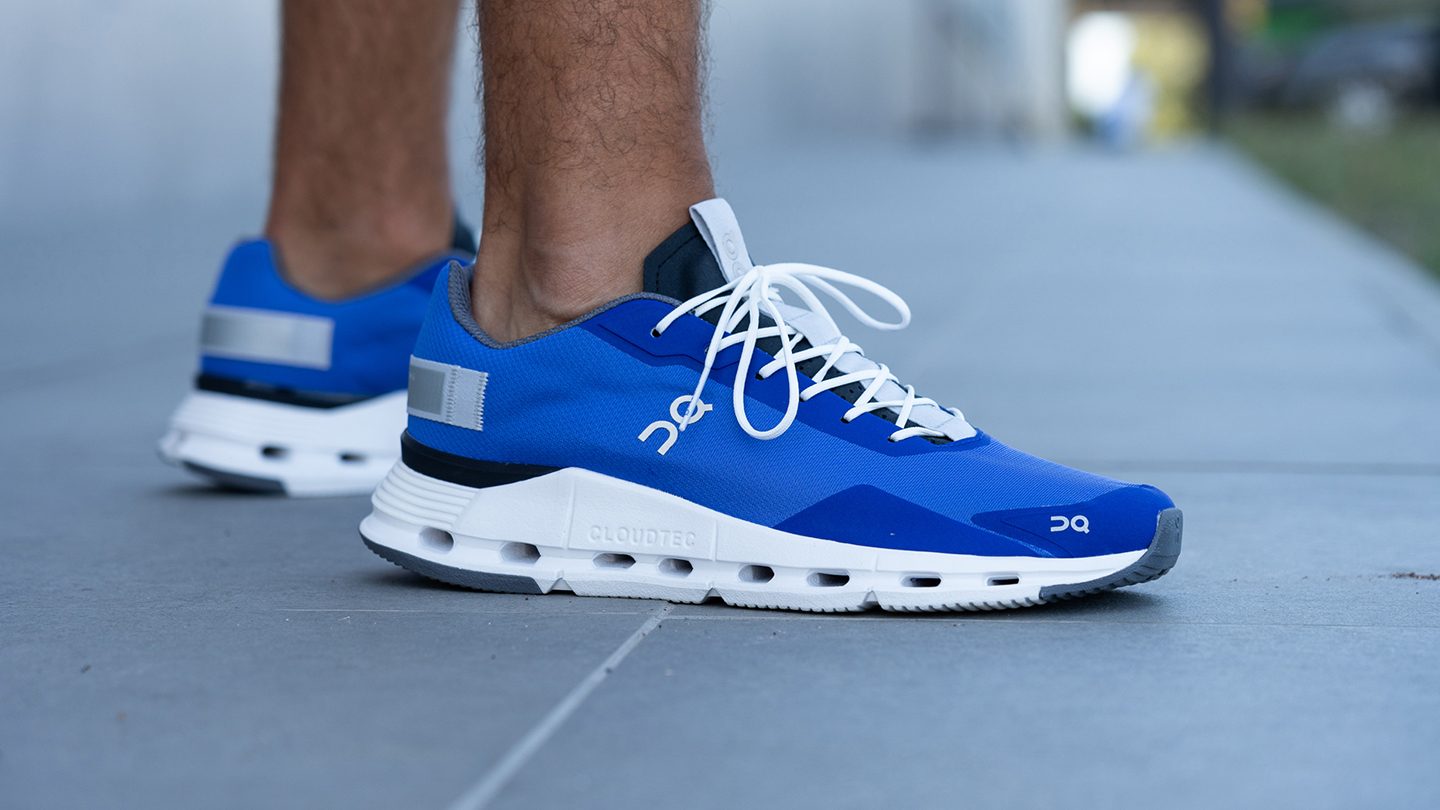
The historical divide between “athletic” and “fashion” footwear has irrevocably blurred. This shift is a cultural phenomenon, championed by style icons and validated by mainstream fashion. Recall the words of the late, legendary designer Virgil Abloh, who famously stated, “The idea of the sneaker as a symbol of luxury is the biggest shift in the last decade.” This ethos has trickled down to the very category of the walking shoe. Brands are no longer hiding their technical prowess; they’re celebrating it with sleek silhouettes, minimalist color palettes, and premium material finishes. A modern walking shoe might feature a seamless knit upper in a neutral taupe, sitting atop a geometrically sculpted, yet subtly colored, sole unit. This design language allows it to pair effortlessly with tailored trousers, a midi skirt, or dark denim. The aesthetic is one of considered intelligence. It communicates that the wearer values both self-care and self-expression. You are not choosing between looking good and feeling good; the contemporary walking shoe is the instrument that delivers both simultaneously, proving that practicality can be profoundly chic.
Your Body’s Best Investment: The Long-Term Health Dividend
Viewing a premium walking shoe as an expense is a fundamental miscalculation; it is an investment in your long-term musculoskeletal health. The human foot is a complex structure of 26 bones, 33 joints, and over 100 muscles, tendons, and ligaments. It is the foundation of your entire kinetic chain. Compromising on its support has repercussions that echo upwards. As renowned physiotherapist and author Katy Bowman argues in her book Move Your DNA, “Our shoes are the smallest environment we live in, and they have a profound effect on how our bodies adapt.” Inadequate shoes can contribute to collapsed arches, exacerbate bunions, and lead to compensatory patterns that strain ankles, knees, hips, and even the lower back. Conversely, a properly fitted, biomechanically sound walking shoe acts as a supportive partner. It mitigates the repetitive impact of concrete, provides the stability needed for uneven surfaces, and allows the foot’s intrinsic muscles to function healthily. The return on this investment is measured in miles of pain-free travel, preserved joint integrity, and the sustained energy that comes from moving efficiently. It is preventative healthcare you wear every single day.
Navigating the Market: A Guide to Informed Selection
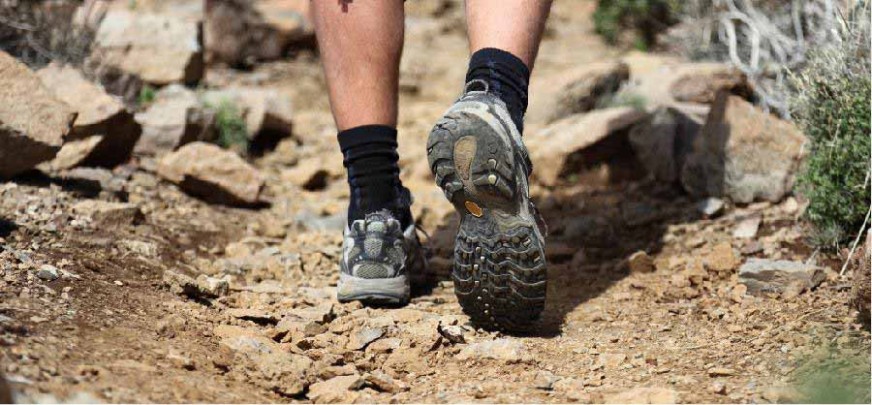
With a dizzying array of options, selecting your ideal pair requires a strategy beyond color preference. First, know your foot type. The simple “wet test”—observing the shape of your footprint on a dry surface—can reveal if you have high, neutral, or low arches, guiding you toward cushioning or stability-focused models. Second, consider your primary terrain. Are you mostly on city sidewalks, park trails, or indoor tracks? Outsoles with deeper, multi-directional lugs are suited for light trails, while flatter, more durable rubber compounds are ideal for pavement. Third, prioritize fit above all. Your shoe should have a thumb’s width of space in the toe box, a secure but not tight midfoot hold, and absolutely no heel slippage. It’s advisable to shop later in the day when feet are naturally more swollen. Remember, the most advanced technology is worthless if the shoe doesn’t fit your unique foot geometry. This is where seeking professional fitting at a specialty running or walking store can be invaluable, bringing expert knowledge to your personal quest for the perfect walking shoe.
:max_bytes(150000):strip_icc()/vwt-asics-womens-gel-pulse-16-jinfeng-chen-21-712f0f140e834b84b3a8dcf0bf154771.jpeg)
The Expert Consensus: Why Professionals Agree
This isn’t mere marketing hype. The emphasis on quality footwear is a consistent refrain across health and fitness professionals. On platforms like YouTube, certified podiatrists like Dr. Brad Schaeffer of “Foot & Ankle Center of New Jersey” routinely deconstruct shoe designs, highlighting features that benefit common ailments. On Quora and other Q&A platforms, seasoned marathoners and physical therapists alike stress that the single most important piece of gear for a walker or runner is their shoes. Literature from authoritative sources like the American Podiatric Medical Association (APMA) offers seals of approval to models that meet specific standards of safety and stability. This convergence of opinion from diverse, credible sources forms a powerful testament. It tells us that the value of a well-designed walking shoe is an objective truth in the worlds of medicine, athletics, and ergonomics, not a subjective fashion trend.
“We often treat our feet as an afterthought, yet they bear our entire weight for a lifetime. The right shoe is not an accessory; it’s a essential tool for maintaining mobility and preventing injury. It’s the interface between your body and the ground, and that interface should be one of support and harmony.” — Paraphrased consensus from podiatric medical literature and expert commentary.
Beyond the Purchase: Maximizing Value and Performance
Your relationship with your walking shoes begins at purchase but is maintained through care and awareness. Even the best-engineered shoes have a finite lifespan. The general consensus among experts, including guidelines from brands like Brooks and Asics featured on their official sites, is to replace walking shoes every 300 to 500 miles. The midsole foam compresses and loses its resilient properties long before the outsole wears through, meaning the support degrades invisibly. Rotating between two pairs can extend the life of each by allowing the foam to fully decompress between uses. Furthermore, the shoe designed for walking is optimized for just that—the heel-to-toe gait of walking. Using it for high-impact activities like running or court sports places different stresses on the structure and can shorten its effective life for its primary purpose. By understanding these nuances, you protect your investment and ensure you are always experiencing the peak performance and comfort the shoe was designed to deliver.
The pursuit of the perfect walking shoe is, ultimately, a pursuit of a better quality of daily life. It is the recognition that what stands between you and the world matters. It is a choice to reject the false compromise between aesthetics and well-being. By embracing the sophisticated design, scientific innovation, and versatile style of the modern walking shoe, you equip yourself not just for a journey from point A to point B, but for a journey through your days with greater ease, confidence, and vitality. Let your first step be an informed one.
