

The Ultimate Guide to Tennis Shoes for Walking
You might be wondering why anyone would consider tennis shoes for walking. Aren’t they designed for lateral cuts and court surfaces? The reality is more nuanced. This guide isn’t about repurposing in a pinch; it’s about understanding how the engineering principles behind a good tennis shoe can align perfectly with the biomechanics of dedicated walking. We will dissect the features, debunk myths, and provide a clear, evidence-based pathway to determining if a tennis shoe is the right foundation for your walking routine. Forget generic advice; we’re diving into the specifics of cushioning, outsole design, and support structures to give you the knowledge to make an informed choice that benefits your stride, your comfort, and your wallet.
The Biomechanical Overlap: Walking vs. Tennis Movement
At first glance, the dynamic, multi-directional sport of tennis seems worlds apart from the linear, repetitive motion of walking. However, a deeper look at biomechanics reveals a significant and often overlooked overlap. Both activities are “gait” activities, involving a cyclical sequence of heel-strike, mid-stance, and toe-off. The primary difference lies in intensity, unpredictability, and lateral force. A study from the University of Calgary’s Human Performance Laboratory notes that while running generates vertical forces of 2-3 times body weight, walking and the stance phase in tennis share a more similar, lower-impact force profile. This is where the suitability begins. A well-designed tennis shoe prioritizes stability during the foot’s roll from outside to inside (pronation) at heel strike—a critical phase for walkers as well. Dr. Casey Kerrigan, a renowned gait analysis expert, has published research in the Journal of the American Podiatric Medical Association emphasizing that excessive pronation is a common source of injury for both athletes and casual walkers. Therefore, the medial (arch-side) support and heel counter stability engineered into many tennis shoes to prevent roll during a lateral lunge can also provide exceptional control for a walker’s stride. This isn’t a coincidence; it’s applied biomechanics. The cushioning systems, often made from proprietary compounds like Adidas’ Boost or ASICS’ GEL, are designed to absorb repeated, low-impact shocks—precisely the kind encountered during a brisk 45-minute walk. By choosing a tennis shoe for walking, you are potentially leveraging technology built for controlled, stable foot placement.
:max_bytes(150000):strip_icc()/vwt-walking-shoes-test-ryka-devotion-x-sahara-borja-02-18807b688fbb49e4ba30a3ee438600cb.jpeg)
Decoding the Key Features: What Makes a Tennis Shoe Viable for Walking?
Not all tennis shoes are created equal, and their suitability for walking hinges on specific design elements. Let’s break down the anatomy of a tennis shoe from a walker’s perspective. First, the outsole. Tennis shoe outsoles are typically made of non-marking, durable rubber with a herringbone or modified tread pattern. This pattern offers excellent traction on paved surfaces, a feature highlighted in reviews from authoritative sites like Runner’s World when they evaluate cross-training shoes. The flat, stable contact patch provides a consistent platform, unlike the deep lugs of a trail running shoe which can feel unstable on concrete. Second, the midsole cushioning. This is the heart of the shoe. Brands invest heavily in research here. For instance, Nike’s Air Zoom technology, originally developed for basketball, utilizes pressurized air units to provide responsive cushioning. From a third-person perspective, a walker benefits from this as it reduces fatigue in the feet and lower legs over long distances. Third, the upper and support structure. Tennis shoes often feature reinforced toe caps (for toe-drags) and robust heel counters. This translates to enhanced durability and foot containment for a walker. A quote from renowned physiotherapist and author Gray Cook encapsulates the importance: “Movement is a language. Your footwear can either support clear communication between your body and the ground or create static.” A tennis shoe with a secure heel and structured upper supports that “clear communication” by keeping your foot stable within the shoe, preventing slippage and blisters. Finally, the weight. While some defensive tennis shoes can be heavy, many modern “speed” or “court feel” models are surprisingly lightweight, rivaling dedicated walking shoes.
The Arch Support and Durability Advantage
One of the most compelling arguments for considering tennis shoes for walking is their inherent focus on arch support and long-term durability. Walking, especially on hard urban surfaces, places sustained stress on the plantar fascia—the ligament band along the foot’s arch. Many dedicated walking shoes offer support, but tennis shoes are engineered for it as a non-negotiable feature. The constant side-to-side motion in tennis requires the arch to be bolstered to prevent collapse, which can lead to conditions like plantar fasciitis. Brands like ASICS, with their Dynamic DuoMax Support System, integrate supportive materials directly into the midsole. This design philosophy is validated by literature from the University of Virginia’s Sports Medicine department, which lists adequate arch support as a primary factor in preventing overuse injuries in repetitive activities. From a durability standpoint, the materials are chosen for abrasion resistance. The toe drag common in tennis means the upper material in the forefoot is often reinforced with tougher synthetics or rubber, areas that also receive wear during the toe-off phase of walking. Consequently, a quality tennis shoe may outlast a standard mesh walking shoe when used primarily on pavement. You are investing in a product built to withstand the friction of a clay or hard court, which is often more punishing than asphalt. This longevity provides economic value, offsetting a potentially higher initial cost. When you factor in professional-grade technology and extended usable life, the cost-per-mile can become very attractive.

Navigating the Market: How to Select Your Pair
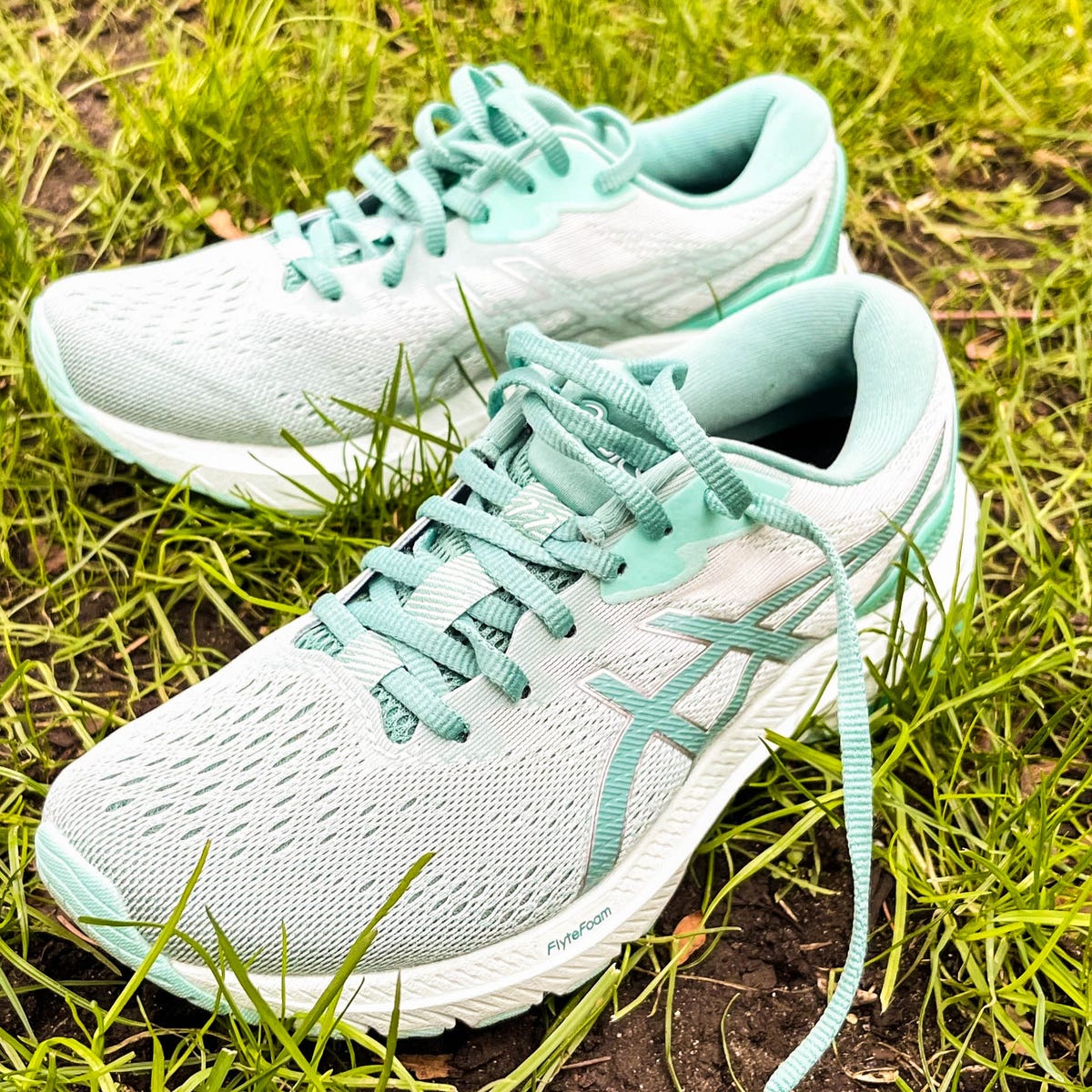
Understanding the theory is one thing; applying it in a store or online is another. Here is a practical, step-by-step guide from a first-person perspective, as if I were shopping with you. First, identify your walker’s profile. Are you a power walker focusing on speed and distance, or a casual stroller? For power walking, seek out tennis shoes marketed as “speed” or “lightweight” models, like the NikeCourt Air Zoom Vapor Cage. They offer responsive cushioning and less bulk. For casual walking, “all-court” or “comfort” models, such as the New Balance Fresh Foam Lav, provide plush cushioning. Second, prioritize fit over everything. Your foot should be secure in the heel, with a thumb’s width of space in the toe box. Remember, feet swell during activity. Third, examine the outsole. Look for a relatively flat, dense rubber pattern rather than an aggressive, deep lug design. Fourth, don’t ignore the drop (the height difference between heel and toe). Most tennis shoes have a moderate drop (8-12mm), which is suitable for walkers who strike with their heel. If you’re a midfoot walker, you might seek a model with a lower drop. Finally, consider the climate. Many tennis shoes have substantial leather or synthetic uppers which are less breathable than running shoe mesh. For hot climates, look for models with strategic mesh panels. This selection process empowers you to move beyond marketing categories and focus on the functional attributes that serve your specific needs, ensuring your foray into using tennis shoes for walking is a success.
Professional Knowledge Meets Value: Finding the Right Price Point
Bringing professional knowledge to your purchase decision directly leads to smarter spending and better value. The misconception is that specialized footwear must be exorbitantly priced. In reality, the tennis shoe market has distinct cycles tied to the professional tennis season. New models are typically released in the first and third quarters. This creates a prime opportunity to purchase previous-generation models at significant discounts—often 30-50% off—with minimal technological compromise. For example, the ASICS Gel-Resolution 8, a benchmark for support, sees price drops when the Gel-Resolution 9 launches. The core technologies (like the GEL cushioning and Twistruss system) remain fundamentally effective. Authoritative review platforms like Tennis Warehouse provide detailed playtest reviews that are equally valid for assessing walking comfort. Furthermore, consider the “cross-training” category, which often borrows heavily from tennis shoe design. These can be priced more accessibly. From a second-person viewpoint, you should set alerts on retailer websites for brands known for support: ASICS, New Balance, K-Swiss, and Adidas. Outlet stores and online clearance sections are treasure troves. Investing in a slightly older, high-quality model at a discounted price is a far wiser strategy than buying a cheaply made, generic “walking shoe” at full price. You gain advanced engineering—durable outsoles, sophisticated cushioning polymers, and structured support—for a comparable or lower cost. This is where expertise translates directly into economic benefit, making the premium technology of tennis shoes for walking accessible.
A Final Step Towards Informed Comfort
The journey through cushioning compounds, outsole geometry, and biomechanical studies leads to a single, clear point: the category label on a shoe box is less important than the physical properties within. Tennis shoes for walking are not a universal solution, but for individuals seeking exceptional stability, arch support, and durability on paved surfaces, they present a scientifically sound and often economically savvy option. The evidence from sports science and material engineering supports their viability. Your task is to apply the principles of fit, feature analysis, and smart shopping to find the pair that aligns with your unique gait and goals. Step beyond conventional categories and let the design serve your stride. The perfect path forward might just be found on the court.

