

The Ultimate Guide to Tennis Shoes for Walking
For years, the idea of using tennis shoes for walking was met with skepticism from purists in both sports. Walkers were told to seek out dedicated walking shoes with their specific rocker soles and flex patterns, while tennis players guarded their court-specific footwear fiercely. Yet, a quiet revolution has been underway. A growing number of fitness enthusiasts, podiatrists, and everyday users are discovering that a high-quality tennis shoe can be an exceptional, versatile companion for the walker. This guide isn’t about settling for second best; it’s about recognizing a unique hybrid category that offers durability, support, and comfort often surpassing that of traditional walking shoes. We will dissect the anatomy, science, and real-world performance of these shoes, moving beyond marketing categories to find what truly works for your stride.
The Unlikely Synergy: Why Tennis Shoes Work for Walking
The fundamental reason tennis shoes for walking excel lies in their engineered response to biomechanical stress. Tennis is a multidirectional sport involving rapid lateral cuts, forward sprints, and sudden stops. This demands a shoe with exceptional medial-lateral (side-to-side) stability, a reinforced upper to contain the foot during aggressive movements, and a durable outsole to withstand dragging and pivoting. When you translate this to walking, a primarily linear and lower-impact activity, you inherit a fortress of support. The robust heel counter designed to prevent ankle roll during a tennis match becomes a superb stabilizer for the heel strike phase of your walk. The reinforced toe box, built for toe-drags on the court, offers enhanced protection and durability for the push-off phase of your gait. As Dr. Miguel Cunha, founder of Gotham Footcare in New York City, notes on the clinic’s educational platform, “The stability features in a good tennis shoe, particularly the torsional rigidity and arch support, can be highly beneficial for walkers, especially those with mild overpronation.” This isn’t a coincidence; it’s applied biomechanics repurposed for a different, but equally demanding, endurance task.
Deconstructing the Anatomy: Key Features to Seek
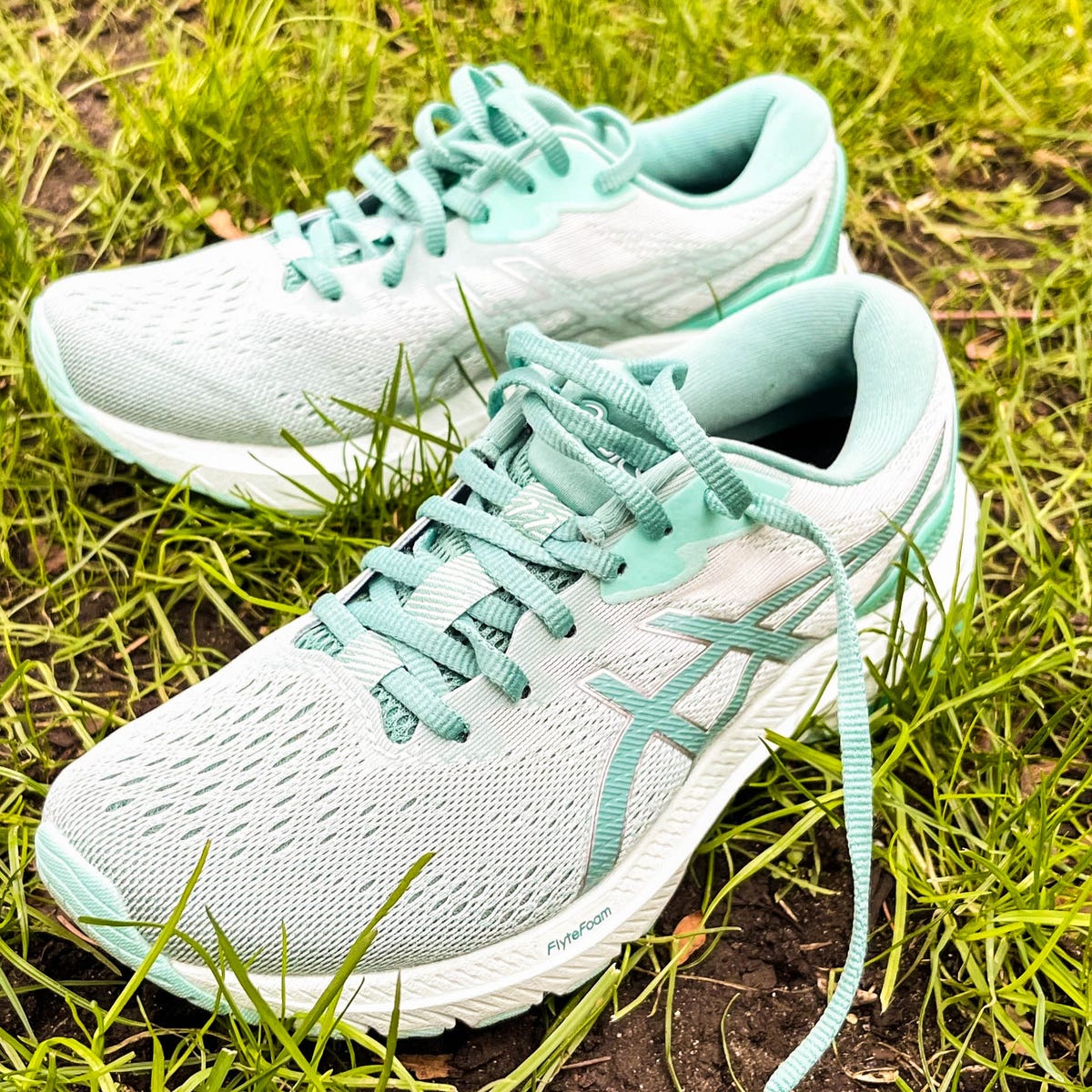
Not all tennis shoes are created equal for walking purposes. To make an informed choice, you must become a discerning examiner of shoe construction. First, focus on the midsole cushioning. Look for technologies like Nike’s Air Zoom, Adidas’s Boost, or Asics’s Gel. These aren’t just marketing terms; they represent specific polymer compounds designed to attenuate shock. A study published by the Human Performance Laboratory at the University of Calgary often examines impact forces, and the principles translate directly: cushioning that absorbs vertical shock in tennis will do the same for the repetitive heel strikes of walking. Second, examine the outsole pattern. A herringbone or modified herringbone tread, common on hard-court tennis shoes, provides excellent traction on paved surfaces without the deep, dirt-trapping lugs of a trail runner. The rubber compound is also key—durable, non-marking carbon rubber in the heel and forefoot areas offers longevity that often outpaces softer walking shoe outsoles. Finally, the upper and fit. A well-constructed tennis shoe uses durable synthetic leather or reinforced mesh to provide a secure, locked-down feel. This prevents the foot from sliding within the shoe during your walk, a common cause of blisters. The fit should be snug in the heel and midfoot with ample room in the toe box to allow for natural splay during the push-off phase.
The Scientific and Expert Backing: More Than Just Anecdotes
The crossover use of athletic footwear is supported by more than user testimonials. Consider the principle of motion control. The American Podiatric Medical Association (APMA) grants its Seal of Acceptance to products proven beneficial to foot health. Several tennis shoe models have earned this seal, not for their on-court prowess, but for their supportive features that aid in common gait alignments. Furthermore, insights from platforms like Quora and specialized running/walking forums reveal a trend: individuals with plantar fasciitis or flat feet often report better relief from stiff, supportive tennis shoes than from highly flexible dedicated walkers. The renowned book “Born to Run” by Christopher McDougall, while championing minimalist running, inadvertently highlighted the dangers of overly cushioned, unstable shoes. A well-structured tennis shoe offers a middle ground: substantial cushioning paired with inherent stability, preventing the excessive foot roll that McDougall critiques. As celebrity trainer Harley Pasternak has mentioned in media interviews, “The best shoe is the one that fits your foot and your activity. Sometimes, the support needs of a person walking five miles on concrete are met better by a court shoe than a traditional walking shoe.”

Making the Right Choice: A Walker’s Checklist for Tennis Shoes
Armed with this knowledge, your shopping mission becomes precise. Here is your actionable checklist. Priority One: Cushioning and Drop. Seek a shoe with ample heel and forefoot cushioning. Pay attention to the “heel-to-toe drop”—the height difference between the heel and forefoot. Most tennis shoes have a drop between 8-12mm, which encourages a heel-strike gait common in walking. If you’re a midfoot striker, you may prefer a shoe at the lower end of that range. Priority Two: Stability Features. Look for visible technologies: a thermoplastic urethane (TPU) shank in the midfoot for torsional rigidity, extended medial posts (often a denser foam on the inner side of the midsole) to curb overpronation, and a firm heel counter you can feel when you squeeze the back of the shoe. Priority Three: Durability. Inspect the outsole. Abrasion-resistant rubber in high-wear areas is a must. A shoe with a 6-month durability guarantee is a good sign. Priority Four: Breathability and Weight. While tennis shoes are generally more structured than mesh-running shoes, many modern models incorporate engineered mesh zones for breathability. Don’t sacrifice essential support for ultra-lightweight designs; a slightly heavier, supportive shoe will prevent fatigue over long distances.
Beyond the Hype: Addressing Common Concerns and Misconceptions
A primary concern is that tennis shoes for walking are too stiff. This stiffness, however, is precisely the source of their benefit for many walkers. The flexibility of a shoe should occur at the metatarsophalangeal (MTP) joints, where your toes meet your foot, not in the midfoot. A shoe that bends too easily in the arch can exacerbate conditions like plantar fasciitis. The structured nature of a tennis shoe provides a stable platform that allows your foot’s natural mechanics to work without fighting an unstable base. Another misconception is about weight. While some tennis shoes are hefty, the category has evolved. Brands like Asics (with their Gel-Resolution line) and New Balance (Fresh Foam Lav) now offer models that blend court-ready support with lighter, responsive foams, creating an ideal balance for the fitness walker. It’s about intelligent weight, not minimal weight.
Where Value Meets Performance: Smart Investment in Your Footwear
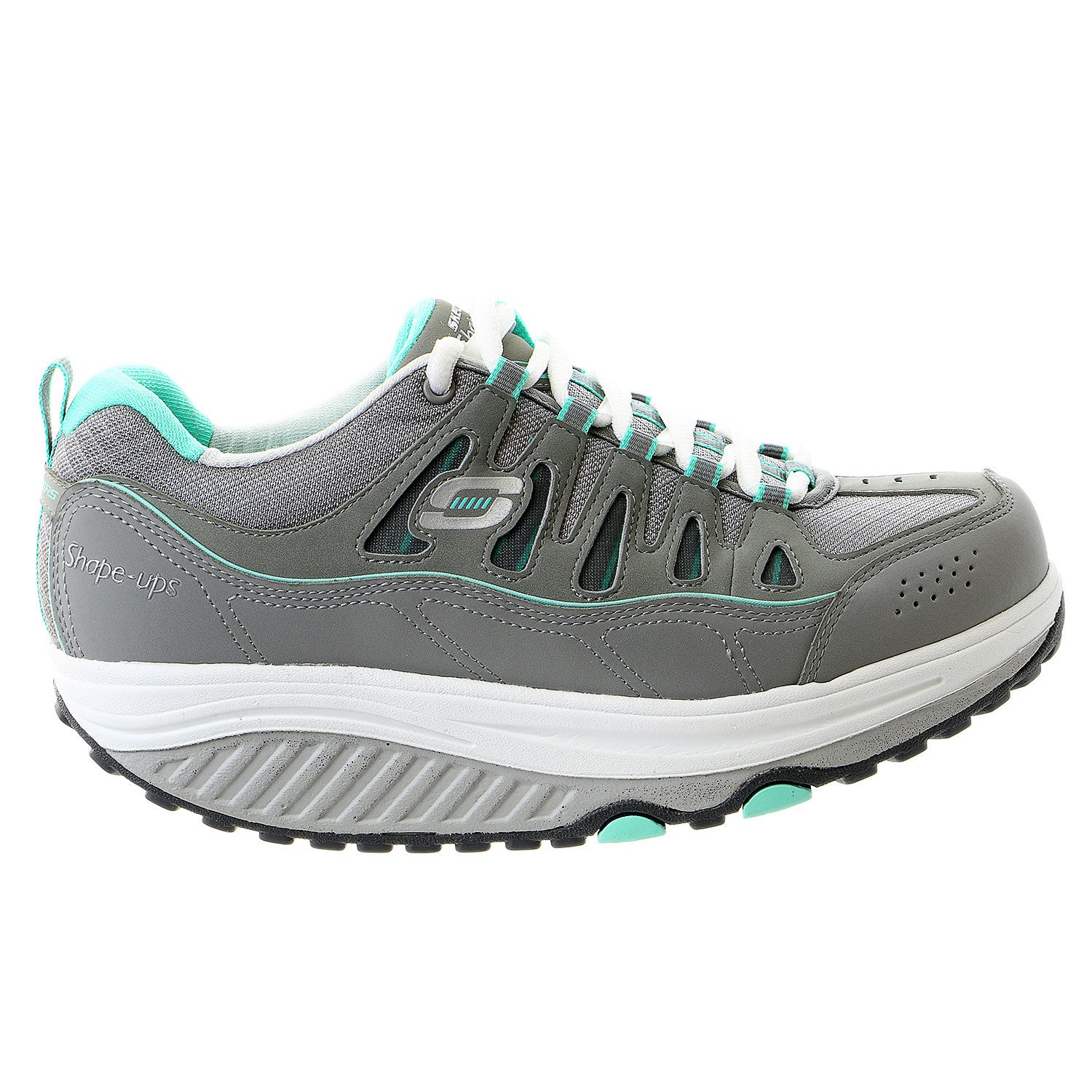
Let’s discuss value. A premium pair of tennis shoes for walking often retails between $120 and $160. However, their durability frequently exceeds that of a similarly priced walking shoe. The reinforced toe guards, abrasion-resistant outsoles, and robust uppers are built for the sandpaper-like effect of a tennis court, meaning asphalt and sidewalks pose a lesser challenge. To get the best price, consider these strategies. First, shop for previous models. When a brand releases the “VERSION 10,” retailers discount the “VERSION 9,” which is often 95% identical in technology. Second, look at “all-court” or “club” tennis shoe models. These are designed for recreational players and often feature the core support and cushioning technologies at a more accessible price point than professional-grade models. Third, utilize price comparison tools and sign up for brand newsletters for exclusive discount codes. Investing in a shoe that lasts 500+ walking miles, rather than 300, provides a better cost-per-mile ratio, making the initial outlay a wise long-term decision for your foot health and your wallet.
The Final Step: Listening to Your Feet and the Path Ahead
The journey to finding the perfect walking companion ends not with a brand name, but with personal feedback. After selecting a pair based on our guidelines, take them on a series of progressively longer test walks. Pay attention to pressure points, arch support, and how your legs feel the next day. The right tennis shoes for walking should feel securely supportive, not restrictive. They should propel you forward with a sense of resilient cushioning, not clumsy bulk. They represent a pragmatic choice in a world of overly specialized gear—a testament to the idea that intelligent design from one discipline can brilliantly serve another. So, lace up a pair with intention, step onto your path, and experience the difference where court-bred stability meets the enduring rhythm of the walk.

