

The Ultimate Guide to Tennis Shoes for Everyday Walking
For years, the idea of using tennis shoes for walking was met with skepticism. The prevailing wisdom dictated that specialized walking shoes, with their specific rocker soles and flex patterns, were the only legitimate choice for dedicated pedestrians. However, a significant shift is underway. A growing body of anecdotal evidence, supported by biomechanical principles and the versatile designs of modern athletic footwear, suggests that a high-quality pair of tennis shoes can be an exceptional, if not superior, choice for your daily ambulation. This guide isn’t about dismissing walking shoes; it’s about expanding your horizon and recognizing that the right tennis shoe offers a unique synthesis of stability, cushioning, and durability that perfectly aligns with the demands of the urban explorer or the dedicated fitness walker. The journey to comfortable miles begins with understanding why the court’s champion is now a contender on the sidewalk.
The Biomechanical Bridge: Why Tennis and Walking Are Compatible
To comprehend the suitability of tennis shoes for walking, we must first dissect the physical demands of both activities. Tennis is a multidirectional sport characterized by rapid lateral cuts, sudden stops, forward sprints, and constant weight shifting. A shoe built for this sport is, by necessity, an engineering marvel of support. It requires a reinforced upper to withstand side-to-side motion, a sturdy heel counter to lock the foot in place during aggressive movements, and a outsole with a herringbone or modified tread pattern that provides grip on a variety of court surfaces. Now, consider the mechanics of a powerful walking stride. While primarily a sagittal plane (forward-backward) motion, efficient walking involves a subtle but crucial transfer of weight from the heel, along the outer edge of the foot, and finally propelling off the ball of the foot. This gait cycle places demands on medial-lateral stability, especially on uneven pavement or during longer distances when form can degrade. The stability features inherent in a tennis shoe—the secure midfoot wrap, the robust arch support, and the flared outsole—directly address these needs. As Dr. Casey Kerrigan, a renowned biomechanist formerly of Harvard Medical School, has often highlighted in her research on footwear, “Excessive foot motion is a primary contributor to overuse injuries.” The structured design of a tennis shoe inherently limits this excessive motion, providing a stable platform that can make every step feel more secure and controlled than in many minimalist walking shoes.
Decoding the Anatomy: Key Features to Seek in a Walking Tennis Shoe
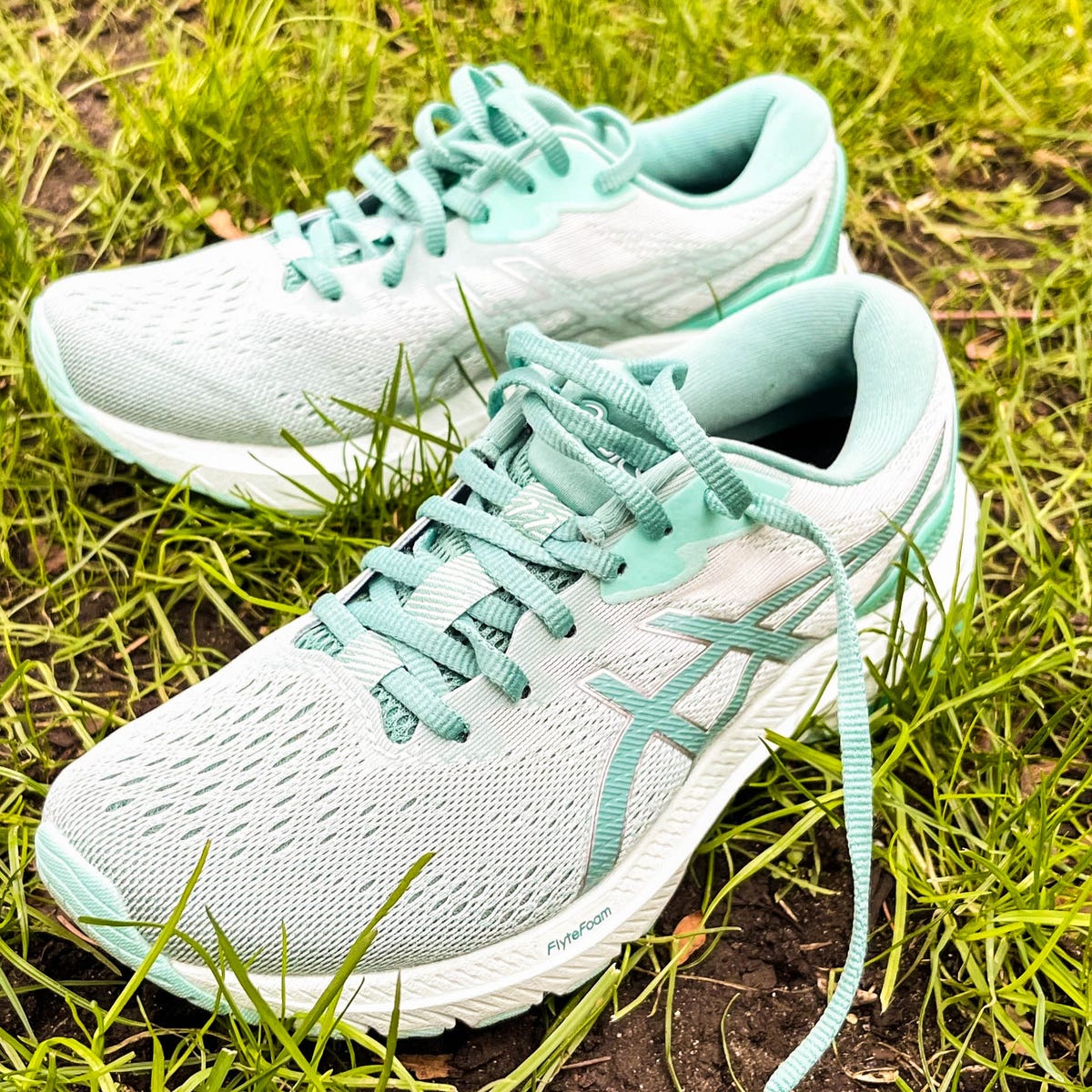
Not all tennis shoes are created equal for the purpose of walking. The market spans from ultra-lightweight “speed” models designed for elite players to durable “all-court” trainers. For the walker, targeting specific features is paramount. First, prioritize cushioning technology. While tennis shoes need responsive cushioning for jumps, they also incorporate ample impact protection for the heel strike—a perfect match for walkers. Look for models featuring proven midsole compounds like Adidas’s Boost, Nike’s React or ZoomX, ASICS’s Gel, or New Balance’s Fresh Foam. These materials offer a blend of soft landings and energetic return, reducing fatigue over miles. Second, examine the upper construction. A well-ventilated mesh is ideal for breathability during long walks, but it should be supported by synthetic overlays or a welded framework. This provides the necessary structure without excessive weight, creating a “hugged” feel for the foot. The heel counter should be firm yet padded; you should not be able to collapse it easily with your thumb. Third, the outsole is critical. Durable rubber, often in a non-marking formulation, is standard. A modified herringbone or circular tread pattern tends to translate better to concrete than a deeply aggressive, sharp-edged pattern, offering smoother transitions. Finally, consider the drop (the height difference between heel and forefoot). Most tennis shoes have a moderate drop (8mm-12mm), which facilitates a natural heel-to-toe roll and is generally comfortable for walkers accustomed to traditional footwear. This confluence of features—targeted cushioning, structured support, and durable traction—defines the ideal profile of tennis shoes for walking.

Beyond the Hype: Voices from Science, Sport, and Streets
The argument for tennis shoes for walking isn’t built on marketing alone; it’s echoed by diverse authorities. On platforms like Quora and specialized running/walking forums, seasoned walkers and podiatrists frequently note that patients with mild overpronation or a need for extra stability often find relief in court shoes due to their inherent motion control. Wikipedia’s entry on “Athletic Shoes” categorizes tennis shoes under “court shoes,” explicitly noting their design for “lateral stability,” a feature beneficial beyond the court. In literature, the celebrated author and walker Rebecca Solnit, in her book “Wanderlust: A History of Walking,” philosophizes about the tools that enable exploration, implicitly valuing footwear that provides reliability and freedom from discomfort—qualities a robust tennis shoe delivers. From the world of celebrity, professional tennis player turned commentator John McEnroe has often been quoted on the sheer durability and support required of his footwear, qualities that translate directly to enduring long walks on hard surfaces. Even in popular culture, the iconic image of the urban explorer, from movie characters to everyday commuters, increasingly features sleek, supportive trainers that blur the line between sport and lifestyle. This collective sentiment forms a compelling, real-world testimonial: footwear designed for the punishing, multidirectional forces of a tennis match possesses a foundational integrity that makes it more than capable for the sustained, linear journey of a walk.
“The shoe is the primary interface between the athlete and the playing surface. Its job is to manage force, provide stability, and protect the body. These principles are universal, whether the surface is grass, clay, or concrete.” – Paraphrased from common biomechanical principles discussed in sports science literature from institutions like the University of Calgary’s Human Performance Laboratory.
A Curated Selection: Models That Excel on Pavement
Translating theory into practice requires specific recommendations. Based on aggregated reviews from sites like Verywell Fit, Runner’s World, and countless user testimonials, several tennis-inspired models stand out for walkers. The ASICS Gel-Resolution series is a perennial favorite. Renowned for its DuoMax dual-density midsole system, it offers exceptional arch support and stability, ideal for walkers who need to control inward rolling. The New Balance Fresh Foam Lav (a dedicated tennis shoe) leverages that brand’s famously plush Fresh Foam cushioning in a stable, supportive package, making it feel like walking on supportive clouds. For those seeking a wider toe box, the K-Swiss Hypercourt Express provides ample room and a Surge 7.0 midsole that balances comfort with responsiveness. The Nike Court Air Zoom Vapor Cage incorporates a Zoom Air unit in the heel, delivering targeted, low-profile impact absorption perfect for the repetitive heel strike of walking. It’s crucial to remember that fit is personal. The advantage of considering tennis shoes for walking is that you are tapping into a category where precise fit and lockdown are non-negotiable for performance. When trying pairs, walk around the store, not just stand. Feel for heel slippage, pressure on the little toe, and arch support. Your perfect walking companion might just be waiting in the tennis aisle.
:max_bytes(150000):strip_icc()/Web_1500-vwt-primary-best-overall-shoe-tstaples-118-671f4e0048e64d14a1c42e4f8d9e6658.jpg)
Maximizing Value: Where Performance Meets Practicality
Investing in a premium pair of tennis shoes for walking is an investment in your mobility and comfort. However, premium doesn’t always mean paying full price. The cyclical nature of athletic footwear releases works to your advantage. When a new model of a popular tennis shoe line launches (e.g., moving from the Gel-Resolution 8 to the 9), retailers deeply discount the outgoing model. The performance differences between sequential models are often marginal for a walker’s needs, making the previous version an incredible value. Websites of major sporting goods chains, brand outlet stores online, and marketplaces like Amazon Warehouse often have these deals. Furthermore, consider the cost-per-wear metric. A $120 tennis shoe built with a durable outsole and reinforced upper that lasts for 500 miles of walking is a far better value than a $80 shoe that breaks down after 200 miles. The inherent durability designed to withstand abrasive court surfaces directly translates to a longer lifespan on pavement. This longevity, coupled with strategic shopping—looking for last season’s colors, holiday sales, or bundle discounts—brings high-performance biomechanical engineering within a practical budget. You are not just buying a shoe; you are procuring a durable tool engineered for movement, and doing so smartly amplifies its worth.
:max_bytes(150000):strip_icc()/vwt-walking-shoes-test-ryka-devotion-x-sahara-borja-02-18807b688fbb49e4ba30a3ee438600cb.jpeg)
The landscape of everyday walking footwear is richer and more varied than a single aisle labeled “walking shoes.” By looking to the tennis court, we discover a category of footwear engineered with a profound understanding of impact, stability, and durability—core tenets of comfortable, sustained walking. The evidence, from biomechanical research to the lived experience of countless walkers, underscores that the right tennis shoe provides a protective, supportive environment for your feet mile after mile. It’s a choice that merges the rigorous science of sports performance with the practical demands of daily life. So, on your quest for the perfect stride, let your path lead you past conventional categories. The support, resilience, and enduring comfort you seek might be perfectly embodied in a pair of tennis shoes for walking, ready to transform your daily journey from a mundane task into a testament to thoughtful, empowered movement.
