

The Best Tennis Shoes for Everyday Walking Comfort
When we talk about finding the perfect shoe for all-day walking, the conversation often veers toward specialized walking shoes or running sneakers. However, a compelling and often overlooked category is that of tennis shoes for walking. Originally engineered for the lateral cuts, quick stops, and sprints of a tennis match, these shoes possess a unique set of features that translate exceptionally well to the demands of daily pedestrian life. This isn’t about repurposing in a pinch; it’s about recognizing a design philosophy built on stability, cushioning, and durability. The right pair of tennis shoes can provide a foundation of comfort that makes every step feel secure and supported, turning mundane errands or lengthy city explorations into genuinely pleasant experiences.
The Engineering Behind the Comfort: Why Tennis Shoes Excel
To understand why tennis shoes for walking are a formidable choice, we must dissect their design DNA. Unlike running shoes, which are optimized for forward motion, tennis shoes are built for multi-directional movement. This fundamental difference results in several key advantages. First, the lateral support. The upper of a tennis shoe is often reinforced with durable materials and structured overlays to prevent the foot from rolling inward or outward during side-to-side movements. For walkers, this translates to exceptional stability on uneven sidewalks, when navigating curbs, or simply during the natural pronation of a walking gait. As noted in biomechanics literature from institutions like the University of Calgary’s Human Performance Lab, excessive foot pronation during walking can lead to a chain of discomfort in the knees, hips, and lower back. A shoe with inherent lateral stability helps mitigate this.

Cushioning and Impact Absorption: A Scientific Priority
The second pillar is cushioning. Tennis involves constant impact from jumping and pounding the hard court. Consequently, midsole technology in tennis shoes is designed to absorb shock from various angles. Brands utilize advanced compounds like Adidas’ Boost, Nike’s React, or ASICS’ GEL technology, which are engineered to return energy and reduce fatigue. Dr. Casey Kerrigan, a renowned biomechanist and former Harvard Medical School professor, has extensively researched shoe design and gait. In her interviews, she often emphasizes that “the goal of cushioning is not just softness, but the management of impact forces to protect the joints.” The targeted cushioning in tennis shoes, often more robust in the heel and forefoot than in many casual sneakers, aligns perfectly with the heel-strike and roll-through motion of walking. This makes a pair of well-cushioned tennis shoes for walking not just comfortable, but a potentially protective tool for long-term joint health.
Durability and Outsole Design: Built to Last
Walkers demand durability. The outsole of a shoe is its point of contact with the world, and here, tennis shoes truly shine. Tennis shoe outsoles are made from high-abrasion rubber compounds designed to withstand the gritty, abrasive surface of a tennis court. The tread pattern, or herringbone, is engineered for grip on a variety of surfaces. This directly benefits the everyday walker. The durable rubber will resist wear from concrete and asphalt far longer than the soft foam outsoles of many lifestyle sneakers. Furthermore, the multi-directional tread provides reliable traction on wet pavement, loose gravel, or polished floors, reducing the risk of slips. A review from Verywell Fit, a trusted health and fitness resource, consistently highlights outsole durability as a critical factor in walking shoe selection, a box that premium tennis shoes check with authority.
:max_bytes(150000):strip_icc()/vwt-walking-shoes-test-ryka-devotion-x-sahara-borja-02-18807b688fbb49e4ba30a3ee438600cb.jpeg)
Breathability and Fit: The Forgotten Comfort Factors
Comfort is more than just a soft midsole. It’s about climate control and precise fit. Tennis is a high-intensity sport, so shoe designers prioritize breathability to manage heat and moisture. Modern tennis shoes often feature engineered mesh uppers that allow air to circulate, keeping feet cooler and drier during extended walks. The fit is also typically more secure. Many tennis shoes offer a “performance fit” – snug in the midfoot and heel with room in the toe box – which prevents the foot from sliding and minimizes blister-causing friction. This is a stark contrast to some fashion-oriented sneakers that prioritize a loose, casual fit. As professional tennis player and style icon Roger Federer once remarked about his collaboration with On Running, “The feel must be immediate. It must be secure, like part of your foot, from the first step.” That philosophy of immediate, locked-in comfort is exactly what a walker needs from their tennis shoes for walking.
Selecting Your Perfect Pair: A Practical Guide
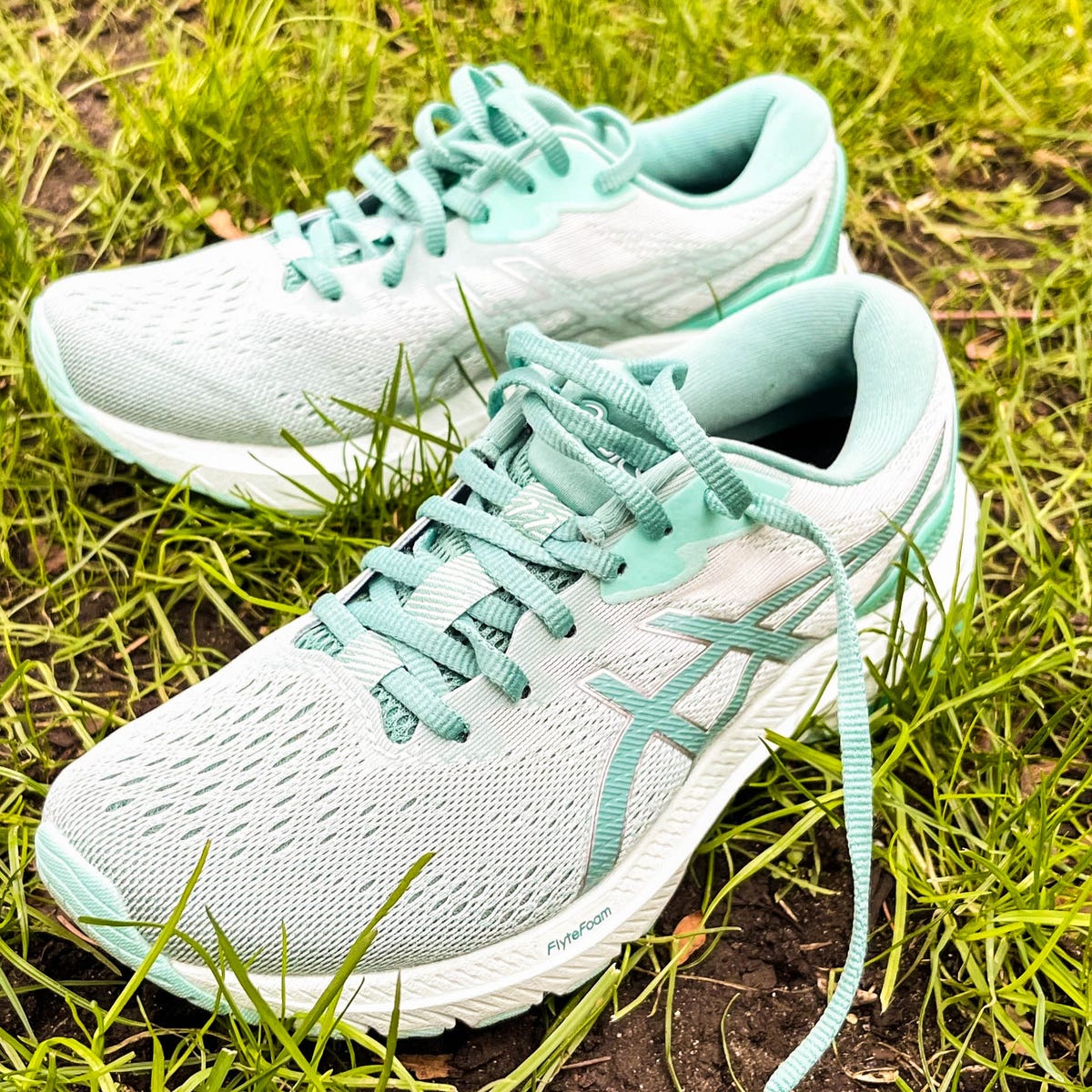
Knowing that tennis shoes are a great option is one thing; choosing the right model is another. You must consider your personal biomechanics and walking environment. For those with a tendency toward overpronation (where the ankle rolls inward), look for models with clear medial (arch-side) support, often indicated as “stability” tennis shoes. Brands like ASICS (with their Dynamic Duomax support system) and New Balance are renowned in this category. For neutral walkers or those with high arches seeking maximum cushioning, “cushioned” or “neutral” tennis shoe models from Nike, Adidas, or K-Swiss might be ideal. Always prioritize fit over aesthetics. Visit a specialty store in the afternoon when your feet are slightly swollen, wear the socks you typically walk in, and ensure there’s a thumb’s width of space in front of your longest toe. Remember, the best tennis shoes for walking are the ones you forget you’re wearing because nothing pinches, rubs, or feels unstable.

Beyond the Hype: Integrating Professional Insight
It’s valuable to ground this discussion in professional perspectives. Podiatrists and sports medicine specialists often recommend shoes with a firm heel counter, adequate arch support, and flexible forefoot—a description that fits many tennis shoes. A study published in the Journal of Foot and Ankle Research from the University of Sydney pointed out that footwear stiffness and torsional stability can influence lower limb mechanics. Tennis shoes, by design, offer a beneficial balance: they are stable yet allow for natural foot flexion at toe-off. Furthermore, consider the words of celebrity trainer Harley Pasternak, who works with Hollywood stars and frequently discusses everyday fitness on his YouTube channel. He often states, “Your most important piece of workout equipment is the shoe you wear all day. Don’t sacrifice support for style.” This underscores the idea that investing in a technically proficient shoe like a high-quality tennis shoe for daily wear is an investment in your overall well-being.
Value Proposition: Where Performance Meets Price
Let’s address the practical matter of cost. High-performance tennis shoes from leading brands often carry a premium retail price, typically ranging from $100 to $160. However, their inherent durability means they often outlast two pairs of cheaper, less robust shoes. The real secret for the savvy consumer lies in timing and channels. End-of-season sales, online retailer clearance sections (like Amazon’s “Warehouse Deals” or Zappos’ “Clearance”), and brand outlet stores are goldmines. Last year’s model, which often has 90% of the technology of the new release, can frequently be found at a 30-50% discount. For instance, a top-tier ASICS Gel-Resolution model might retail for $140, but the previous version could be snapped up for $85. This brings exceptional engineering into a very accessible price range. By choosing a discounted, high-quality pair of tennis shoes for walking, you are not compromising; you are acquiring professional-grade comfort and support at a remarkably intelligent price point.
The quest for all-day walking comfort doesn’t require a compromise or a niche product. It can be elegantly solved by looking toward a category born from athletic rigor. Tennis shoes for walking offer a synthesis of lateral stability, scientific cushioning, unmatched durability, and secure fit that is uniquely suited to the varied demands of daily life on your feet. By understanding the engineering principles behind them and making an informed selection, you can transform your walking experience from a mundane necessity into a daily pleasure, all while ensuring your feet and joints are protected with every step you take.
