

Your Ultimate Guide to Comfort and Style in Every Step
We often hear that the foundation of a great outfit is a good pair of shoes, but this wisdom runs deeper than mere aesthetics. The right footwear is the cornerstone of our daily mobility, impacting everything from our posture and joint health to our energy levels and overall well-being. For the countless steps we take each day, a dedicated walking shoe is not a luxury; it is a fundamental tool for a healthy, active life. This guide moves beyond fleeting fashion trends to explore the marriage of biomechanical science and design, empowering you to make informed choices that support your journey, literally and figuratively. Let’s delve into the elements that transform a simple shoe into a trusted companion for your feet.
The Anatomy of a Superior Walking Shoe: Beyond the Surface
To understand what makes a great walking shoe, we must dissect its components. Unlike running shoes designed for forward propulsion and impact absorption from higher forces, walking shoes are engineered for the heel-to-toe rolling motion and repeated, lower-impact steps. The key lies in the midsole, often made from materials like EVA (ethylene-vinyl acetate) foam or polyurethane. According to biomechanics literature from institutions like the University of Calgary’s Human Performance Laboratory, the midsole’s primary job is to cushion the foot and provide stability during the gait cycle. A study often cited in podiatric journals notes that a worn-out midsole loses over 40% of its cushioning capacity, long before the outsole shows significant wear. This is why replacing shoes every 300-500 miles is crucial, a point emphasized by the American Podiatric Medical Association. The heel counter—the firm cup at the back—is another critical element. A study published in the Journal of Foot and Ankle Research highlights its role in controlling excessive rearfoot motion, preventing issues like overpronation or supination. When you slip on a well-constructed walking shoe, you’re not just putting on fabric and rubber; you’re engaging with a system designed to work in harmony with one of the human body’s most complex mechanical structures.
Fit: The Non-Negotiable Foundation
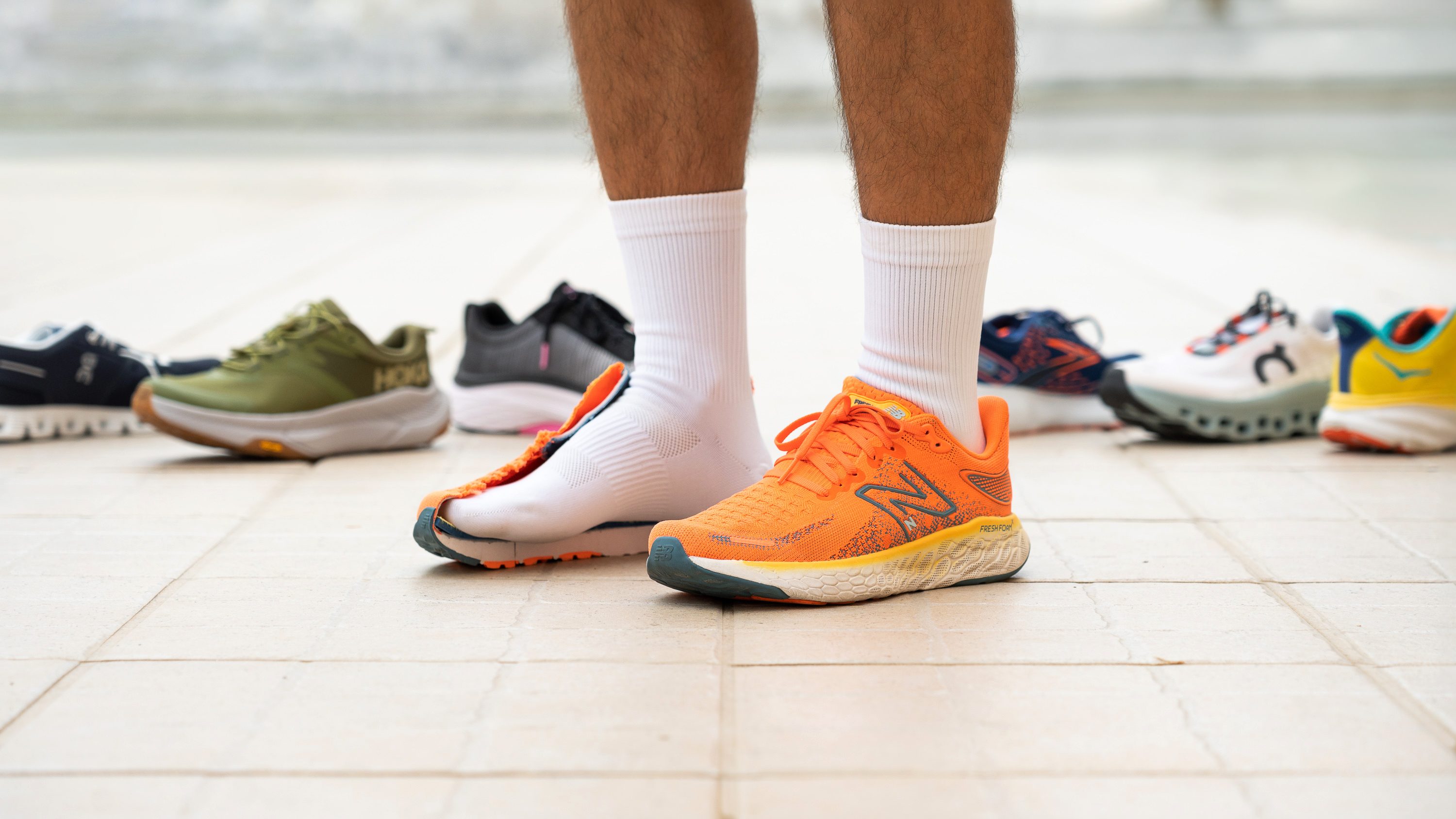
All the technology in the world is meaningless if the shoe does not fit your unique foot. The common advice to “get fitted in the afternoon” is rooted in physiology; feet naturally swell throughout the day. A proper fit accounts for length, width, and volume. There should be about a thumb’s width (roughly 3/8 to 1/2 inch) of space between your longest toe and the end of the shoe. The widest part of your foot should align comfortably with the widest part of the shoe without feeling pinched. Renowned running coach and author Jeff Galloway often states, “Your feet are the foundation of your movement. Compromise on shoe fit, and you compromise your entire kinetic chain.” This sentiment is echoed by orthopedic specialists who trace knee, hip, and even lower back pain to ill-fitting footwear. A well-fitted walking shoe should feel secure and supportive from the moment you put it on, with no “break-in” period required. Remember, sizes vary dramatically between brands and even models, so prioritize how the shoe feels over the number on the box.
Material Matters: Breathability, Durability, and Sustainability
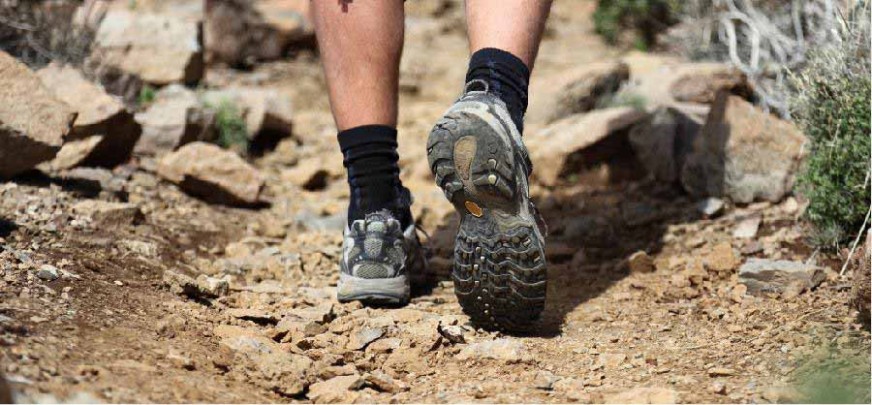
The upper material of a shoe dictates its comfort, climate appropriateness, and longevity. Modern walking shoes often utilize engineered mesh, which provides targeted breathability and flexibility. Leather uppers, while often less breathable, offer durability and structure, molding to the foot over time. A growing trend, supported by consumer demand and environmental advocacy, is the use of recycled materials. Brands are increasingly incorporating recycled polyester, rubber, and even ocean plastic into their designs. From a performance perspective, the choice depends on your environment. For hot climates or long walks, a breathable mesh is paramount to manage moisture and prevent blisters. For cooler, wetter conditions, a water-resistant material or treated leather might be preferable. The outsole composition is equally important. Carbon rubber is exceptionally durable and often used in high-wear areas like the heel, while blown rubber is lighter and provides better cushioning. The pattern of the outsole lugs determines traction; a multi-directional pattern is ideal for varied urban surfaces.
:max_bytes(150000):strip_icc()/vwt-asics-womens-gel-pulse-16-jinfeng-chen-21-712f0f140e834b84b3a8dcf0bf154771.jpeg)
Style as Self-Expression: You Don’t Have to Sacrifice Aesthetics
For too long, “comfort shoes” were synonymous with clunky, unattractive designs. That era is decisively over. Today, the market is rich with options that seamlessly blend technical performance with contemporary style. From sleek, minimalist sneakers that pair perfectly with casual office wear to bold, colorful designs that make a statement, your walking shoe can be an extension of your personal style. Influential designers collaborating with athletic brands have further blurred the lines, creating footwear that is as at home in a gallery as on a walking path. The underlying principle is that when you feel good about how your shoes look, you’re more likely to wear them, thereby reaping the health benefits of consistent walking. Comfort and style are no longer mutually exclusive; they are the dual engines of a modern footwear revolution.
Investing in Your Stride: The Long-Term Value Proposition
Viewing a quality pair of walking shoes as an expense is a short-sighted perspective. It is, in fact, an investment in your long-term health and mobility. Consider the cost-per-wear: a $120 shoe worn for 500 miles over a year breaks down to a minuscule cost per step, especially when weighed against potential savings on medical bills for foot, knee, or back problems. As the famous quote often attributed to Vogue editor-in-chief Anna Wintour goes,
“You either know good shoes, or you don’t. And there is no point in dressing up if you’re not in good shoes.”
While she spoke of fashion, the principle applies to function. “Good shoes” here mean shoes that are good for you. To bring this professional knowledge directly to you, many reputable retailers and official brand websites offer seasonal sales, loyalty discounts, and outlet sections where previous models—which are often just as technologically sound—are available at significantly reduced prices. Subscribing to newsletters or following brands on social media can alert you to these opportunities, allowing you to acquire premium footwear without straining your budget.
Listening to Your Body: The Ultimate Indicator
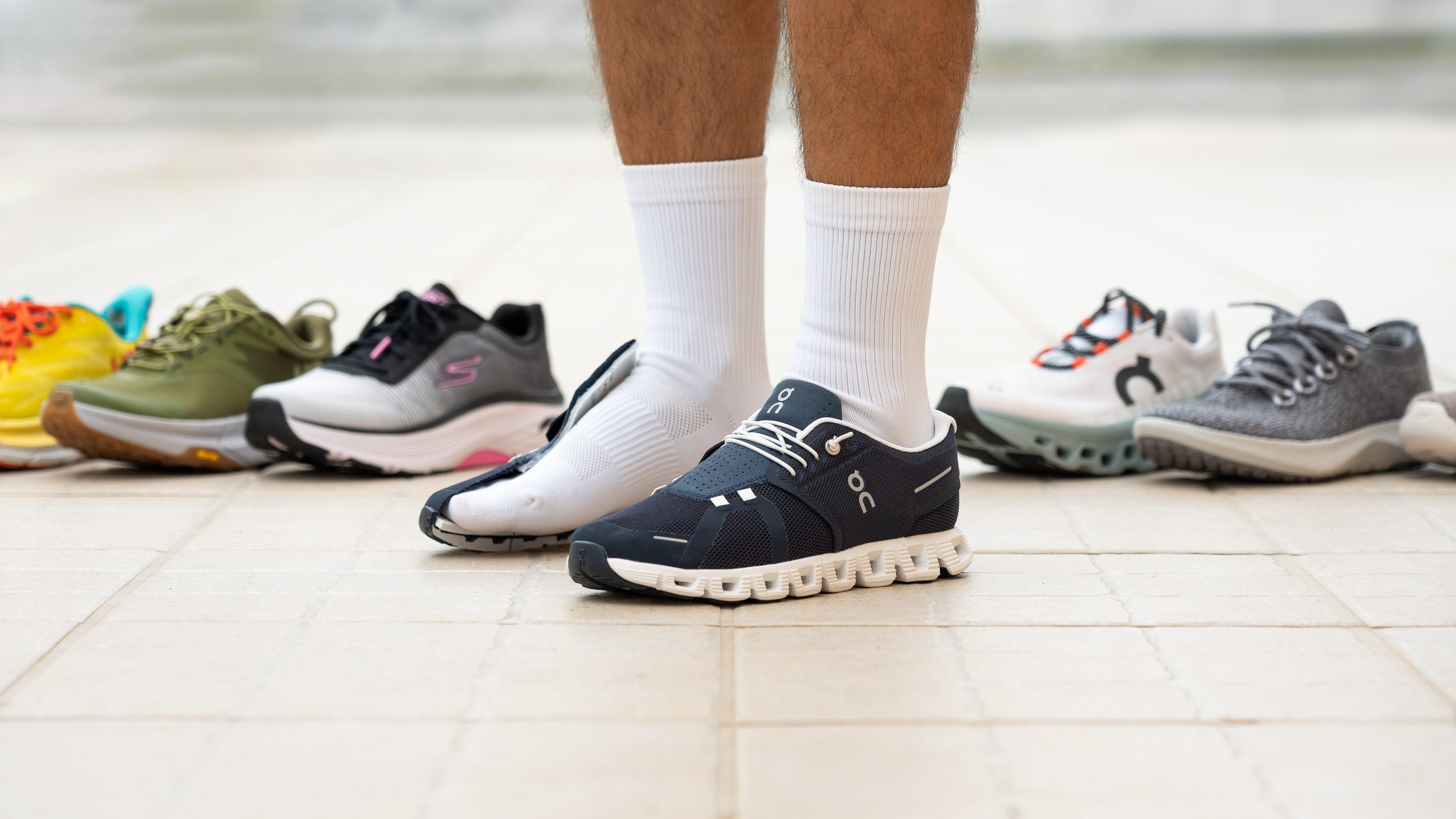
Despite all the specifications, reviews, and recommendations, your body provides the most reliable feedback. Discomfort, hot spots, persistent aches after walking, or uneven wear patterns on the outsole are clear signals that your shoes may not be the right match for your biomechanics. The journey to finding the perfect walking shoe is personal. It might require trying several pairs. Many specialty stores offer gait analysis or have knowledgeable staff who can guide you. Use this expertise, but always let your comfort be the final judge. Your feet carry you through life’s journeys; honoring their needs is the first step toward lasting comfort and vitality.
The pursuit of the ideal walking experience is a blend of science, personal need, and individual taste. It begins with recognizing that the humble shoe is a piece of essential equipment. By prioritizing fit, understanding the technology that supports your gait, and refusing to compromise on either comfort or style, you empower yourself to move through the world with greater ease, confidence, and joy. Let every step you take be a testament to the thoughtful choice you made in selecting the right partner for your feet.
