

The Walking Shoe: Your Secret to Effortless Style and All-Day Comfort
In the rhythm of daily life, where every step counts, the choice of footwear transcends mere fashion. It becomes a foundational decision impacting our posture, energy, and overall well-being. The unassuming walking shoe has evolved from a purely functional item into a cornerstone of modern, conscious living. This isn’t about athletic performance in the traditional sense; it’s about cultivating a seamless blend of support and aesthetics that carries you from dawn to dusk with unwavering ease. The right pair doesn’t just cushion your feet; it elevates your entire experience, turning the mundane commute, the lengthy museum visit, or the casual weekend exploration into activities of genuine pleasure. We are moving beyond the era where comfort meant sacrificing style. Today, the most sophisticated walking shoe is engineered to be a silent partner in your day, offering biomechanical harmony without shouting its technical prowess from the rooftops.

The Anatomy of All-Day Comfort: Beyond Simple Cushioning
To understand why a dedicated walking shoe is non-negotiable, we must dissect the science of walking itself. Gait analysis, a field extensively studied by institutions like the Spaulding National Running Center at Harvard Medical School, reveals that walking involves a complex sequence of heel-strike, midfoot roll, and toe-off. A shoe designed for running accommodates a different force distribution and foot strike pattern. The ideal walking shoe, therefore, prioritizes a flexible forefoot to facilitate that push-off, coupled with a heel counter that is snug and supportive to stabilize the initial impact. Dr. Casey Kerrigan, a former professor of physical medicine and rehabilitation at Harvard, has published research indicating that overly cushioned shoes can actually increase joint torques at the hip and knee, suggesting that targeted, intelligent support is more critical than maximum softness. This is where materials science comes in. Modern midsoles utilize compounds like thermoplastic polyurethane (TPU) or proprietary foams (e.g., Brooks’ DNA LOFT, ASICS’ GEL technology) that provide a responsive, energy-returning feel rather than a dead, sinking sensation. The insole, or sock liner, is another critical layer, often incorporating antimicrobial treatments and arch-supporting contours that align with the podiatric principles outlined by organizations like the American Podiatric Medical Association (APMA), which grants seals of acceptance to footwear that promote good foot health.
Ergonomics and Style: A Non-Compromise Pact
The historical dichotomy between “comfort shoes” and “fashion shoes” is a false one, dismantled by contemporary design philosophy. Consider the enduring appeal of brands like Cole Haan, which famously integrated Nike Air technology into dress shoes, or the meteoric rise of Allbirds, whose marketing leans heavily on natural comfort and minimalist aesthetics validated by celebrity investors and social media influencers. The design principle at play is ergonomics—the study of people’s efficiency in their working environment, applied here to the foot’s interaction with the shoe and the ground. A well-designed walking shoe considers the foot’s shape, pressure points, and need for breathability. This is achieved through engineered mesh uppers that adapt and stretch, strategic padding around the collar and tongue, and outsoles with a rounded heel (a rocker sole) to promote a smoother gait cycle. From a style perspective, this functionality is cloaked in clean lines, monochromatic colorways, and textures that work within smart-casual and business-casual dress codes. As fashion icon and entrepreneur Gwyneth Paltrow noted in an interview with Goop, “The idea that you have to be in pain to look good is completely antiquated. Now, it’s about finding pieces that are beautifully made and feel incredible.” This sentiment echoes across platforms from YouTube style vloggers to editorial features in Vogue, cementing the idea that true style is inherently comfortable.
:max_bytes(150000):strip_icc()/vwt-asics-womens-gel-pulse-16-jinfeng-chen-21-712f0f140e834b84b3a8dcf0bf154771.jpeg)
The Long-Term Investment: Foot Health and Economic Sense
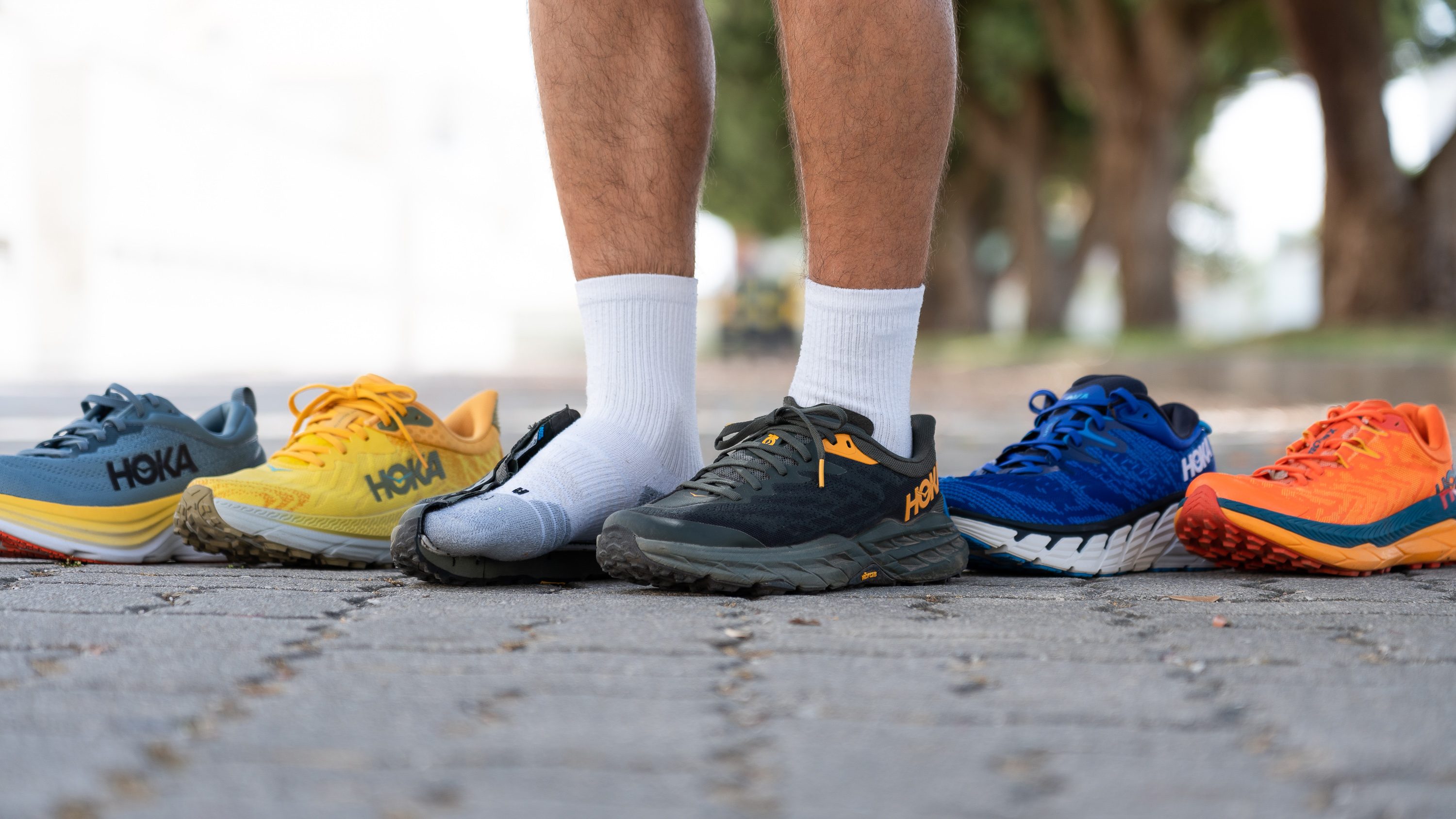
Viewing a quality walking shoe as a discretionary purchase is a fundamental miscalculation. It is, in fact, a preventative health investment. The human foot contains 26 bones, 33 joints, and over 100 muscles, tendons, and ligaments. Compromising its support can have a cascading effect, leading to plantar fasciitis, shin splints, knee pain, and even lower back issues—conditions well-documented in medical literature and frequently discussed by physical therapists on health forums like Quora and expert-driven sites like WebMD. The cost of ongoing physiotherapy, orthotics, or pain management far exceeds the price of a premium pair of shoes. Furthermore, durability is a key factor. A shoe constructed with high-abrasion rubber on the outsole and reinforced stitching will maintain its structural integrity and support for 300-500 miles of walking, as recommended by sources like Verywell Fit. Wearing shoes beyond their support life is akin to driving a car on bald tires; the risk of injury escalates dramatically. Therefore, the initial outlay for a robust pair is amortized over months of reliable, pain-free service, representing superior value. Brands like Hoka One One and Brooks, often cited in runner’s and walker’s communities for their longevity, build their reputations on this very principle of sustained performance.
Curating Your Perfect Pair: A Practical Guide
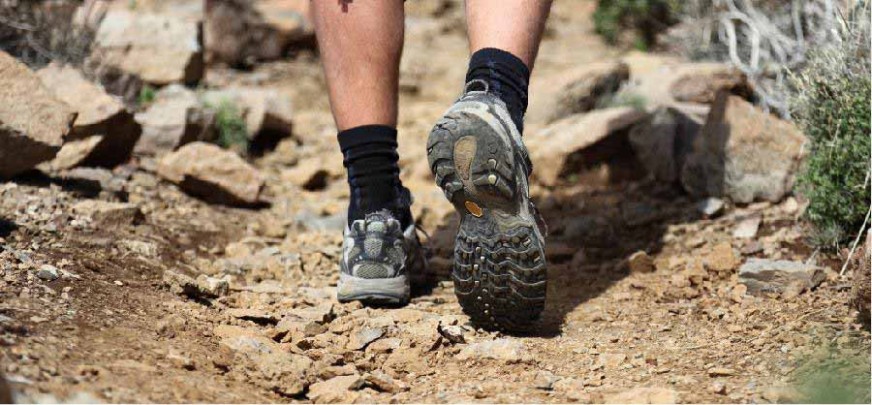
Selecting your ideal walking shoe is a personal ritual, not a one-size-fits-all transaction. Begin by understanding your foot type: flat arches (overpronation), high arches (underpronation/supination), or neutral. Many specialty stores offer simple gait analysis. Fit should be prioritized in the afternoon when feet are naturally slightly swollen. There must be a thumb’s width of space between your longest toe and the shoe’s end to allow for natural swelling and movement. Don’t be seduced by size numbers; focus on the feel. The shoe should feel secure at the heel and midfoot without any pinching or slippage, with ample room for your toes to splay. Consider your primary environment: urban pavement, forest trails, or indoor surfaces? This dictates the needed tread pattern and cushioning level. Finally, align the shoe’s aesthetic with your wardrobe palette. A versatile neutral-colored pair in grey, black, or navy offers maximum outfit integration. Remember, the goal is for the shoe to complement your life, not complicate it. This thoughtful selection process ensures your walking shoe becomes a trusted asset, not just another item in your closet.
Integrating the Walking Shoe Ethos into Daily Life
The final step is a philosophical one: granting yourself permission to prioritize comfort without apology. This is not a lowering of standards but a raising of self-awareness. In cultures known for walking, such as those in many European cities, practical, well-made footwear is a mark of sophistication, not laziness. It signals an understanding that one’s physical state directly influences mental clarity and engagement with the world. Whether you’re a professional navigating a sprawling corporate campus, a traveler exploring cobblestone streets, or a parent managing the endless errands of family life, the right shoes provide a foundation of resilience. They allow you to remain present in your experiences, free from the distracting ache of sore feet. This ethos is captured in the Japanese concept of “shokunin”—the relentless pursuit of craftsmanship and perfection in one’s trade. Applied to footwear, it means seeking out those brands and designs that embody a sincere commitment to the walker’s journey. Your walking shoe is more than an accessory; it is a tool for sustainable living, enabling you to move through your world with confidence, grace, and enduring comfort.
The pursuit of effortless style and all-day comfort finds its most reliable ally in the intentionally chosen walking shoe. It represents a conscious departure from enduring discomfort as a rite of passage. By embracing the engineering, the ergonomics, and the elegant design now available, you equip yourself not just for a journey from point A to point B, but for a qualitatively better experience of the spaces in between. Your stride becomes lighter, your posture more assured, and your day unfolds with a newfound sense of ease. This is the quiet power of the right foundation—it holds you up so you can focus on what truly matters.
