

The Ultimate Guide to Wild and Chic Outfits
Fashion is not merely about covering the body; it’s a language of self-expression, a dialogue between personal identity and the external world. Among the myriad dialects of this language, the wild and chic aesthetic stands out as a powerful declaration of confidence, sophistication, and untamed spirit. It’s a style that masterfully balances primal patterns with refined silhouettes, creating a look that is both fierce and elegant. This guide is your compass to navigating this exhilarating terrain, moving beyond fleeting trends to embrace a philosophy of dressing that is bold, intelligent, and inherently stylish. We will dissect its core elements, ground our understanding in cultural and psychological contexts, and provide you with the tools to build a wardrobe that roars with quiet authority.
The Psychology of Pattern: Why Wild Prints Captivate
The allure of animal prints, particularly the leopard or cheetah spot, is deeply rooted in our collective psyche. From an objective standpoint, these patterns are not arbitrary; they are a form of biomimicry that taps into ancient symbols of power, freedom, and survival. As noted by cultural theorists, wearing animal print has historically been an act of appropriating the perceived qualities of the animal itself—the leopard’s stealth, the zebra’s uniqueness, the tiger’s ferocity. A study from the Journal of Consumer Research suggests that clothing can induce “enclothed cognition,” where the symbolic meaning of the attire influences the wearer’s psychological processes. Donning a wild print can subconsciously embolden the wearer, fostering a sense of assertiveness and dominance. This isn’t about literal transformation but about harnessing an archetype. In cinema, characters like Cruella de Vil or the effortlessly powerful women in Sex and the City used leopard print as a visual shorthand for unapologetic ambition and complex sexuality. It’s a pattern that commands attention without begging for it, making it a cornerstone of the wild and chic philosophy. It communicates a message before you even speak, setting a tone of confident individuality.
Deconstructing Chic: The Architecture of Effortless Elegance
If “wild” provides the raw energy, “chic” is the masterful control that channels it. Chic is often misconstrued as minimalism, but true chic is an exercise in precision, balance, and edited sophistication. It’s the philosophy of “less is more” applied with strategic intent. As fashion icon Coco Chanel purportedly advised, “Before you leave the house, look in the mirror and take one thing off.” This isn’t about austerity; it’s about clarity of vision. Chic relies on impeccable tailoring, luxurious fabrics, and a neutral color palette that serves as a canvas. Authoritative sources from institutions like the Fashion Institute of Technology emphasize the importance of silhouette and proportion in achieving a chic look. A well-tailored blazer, a pair of perfectly fitted trousers, or a simple silk camisole—these are the silent heroes. The chic element tempers the wild print, preventing it from veering into costume territory. It creates a tension, a visual dialogue where each element enhances the other. Think of it as the modern architectural frame for a vibrant, abstract painting. The clean lines and neutral tones of your base outfit allow a single wild piece to become the undeniable focal point, the statement that speaks volumes.
The Statement Piece Paradigm: From Runway to Reality
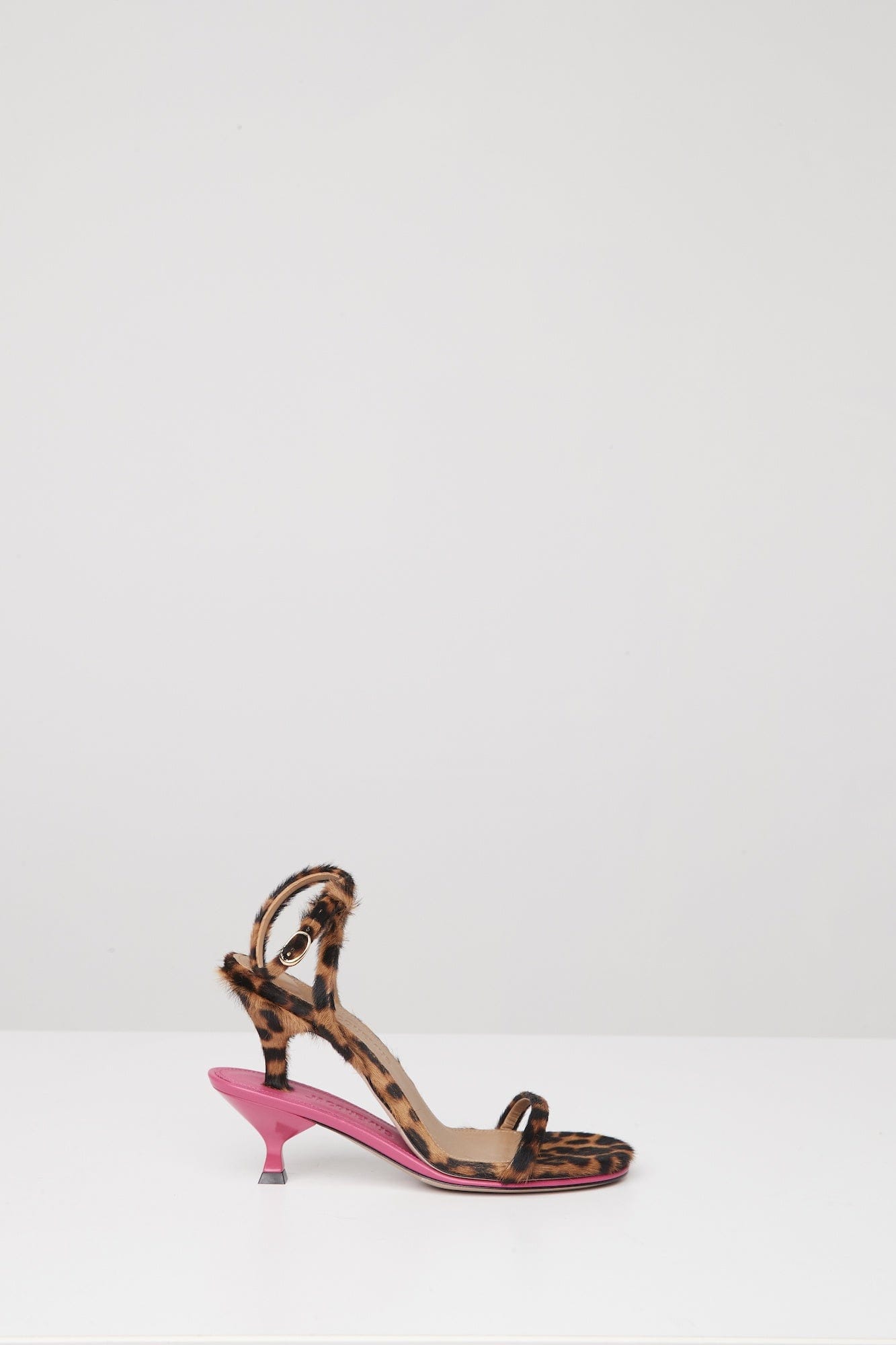
The most effective way to embody wild and chic is through the strategic use of a statement piece. This is the anchor of your outfit, the item that carries the “wild” DNA while the rest of your ensemble provides the “chic” context. Nothing exemplifies this better than a pair of cheetah print heels. As a statement, they are unparalleled. Unlike a full leopard coat, which requires significant sartorial confidence, shoes offer a more accessible entry point. They inject instant personality into the most basic outfit. A pair of cheetah print heels paired with tailored black trousers and a crisp white shirt is a textbook example of this aesthetic: professional, polished, yet intriguingly bold. Fashion commentators on platforms like Vogue Runway and Business of Fashion often highlight how designers use accessories as key trend vectors. A statement shoe changes your posture, your gait, and your attitude. It’s a detail that suggests a hidden narrative, a playful or powerful side to your persona. The key is to let this piece shine. If your shoes are the conversation starters, keep the rest of the dialogue simple and sophisticated.

Texture and Tone: Building a Tactile Wardrobe
Wild and chic is a multi-sensory experience. Beyond print, the interplay of texture is crucial for adding depth and luxury. This is where professional knowledge of materials elevates your style. Consider pairing the sleek, often flat visual of a leopard print with contrasting tactile elements. A buttery-soft leather skirt, a chunky knit sweater, a silk satin slip dress, or a nubby tweed blazer—these textures create a rich landscape for the eye and touch. From a scientific perspective, different materials interact with light in unique ways, creating visual interest that surpasses color alone. As documented in textile science literature, the sheen of silk reflects light diffusely, while matte cotton absorbs it. Combining a matte wild print with a lustrous fabric creates a sophisticated dynamic. Furthermore, the tonal approach—using shades of the same color family—can be incredibly powerful. Instead of a stark black-and-white leopard print, seek out pieces in caramel, taupe, or charcoal. These tonal wild prints are inherently more nuanced and easier to integrate into a refined wardrobe. They whisper rather than shout, aligning perfectly with the chic ethos. This approach demonstrates a advanced understanding of color theory and materiality, moving your style from simply wearing clothes to curating an experience.
The Power of the Third Piece and Strategic Discounts
Building a versatile wild and chic wardrobe doesn’t require a limitless budget; it requires strategic thinking. The “third piece” rule is a professional stylist’s secret: a basic top and bottom (the first two pieces) become an outfit with the addition of a third element—a statement jacket, a bold shoe, or a standout bag. This is where investment and savvy shopping intersect. Focus your budget on that impeccable third piece, like a quality pair of cheetah print heels or a unique animal-print scarf. For the foundational chic items (the perfect black dress, the tailored pants), you can seek out high-quality alternatives during seasonal sales or from retailers known for good value. Many premium contemporary brands offer significant discounts during end-of-season sales, sometimes with price reductions of 40-60%. The key is to buy timeless chic staples on discount, not fast-fashion imitations of wild prints. A discounted cashmere sweater from a reputable brand will always serve you better than a cheap, trendy one. This approach brings professional-grade style knowledge and discounted prices directly to you, ensuring your wardrobe is both impactful and intelligent.

Context is King: Styling for Different Arenas
The true test of any style philosophy is its adaptability. The wild and chic aesthetic is remarkably fluid, capable of being dialed up or down based on context. For the corporate environment, the rule is subtlety. A cheetah print heels paired with a navy sheath dress and a structured blazer is a masterclass in boardroom boldness. The print is contained, professional, yet unmistakably confident. For evening wear, you can embrace more drama. A sleek, solid-color jumpsuit becomes instantly electrifying when accessorized with a metallic leopard-print clutch and those same statement shoes. On weekends, the aesthetic translates into effortless cool: vintage blue jeans, a simple white tee, and a leopard print belt or loafers. The viewpoint here, supported by style experts from publications like Elle and Harper’s Bazaar, is that personal style should be a constant, adaptable to situation, not abandoned for conformity. Your wild and chic core remains; only its expression changes. This versatility ensures the style is not a costume for rare occasions but a sustainable, integral part of your identity.
A Note from the Icons: Voices of Authority
To ground our perspective, let us turn to those who have embodied this style. Their words are not mere quotes but testaments to the philosophy.
“I like the anarchy of animal print. It’s a pattern that says you’re not to be messed with.”
— Donatella Versace, a designer whose oeuvre is built on the fusion of wild glamour and razor-sharp chic.
“Elegance is refusal.”
— Diana Vreeland, former editor-in-chief of Vogue. This iconic statement underpins the chic component entirely. It is the refusal of clutter, of obviousness, of trying too hard. It is the choice to wear one phenomenal wild piece perfectly.
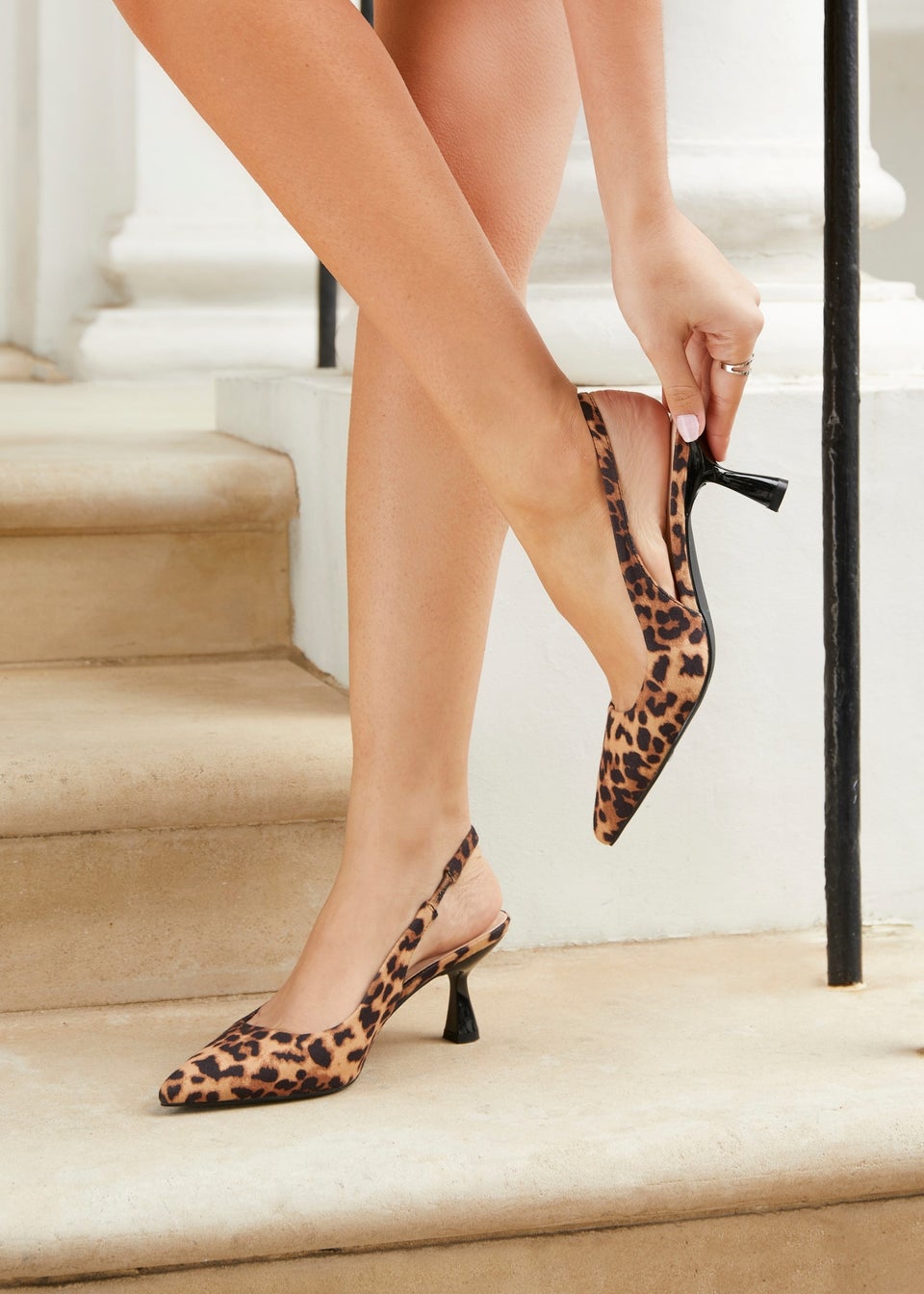
Mastering the wild and chic outfit is an ongoing journey of editing, experimenting, and understanding the silent language of clothes. It begins with recognizing the psychological power of pattern, is structured by the disciplined elegance of chic, and is executed through strategic statements like the indispensable cheetah print heels. It’s a style that demands confidence but, in return, grants an unparalleled sense of self-possession. By investing in texture, shopping intelligently for discounts on core pieces, and adapting your expression to context, you build not just a wardrobe, but a personal signature. This is the ultimate goal: to look in the mirror and see not just an outfit, but an assertion—a perfectly balanced, wildly chic version of yourself.
