

The Ultimate Guide to Vionic Walking Shoes for All-Day Support
For anyone who spends significant time on their feet, the quest for the perfect shoe is more than a shopping trip—it’s a pursuit of well-being. The wrong footwear can transform a simple walk into a cascade of discomfort, impacting not just your feet but your knees, hips, and back. This is where the science of biomechanics meets everyday life, and few brands have championed this intersection as deliberately as Vionic. Their walking shoes are not mere accessories; they are engineered solutions designed to provide foundational support. This guide delves into the architecture of comfort, exploring why a Vionic walking shoe stands apart, how its technology functions, and what it can mean for your daily movement.
The Foundation: Understanding Biomechanics and Foot Health
To appreciate what sets these shoes apart, one must first understand the principle of pronation. Pronation is the natural inward roll of the foot as it makes contact with the ground, a critical part of the gait cycle for shock absorption. However, excessive pronation (overpronation) or insufficient pronation (supination) can lead to a host of problems, from plantar fasciitis to shin splints and beyond. According to literature from the American Podiatric Medical Association (APMA), proper footwear is a first-line defense in managing these biomechanical imbalances. Vionic’s core technology is built upon this very premise. Unlike standard shoes that offer a generic, flat cushion, Vionic incorporates a built-in orthotic footbed that features a deep heel cup, superior arch support, and a forefoot rocker. This design is clinically proven to align the foot and ankle into a neutral position, thereby promoting a more natural gait. It’s a proactive approach to foot health, transforming the shoe from a passive covering into an active support system.

Deconstructing the Vionic Walking Shoe: A Layer-by-Layer Analysis
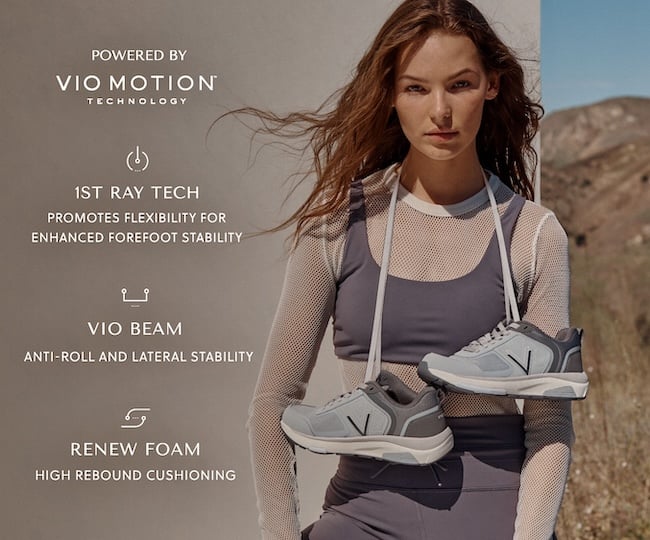
Let’s examine the anatomy of a typical Vionic walking shoe. The journey begins with the signature orthotic insole. This isn’t an afterthought; it’s the cornerstone. Crafted from a firm yet forgiving material, it mirrors the contours of a healthy foot, cradling the arch and stabilizing the heel. This addresses what Dr. Andrew Weil, a renowned figure in integrative medicine, has often emphasized: that foundation is everything in physical health. Above this sits a layer of responsive cushioning, often utilizing lightweight EVA or proprietary foam, which attenuates the impact forces traveling up the skeleton with each step. The outsole, designed with strategic flex grooves and durable rubber, provides traction and facilitates the foot’s natural rolling motion from heel strike to toe-off. The upper, whether crafted from breathable mesh or premium leather, is designed for a secure, accommodating fit that avoids pressure points. Every component is a calculated piece in a puzzle aimed at holistic support.
Evidence and Endorsement: More Than Just Marketing
The claims surrounding Vionic are substantiated by more than customer testimonials. The brand has earned the APMA Seal of Acceptance, a significant endorsement indicating the product’s suitability for promoting foot health. Furthermore, insights from platforms like Quora and professional reviews on runner’s websites frequently highlight Vionic as a go-to recommendation for individuals suffering from plantar fasciitis or seeking all-day comfort for work. On YouTube, certified pedorthists and physical therapists have deconstructed the shoes, pointing to the biomechanical rationale behind the raised arch and heel cup. This convergence of authoritative certification and expert analysis from diverse fields—from podiatry to kinesiology—lends scientific credence to the user experience. It bridges the gap between clinical advice and practical, wearable solutions.

The Personal Impact: From Pain to Performance
Imagine starting your day without the familiar, sharp ache in your heel. For many, switching to a Vionic walking shoe has facilitated this change. The difference is often described not as a subtle improvement but as a transformative one. Where a standard shoe might offer a temporary cushion, the Vionic design provides a corrective platform. This can mean reduced fatigue during long shifts for healthcare workers, less discomfort for teachers who are constantly on their feet, and a more enjoyable, pain-free walking experience for fitness enthusiasts. The benefit extends beyond the feet. By improving alignment, the strain on the kinetic chain—ankles, knees, hips, and lower back—is potentially reduced. It’s an investment in sustained mobility, allowing you to engage in daily activities and passions without being sidelined by foot pain. The shoe becomes an enabler of an active lifestyle, rather than a limiting factor.
Aesthetic Meets Function: No Compromise on Style
A common misconception about orthopedic-inspired footwear is that it lacks style. Vionic has systematically dismantled this notion. Their walking collections feature contemporary designs, color palettes, and silhouettes that rival mainstream athletic and casual brands. From sleek walking sneakers to sophisticated leather casuals, the therapeutic benefits are seamlessly integrated into shoes you’d genuinely want to wear. This is crucial because compliance is key to any therapeutic regimen; the best orthotic is useless if left in the closet. By creating attractive options, Vionic ensures that the choice for health does not require a sacrifice in personal style. You can step out confidently, knowing your footwear supports your body and complements your wardrobe.
Making the Investment: Value Beyond the Price Tag
When evaluating a Vionic walking shoe, it’s essential to view it through the lens of value engineering rather than just cost. Yes, the initial price point is often higher than that of a generic department store shoe. However, the long-term calculus changes when you factor in potential savings on pain management, over-the-counter orthotics, and physiotherapy appointments. Consider the philosophy echoed by investment experts like Warren Buffett: “Price is what you pay. Value is what you get.” The value here is derived from proprietary biomechanical technology, high-quality materials built for durability, and the tangible benefit of enhanced daily comfort. For the discerning consumer, this represents a wise allocation of resources toward preventative health. Furthermore, keeping an eye on official websites and authorized retailers can reveal seasonal sales, bundle discounts, or promotional codes, making this investment in your foundation more accessible.
Selecting Your Pair: A Practical Roadmap
With several models available, choosing the right one is paramount. Consider your primary activity: Is it for dedicated fitness walking, or for all-day wear in a professional setting? Models like the ‘Walker’ or ‘Strider’ are optimized for athletic movement with enhanced cushioning, while the ‘Kimmie’ or ‘Josie’ slingbacks offer robust support in a more casual package. Pay close attention to fit; your toes should have ample room to wiggle, and the arch should feel supportive, not intrusive. It’s often recommended to wear them initially for a few hours indoors to allow your feet to adapt to the new alignment. Remember, the goal is to find a partner for your feet—a Vionic walking shoe that feels less like a device and more like a natural extension of your body’s mechanics, ready to support you through thousands of steps.

The journey to all-day comfort is fundamentally a journey of proper support. It’s about recognizing that our feet are the literal base upon which we build our daily lives. A shoe that actively engages with the science of walking—that corrects, cushions, and guides—can redefine your experience of movement. Vionic has positioned itself at this precise nexus of technology, health, and design. By choosing a shoe built on these principles, you’re not just buying footwear; you’re investing in the freedom to move comfortably, confidently, and without compromise, step after supportive step.
