

The Ultimate Guide to Tennis Shoes for Walking
You might be wondering why anyone would choose tennis shoes for walking over dedicated walking shoes or running sneakers. The answer lies in a unique convergence of support, durability, and style. This guide isn’t about repurposing old athletic gear; it’s about recognizing a specific category of footwear engineered for lateral stability and cushioning—features that translate exceptionally well to the biomechanics of walking. We will move beyond casual recommendations and delve into the objective science of foot mechanics, material technology, and design philosophy that makes certain tennis shoes an outstanding, often overlooked, choice for walkers. By the end, you’ll possess a clear framework for selection, grounded in evidence and expert insight, empowering you to make an informed decision that benefits your posture, comfort, and stride.
The Biomechanical Bridge: Why Tennis Shoes Can Work for Walking
The fundamental argument for considering tennis shoes for walking rests on understanding the kinetic chain of movement. While running is characterized by a flight phase with high-impact vertical forces, walking is a continuous, ground-contact motion generating significant shear and lateral forces, especially during the push-off phase. This is where tennis shoe design becomes relevant. As noted in biomechanics literature from institutions like the University of Calgary’s Human Performance Lab, tennis involves multidirectional sprints, sudden stops, and lateral cuts. Consequently, shoes designed for the court prioritize medial-lateral stability. They feature reinforced outsoles with herringbone or modified patterns for multi-surface traction and robust heel counters to prevent excessive pronation or supination during side-to-side movements. For a walker, particularly one navigating urban environments with turns, curbs, and varied pavements, this inherent stability translates to a more secure platform, reducing the risk of ankle roll and promoting a stable gait cycle. The cushioning, often full-length, is designed to absorb impact from constant foot strikes, which aligns well with the repetitive nature of walking. Therefore, the choice isn’t incidental; it’s a functional overlap where the demands of one sport intelligently support the needs of another activity.

Decoding the Anatomy: Key Features to Prioritize
Not all tennis shoes are created equal for walking purposes. Selecting the right pair requires a forensic look at specific components. First, the midsole technology is paramount. Look for shoes incorporating proven cushioning systems like Adidas’ Boost, Nike’s React, or ASICS’ GEL. These materials are engineered to provide energy return and attenuate shock over prolonged periods. A study published in the Journal of Science and Medicine in Sport has highlighted the importance of midsole resilience in reducing lower limb fatigue. Second, the outsole pattern and rubber compound are critical. A durable, non-marking rubber with a flat or mildly textured pattern (as opposed to aggressive, deep lugs meant for clay courts) offers optimal longevity and smooth traction on asphalt and concrete. Third, consider the upper construction. Breathable mesh materials enhance comfort on long walks, while synthetic overlays should provide structure without creating pressure points. Finally, the heel-to-toe drop (the height difference between heel and forefoot) is a subtle but crucial factor. Many tennis shoes have a drop between 8mm to 12mm, which can encourage a natural heel-strike gait prevalent in walking. As renowned podiatrist Dr. Brad Schaeffer, often cited in wellness publications, states:
“The ideal walking shoe provides a harmonious blend of cushioning and motion control. A well-constructed tennis shoe often achieves this by design, offering a wider base of support that walking-specific shoes sometimes sacrifice for a lighter weight.”
This holistic view of anatomy shifts the focus from marketing labels to tangible, performance-oriented features.
Navigating the Market: Styles and Models with Walking in Mind
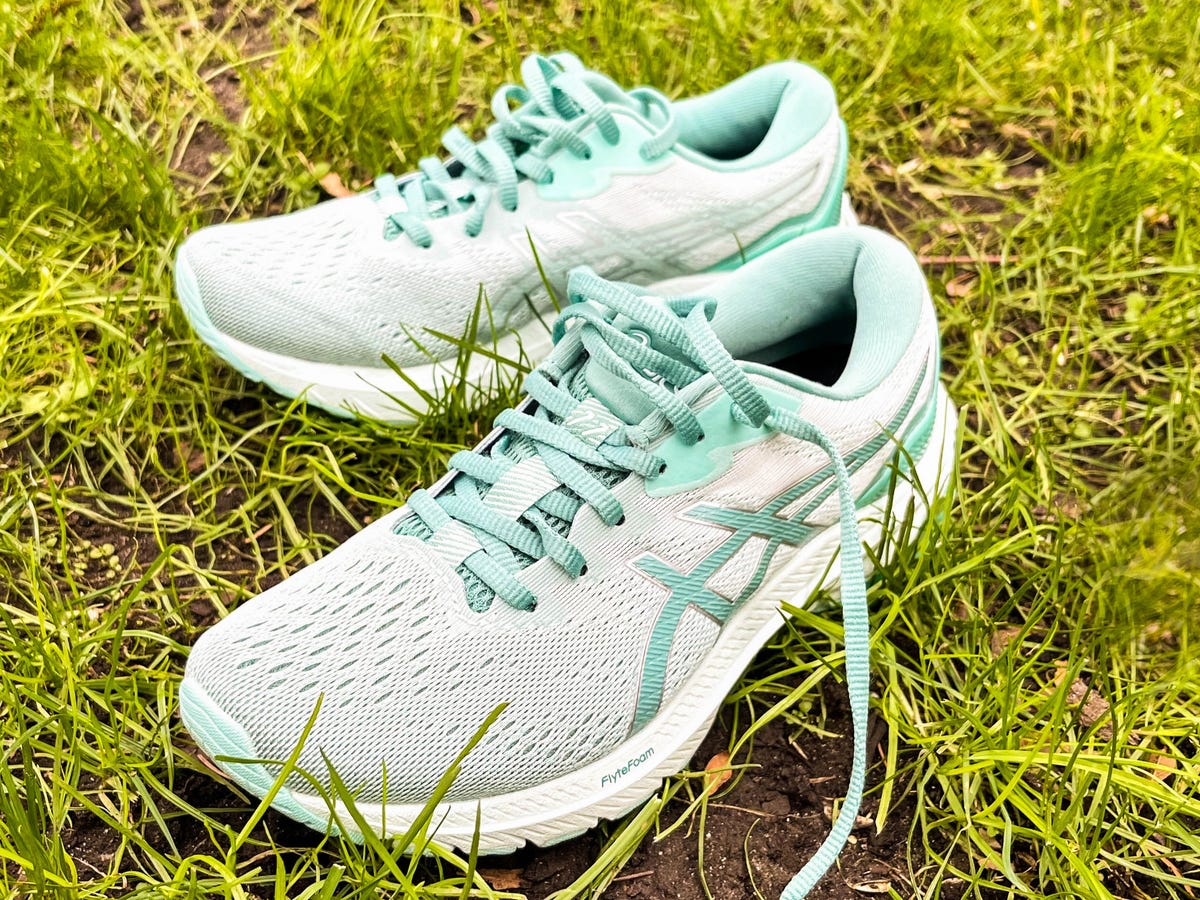
The market offers a spectrum, from hardcourt performance models to lifestyle-oriented “court classics.” For dedicated walking, we lean towards the latter category or performance models known for comfort. Classic styles like the Adidas Stan Smith or Nike Court Vision offer a simple, stable base but may lack advanced cushioning for extended distances. Modern “comfort-first” tennis-inspired models, however, are ideal. The New Balance Fresh Foam Lav, for instance, takes tennis shoe aesthetics and infuses them with a premium Fresh Foam midsole, explicitly marketed for all-day comfort. Similarly, ASICS, a brand rooted in biomechanics, produces shoes like the GEL-Dedicate that, while designed for tennis, feature their signature GEL cushioning in the rearfoot—a boon for heel-striking walkers. On platforms like Quora and specialized running/walking forums, users frequently highlight the versatility of the K-Swiss Hypercourt Express for its comfort in extended wear. The key is to identify models that de-prioritize extreme lateral containment for professional play and emphasize all-around cushioning and flexible stability. This makes them exceptional candidates for tennis shoes for walking.
The Verdict from Users and Experts: A Consensus on Versatility
Beyond laboratory specs, real-world validation is essential. On YouTube, certified fitness trainers like Joe “The Body Coach” often discuss footwear versatility, noting that for general fitness walking, a stable, cushioned sneaker—a category many tennis shoes fall into—is more important than a hyper-specialized label. Reviews on e-commerce sites frequently reveal unexpected use cases; it’s common to find reviews for shoes like the Nike Air Zoom Vapor Cage stating, “I bought these for tennis, but they’re my favorite walking shoes now.” Furthermore, authoritative consumer websites like Wirecutter and Verywell Fit, while having dedicated walking shoe guides, often acknowledge that certain cross-training or tennis shoes can perform admirably for walkers seeking more underfoot protection and a wider fit. This grassroots and expert acknowledgment underscores a pragmatic truth: functionality often transcends strict category boundaries. The evidence suggests that a quality pair of tennis shoes for walking is not a compromise but a smart, informed choice for a significant segment of the walking population.

Making Your Investment: Where Value Meets Performance
Investing in the right footwear is an investment in your musculoskeletal health. While premium models with the latest technology can retail from $120 to $160, value is abundant. Last season’s colorways or previous models often see discounts of 30-50% at major sporting goods retailers and online outlets. Brands like ASICS and New Balance frequently offer direct sales on their websites. The key is to prioritize the essential features—durable outsole, quality midsole cushioning, and a secure fit—over cosmetic updates. Sometimes, a $80 discounted model from two years ago provides superior technology and construction to a new, cheaper alternative. Remember, the goal is to acquire a tool that supports your activity. By understanding the core principles outlined here, you can confidently sift through sales and promotions, identifying which discounted tennis shoes for walking truly represent a performance bargain and which are merely a stylistic markdown.
:max_bytes(150000):strip_icc()/vwt-walking-shoes-test-ryka-devotion-x-sahara-borja-02-18807b688fbb49e4ba30a3ee438600cb.jpeg)
The journey through the world of footwear reveals that optimal choices are rarely about the most obvious label. The exploration of tennis shoes for walking uncovers a hidden synergy between athletic design and everyday biomechanics. It’s a choice supported by the science of stability, the testimony of expert design, and the validated experience of countless users. You are now equipped not with a simple recommendation, but with a diagnostic lens—a way to evaluate any shoe based on the pillars of cushioning, stability, durability, and fit. Whether you’re pacing city streets or exploring park trails, the right shoe is the one that disappears underfoot, allowing movement to feel natural, supported, and effortless. That is the ultimate goal, and for many, it may be found in the unexpected category of a well-chosen tennis shoe.
