

The Ultimate Guide to Stylish and Supportive Tennis Shoes for Walking
For years, the footwear aisle presented a stark choice: the technical, often bulky, walking shoe or the sleek, fashionable sneaker meant for courts and casual wear. But what if you crave both form and function? What if your daily stride demands support and style in equal measure? The answer lies in a category that has evolved brilliantly: tennis shoes for walking. This guide dismantles the old paradigms, arguing that the modern iteration of tennis-inspired footwear is not a compromise but a superior synthesis, engineered for the biomechanics of walking while delivering undeniable aesthetic appeal. We will navigate the science of support, the principles of style, and the specific features that transform a court classic into an urban essential.
The Biomechanical Bridge: Why Tennis Shoes Work for Walking
The fundamental reason tennis shoes for walking excel lies in the shared, yet distinct, biomechanical demands of both activities. According to research from the University of Calgary’s Human Performance Laboratory, both walking and tennis involve a gait cycle with heel-strike, midfoot support, and toe-off. However, tennis adds explosive lateral movements. A well-designed tennis shoe, therefore, is built on a foundation of stability and cushioning that translates exceptionally well to walking. The midsole technologies—be it Nike’s Air, Adidas’s Boost, or ASICS’s GEL—are engineered to absorb vertical impact forces, a primary concern for walkers seeking joint protection. Dr. Casey Kerrigan, a former Harvard Medical School professor and gait analysis expert, has published studies suggesting that excessive cushioning in some dedicated “comfort” shoes can actually destabilize gait. The structured cushioning in tennis shoes often provides a more responsive and stable platform. Furthermore, the outsole of a tennis shoe, typically made of durable, non-marking rubber with a modified herringbone or multi-directional tread pattern, offers reliable traction on varied urban surfaces, from pavement to park paths. This combination of impact absorption, medial-lateral stability (to prevent excessive foot roll), and secure traction creates a biomechanical bridge, making a performance tennis shoe a scientifically sound choice for the dedicated walker.

Deconstructing Support: Key Features to Demand
Not all tennis-inspired sneakers are created equal for walking. To genuinely harness the benefits, you must become a discerning observer of construction. The first non-negotiable element is the heel counter. This is the firm cup that encases your heel. In authoritative footwear literature, such as “The Foot Book” by Dr. Jonathan D. Rose and Dr. Vincent J. Martorana, a rigid heel counter is emphasized as critical for controlling rearfoot motion, preventing slippage, and providing a stable base for the gait cycle. Press on the back of the shoe; it should not collapse easily. Next, examine the midfoot support. Many excellent tennis shoes for walking incorporate technologies like arch bands or torsional stability bars. For instance, the Adidas Barricade line historically featured a Torsion System, a concept born from biomechanical research to allow independent movement of the forefoot and heel while providing midfoot integrity. This is invaluable for walkers navigating curbs and uneven sidewalks. Finally, consider the upper. Modern materials like engineered mesh offer breathability and adaptive fit, but look for strategic overlays or synthetic leather reinforcements in the midfoot area. These elements, often seen in models like the Nike Court Legacy or ASICS Solution Speed FF, work in concert with the lacing system to “lock” your foot in place, eliminating internal movement that can lead to blisters and inefficient stride. As renowned running coach and biomechanist Jay Dicharry often states in his lectures, “Your foot should be a passenger, not a driver.” A supportive tennis shoe ensures precisely that.
The Arch Question: Finding Your Foundation
A critical sub-component of support is arch alignment. The simplistic high-arch/low-arch dichotomy is outdated. The goal is to find a shoe that complements your foot’s natural posture, or pronation. Neutral walkers can enjoy a wide range of tennis shoes, but those with moderate overpronation (where the foot rolls inward excessively) should seek models with inherent stability. This is often visible as a denser medial (inner) post in the midsole or a structured arch saddle. Brands like New Balance, with their rich heritage in width sizing and support, often excel here. Views from platforms like Quora and expert Q&A sessions on Runner’s World highlight that many find the structured yet forgiving support of a shoe like the New Balance 996 or the classic Stan Smith, with its firm heel cup and padded collar, ideal for long walks. Remember, the most expensive feature is useless if it fights your anatomy. Trying shoes in the afternoon when feet are slightly swollen, and wearing your intended walking socks, is non-negotiable for assessing true fit and support.
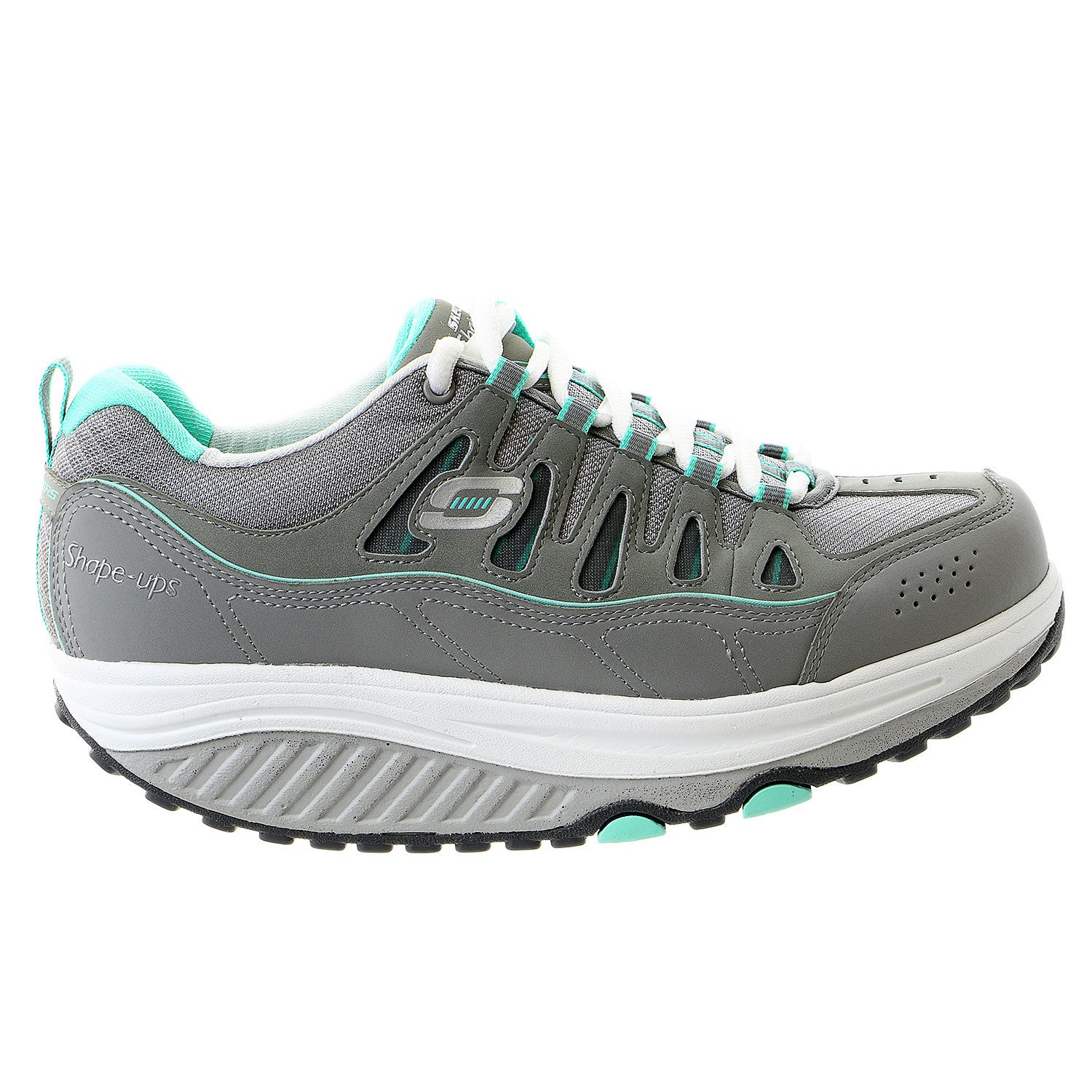
The Style Synthesis: From Court to Boulevard
Function is futile without desire. The triumph of the tennis shoes for walking category is its deep well of stylistic heritage. Unlike many technical walking shoes, tennis shoes carry a cultural legacy. Think of the iconic films that cemented their style status: Steve McQueen’s minimalist sneakers in “The Thomas Crown Affair,” or the preppy uniform of white sneakers in countless coming-of-age stories. This isn’t mere nostalgia; it’s a design language that speaks of clean lines, versatile colorways, and timeless proportions. The white leather sneaker, a direct descendant of the tennis court, has been analyzed by fashion historians from Vogue to Business of Fashion as the ultimate sartorial neutral, bridging casual and smart-casual attire. The modern walker can choose from retro classics like the Adidas Stan Smith or the Onitsuka Tiger Mexico 66, which offer minimalist aesthetics, or opt for contemporary “court-inspired” models from brands like Koio or Common Projects that use premium materials for a luxe feel. The key is that the style is inherent, not an afterthought. You are not wearing a “walking shoe” that tries to look sporty; you are wearing a style icon that happens to be biomechanically brilliant for walking. This synthesis empowers you to transition seamlessly from a morning power walk to weekend errands or a casual lunch without a footwear change.
Material World: Leather, Mesh, and Sustainability
The choice of upper material profoundly affects both style and function. Full-grain leather uppers, as seen in many classic designs, offer superior structure, durability, and mold to the foot over time, developing a unique patina. They provide excellent support and weather resistance. However, they can be less breathable. Engineered mesh uppers, common in modern performance models, offer exceptional breathability and lightweight flexibility, conforming to foot movement with minimal break-in time. The contemporary walker also increasingly considers sustainability. Brands are responding with recycled polyester uppers, natural rubber outsoles, and water-based adhesives. When evaluating tennis shoes for walking, consider your primary environment. For urban walking in variable climates, a leather or synthetic leather option might be best. For warm-weather, high-mileage walks, a technical mesh with strategic reinforcements could be ideal. The market now offers both, allowing you to align your footwear with your functional needs, style preferences, and values.

The Professional’s Perspective: A Curated Selection
Bringing professional knowledge to your search means cutting through marketing with a curated lens. Here are three archetypes of tennis shoes that serve walkers exceptionally well, representing different points on the support-style spectrum. First, the Modern Performance Hybrid: Shoes like the ASICS GEL-Resolution 9 or the Nike Air Zoom Vapor Cage 4. These are born from professional tennis needs, featuring top-tier cushioning (ASICS’ GEL, Nike’s Zoom Air), lockdown uppers, and exceptional stability. They are ideal for the walker who prioritizes technical performance and plans to log serious, fast-paced miles. Second, the Heritage Stability Icon: The New Balance 990 series is a masterpiece of American engineering. Its ENCAP midsole combines soft cushioning with a durable polyurethane rim for support, and its wide sizing availability ensures a precise fit. It’s a shoe celebrated on style forums like Styleforum and by podiatrists for its all-day comfort. Third, the Minimalist Style-Court Classic: The Adidas Stan Smith or the Veja Campo. These offer a firmer ride, exceptional arch and heel support from their cupsole construction, and timeless aesthetics. They are perfect for the urban walker whose mileage is moderate but whose demand for versatile style is high. Each represents a proven solution, vetted by both athletes and everyday users.
Investing in Your Stride: Value Beyond the Price Tag
Quality footwear is an investment in your musculoskeletal health and daily well-being. While premium tennis shoes for walking can carry a significant retail price, their value is measured in durability, performance, and injury prevention. A well-constructed shoe with a solid rubber outsole and quality midsole foam will maintain its structural integrity for 500 miles or more of walking, far outlasting a cheaper, less supportive alternative. To make this investment accessible, savvy shoppers should monitor end-of-season sales, outlet stores, and brand refurbishment programs like Nike’s “Refurbished” or Adidas’ “Recrenew.” Signing up for brand newsletters often yields first-access to discounts. Furthermore, the secondary market for lightly used premium models on platforms like eBay can offer exceptional value. Remember, the true cost of a shoe isn’t its price tag, but the cost per mile of comfortable, supported, and stylish walking. Investing in the right pair is a proactive step in preserving your mobility and enjoying every step of your journey.

The search for the perfect walking companion ends not in a specialized niche, but in a celebrated fusion. The modern tennis shoe, with its legacy of lateral support, impact engineering, and timeless design, presents a compelling answer. It offers the scientific rigor to protect your stride and the aesthetic virtue to elevate your day. By understanding the biomechanics, demanding key supportive features, and embracing the inherent style, you equip yourself not just with footwear, but with a tool for enhanced living. Your path forward deserves nothing less than this perfect synergy of foundation and form.
