

The Best Tennis Shoes for Everyday Walking Comfort
When we think of walking shoes, specialized designs often come to mind. Yet, a surprising and excellent alternative exists in the world of athletic footwear: tennis shoes for walking. The very design principles that make a shoe great for the lateral cuts and quick sprints of tennis—stability, cushioning, and durable support—translate remarkably well to the sustained, forward motion of daily ambulation. This isn’t merely anecdotal; it’s rooted in biomechanics and material science. For anyone seeking a versatile, supportive, and comfortable shoe that can handle everything from a morning commute to an extended weekend stroll, the modern tennis shoe presents a compelling, often overlooked solution. Let’s explore why these athletic hybrids deserve a prime spot in your everyday rotation.
The Unlikely Synergy: Tennis Biomechanics Meets Daily Walking
The fundamental reason tennis shoes for walking work so well lies in their engineered response to physical stress. Tennis is a multidirectional sport involving explosive side-to-side movements, sudden stops, and constant pressure on the forefoot and midfoot. Consequently, manufacturers invest heavily in technologies that provide lateral stability, torsional rigidity (to prevent the foot from twisting unnaturally), and forefoot cushioning. According to research from the University of Calgary’s Human Performance Laboratory, athletic shoes designed for court sports exhibit significantly higher levels of midfoot stability compared to standard running shoes, which are engineered primarily for forward motion. This inherent stability is a boon for walkers, as it helps control the natural pronation (inward roll) or supination (outward roll) of the foot during the gait cycle, reducing fatigue and potential injury risk over long distances. The durable outsoles, often made of non-marking rubber compounds designed for abrasive court surfaces, also offer exceptional longevity on pavement and other hard surfaces, outlasting many softer-soled walking-specific models. Therefore, choosing a tennis shoe for daily walking isn’t a compromise; it’s selecting a tool built for a broader, more demanding range of motion, which makes the simpler biomechanics of walking feel effortless.
Decoding the Anatomy of Comfort: Cushioning, Support, and Fit
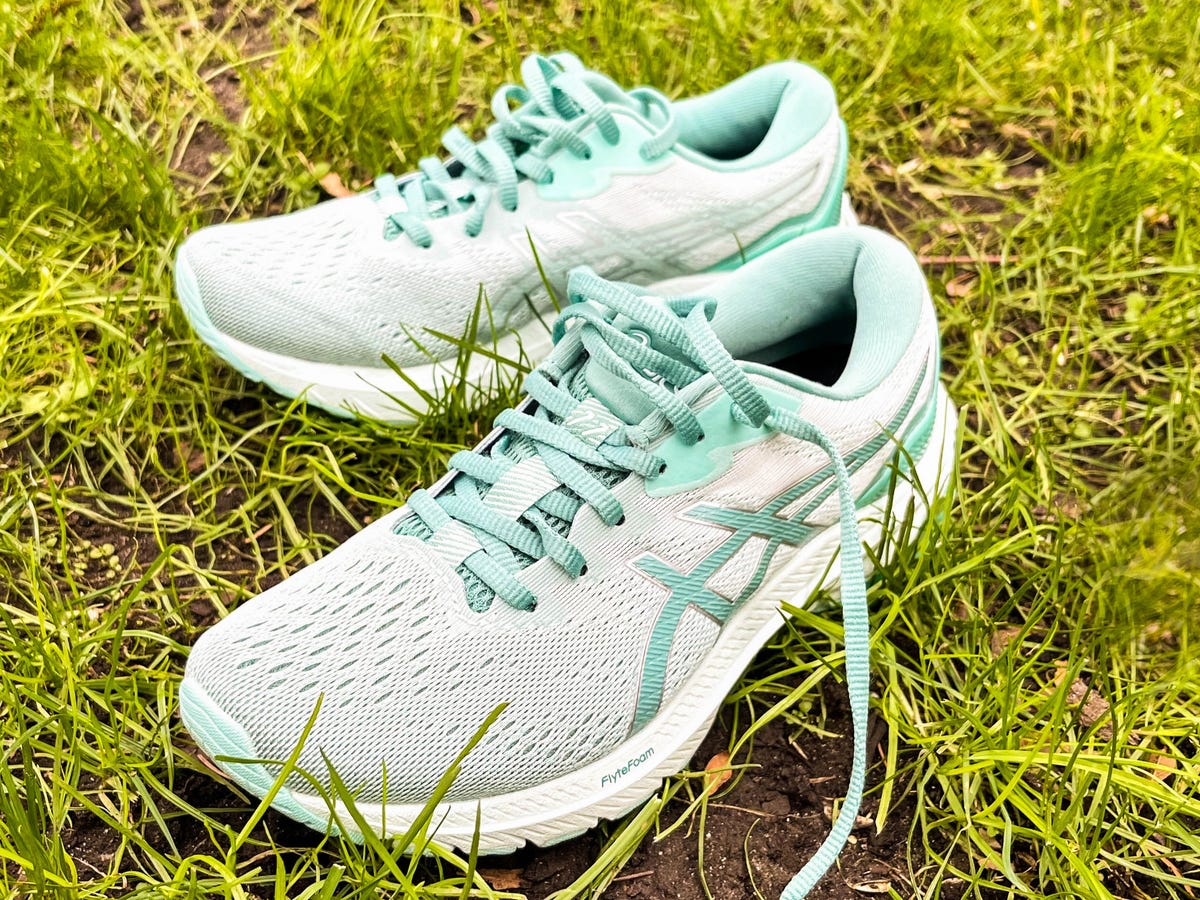
To understand the comfort of a tennis shoe, we must dissect its anatomy. The cornerstone is advanced cushioning systems. Brands like ASICS with their GEL technology, Nike with Air or Zoom units, and Adidas with Boost foam, initially developed for running, have been adapted for the higher-impact demands of tennis. These systems are strategically placed—often in the heel and forefoot—to absorb the shock of repeated foot strikes. For a walker, this translates to less joint stress, particularly in the knees and hips, over the course of a day. The second pillar is the support structure. A quality tennis shoes for walking will feature a reinforced heel counter—the firm cup that cradles the back of the foot—to prevent slippage and ensure a secure, locked-down feel. The midfoot often includes a torsional shank, a piece of rigid material that adds structural integrity, preventing the shoe from twisting and providing a stable platform for each step. As noted by podiatrist Dr. Emily Splichal in a feature for Verywell Fit, “Stability isn’t about restricting movement; it’s about guiding the foot through a natural, efficient, and safe path.” Finally, the fit is paramount. Tennis shoes typically have a roomier toe box compared to sleek running shoes, allowing toes to splay naturally upon foot strike, which is a critical yet often neglected aspect of walking comfort. This triumvirate of cushioning, structured support, and anatomical fit creates an environment where the foot is protected, guided, and free to move as intended.
:max_bytes(150000):strip_icc()/Web_1500-vwt-primary-best-overall-shoe-tstaples-118-671f4e0048e64d14a1c42e4f8d9e6658.jpg)
Beyond the Court: Versatility and Aesthetic Appeal
One of the most significant advantages of adopting tennis shoes for walking is their inherent versatility. Unlike many technical walking shoes that can appear overly utilitarian, tennis shoes have evolved with contemporary fashion. Models from brands like Adidas (Stan Smith, Court Vision), Nike (Court Legacy, Air Max Volley), and New Balance (CT300) have become streetwear staples, seamlessly blending with casual jeans, chinos, or even smarter-casual attire. This aesthetic flexibility means you can wear them from a morning walk in the park directly to a casual lunch or errands without feeling out of place. This duality is powerful. It addresses a common pain point: the desire for a single pair of shoes that performs functionally without sacrificing style. As fashion critic Tim Blanks once observed in Business of Fashion, “The greatest design success in modern footwear is the elevation of the athletic shoe from pure performance gear to a ubiquitous cultural symbol, without gutting its original purpose.” The tennis shoe sits perfectly at this intersection. Furthermore, their durable construction means they transition well from indoor to outdoor environments, handling office floors, supermarket aisles, and paved paths with equal aplomb. You are not just buying a walking shoe; you are investing in a multifaceted piece of footwear that supports your lifestyle in multiple dimensions.

Making an Informed Choice: Key Features to Prioritize
Not all tennis shoes are created equal for walking purposes. When selecting your pair, focus on a few critical features. First, prioritize cushioning over extreme lightness. While minimalist shoes have their place, for all-day walking comfort, ample shock absorption is key. Look for models that advertise specific cushioning technologies. Second, examine the outsole. A herringbone or modified herringbone tread pattern, common in tennis shoes, provides excellent traction on a variety of surfaces. The rubber should feel substantial, not paper-thin. Third, assess the upper material. Breathable mesh is ideal for temperature regulation, while synthetic leather or suede overlays add structure and durability. Fourth, consider the drop—the height difference between the heel and forefoot. A moderate drop (8mm-10mm) is often ideal for walking, promoting a natural heel-to-toe transition. Finally, and most importantly, try them on in the afternoon when your feet are slightly swollen, and wear the socks you intend to walk in. Walk around the store, not just a few steps. Your ideal pair of tennis shoes for walking should feel supportive and comfortable from the first moment, with no “break-in” period required. Remember, you are seeking a tool for daily comfort, and the right fit is non-negotiable.
Expert Voices and Tangible Value
The suitability of tennis shoes for walking isn’t just a theoretical claim; it’s echoed by professionals in related fields. Celebrity trainer Harley Pasternak, who works with clients requiring all-day comfortable footwear for busy urban lifestyles, has frequently mentioned the benefits of stable, cushioned court shoes in interviews. On platforms like YouTube, physiotherapists such as Bob & Brad often analyze footwear, highlighting the importance of heel counters and arch support found in many tennis models for preventing plantar fasciitis—a common walker’s ailment. From a value perspective, the durability of these shoes offers long-term savings. While the initial investment for a premium pair from ASICS, New Balance, or Saucony might range from $80 to $130, their construction ensures they last significantly longer than many cheaper, less robust alternatives. Furthermore, these models frequently go on sale as new colorways are released, allowing savvy shoppers to acquire top-tier technology at discounted prices. Retailers like Amazon, Zappos, and brand outlet stores often have previous-season models available at 20-40% off, making professional-grade walking comfort highly accessible. This combination of expert endorsement and tangible value solidifies the argument for considering these shoes as a primary choice.
:max_bytes(150000):strip_icc()/vwt-walking-shoes-test-ryka-devotion-x-sahara-borja-02-18807b688fbb49e4ba30a3ee438600cb.jpeg)
The quest for the perfect everyday walking shoe need not be confined to a single aisle labeled “walking.” By looking to the tennis court, we find footwear engineered for resilience, stability, and all-day comfort. The very attributes that allow a player to pivot and sprint provide a walker with unwavering support and cushioning mile after mile. When you choose a well-designed pair of tennis shoes for walking, you are not making a substitution; you are opting for a versatile, durable, and stylish companion for your daily journey. It’s a choice that supports your feet, aligns with an active lifestyle, and proves that the best tool for the job is sometimes found where you least expect it.
