

Style Meets Comfort for Every Step
We often think of fashion and comfort as opposing forces, locked in a perpetual tug-of-war. A stunning pair of heels commands attention but whispers promises of blisters by evening. A supremely cushioned sneaker cradles the foot but might be relegated to the gym bag, deemed unfit for a day out. This dichotomy is a false one. The modern pursuit of wellness and authentic self-expression demands footwear that doesn’t force a choice. The ideal walking shoe is no longer a purely utilitarian object; it is a foundational piece of personal technology and style that supports our daily journeys—from the morning commute to the evening stroll—without compromise. It is where biomechanical science intersects with design philosophy, creating a product that cares for the body while speaking to the individual.
The Anatomy of a Modern Walking Shoe: Beyond Basic Cushioning
To understand the evolution of the walking shoe, we must dissect its components with a scientific lens. The primary function is shock absorption and energy return. As noted by Dr. Casey Kerrigan, a former Harvard Medical School professor and biomechanics researcher, “The human body is designed to walk, but modern hard surfaces create repetitive stress.” A quality walking shoe mitigates this. The midsole, often made from advanced compounds like EVA (ethylene-vinyl acetate) foam, polyurethane, or proprietary blends like Brooks’ DNA LOFT or HOKA’s Profly, is the engine room. Its density and geometry determine not just softness, but stability and propulsion. The rocker sole design, popularized by brands like HOKA, facilitates a smoother heel-to-toe transition, reducing strain on the Achilles and calf muscles. The upper’s construction, utilizing engineered meshes and adaptive materials, provides a secure, sock-like fit that moves with the foot’s natural flexion. This isn’t mere marketing; it’s applied podiatric science. As the American Podiatric Medical Association emphasizes, proper footwear is a key component in preventing common ailments like plantar fasciitis and metatarsalgia. The contemporary walking shoe is, therefore, a carefully calibrated system where every element—from the contour of the insole to the flex grooves in the outsole—serves a biomechanical purpose.
Ergonomics as a Design Principle: Your Foot’s Natural Ally
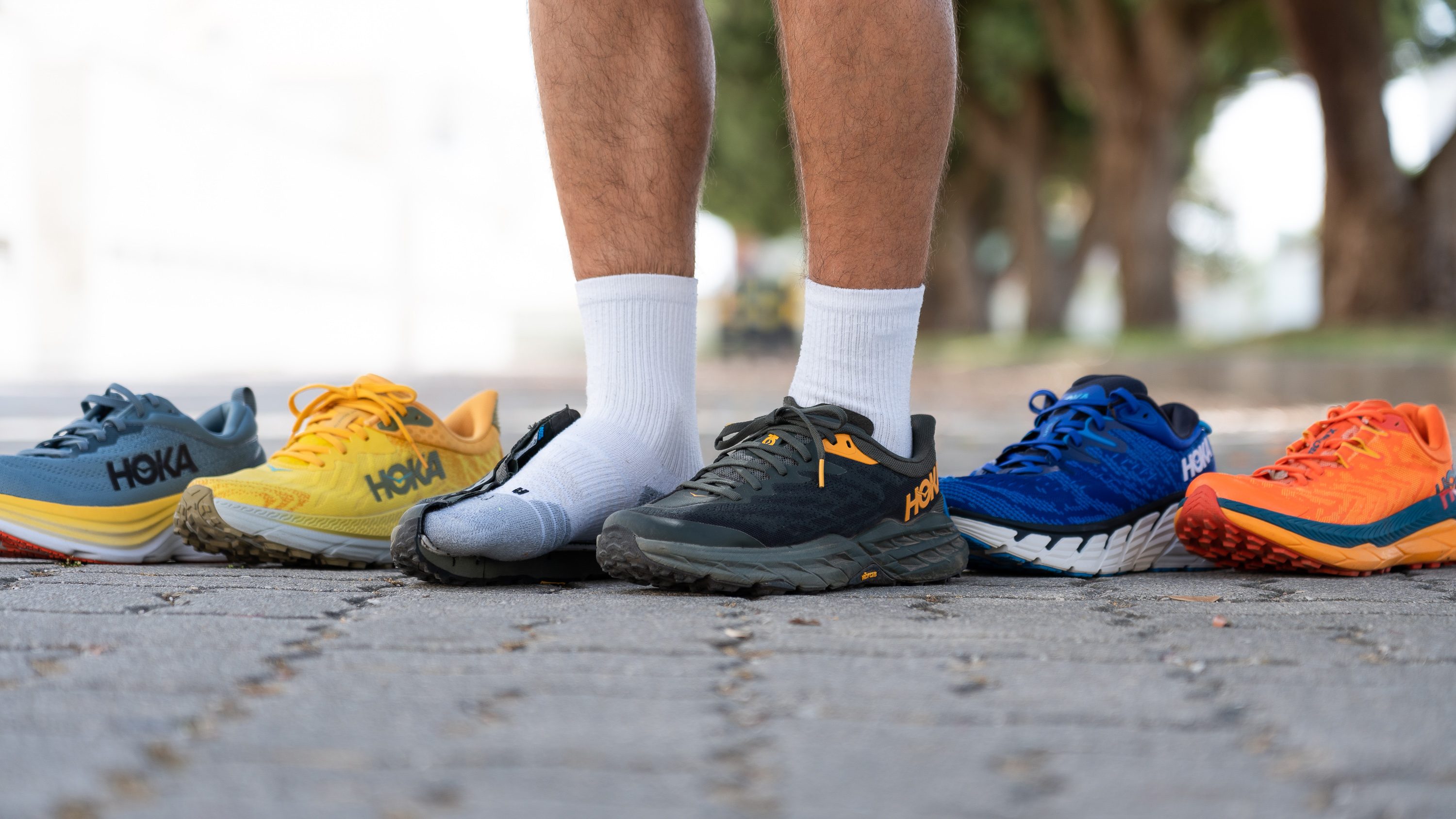
The concept of ergonomics—designing for human use and efficiency—is paramount. A well-designed walking shoe mimics and supports the foot’s natural anatomy. Consider the toe box. The trend toward wider, foot-shaped toe boxes, seen in brands like Altra, isn’t merely aesthetic. It allows the toes to splay naturally upon foot strike, improving balance and stability. This design philosophy echoes the principles found in minimalist or “barefoot” shoe literature, which argues for less restrictive footwear to strengthen intrinsic foot muscles. While not everyone needs an extreme minimalist shoe, the principle of anatomical alignment is universally beneficial. Furthermore, the heel counter—the firm cup at the back of the shoe—must be snug but not abrasive, locking the heel in place to prevent slippage that can lead to blisters and inefficient gait. As renowned ultrarunner and biomechanics coach Dr. Mark Cucuzzella states in his advocacy for healthy footwear, “It’s about creating an environment where the foot can function as it’s supposed to.” When you slip on a shoe that aligns with your foot’s structure, you’re not just putting on footwear; you’re entering a partnership. The shoe becomes an extension of your body’s mechanics, working with you, not against you. This ergonomic synergy is what transforms a simple shoe into a true walking shoe, capable of handling the multifaceted demands of urban exploration.
The Aesthetic Revolution: When Performance Meets Personality
For decades, “comfort shoes” were synonymous with beige, bulky, and frankly, bland designs. That era is conclusively over. Today’s leading athletic and footwear brands have fully embraced the idea that visual appeal is a core feature, not an afterthought. The color palettes have exploded, drawing inspiration from streetwear, high fashion, and digital art. Collaborations between performance brands like ASICS and fashion houses such as Kiko Kostadinov have blurred the lines entirely, creating collector’s items that perform flawlessly. The silhouette of a modern walking shoe—whether it’s the bold, maximalist stack height of a HOKA or the sleek, streamlined profile of an On Running Cloud—makes a statement. This shift is driven by a cultural movement where health-consciousness is worn as a badge of honor. Your choice of walking shoe communicates your values: an awareness of your body’s needs and a commitment to your own well-being, all while expressing your personal style. It reflects the “athleisure” trend identified by analysts, but moves beyond it into a realm of intentional, all-day performance wear. You are no longer choosing between “dress shoes” and “sneakers”; you are selecting a versatile tool that is appropriate for the office, a café, or a long walk in the park, without sacrificing an iota of your aesthetic identity.
:max_bytes(150000):strip_icc()/vwt-asics-womens-gel-pulse-16-jinfeng-chen-21-712f0f140e834b84b3a8dcf0bf154771.jpeg)
Material Innovation: The Fabric of Comfort and Durability
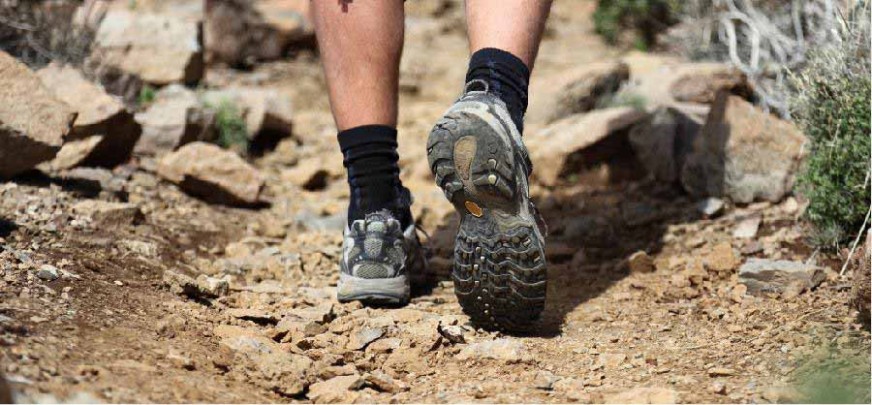
The surfaces we walk on are diverse, and so too must be the materials that protect our feet. Modern uppers utilize seamless knit technologies, such as Adidas’s Primeknit or Nike’s Flyknit, which reduce weight and eliminate potential friction points by constructing the upper from a single thread. These materials offer targeted breathability and stretch, adapting to the foot’s shape throughout the day. Water-repellent treatments and recycled materials, like polyester made from ocean plastic, are now standard in many lines, appealing to both practical needs and environmental consciousness. The outsole rubber compounds are equally sophisticated. Durable carbon rubber is placed in high-wear areas like the heel, while lighter, more flexible blown rubber might be used in the forefoot for better grip and a softer feel. This material science isn’t just for show; it directly impacts the longevity and performance of the shoe. A walking shoe built with these advanced materials can withstand hundreds of miles of pavement pounding while maintaining its structural integrity and comfort, ensuring your investment pays dividends in every step you take.
Making the Right Choice: A Guide for the Discerning Walker
With an overwhelming array of options, selecting the perfect pair can be daunting. The key is to align the shoe’s features with your unique physiology and lifestyle. First, understand your gait. Do you overpronate (your foot rolls inward excessively), supinate (rolls outward), or have a neutral stride? Many specialty running stores offer gait analysis, which can point you toward shoes with the appropriate level of arch support and stability features. Second, consider your primary use. Are you logging long distances on concrete, or are you seeking an all-day shoe for varied surfaces? A shoe with a more substantial rocker and cushioning, like many HOKA models, excels at the former, while a versatile trainer from New Balance or Brooks might be ideal for the latter. Don’t be swayed by trends alone; what works for a celebrity on YouTube may not suit your foot structure. As noted fitness expert and author Jillian Michaels often reminds her audience, “The best shoe is the one that fits your foot and supports your movement patterns.” Finally, always try shoes on in the afternoon when your feet are naturally slightly swollen, and wear the socks you intend to use with them. Walk around the store vigorously. The right walking shoe should feel immediately comfortable, with no “break-in” period required—a myth that podiatrists consistently debunk.
An Investment in Long-Term Wellbeing
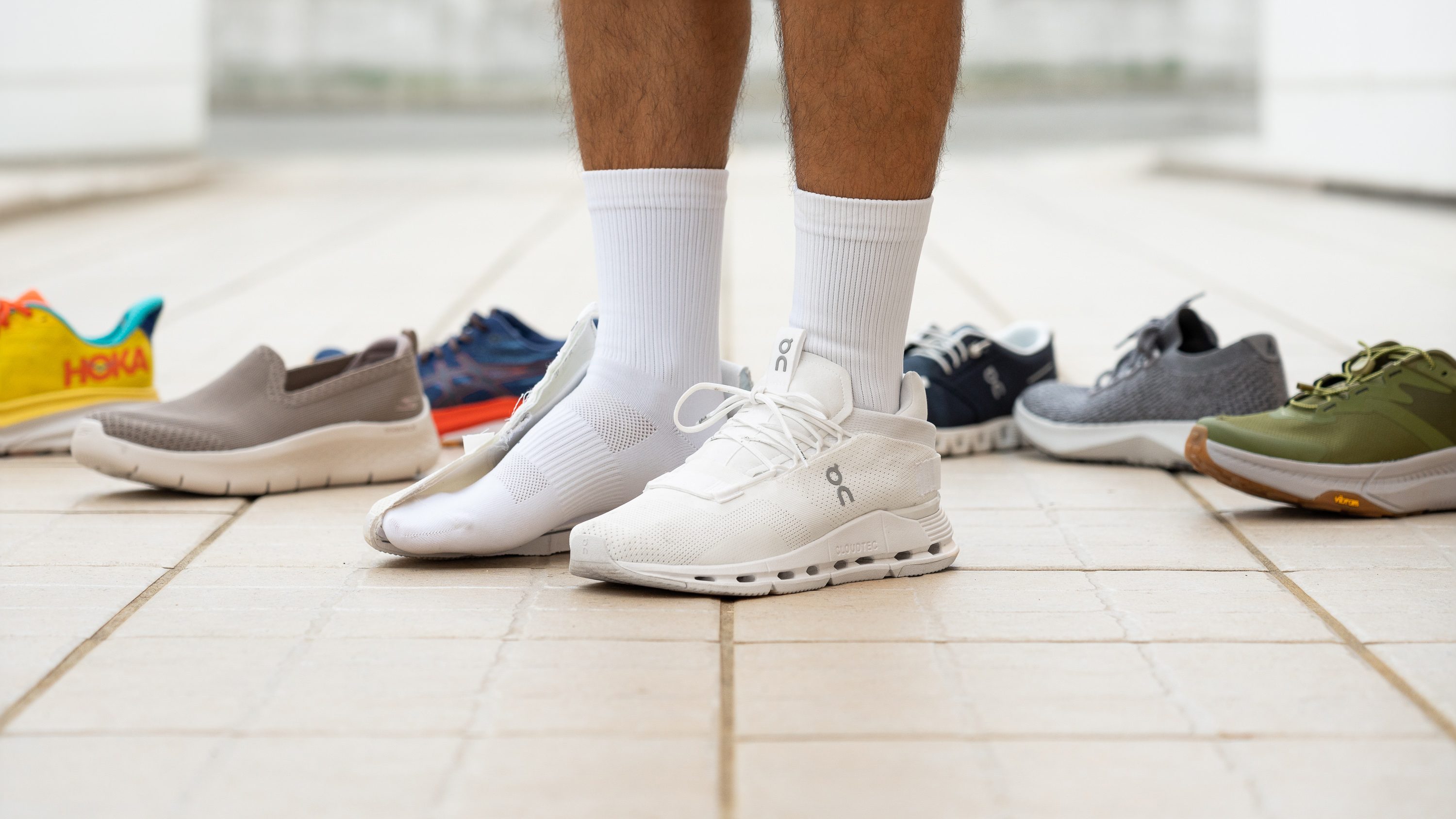
Viewing a premium walking shoe as a mere expense is a short-sighted perspective. It is, in fact, a critical investment in your musculoskeletal health. Chronic foot pain, knee issues, and back problems can often be traced back to inadequate footwear. By providing proper support and cushioning, a high-quality shoe reduces the cumulative impact forces that travel up your kinetic chain with every step. Think of it as preventive maintenance for your body’s most fundamental transportation system. The cost of a physical therapist for plantar fasciitis far exceeds the price of a well-engineered pair of shoes. Furthermore, the right shoe encourages more walking—a low-impact, accessible form of exercise lauded by health authorities worldwide. The U.S. Centers for Disease Control and Prevention recommends at least 150 minutes of moderate-intensity aerobic activity, like brisk walking, per week. A comfortable, appealing shoe removes a significant barrier to achieving this goal. It makes the healthy choice the easy and desirable choice. In this light, the value proposition of a superior walking shoe becomes clear: it is an enabler of a more active, pain-free, and stylish life.
The journey toward finding the perfect shoe is a personal one, but it need not be a compromise. The fusion of cutting-edge biomechanics, innovative materials, and conscious design has finally delivered footwear that honors both the body and the spirit. Your stride is your signature. It deserves a foundation that offers unwavering comfort and confident style, step after step after step.
