

Step Into Style: The Ultimate Guide to Toe Walker Shoes for Effortless Chic
Forget everything you thought you knew about orthopedic or specialized footwear. The modern landscape of fashion and function has birthed a category that defies old stereotypes: toe walker shoes. No longer confined to clinical settings or viewed purely as medical devices, these shoes have undergone a radical transformation. Today, they represent a powerful fusion of biomechanical support and high-design aesthetics, offering a path to both physical ease and undeniable style. This isn’t about compromising; it’s about a sophisticated upgrade to your wardrobe that understands the foundation of true comfort is scientific support. We’re moving beyond the notion that “sensible” shoes can’t be stunning. The contemporary iteration of toe walker shoes is here, and it’s redefining what it means to walk through life with confidence, grace, and effortless chic.

The Science of the Stride: Deconstructing Toe Walking and Its Solutions
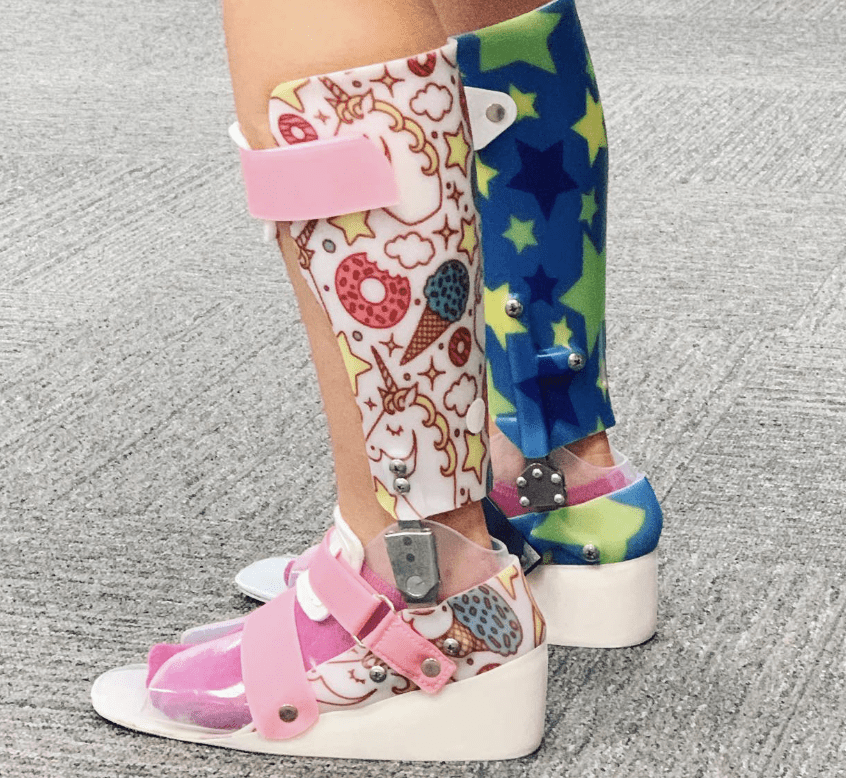
To truly appreciate the design genius behind modern toe walker shoes, we must first understand the biomechanics they address. Toe walking, or idiopathic toe walking (ITW) when no underlying medical condition is present, is a gait pattern where an individual walks on the balls of their feet with minimal or no contact between the heels and the ground. According to research published in journals like The Journal of Children’s Orthopaedics, this pattern can lead to a cascade of anatomical stresses: shortened Achilles tendons, altered calf muscle development, and potential issues with balance and posture that can extend into adulthood. Traditional corrective methods often involved rigid, clunky braces or orthopedic shoes that, while potentially effective therapeutically, were sartorial nightmares. The revolution began when podiatrists, biomechanical engineers, and forward-thinking designers asked a pivotal question: What if the corrective element was seamlessly integrated into a shoe you’d actually want to wear? The answer lies in sophisticated features like rocker soles, which reduce the bending stress on the metatarsophalangeal joints by promoting a rolling gait, and rigid or semi-rigid heel counters that provide essential stability to prevent the heel from collapsing inward or outward. These aren’t mere “add-ons”; they are foundational principles derived from orthotic science, now elegantly disguised within sleek silhouettes. As Dr. Jane Andersen, a renowned podiatrist, has stated in interviews, “Supportive footwear is the first line of defense for a healthy gait. When that footwear is also attractive, compliance soars.” This intersection of medical authority and design desire is the bedrock of the new toe walker shoes movement.
From Clinic to Catwalk: The Aesthetic Evolution
The visual transformation of this category is nothing short of remarkable. Cast aside any imagery of stark white, Velcro-strapped shoes. The contemporary market is flooded with options that draw inspiration from the runways of Paris, Milan, and New York. We see luxurious leathers, supple suedes, and sustainable textiles crafted into minimalist loafers, elegant ballet flats with hidden support, and even sleek ankle boots. Brands like Cole Haan have long infused athletic technology into dress shoes, a concept that perfectly aligns with the needs of the toe-walking community. The design philosophy is one of integration, not segregation. A key trend is the “concealed platform”—a slight, often undetectable elevation in the heel area within the shoe that gently encourages a more natural heel-to-toe strike without the appearance of a bulky orthotic. Another is the use of monochromatic color palettes and clean lines, which lend a timeless, versatile quality. As fashion icon Diana Vreeland famously quipped, “The eye has to travel.” With these shoes, the eye travels over a beautiful object first; the innovative engineering is the delightful secret. This evolution mirrors a broader cultural shift documented on platforms like Quora and YouTube, where style influencers with a focus on adaptive fashion champion the idea that looking good and feeling good are not mutually exclusive but intrinsically linked. The modern toe walker shoes are a testament to this very principle.
Curating Your Capsule: A Style Guide for Every Occasion
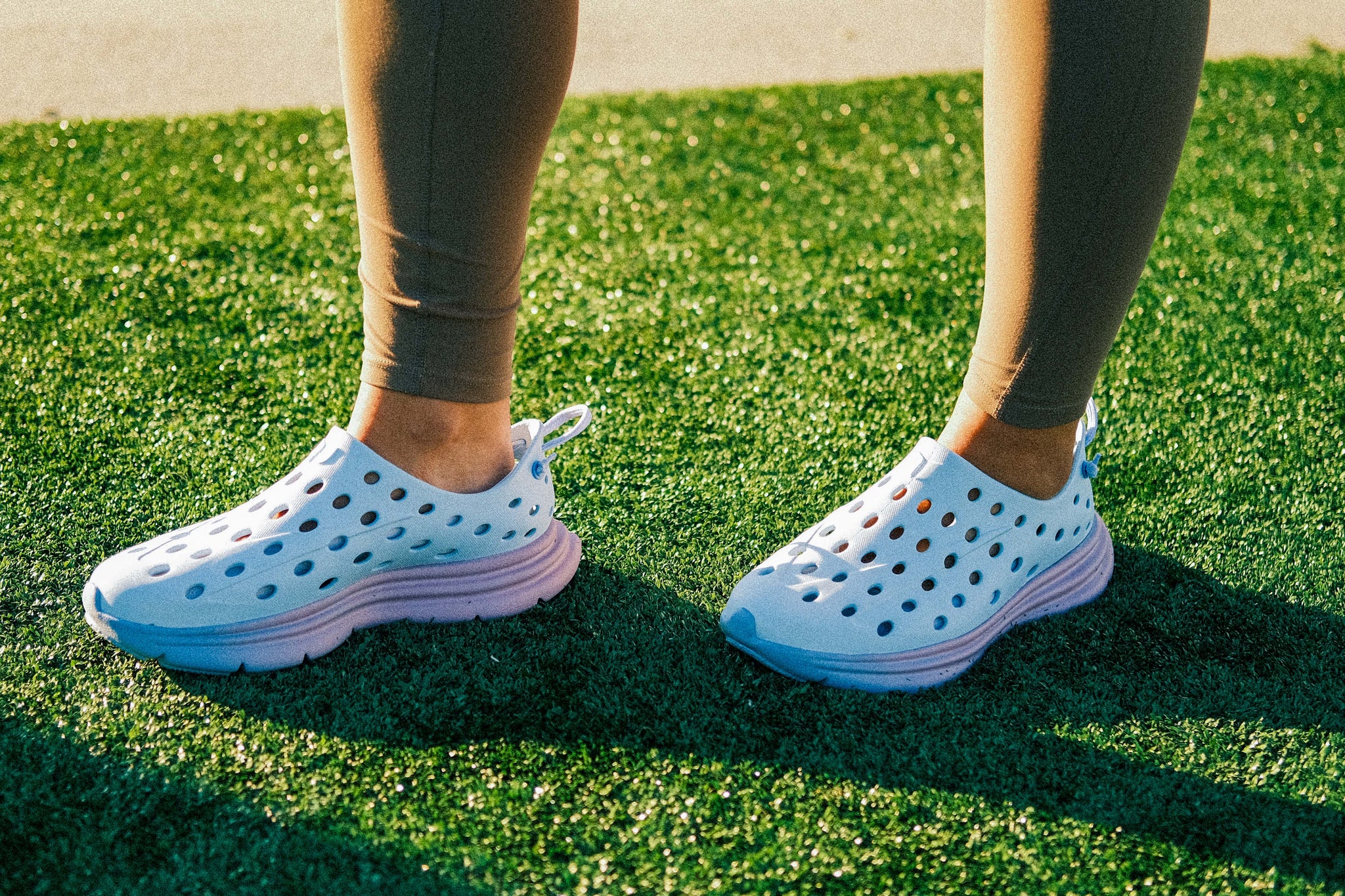
Building a wardrobe with these shoes is an exercise in intelligent curation. The goal is to select pieces that offer maximum versatility and uncompromising support. Let’s break it down by scenario. For the professional environment, seek out a pointed-toe flat or a low-block heel pump with a rigid backstay and a cushioned, rocker-inspired sole. Brands like Vionic, endorsed by medical professionals for their biomechanical footbeds, offer stunning options that can carry you from a boardroom presentation to an evening networking event. On weekends, the focus shifts to casual chic. A premium leather sneaker with arch support and a wide toe box is indispensable. Look for designs that cite features like “motion control” or “stable heel counters”—jargon that translates to invisible support for a toe-walking gait. The third essential is an elegant boot for cooler months. An ankle boot with side zipper entry (easier than laces for some) and a non-slip, slightly rockered sole provides both security and style. Remember, the principle is to invest in quality over quantity. As the minimalist philosophy championed by Marie Kondo in her best-selling book The Life-Changing Magic of Tidying Up suggests, every item in your closet should “spark joy.” A well-crafted, supportive shoe does more than that—it sparks joy with every pain-free step you take.
The Insider’s Edge: Professional Knowledge and Smart Investment
Navigating this specialized market requires an insider’s knowledge. First, always prioritize fit over the size number. Your supportive shoe should have ample space in the toe box (about a thumb’s width from your longest toe to the end of the shoe) to allow your toes to splay naturally, a concept supported by Harvard Medical School publications on foot health. The heel should be snug but not tight, with zero slippage. Second, understand the materials. Full-grain leathers will mold to your foot over time while providing structure, whereas high-tech mesh offers breathability for active wear. Now, let’s talk value. While premium materials and patented orthotic technology command an investment, savvy shopping strategies exist. Direct-to-consumer brands often offer better value by cutting out middlemen. Sign up for newsletters to receive notifications on seasonal sales, where previous season’s colors can be acquired at significant discounts—often 20-30% off. Retailers like Zappos frequently run sales on therapeutic brands, and checking Amazon’s “Warehouse Deals” can yield new or like-new options at a fraction of the cost. Remember, investing in a $150 pair of shoes that lasts three years and prevents pain is far more economical than repeatedly buying $50 pairs that offer no support and need replacing every six months. This is the true meaning of value: cost per comfortable day.
The Voice of Experience: Testimonials and Cultural Resonance
Beyond the specs and sales, the true power of this movement is heard in the voices of those who wear them. On social media platforms like Twitter and Instagram, communities have formed where individuals share their journeys. One user might post, “Finally found a pair of toe walker shoes that don’t scream ‘orthopedic’! My feet and my Instagram feed thank me.” This social proof is powerful. Furthermore, the concept finds resonance in broader culture. In the film The Devil Wears Prada, the transformative power of the right footwear is subtly acknowledged as a tool of confidence and capability. Literature, too, offers parallels. The meticulous care Cinderella’s prince takes to find the perfect fit for the glass slipper is, at its heart, a story about the importance of footwear that matches the individual’s unique contour and need. These narratives underscore a universal truth: what we put on our feet fundamentally affects our journey. As renowned shoe designer Christian Louboutin once told Vogue, “Shoes transform your body language and attitude. They lift you physically and emotionally.” The new generation of supportive shoes simply ensures that lift is built on a foundation of wellness, not just a high heel.

The journey toward effortless chic is no longer a path paved with painful sacrifices. It is a conscious choice to embrace footwear that honors the intricate design of the human body while celebrating personal style. The evolution of toe walker shoes from clinical aids to fashion-forward staples marks a significant shift in how we define wellness and aesthetics. They are not a limitation but a liberation—offering the freedom to move through your day with unwavering comfort and polished confidence. This is the future of footwear: intelligent, beautiful, and designed for the real, dynamic way we live. Your next step, quite literally, can be your most stylish yet.
