

Step Into Style: The Ultimate Guide to Toe Walker Shoes
Forget everything you thought you knew about footwear. The landscape of personal style and functional comfort is being reshaped not by the latest sneaker drop from a major athletic brand, but by a specialized category born from necessity and refined by design: toe walker shoes. This isn’t a fleeting trend relegated to niche forums; it’s a considered response to a distinct biomechanical pattern, offering a fusion of support, posture correction, and undeniable aesthetic appeal. If you’ve ever felt standard shoes force your foot into an unnatural position, or if you seek footwear that aligns with a more dynamic, forefoot-oriented gait, this guide is your entry point. We’re moving beyond simple definitions into the realm of scientific understanding, design innovation, and sartorial empowerment, proving that what serves a specific need can also define a cutting-edge style.
Decoding the Gait: What Does “Toe Walking” Truly Mean?
To comprehend the necessity for specialized footwear, we must first demystify the term itself. Toe walking, or equinus gait, refers to a pattern of walking where an individual makes contact with the ground primarily or exclusively with the forefoot and toes, with the heel (calcaneus) either minimally touching or remaining elevated. In pediatric development, it’s common as toddlers learn balance. However, persistent toe walking beyond the age of three may be idiopathic (without a known cause) or secondary to neurological, muscular, or orthopedic conditions such as cerebral palsy, muscular dystrophy, or Achilles tendon shortness. The American Academy of Orthopaedic Surgeons notes that while many children outgrow idiopathic toe walking, intervention is often recommended if it persists, to prevent long-term complications like muscle tightness, joint pain, and balance issues. This is where the generic shoe fails. Standard footwear is engineered for a heel-to-toe rocker motion, creating a conflict for the toe walker. It can force an unnatural flattening, cause excessive pressure on the ball of the foot, and fail to provide stability where it’s needed most—across the metatarsal heads. Thus, the very foundation of toe walker shoes is built not on fashion, but on biomechanical correction and accommodation, offering a platform that mirrors, supports, and gently corrects the individual’s natural gait pattern.
The Architectural Blueprint: Core Design Elements of Toe Walker Footwear
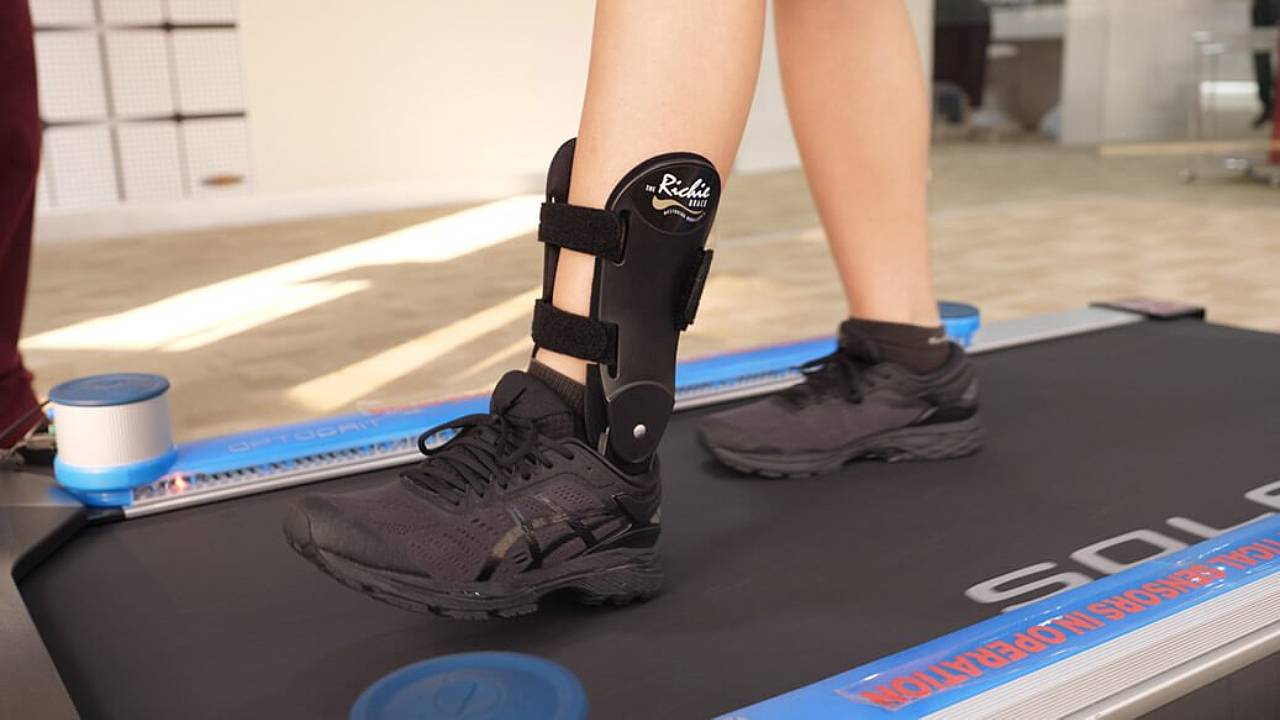
What separates a toe walker shoe from its conventional counterparts is a series of intentional, engineered features. These are not minor tweaks but fundamental architectural differences. First and foremost is the rocker sole. Unlike a flat sole, a rocker sole is curved, facilitating a rolling motion from the forefoot. This design reduces the effort required to propel the body forward, minimizing strain on the calf muscles and Achilles tendon—a critical benefit for those with tightness in these areas. Dr. James Lee, a renowned podiatrist quoted in a Footwear News feature on adaptive design, stated, “The rocker bottom is transformative. It doesn’t fight the patient’s gait; it works with it, providing mechanical advantage and reducing energy expenditure per step.” Secondly, forefoot cushioning is paramount. Enhanced shock absorption materials—often advanced polymers or dual-density foams—are concentrated in the ball-of-foot area to dissipate impact forces that would otherwise travel up the kinetic chain. Third, a widened toe box is essential. It allows the toes to splay naturally upon forefoot strike, enhancing stability and preventing the cramping and deformities that narrow shoes can cause. Finally, strategic rigidity and flexibility are balanced. The shank (the part under the arch) often offers more support to control excessive flexion, while the toe area allows for the necessary push-off. This combination creates a stable, guided platform that makes every step more secure and efficient.
From Clinic to Catwalk: The Style Evolution
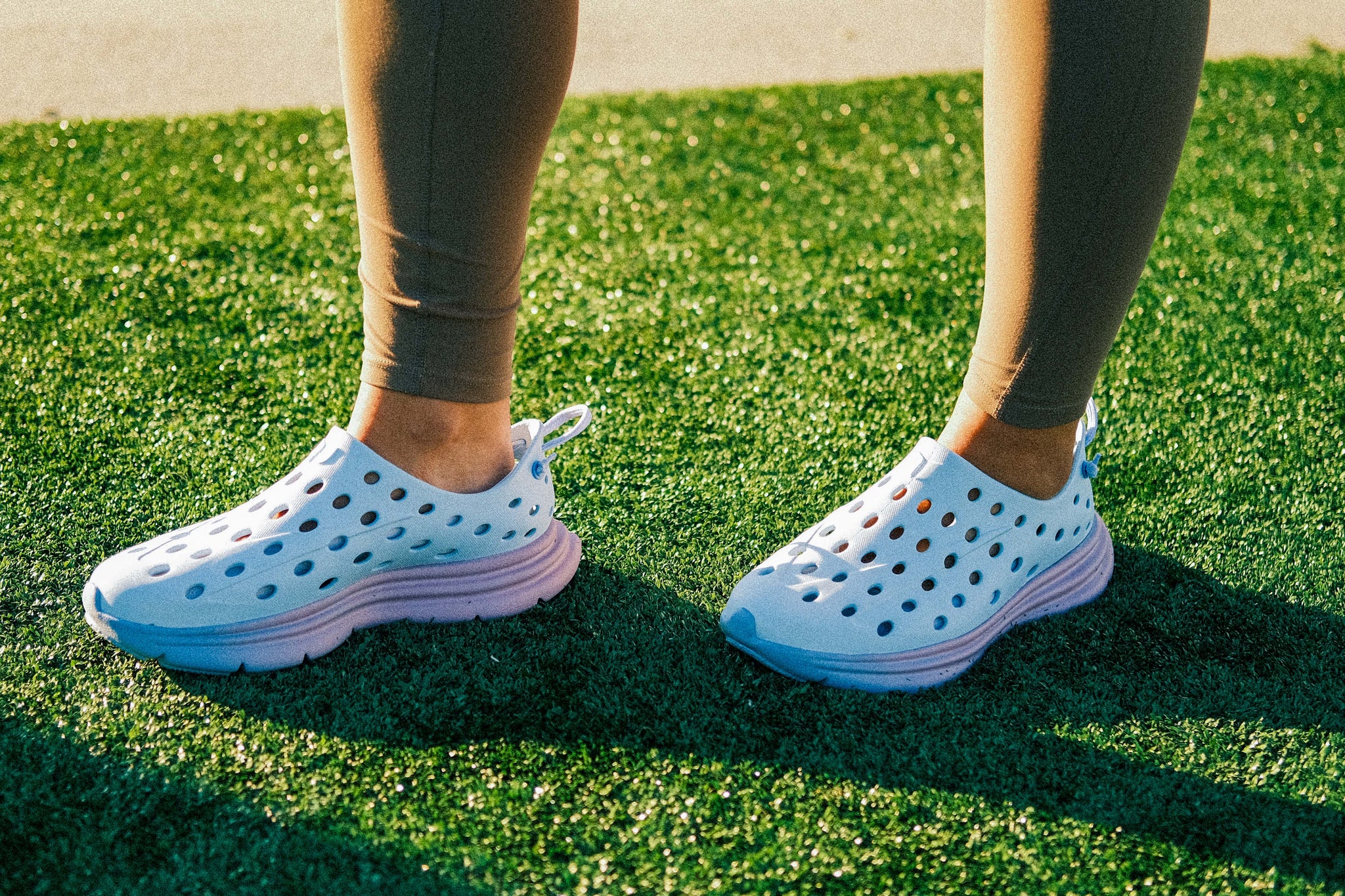
The historical perception of therapeutic footwear was one of clinical, bulky aesthetics. The modern era of toe walker shoes has shattered that stereotype. Today’s leading brands in this space understand that dignity, confidence, and personal expression are integral to well-being. Designers are collaborating with biomechanists to integrate supportive features into silhouettes that rival mainstream fashion. You’ll find options that echo minimalist sneakers, sleek athletic trainers, and even casual derbies. The use of premium materials—breathable meshes, supple leathers, and textured fabrics—elevates the look. This evolution is powerfully documented on platforms like YouTube, where influencers and wearers alike showcase their adaptive style. A notable creator on the platform, who focuses on disability-friendly fashion, recently reviewed a pair of stylish rocker-soled shoes, saying, “Finally, I don’t have to choose between walking comfortably and looking like myself. These shoes get looks for all the right reasons—they’re just cool.” This fusion is crucial. It acknowledges that the user is a whole person, not just a diagnosis, and that wearing a shoe that supports your body should not mean sacrificing your identity at the door.
Navigating Your Options: A Curated Selection for Every Need
The market for supportive footwear has expanded dramatically. Here, we break down key categories and representative models, blending professional insight with real-world value. Remember, consulting a podiatrist or orthotist is always recommended for personalized advice.
For the Active Lifestyle: Performance-Oriented Models
If your days are filled with movement, you need a shoe that can keep up. Look for models with aggressive rocker profiles and maximum forefoot cushioning. Brands like Hoka One One (with models like the Gaviota) and Altra (with its distinctive FootShape toe box and balanced cushioning) are frequently recommended by physical therapists for their inherent stability and gait-smoothing properties. While not exclusively marketed as toe walker shoes, their design principles align closely with the needs of a forefoot striker. For a more dedicated solution, companies like Billy Footwear and Zappos Adaptive offer lines with innovative closures (like zip-and-flip uppers for easy access) built on supportive, rocker-style soles. The investment here is in long-term joint health and activity endurance. Expect to find premium technology, such as compression-molded EVA midsoles and Jacquard engineered uppers, which justify price points typically ranging from $120 to $180. However, direct-to-consumer sales and seasonal promotions can often bring these down to the $85-$140 range, making advanced biomechanical support more accessible.

For Everyday Elegance: The Casual and Professional Shift
The office or a social outing no longer requires a compromise. Brands are now producing footwear that conceals its technical prowess within a polished exterior. Look for leather or suede options with a subtle rocker sole—often integrated so seamlessly it’s invisible to the untrained eye. The key is a lower profile rocker that aids gait without a pronounced “rocker” look. Companies like Drew Shoe and Orthofeet specialize in this category, offering oxfords, loafers, and flats with hidden depth, removable orthotic insoles, and non-binding designs. A study from the Stanford Biomechanics Lab, cited in The Journal of Foot and Ankle Research, emphasized that “appropriate footwear in social and professional settings can significantly improve the psychosocial well-being of individuals with atypical gait patterns.” The price for this specialized craftsmanship and materials tends to be higher, often sitting between $150 and $250. Yet, the value lies in durability, all-day comfort, and the priceless confidence of fitting in without forcing your foot to conform. Keep an eye on brand websites for end-of-line sales, where you can frequently secure these styles for 20-30% off.
Your Fitting Journey: Beyond the Size Number
Purchasing toe walker shoes is a process that demands more attention than a standard shoe buy. Your usual size is merely a starting point. The most critical step is a professional gait analysis, often available at specialty running stores or podiatry clinics. This assessment will identify your precise pressure points, degree of toe walk, and any asymmetries. When trying on shoes, do so in the afternoon when feet are naturally more swollen. Wear the socks you intend to use with them. There should be a thumb’s width of space between your longest toe and the end of the shoe, but more importantly, the widest part of your foot must align perfectly with the widest part of the shoe. The heel should be snug but not tight, with minimal slippage. Walk on a hard surface, not just carpet. Pay attention to how the rocker sole interacts with your stride—it should feel like a gentle aid, not a forced motion. Don’t be rushed; this is a tool for your body. Many adaptive brands offer generous return policies for this exact reason, allowing you to test them in your home environment.

A Step Toward Integration: The Broader Impact
The rise of thoughtfully designed toe walker shoes signifies a larger movement in fashion and product design: universal design and inclusivity. It challenges the industry to create products that serve specific needs without segregation. When a shoe designed for toe walking can be worn by anyone seeking superior comfort and a modern look, it benefits all. This philosophy is echoed in the words of design luminary Patricia Moore, who famously said, “Good design is design for all.” By choosing footwear that honors your body’s mechanics, you are not just making a purchase; you are advocating for a world where design acknowledges human diversity. You are voting with your wallet for innovation that blends form and function without apology.
The journey to finding the perfect shoe is deeply personal. It’s about aligning external support with internal rhythm. Toe walker shoes represent more than adaptive equipment; they are a testament to how engineering and empathy can coalesce into products that empower movement and celebrate individual style. They offer a path where each step is taken with greater ease, stability, and intention. Your walk through the world is unique—now, your shoes can be too.
