

Step Into Comfort and Style with Vionic Walking Shoes
For years, the pursuit of the perfect walking shoe felt like a compromise. You could have cushioning that felt like walking on clouds, but the shoe looked like a medical device. Alternatively, you could find a stylish sneaker that left your feet aching after a few city blocks. This dichotomy between wellness and aesthetics has been a persistent frustration. However, the landscape of footwear is shifting, driven by a convergence of podiatric science and design innovation. At the forefront of this movement is a category of footwear that refuses to ask you to choose: the biomechanically engineered walking shoe. Leading this charge is a brand that has built its philosophy around this very principle. Today, we explore how Vionic walking shoes are redefining what it means to step out in comfort without sacrificing an ounce of style, merging the clinical insights of orthopedics with the vision of contemporary design.
The Foundation: Biomechanics and Foot Health
To appreciate the innovation behind these shoes, we must first understand the science they are built upon. Biomechanics, the study of the structure and function of biological systems through the methods of mechanics, is crucial in footwear design. According to research from institutions like the University of Virginia’s School of Medicine, improper foot alignment and gait can lead to a cascade of issues—plantar fasciitis, knee pain, hip discomfort, and even lower back problems. The human foot is a complex structure with 26 bones, 33 joints, and over 100 muscles, tendons, and ligaments. When this intricate system is not properly supported, the entire kinetic chain suffers. Traditional flat insoles or overly soft, unsupportive cushioning fail to maintain the foot’s natural tripod structure—the heel, the base of the little toe, and the base of the big toe. This is where the concept of orthotic support, often associated with clinical, cumbersome devices, enters the picture. However, the modern interpretation, as seen in brands like Vionic, is about integrating that essential support seamlessly into everyday footwear. The core technology typically involves a built-in orthotic footbed that features three zones of support: a deep heel cup to stabilize the rearfoot, arch support to maintain the medial longitudinal arch, and a forefoot cradle to allow for proper toe-off. This isn’t mere marketing; it’s applied podiatric science aimed at promoting natural alignment from the ground up.
Beyond the Clinic: The Style Revolution
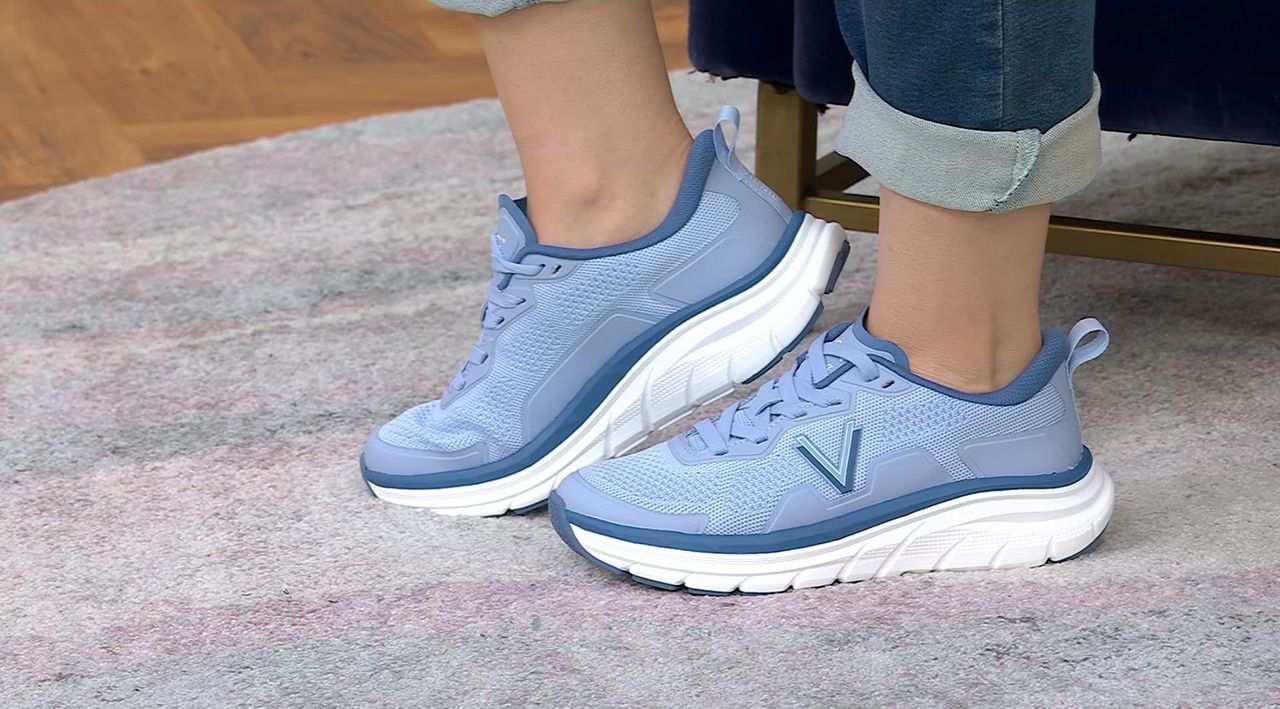
The historical stigma of “orthopedic shoes” being frumpy or purely medical is being dismantled. We are in an era where wellness is woven into lifestyle, and footwear is a prime example. The demand is no longer for a shoe you only wear at home for relief; it’s for a shoe you’re proud to wear to brunch, on a travel adventure, or during a busy workday. This is the style revolution in supportive footwear. Design teams are now tasked with a fascinating challenge: how to conceal sophisticated biomechanical engineering within a silhouette that is fashionable, versatile, and trend-aware. The result is a generation of shoes where the supportive footbed is the hidden hero, and the exterior is all about contemporary aesthetics. From sleek leather walkers that pair with chinos and dresses to knit sneakers that look like they belong in a street-style blog, the options are vast. This shift is echoed in popular culture and media. Fashion influencers and celebrities, once solely showcasing haute couture, now frequently advocate for “comfort-first” fashion, normalizing the idea that looking good and feeling good are not mutually exclusive. A well-known fashion editor once remarked in an interview, “The ultimate luxury in today’s world is not just a designer label, but the luxury of movement without pain.” This sentiment captures the essence of the modern walking shoe’s mission.
Why Vionic Stands Apart: A Symphony of Support and Design
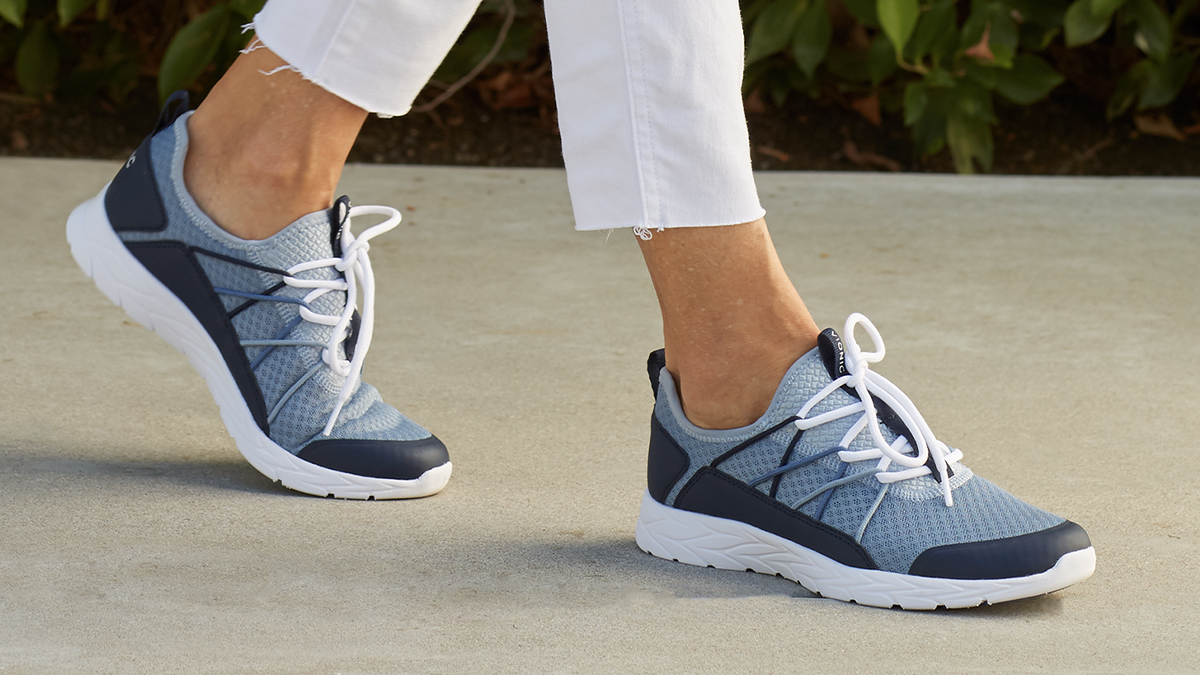
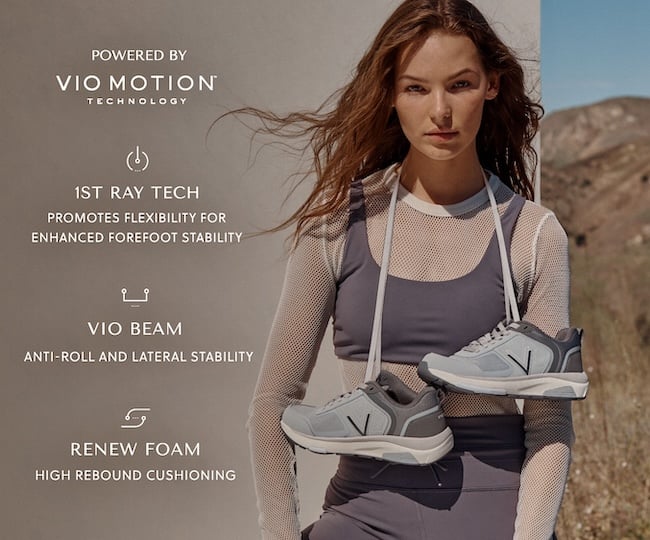
Several brands have entered the supportive footwear space, but Vionic has consistently distinguished itself through a focused, podiatrist-developed approach. Their journey often begins not just with a designer’s sketch, but with a clinician’s insight. The brand’s foundational technology, often referred to in their materials, is built around that precise three-zone comfort system mentioned earlier. What makes a Vionic walking shoe particularly effective is its attention to the subtleties of gait cycle biomechanics. For instance, the heel cup isn’t just deep; it’s often angled to help control overpronation (the excessive inward roll of the foot), a common culprit behind many foot ailments. The arch support is not a one-size-fits-all bump but is strategically contoured to suit different foot types where possible. Furthermore, many of their styles incorporate a slight rocker in the sole, which facilitates a smoother transition from heel strike to toe-off, reducing strain on the plantar fascia. This level of detail translates directly to user experience. On platforms like Quora and Reddit’s r/PlantarFasciitis, countless testimonials from individuals detail their journey from chronic pain to regained mobility after switching to consistently supportive footwear like Vionic’s. It’s this marriage of rigorous, evidence-based design with a commitment to evolving styles that solidifies their position. You are not wearing a medical appliance; you are wearing a thoughtfully engineered piece of footwear that happens to have profound therapeutic benefits.
The Personal Testimony: A Day in the Life
Let’s move from the general to the specific. Imagine you are a professional who is on your feet for several hours a day, perhaps a teacher, a nurse, or a retail manager. Your old shoes provided cushioning that initially felt good but degraded quickly, leaving your feet fatigued and your arches screaming by midday. You slip on a pair of Vionic walking shoes. The first noticeable difference is the immediate, firm yet comfortable support under your arch—it feels held, not just cushioned. As you walk, the shoe works with you. The stability in the heel prevents that slight, energy-wasting wobble with each step. The flexible forefoot allows your toes to move naturally. By the end of the day, the usual ache in your heels or the tightness in your calves is markedly diminished. This isn’t a hypothetical scenario; it’s a common narrative found in verified purchaser reviews on retail sites and wellness blogs. The difference lies in the proactive support. As noted by a sports medicine specialist in a YouTube interview, “Reactive cushioning absorbs impact after your foot has already landed in a compromised position. Proactive support guides your foot into a better position before the impact occurs, protecting the joints upstream.” This guiding principle is what you feel with every step in a well-designed supportive shoe.
An Investment in Long-Term Wellness
It’s tempting to view footwear through a short-term lens: cost per pair. However, a biomechanically sound shoe should be viewed as an investment in your long-term musculoskeletal health. Consider the analogy from automotive care: using the correct grade of oil and properly aligning your wheels is preventative maintenance that avoids costly repairs down the line. Your body is far more complex and irreplaceable than any vehicle. Wearing shoes that promote proper alignment is preventative maintenance for your knees, hips, and back. Literature from authoritative sources like the American Podiatric Medical Association (APMA) consistently highlights the role of appropriate footwear in preventing injury and managing conditions. Many styles from Vionic and similar brands have earned the APMA Seal of Acceptance, indicating they have been found to promote good foot health. This external validation adds a layer of scientific credibility beyond marketing claims. The return on investment isn’t just measured in the longevity of the shoe’s materials (which are often high-quality), but in the potential savings on medical bills, physical therapy, and the invaluable asset of pain-free mobility as you age. When you choose a Vionic walking shoe, you are making a conscious decision to prioritize the foundation of your movement.
Bringing Expertise and Value to Your Step
Understanding the technology and benefits is one thing; accessing them is another. We believe professional-grade foot health should not be gated by exorbitant prices. While the engineering and quality materials in biomechanical footwear command a value, there are consistent opportunities to make this investment more accessible. Direct-to-consumer sales, seasonal promotions, and bundle offers often provide significant value. For instance, investing in two versatile pairs—perhaps a classic sneaker and a casual loafer—during a promotional period can effectively extend the life of each pair by allowing them to rest between wears, all while securing a better price per pair. This approach brings the professional knowledge of podiatric science directly to you at a discounted price point, removing a barrier to long-term wellness. It’s about smart consumption: investing in quality that serves your body, and capitalizing on opportunities to acquire that quality wisely. The goal is to ensure that the step into comfort and style is a step that everyone can realistically take.

The journey to finding footwear that truly supports both your body and your lifestyle no longer requires a compromise. The evolution of brands like Vionic demonstrates that rigorous, science-backed comfort and compelling, contemporary style can coexist in a single pair of shoes. The Vionic walking shoe is more than a product; it’s a testament to a holistic approach to well-being, where every step is an opportunity for supported, graceful, and pain-free movement. It represents a quiet revolution—one where the best footwear isn’t the loudest in design, but the most intelligent in its construction, allowing you to move through your world with confidence, from the ground up.
