

Step Into Comfort and Style: The Ultimate Guide to Walking Shoes
Choosing the right footwear is not merely a matter of fashion; it is a foundational decision for your physical well-being and daily vitality. The perfect pair of walking shoes acts as a personal suspension system, transforming every step from a potential impact into a smooth, supported motion. This guide is designed to navigate you through the intricate world of walking footwear, blending scientific insight with practical advice to ensure your next step is your best one.
The Anatomy of a Superior Walking Shoe
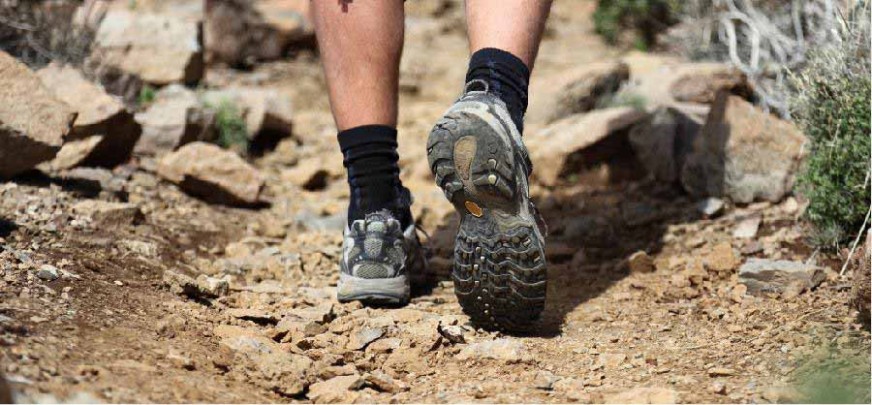
To appreciate what makes a great walking shoe, one must first understand its construction. Unlike running shoes designed for forward propulsion and high-impact heel strikes, a dedicated walking shoe is engineered for the unique gait cycle of walking, which involves a more pronounced heel-to-toe roll and sustained contact with the ground. The key components are the midsole, the insole, the outsole, and the upper. The midsole, often made from materials like EVA (ethylene-vinyl acetate) or polyurethane, is the heart of cushioning. Research from the Human Performance Laboratory at the University of Calgary emphasizes the role of midsole composition in attenuating shock waves that travel up the skeletal system with each step. The outsole provides traction and durability, with flex grooves that facilitate the natural bending of the foot. The upper, crafted from breathable mesh or engineered knits, offers a secure, non-restrictive fit. A proper walking shoe harmonizes these elements, offering stability without rigidity, and cushioning without bulk.
Cushioning vs. Support: Finding Your Balance
The debate between plush cushioning and firm support is central to selecting your ideal shoe. This choice is deeply personal and biomechanically specific. Maximal cushioning, as seen in shoes with thick, soft midsoles, aims to dissipate force broadly. Proponents, including many long-distance walkers cited on platforms like Quora, argue this reduces fatigue on joints. However, podiatrists often caution that excessive softness can destabilize the foot, leading to overpronation—an excessive inward roll of the foot after landing. Conversely, shoes with structured support feature dual-density midsoles and medial posts to guide the foot into a neutral position. The American Podiatric Medical Association notes that such support is crucial for individuals with flat feet or overpronation. The scientific viewpoint, supported by literature from Stanford University’s biomechanics department, suggests that the ideal walking shoe provides “responsive cushioning”—enough softness to absorb impact, but with a resilient, springy return of energy and a foundation that maintains natural alignment. It’s not about the most cushioning, but the right cushioning for your foot’s architecture.
The Critical Importance of Fit and Sizing
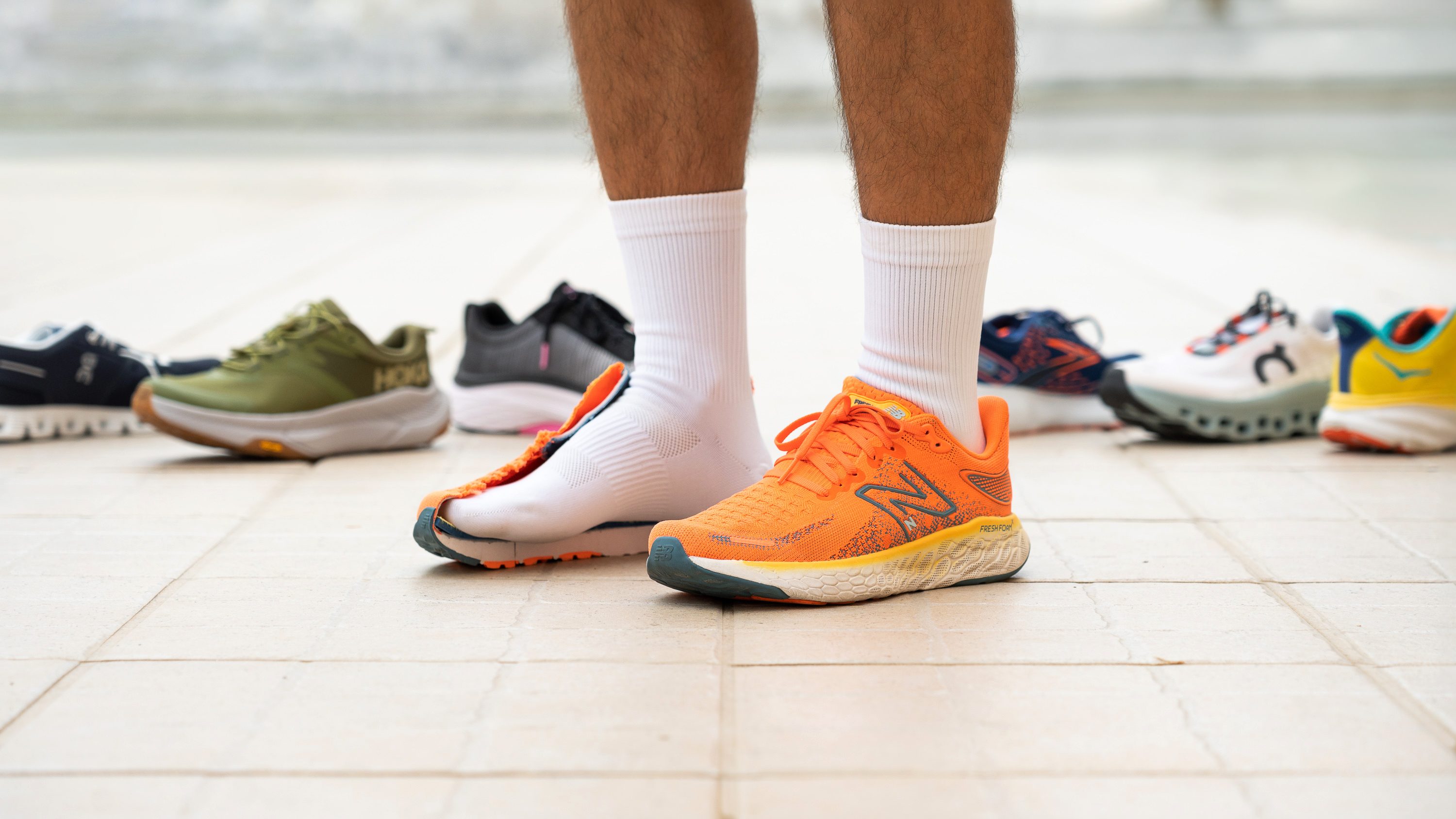
An impeccably designed shoe is rendered useless by a poor fit. The process of fitting a walking shoe should be meticulous and informed. Your feet swell throughout the day and expand under weight-bearing load; therefore, professional fitters recommend shopping for shoes in the late afternoon. There should be a thumb’s width (about a half-inch) of space between your longest toe and the end of the shoe. Width is equally vital: a shoe that is too narrow can cause bunions and neuromas, while one too wide fails to provide necessary lateral stability. Consider the words of renowned orthopedic surgeon Dr. Nicholas A. Campitelli, who stated in a YouTube interview, “The shoe is a tool. If the tool doesn’t fit the hand, the craftsman cannot work. Similarly, if the shoe doesn’t fit the foot, the body cannot move efficiently.” Don’t be wedded to your street shoe size; sizing can vary dramatically between brands and models. Always try shoes on with the socks you intend to wear and walk on a hard surface to assess true comfort.
Material Science and Foot Health
The evolution of materials has revolutionized walking shoes. Modern uppers utilize engineered meshes and adaptive knit fabrics, such as those found in brands like Nike Flyknit or Adidas Primeknit. These materials provide targeted breathability, stretch, and support, conforming to the foot like a second skin. The importance of breathability cannot be overstated; a study cited in the Journal of the American Podiatric Medical Association linked moist, enclosed environments to fungal infections and blister formation. Inside the shoe, moisture-wicking linings and antimicrobial treatments help maintain a healthy microclimate. The outsole rubber compounds have also advanced, with carbon rubber offering supreme durability in high-wear areas and blown rubber providing lighter weight and better cushioning. When selecting a walking shoe, scrutinize the materials: they should promise durability without weight, support without pressure, and climate control without compromise.
:max_bytes(150000):strip_icc()/vwt-asics-womens-gel-pulse-16-jinfeng-chen-21-712f0f140e834b84b3a8dcf0bf154771.jpeg)
Style as a Function of Commitment
For too long, “comfort shoes” were synonymous with clunky, unattractive designs. This paradigm has decisively shifted. Today, leading athletic and footwear companies invest heavily in ensuring their performance walking shoes are visually appealing, understanding that style is a powerful motivator for consistent use. The sleek profile of a HOKA walking shoe or the classic aesthetics of a New Balance model demonstrates that engineering and design are not mutually exclusive. As fashion icon and lifestyle guru Tim Gunn once remarked, “Style is not about the price tag or the label. It’s about something that speaks to you and makes you feel confident in your own skin—or in this case, your own shoes.” Choosing a shoe you are excited to wear ensures it becomes a seamless part of your daily routine, not a piece of specialized equipment relegated to the back of the closet. The right shoe complements your lifestyle, allowing you to transition from a morning walk to daily errands without a second thought about your footwear.
Making an Informed Investment in Your Mobility
Purchasing the right walking shoes is an investment in your long-term mobility and health. While premium models from reputable brands may carry a higher initial cost, their advanced materials, precise engineering, and durability often provide greater value over time. However, excellent options exist at various price points. To maximize value, consider previous seasons’ models, which often feature the same core technology at a significant discount. Many specialty running and walking stores offer gait analysis, providing personalized recommendations that can prevent costly mistakes. Remember, the most expensive shoe is not necessarily the best shoe for you; the goal is to find the shoe that best matches your biomechanics, activity level, and personal preferences. A well-chosen pair of walking shoes is not an expense, but a proactive investment in a pain-free, active life.
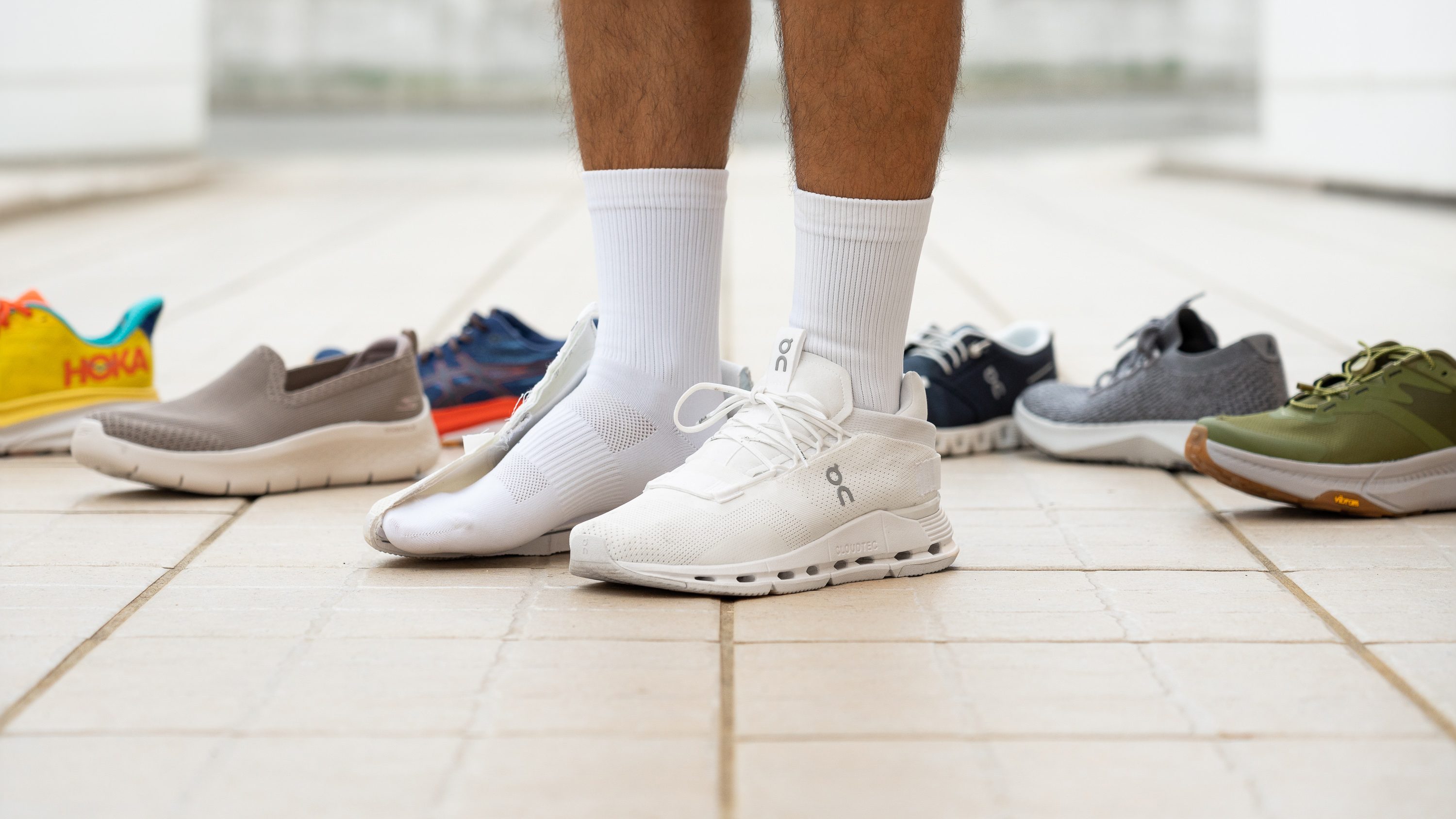
Your journey toward unparalleled comfort and enduring style begins with a single, informed step. By prioritizing the symbiotic relationship between biomechanical support, material innovation, and personal fit, you empower yourself to move through the world with greater ease, resilience, and confidence. Let your shoes be the reliable foundation upon which your daily adventures are built.
