

Discover the Perfect Pair: Stylish Walking Shoes for Travel, Women’s Edition
Embarking on a journey, whether it’s navigating cobblestone streets in Rome or exploring a bustling Asian night market, demands more from your footwear than a typical day at home. The quest for the ideal travel shoe is a pursuit of harmony—a balance where uncompromising comfort meets undeniable style. For the modern woman traveler, this isn’t a luxury; it’s a fundamental necessity. The right pair of stylish walking shoes for travel women’s edition can transform your experience from a battle against blisters to a celebration of discovery. This article delves into the anatomy, science, and aesthetic philosophy behind finding that perfect pair, moving beyond mere product listings to equip you with the knowledge to make an informed, brilliant choice for your next adventure.
The Non-Negotiable Foundation: Ergonomics and Foot Biomechanics
Before a shoe can be considered stylish, it must first be scientifically sound. The human foot is a complex structure of 26 bones, 33 joints, and over 100 muscles, tendons, and ligaments. During travel, we subject this intricate system to prolonged stress on often unforgiving surfaces. A proper stylish walking shoes for travel women’s design begins with understanding biomechanics. According to research from institutions like the University of Pittsburgh Medical Center, optimal walking shoes should facilitate the natural gait cycle—from heel strike to toe-off—without causing excessive pronation (inward roll) or supination (outward roll). This is where features like arch support, often derived from contoured footbeds made of materials like memory foam or proprietary EVA, play a critical role. They distribute pressure evenly, reducing strain on the plantar fascia, a common source of travel-related foot pain. Furthermore, the midsole’s cushioning technology isn’t just about softness; it’s about energy return. Brands like HOKA, frequently cited in podiatrist recommendations, utilize meta-rocker geometries not as a fashion statement, but to propel the foot forward smoothly, reducing calf and Achilles tension. When you’re logging ten miles a day sightseeing, this engineering translates directly to endurance. The toe box is another critical, often overlooked element. As noted by the American Podiatric Medical Association, a spacious, foot-shaped toe box allows toes to splay naturally upon impact, enhancing stability and preventing issues like bunions or neuromas. Therefore, the core of any worthy travel shoe is an ergonomic blueprint that respects and supports the foot’s biological design.
Material Science: Where Technology Meets the Pavement
The composition of a shoe dictates its performance, breathability, and adaptability. The upper material is your foot’s first line of defense and climate control system. Traditional leather offers durability and a classic look but can be heavy and less breathable. Modern iterations, like nubuck or premium suede, offer a softer feel. However, the real revolution has come from technical fabrics. Knitted uppers, pioneered by brands like Allbirds and perfected by many, provide a sock-like, adaptive fit that moves with your foot, minimizing friction points—the primary cause of blisters. These materials are often engineered with moisture-wicking properties, pulling sweat away from the skin, a feature paramount for travel in humid climates. The importance of a waterproof yet breathable membrane, such as GORE-TEX, cannot be overstated for versatile travel. As the official GORE-TEX website explains, their membrane contains 9 billion pores per square inch, each too small for liquid water to penetrate but large enough for water vapor (sweat) to escape. This technology ensures dry feet in a sudden downpour without the sauna effect of non-breathable rain boots. On the outsole, the debate between rubber compounds is crucial. A high-abrasion carbon rubber outsole, often used in strategic high-wear areas, offers exceptional durability, while a lighter, more flexible blown rubber provides better cushioning and grip. The tread pattern itself is a study in traction; multi-directional lugs inspired by hiking shoe design offer security on slippery or uneven terrain, while a flatter, more urban pattern might prioritize smooth-surface stability. Choosing the right material matrix is about anticipating your travel environment and understanding how these technologies work in concert to protect and comfort your feet.
The Aesthetic Equation: Proving Style and Function Are Not Mutually Exclusive
For years, the travel shoe market suffered from a perceived dichotomy: you could have comfort, or you could have style, but never both. This false binary has been decisively dismantled. Today’s leading stylish walking shoes for travel women’s options are designed with a fashion-forward sensibility that transitions seamlessly from museum to café. This shift is reflected in popular culture and expert opinion. Travel influencers and editors from publications like Condé Nast Traveler consistently highlight brands like Rothy’s, Veja, and Cole Haan for their ability to merge sleek, minimalist designs with walkable technology. The appeal lies in details: a streamlined silhouette that avoids a bulky “orthopedic” look, color palettes that range from versatile neutrals to statement hues, and design elements borrowed from athleticwear (like subtle mesh panels or molded details) integrated into a chic, contemporary form. As fashion historian and author Dana Thomas noted in her explorations of functional fashion, “The modern consumer demands authenticity and utility, even in their aesthetics.” A great travel shoe embodies this principle. It doesn’t scream “tourist”; instead, it complements your personal style while performing its duty flawlessly. The rise of the “fashion sneaker” category is a direct response to this demand, proving that you don’t need to sacrifice your sartorial identity for the sake of practicality. The perfect pair should make you feel confident and put-together, ensuring your footwear is a part of your travel experience, not a distracting detriment to it.

Versatility and Packability: The Strategic Traveler’s Advantage
A key metric for the ideal travel shoe is its versatility-to-volume ratio. With airline baggage restrictions and a preference for nimble travel, every item in your suitcase must earn its place. A truly exceptional stylish walking shoes for travel women’s candidate is a chameleon. It should pair effortlessly with a wide range of outfits—from casual jeans and a tee to a summer dress or tailored trousers. Neutral colors like black, taupe, navy, or off-white offer maximum mix-and-match potential. Beyond color, the shoe’s formality is key. A clean, leather sneaker or a sophisticated ballet flat with arch support can often bridge the gap between day and evening, eliminating the need to pack multiple specialized pairs. The second part of this equation is packability. Weight and deformability matter. Shoes that are inherently lightweight reduce overall luggage weight. Furthermore, styles that can be gently compressed or have flexible constructions (without compromising support) save crucial space. Some brands now design travel-specific lines with these parameters in mind. The strategic benefit is clear: by selecting one or two supremely versatile pairs, you free up luggage real estate for other essentials or souvenirs, simplifying your travel logistics and reducing decision fatigue each morning. This intelligent approach to packing, centered on multifunctional footwear, is a hallmark of the experienced traveler.
Expert Voices and Enduring Wisdom
While personal experience is valuable, grounding our choices in broader expertise adds depth. The convergence of comfort and style in travel footwear is a topic discussed by diverse authorities.
“Invest in your shoes and your bed, because if you’re not in one, you’re in the other.” This oft-cited adage, while its origin is debated, encapsulates a timeless travel truth. It underscores the foundational role footwear plays in our daily well-being, especially on the road.
On platforms like Quora and specialized travel forums, seasoned globetrotters consistently rank quality footwear as their number one packing tip, above even passports (figuratively speaking). Meanwhile, podiatrists on professional channels like YouTube emphasize that prevention is key; addressing foot discomfort proactively with proper shoes is far more effective than treating pain afterward. From the world of literature, Cheryl Strayed’s memoir Wild offers a brutal, unforgettable lesson in the consequences of improper footwear, albeit in an extreme context. The blistering agony she experienced from ill-fitting boots became a central antagonist in her journey, powerfully illustrating that the wrong shoes can literally derail an adventure. These perspectives, from the folkloric to the professional to the literary, all point to the same conclusion: your choice of travel shoe is a critical investment in the quality of your journey.
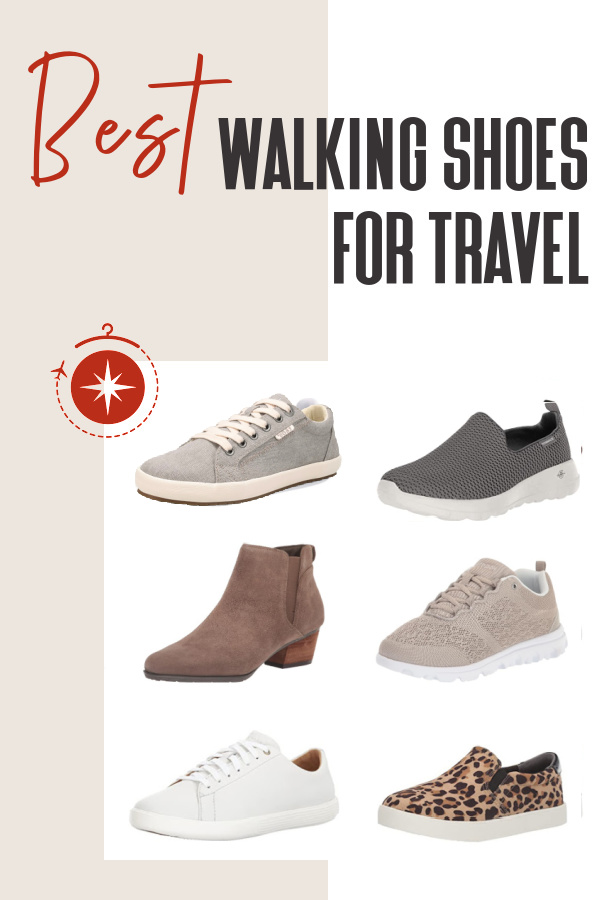
Making an Informed Choice: A Framework for Selection
Armed with knowledge on biomechanics, materials, and style, how does one practically select the perfect pair? First, prioritize fit above all. Shop in the afternoon when feet are naturally slightly swollen, as they will be during a day of travel. Wear the socks you intend to travel with. There should be a thumb’s width of space between your longest toe and the end of the shoe. Walk on a hard surface in the store, not just carpet. Second, conduct a flexibility test. While the shoe should not bend in half at the arch (which indicates poor support), it should have some flex at the ball of the foot, where your foot naturally bends. Third, research brands that align with your values, whether that’s sustainability (like using recycled materials), ethical manufacturing, or innovative technology. Finally, consider your specific itinerary. A trip involving significant hiking demands a different shoe than a city-hopping art tour, though some hybrid models now competently bridge this gap. The goal is to find a stylish walking shoes for travel women’s option that feels like a natural extension of your body, empowering you to move through the world with ease and confidence.
Conclusion: Your Journey, Well-Supported
The search for the perfect pair of stylish walking shoes for travel women’s edition is more than a shopping task; it’s an act of preparation that honors the adventure to come. It synthesizes objective science—from podiatry to material engineering—with the subjective art of personal style. By choosing footwear that provides ergonomic support, utilizes advanced materials, offers versatile aesthetics, and aligns with proven travel wisdom, you are not just buying shoes. You are investing in comfort, confidence, and the unhindered joy of discovery. When your feet are happy, your world expands. You walk further, see more, and engage more deeply with the landscapes and cultures around you. So, step forward into your next journey with intention, knowing that the foundation of every great travel story is, quite literally, a great pair of shoes.

