Your Ultimate Guide to Effortless Elegance
Elegance is not about being noticed; it’s about being remembered. It is a quiet confidence, a deliberate curation of self that speaks through subtlety rather than shouting for attention. In a world saturated with fleeting trends and loud statements, achieving a state of effortless elegance becomes a powerful personal philosophy. It is the art of mastering the fundamentals—understanding the science of color, the architecture of silhouette, and the psychology of detail—to create a personal style that is both timeless and uniquely yours. This guide moves beyond superficial advice to explore the foundational principles that underpin true elegance, offering you the professional knowledge to build a refined wardrobe and the insight to do so with intention, potentially at a more accessible price point than you might imagine.
The Architecture of a Timeless Wardrobe
The cornerstone of effortless elegance is a wardrobe built on architectural integrity rather than decorative excess. This begins with the concept of the capsule wardrobe, a term popularized by London boutique owner Susie Faux in the 1970s and later championed by designers like Donna Karan. The principle is scientific in its efficiency: a limited collection of essential, interchangeable items that maximize outfit combinations while minimizing clutter. Studies in consumer psychology, such as those referenced in the Journal of Consumer Research, indicate that decision fatigue is a real cognitive burden; a streamlined wardrobe reduces daily stress, freeing mental energy for more meaningful pursuits. The foundation pieces—a perfectly tailored blazer, a crisp white shirt, well-fitted trousers, a little black dress—are not mere clothes; they are tools. Their value lies in their cut, fabric, and versatility. As the iconic designer Coco Chanel purportedly advised, “Before you leave the house, look in the mirror and take one thing off.” This underscores the elegance of subtraction, of achieving more visual impact with less.

The Psychology of Color and Fabric
Your choice of color and fabric communicates before you utter a word. Color psychology, a field explored in depth by institutions like the Pantone Color Institute, demonstrates that neutrals—navy, charcoal, camel, cream, and pure black—convey authority, sophistication, and calm. They create a cohesive visual canvas. This isn’t to say color has no place; rather, it should be deployed strategically. A single, intentional pop of color is far more elegant than a chaotic palette. Similarly, fabric speaks volumes about quality. Natural fibers like wool, silk, linen, and high-grade cotton not only feel better against the skin but also drape more gracefully and age with dignity compared to many synthetics. The tactile experience is part of the elegance equation. As the writer and fashion observer Marilyn Monroe once noted, “Give a girl the right shoes, and she can conquer the world.” While often quoted in a broader sense, this speaks to the foundational power of quality elements—the right fabric, the right fit—in building confidence and poise.
The Power of a Signature Detail
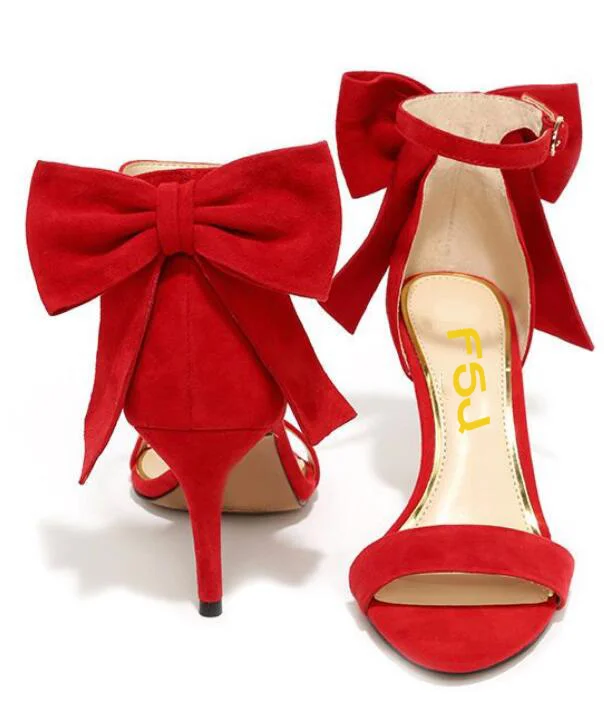
While the base of elegance is understated, its soul often resides in a single, curated detail. This is where personality shines without disrupting the harmonious whole. It could be a distinctive piece of jewelry, a particular way of tying a scarf, or a favored lipstick shade. For many, it is a specific item of footwear that encapsulates both whimsy and sophistication. Consider the transformative potential of a pair of bow red heels. This is not merely a shoe; it is a statement piece that operates within the framework of elegance. The red hue, historically associated with power, passion, and confidence (a connection explored in everything from Renaissance art to modern marketing studies), commands attention. The bow detail adds a touch of femininity, softness, and crafted intention. A pair of bow red heels against a neutral outfit creates a focal point, a narrative of playful confidence anchored by a refined base. It exemplifies how one deliberate detail can elevate an entire ensemble from simply “dressed” to thoughtfully “composed.”
Case Study: The Red Heel in Culture and Cognition
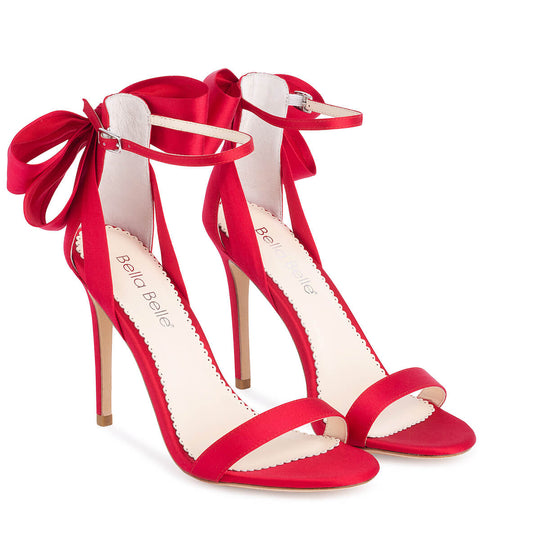
The cultural weight of the red heel is profound. From the red-soled shoes of Christian Louboutin (a trademark he says was inspired by seeing an assistant paint her nails) to the ruby slippers in The Wizard of Oz that symbolized the power to return home, red footwear is imbued with symbolism. In her book The Thoughtful Dresser, Linda Grant delves into how shoes are far more than foot coverings; they are repositories of fantasy and identity. A scientific perspective from Psychology Today suggests that what we wear directly influences our cognitive processes—a phenomenon known as “enclothed cognition.” Wearing an item perceived as powerful, like a striking pair of bow red heels, can actually alter the wearer’s demeanor, increasing feelings of authority and self-assurance. Therefore, investing in such a piece is an investment in a psychological tool for elegance. It’s a conversation starter, a confidence booster, and a timeless anchor in a rotating wardrobe.
Curating Quality: An Investment Mindset
Effortless elegance is inherently sustainable because it rejects disposability. It advocates for an investment mindset, which is fundamentally different from mere high spending. The goal is cost-per-wear, not just initial cost. A $300 pair of leather boots worn 200 times over a decade is a wiser investment than a $50 pair replaced annually. This philosophy aligns with the “slow fashion” movement, which, as defined by resources like the Good On You platform, emphasizes quality, ethical production, and longevity. To acquire these pieces without financial strain, one must become a strategic shopper. This means knowing the classic styles that will never expire, understanding the hallmarks of good construction (like reinforced seams, lined garments, and natural material content), and vigilantly seeking value. Outlet stores, end-of-season sales on classic items, consignment shops specializing in luxury goods, and even rental services for special occasion items like a stunning pair of bow red heels are all part of the elegant economist’s toolkit. The knowledge of what to buy is complemented by the wisdom of how to buy it.
The Posture of Presence: Beyond the Garment
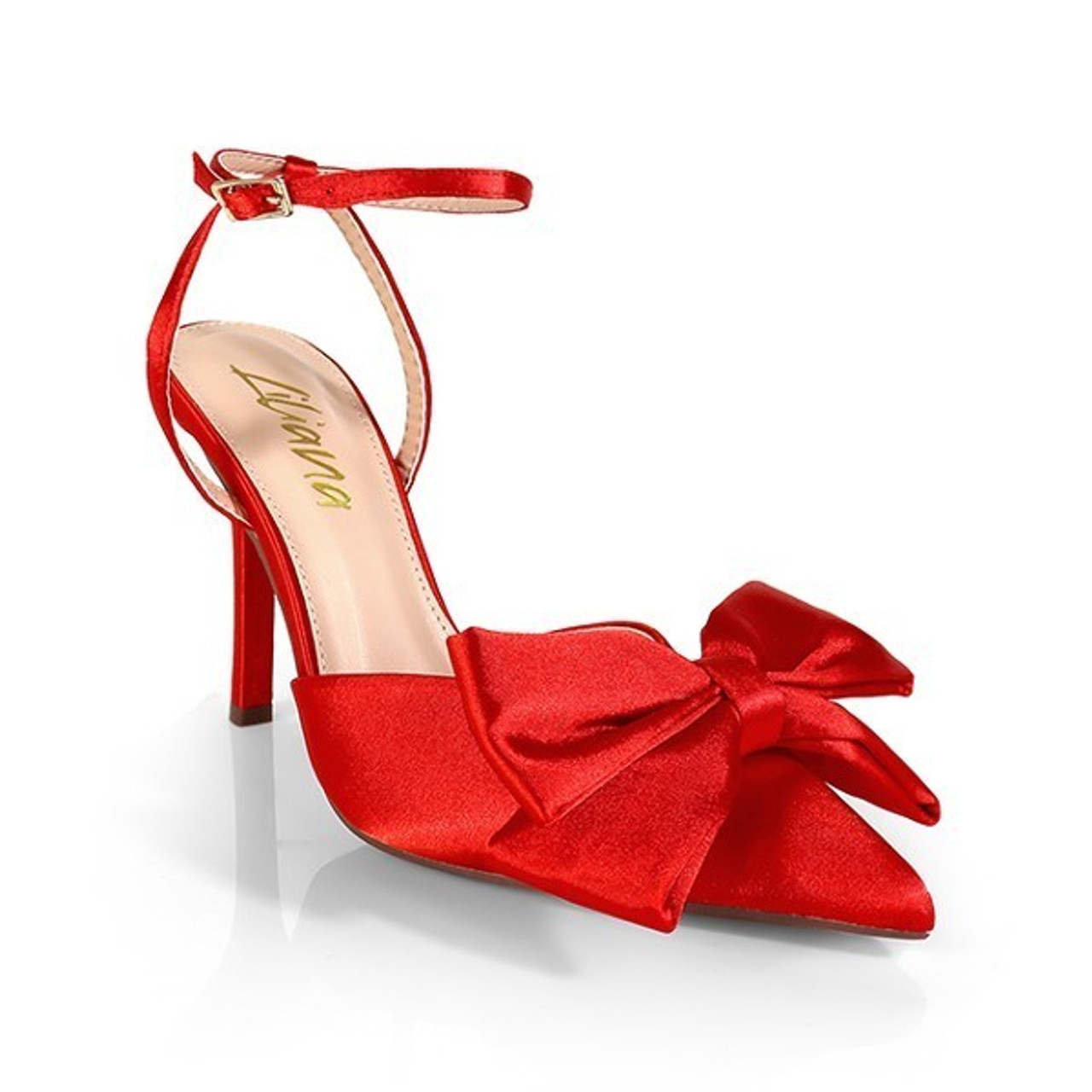
Ultimately, the most exquisite clothing is merely a frame for the individual wearing it. True elegance is performed through demeanor. This encompasses posture, eye contact, grace of movement, and a genuine, attentive presence. It is the embodiment of what YouTube etiquette expert Myka Meier calls “modern manners”—a blend of social grace and self-awareness. Studies in non-verbal communication, such as those published by the American Psychological Association, consistently show that upright posture is correlated with higher self-esteem and is perceived by others as more confident and competent. This physical poise is the invisible garment of the elegant. It’s what transforms a woman walking into a room wearing a simple sheath dress and bow red heels from someone who is well-dressed into someone who is captivating. Her elegance comes from the seamless integration of a refined exterior with a composed, confident interior. The shoes may catch the light, but her carriage catches the eye.
The Synthesis of Self and Style
Effortless elegance, therefore, is a holistic practice. It is the synthesis of a meticulously curated uniform, a signature detail that sparks joy (be it a silk scarf, a vintage brooch, or those perfect bow red heels), an investment-minded approach to acquisition, and the cultivated art of personal presence. It is not a destination but a manner of traveling through the world. It is forgiving, allowing for personal evolution, yet disciplined in its rejection of the superfluous. By understanding the principles behind color, cut, and quality, you empower yourself to make choices that are both aesthetically pleasing and intellectually sound. You build a wardrobe that serves you, reflects you, and elevates your daily life, proving that true style is not about the price tag but about the profound understanding of one’s own narrative and the quiet confidence to let it unfold, one elegant step at a time.