

Your Ultimate Guide to Comfort and Style for Every Outfit
Fashion and function are not opposing forces. The true art of dressing lies in weaving them together seamlessly, creating a personal uniform that feels as good as it looks. This guide is not about fleeting trends but about foundational principles—understanding the science of comfort and the psychology of style to build a wardrobe that empowers you from the inside out. We will dissect the elements that transform an outfit from merely wearable to exceptionally empowering, focusing on objective criteria and evidence-based choices. Let’s move beyond superficial aesthetics and delve into the architecture of everyday elegance.
The Foundation: Where Biomechanics Meets Design
Every great outfit starts from the ground up, quite literally. The shoes you choose are the interface between your body and the world, bearing the full weight of your movements. A poorly chosen shoe can lead to a cascade of discomfort, affecting posture, gait, and even long-term joint health. This is where the concept of the walking shoe transcends mere footwear; it becomes a piece of essential equipment. According to research from the American Podiatric Medical Association, the average person takes between 5,000 and 7,000 steps per day, with each step placing a force of about 1.5 times your body weight on your feet. The right walking shoe is engineered to manage this impact through a combination of cushioning, arch support, and heel counter stability. Harvard Medical School publications frequently emphasize that proper footwear is a cornerstone of preventive health, helping to mitigate issues like plantar fasciitis, shin splints, and knee pain. Therefore, selecting a shoe isn’t just about color or brand; it’s a decision that supports your skeletal system. The modern walking shoe incorporates materials like ethylene-vinyl acetate (EVA) foam for lightweight cushioning and carbon rubber for durable outsoles, technologies validated by sports science laboratories worldwide. Ignoring this foundation is like building a house on sand; no matter how beautiful the exterior, the structure is fundamentally unsound.

Decoding Comfort: Materials, Fit, and Ergonomics
Comfort is a sensory experience governed by tangible factors. First, material composition is paramount. Natural fibers like cotton, linen, and merino wool offer breathability and moisture-wicking properties, a fact extensively documented by textile research institutions. Synthetic blends incorporating elastane or lycra provide mechanical stretch, accommodating movement without restriction. The fit of a garment is a scientific exercise in anthropometry—the study of human body measurements. Clothing that is too tight can cause nerve compression and restrict circulation, while overly loose items can create chafing and impede movement. The ideal fit allows for a full range of motion without excess fabric bunching. This principle is brilliantly illustrated in the design of a high-quality walking shoe. It should have a thumb’s width of space between your longest toe and the shoe’s end, a snug but not tight fit across the instep, and a heel that does not slip. As noted by renowned designer and comfort advocate Eileen Fisher, “Comfort is the ultimate luxury.” This luxury is achieved through deliberate design choices, not accident. Furthermore, ergonomic design features, such as articulated knees in pants or gusseted underarms in jackets, are solutions derived from studying human kinematics. They allow the clothing to move with the body, reducing fatigue and increasing wearability throughout the day.
:max_bytes(150000):strip_icc()/vwt-asics-womens-gel-pulse-16-jinfeng-chen-21-712f0f140e834b84b3a8dcf0bf154771.jpeg)
The Style Equation: Psychology, Proportion, and Personal Narrative
Style is the visual language of the self. While comfort addresses the physical dialogue between body and garment, style manages the external communication. Psychological studies, such as those cited in the journal Social Psychological and Personality Science, consistently show that what we wear affects our cognitive processes—a phenomenon known as “enclothed cognition.” Wearing clothes that you perceive as stylish and appropriate can boost confidence, increase attention to detail, and even enhance abstract thinking. Style is not about blind conformity to trends but about understanding proportion, color, and silhouette to create a harmonious visual effect. The classic advice from fashion icon Iris Apfel rings true here: “More is more and less is a bore.” This isn’t a call for clutter, but for intentionality. It means understanding that a monochromatic outfit can be punctuated with a statement accessory, or that balancing a voluminous top with a streamlined bottom creates visual interest. Your style narrates your personal story before you speak. A crisp blazer can communicate professionalism, while a soft, textured knit conveys approachability. The key is aligning this external narrative with your internal sense of self, creating an authentic and cohesive image.
Synthesis: Building Outfits for Real Life
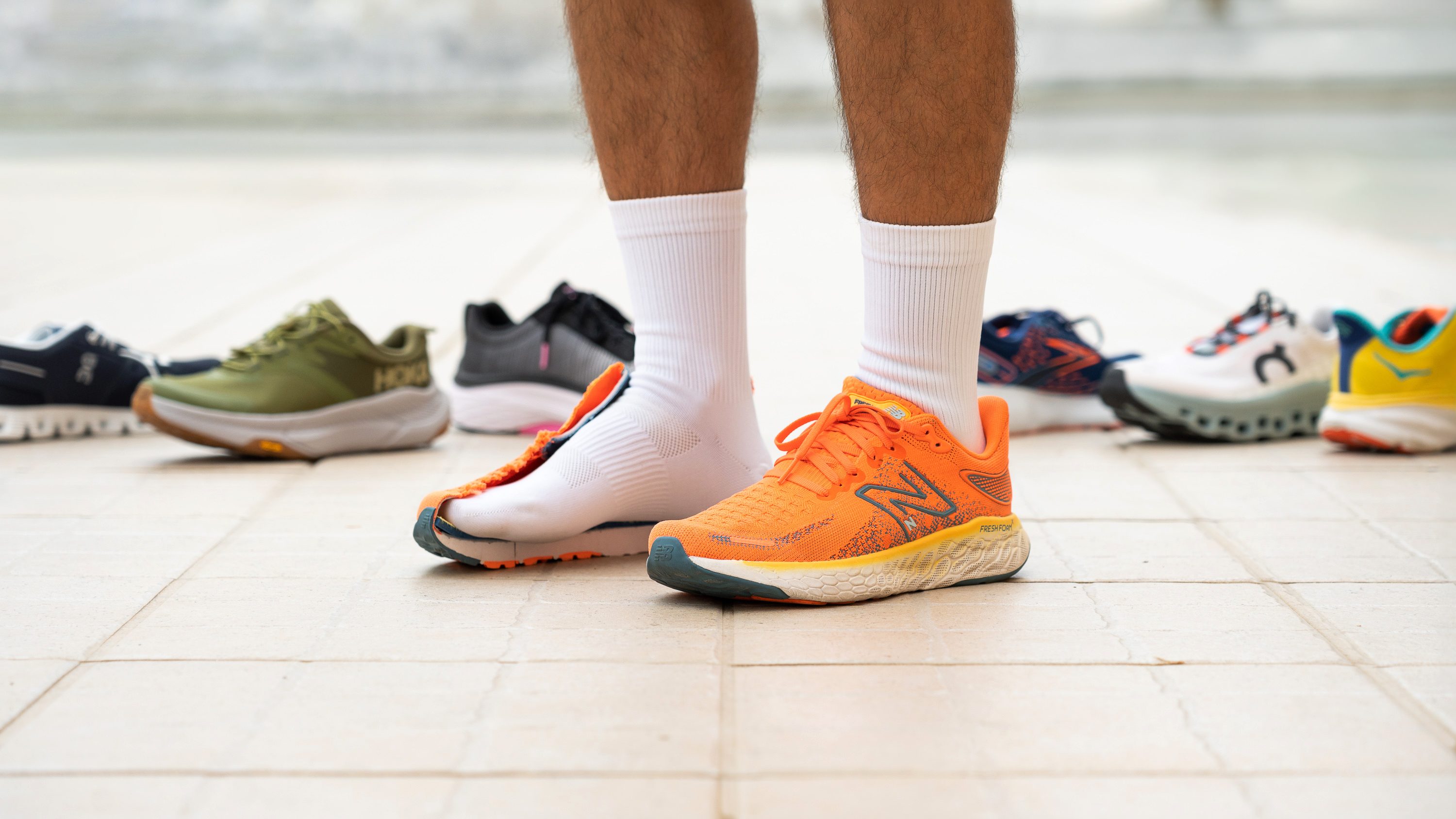
The magic happens when comfort and style are synthesized into a single, cohesive outfit. This is the practice of strategic dressing. Begin with your foundation: a pair of excellent walking shoes in a neutral tone. From there, build outward using a layered approach. Consider a base layer of a breathable, well-fitted tee or blouse. Add a mid-layer for warmth and style—a cardigan, blazer, or denim jacket. Finally, consider an outer layer appropriate for the climate. Each layer should individually meet comfort criteria and collectively create a stylish silhouette. For instance, pairing tailored, stretch-woven trousers with a sophisticated sneaker (a direct descendant of the performance walking shoe) is a modern hallmark of smart-casual dress, championed by style authorities from GQ to Vogue. This look respects the body’s need for movement while presenting a polished appearance. The goal is to create a wardrobe of interchangeable, high-comfort, high-style pieces that work in symphony. As author and organizer Marie Kondo suggests, keep only items that “spark joy”—which in this context, we can interpret as items that spark both physical ease and aesthetic pleasure.
Investment and Intelligence: The Smart Consumer’s Approach
Cultivating such a wardrobe is an exercise in intelligent consumption, not mere spending. It involves understanding cost-per-wear, material longevity, and timeless design. A $150 pair of expertly crafted walking shoes that lasts for 500 miles of use is a far wiser investment than two $60 pairs that disintegrate after 100 miles each. Seek out brands that transparently discuss their construction methods and material sources. Professional knowledge here translates directly to consumer power. Look for features like Goodyear welting in boots, French seams in shirts, or Cordura-reinforced panels in bags—all indicators of durability. Furthermore, be an active seeker of value. Utilize price-tracking tools, shop during seasonal sales with a pre-planned list, and consider outlet stores for previous-season styles of high-end brands. The internet is replete with certified experts, from textile engineers on YouTube to sustainable fashion advocates on Twitter, offering free education on making better purchases. As entrepreneur and investor Warren Buffett famously opined, “Price is what you pay. Value is what you get.” Apply this principle to your closet. Investing in fewer, better-quality items that masterfully blend comfort and style ultimately saves money, reduces decision fatigue, and elevates your daily life.
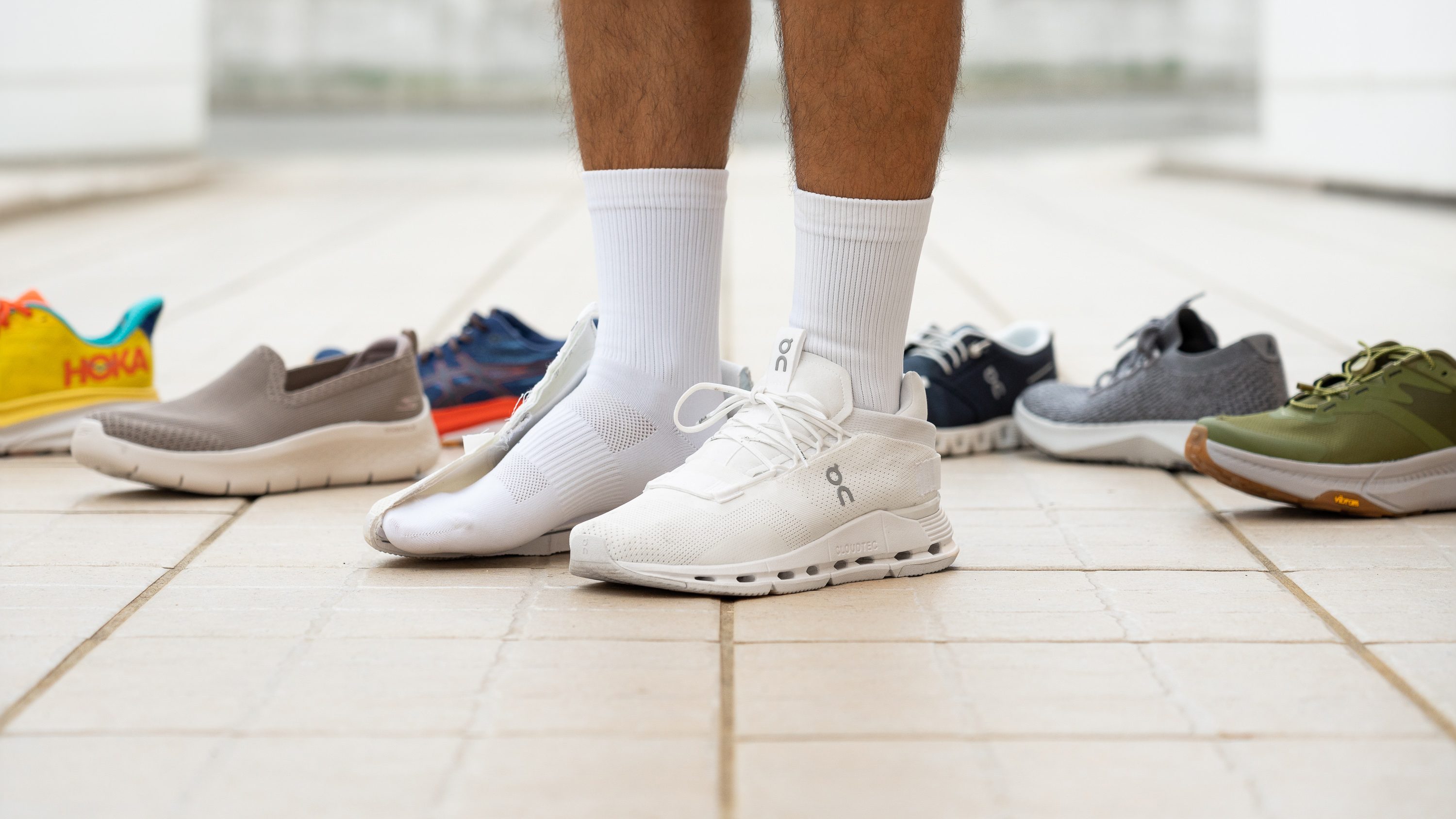
Your wardrobe is a toolkit for living. By grounding your choices in the biomechanical science of comfort and the expressive principles of personal style, you construct more than an outfit—you craft an experience. You move through your day with unthinking ease and visible confidence, from the first step in your perfectly chosen walking shoe to the last moment of the evening. This synergy is the ultimate goal: where every piece you own feels like a natural extension of yourself, liberating you to engage fully with the world, unencumbered and authentically expressed.
