

The Walking Shoe: Your Secret to Effortless Style and All-Day Comfort
Forget the notion that comfort and style exist in separate realms. The modern pursuit of well-being and aesthetic expression has converged in a single, powerful object: the walking shoe. This is not merely footwear; it is a foundational tool for navigating contemporary life. It represents a conscious choice to reject discomfort as a necessary sacrifice for appearance, and instead, to embrace a philosophy where one can move through the world with grace, energy, and confidence from dawn until dusk. The right pair of walking shoes is the unsung hero of a productive day, the enabler of spontaneous adventures, and a silent declaration that you value your physical well-being as much as your personal presentation. This article delves into the anatomy, science, and philosophy behind this essential item, demonstrating why investing in a superior walking shoe is an investment in a better quality of life.
The Anatomy of All-Day Comfort: More Than Just Cushioning
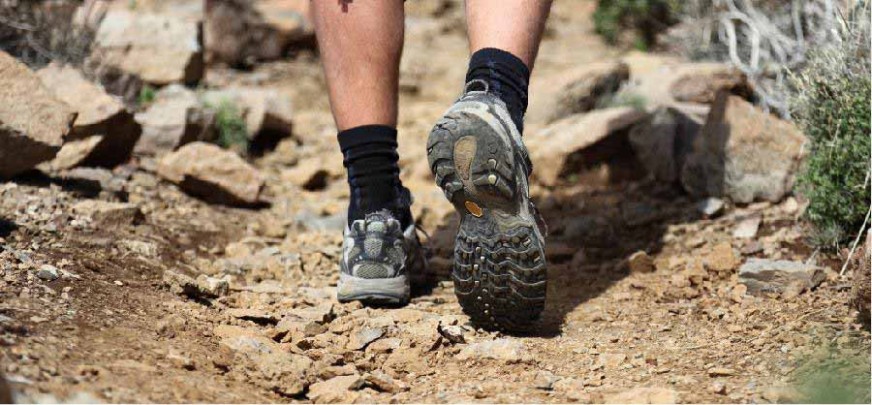
To understand the magic of a truly great walking shoe, we must dissect its components. Comfort is a symphony, not a solo act. It begins with the midsole, the heart of the shoe often made from materials like EVA (ethylene-vinyl acetate) or polyurethane. According to biomechanics literature from institutions like the University of Calgary’s Human Performance Lab, the midsole’s primary job is shock attenuation—dissipating the ground reaction forces that travel up your skeleton with each step. A shoe with a dead, flat midsole transfers that energy directly to your joints; a well-engineered one absorbs and redirects it. Next is the insole or footbed. This is your foot’s direct interface, and it should provide arch support that matches your foot type—be it neutral, pronated, or supinated. A study cited in the Journal of Foot and Ankle Research emphasizes that proper arch support can reduce fatigue in the plantar fascia, the ligament running along the bottom of your foot. The upper must be constructed from breathable, flexible materials like engineered mesh or soft leather to prevent hotspots and blisters, allowing for natural foot expansion during the gait cycle. Finally, the outsole requires a balance of durable rubber for longevity and a flexible groove pattern that facilitates the natural heel-to-toe roll of walking. When these elements harmonize, the shoe disappears on your foot, becoming an extension of your body rather than a constraint.
The Ergonomic Revolution: How Science Informs Design
The evolution of the walking shoe from a simple protective cover to a biomechanical device is a testament to applied ergonomics. This field, which studies the interaction between humans and other elements of a system, is directly responsible for the features we now take for granted. Consider the “rocker sole” design, pioneered by brands like HOKA ONE ONE. This design, with a curved geometry, promotes a smoother gait cycle by reducing the effort required at the ankle joint. It’s a principle validated by gait analysis studies, showing it can benefit everyone from casual walkers to those managing conditions like plantar fasciitis. Furthermore, the concept of “heel-to-toe drop” or “offset”—the difference in height between the heel and forefoot—is critical. A lower drop (0-6mm) encourages a more midfoot or forefoot strike, which can reduce impact on the knees and hips, as noted by researchers in sports medicine. However, a higher drop (8-12mm) is often recommended for those accustomed to traditional shoes or with certain Achilles tendon concerns. This isn’t marketing jargon; it’s physics and physiology translated into design. As renowned industrial designer Dieter Rams once posited, “Good design is as little design as possible.” The best walking shoe embodies this: its complex technology serves to create a feeling of effortless simplicity for the wearer.
:max_bytes(150000):strip_icc()/when-should-i-replace-my-walking-shoes-3436325-0801-7a1840d83573471092e0380f9e230ecc.jpg)
Style is Not an Afterthought: The Aesthetic Integration
For decades, the term “comfort shoe” conjured images of clunky, beige monstrosities. That era is decisively over. Today’s leading brands have successfully integrated high-fashion sensibilities with podiatric science. The shift is cultural. We live in an age where athleisure has become a dominant trend, blurring the lines between gym, office, and social spaces. A modern walking shoe can feature sleek, minimalist profiles, sophisticated color palettes (from monochromatic neutrals to bold accents), and materials like suede and recycled knits that look as appropriate with tailored trousers as they do with yoga pants. This isn’t a superficial concern. As fashion psychologist Dr. Dawnn Karen explores in her work, what we wear directly impacts our mood and confidence—a concept she terms “dopamine dressing.” When your footwear makes you feel both physically at ease and visually put-together, it positively influences your entire demeanor. The market has responded. Brands like Allbirds, Cole Haan, and even traditional performance companies like New Balance and Brooks now offer lines that are regularly featured in style publications like GQ and Vogue, proving that aesthetic appeal is now a core component of functional design.
The Long-Term Investment: Cost Per Wear Versus Initial Price
It is a common trap to balk at the price tag of a premium walking shoe, often ranging from $120 to $180. However, this perspective misses the crucial metric of cost per wear. A cheap, poorly constructed shoe may cost $50 but will likely break down, lose its support, and cause discomfort within 3-6 months of regular use. You then buy another, and another. Not only does this end up costing more over a year or two, but it also exposes your body to the risks of inadequate support, potentially leading to foot, knee, or back pain that incurs its own physical and financial costs. A high-quality walking shoe, built with durable materials and superior craftsmanship, can easily provide 500-800 miles of comfortable wear, often translating to 12-18 months for the average person. When you divide the initial investment by the number of days of comfort and support it provides, the value becomes clear. Furthermore, many reputable brands offer substantial discounts during seasonal sales, direct-to-consumer promotions, or through certified outlet stores. Investing in your foundation—your shoes—is a financially savvy decision that pays dividends in comfort, health, and sustained style.

A Personal Testimony: The Day the Disappeared
Let me speak from personal experience. For years, I accepted sore feet as the tax paid for a busy day. I owned “nice” shoes for style and “comfy” shoes for walking, never the twain shall meet. Then, on a travel writer’s recommendation, I invested in a pair of technically advanced walking shoes with a sleek, all-black design. The first day I wore them on a city exploration that spanned museums, cobblestone streets, and a long dinner, I had a revelation: I never thought about my feet. Not once. The shoes didn’t “feel” like anything—no pinching, no rubbing, no aching arch. They simply functioned. This phenomenon, where the tool becomes so perfectly integrated it ceases to be noticed, is the highest compliment you can pay to a product. It transformed my daily reality. Errands became less daunting, travel more joyful, and my energy at the end of the day was reserved for people and experiences, not for nursing my feet. This is the promise fulfilled: a shoe that carries you through life’s moments without ever announcing its presence through pain.
Making the Right Choice: A Guide Beyond the Hype
With countless options, selecting your ideal pair can feel overwhelming. The key is to be a informed consumer. First, know your gait. Many specialty running stores offer free gait analysis. Understanding if you overpronate (foot rolls inward) or supinate (rolls outward) is fundamental to choosing a shoe with the right stability features. Second, prioritize fit over size. Your shoe size can change over time. Always try shoes on in the afternoon when your feet are naturally slightly swollen. There should be a thumb’s width of space between your longest toe and the end of the shoe. The widest part of your foot should align with the widest part of the shoe. Third, consider your primary terrain. Are you mostly on pavement, treadmill, or light trails? A shoe designed for rugged paths will have a more aggressive tread but may be overly stiff for city sidewalks. Finally, trust reputable sources. Look to reviews from established organizations like Runner’s World (which has rigorous shoe testing labs) or the American Podiatric Medical Association’s list of accepted products. Don’t be swayed by influencer hype alone; seek out the consensus from both experts and long-term users.

The journey toward effortless style and unwavering comfort begins from the ground up. The walking shoe is no longer a niche product but a central pillar of a conscious, active, and stylish life. It is where biomechanical precision meets design intelligence, where long-term value outweighs short-term savings, and where personal well-being is visibly expressed. By choosing a shoe that respects the intricate engineering of your body and the aesthetic demands of your life, you unlock a newfound freedom. You grant yourself the ability to move through your days not as a struggle against discomfort, but as a fluid, confident expression of yourself. That is the true secret, now waiting to be laced up.
