

The Walking Shoe: Your Secret to Effortless Everyday Style
Let’s be honest: the quest for the perfect everyday shoe often feels like a compromise. We sacrifice comfort for style, or style for practicality, leaving us with a closet full of shoes that only do half the job. But what if the key to unlocking truly effortless style wasn’t a fleeting trend, but a fundamental piece of engineering designed for the human body in motion? The answer lies not in a high-fashion statement piece, but in the humble, transformative power of the walking shoe. This isn’t about athletic performance in the traditional sense; it’s about redefining the foundation of your daily life. When your feet are supported, your posture aligns, your energy lifts, and your confidence follows. The right walking shoe becomes an invisible engine for a better, more stylish day.
Beyond the Sneaker: The Anatomy of Intentional Design
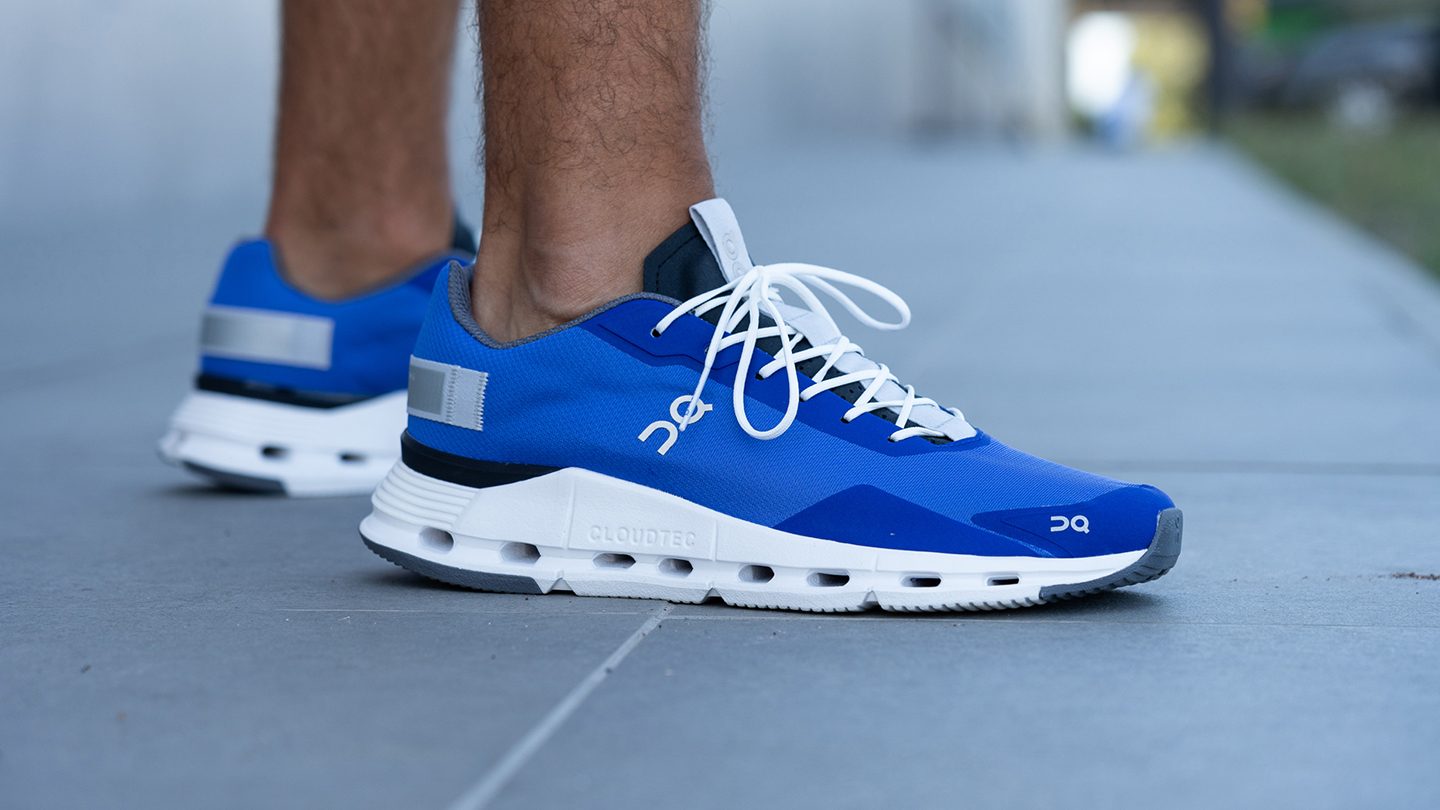
To understand why a dedicated walking shoe is a game-changer, we must move past generic “comfort” labels and delve into the science of biomechanics. Walking is a complex, repetitive motion involving heel strike, midfoot roll, and toe-off. A running shoe is engineered for impact absorption from a forward, bounding gait, while a casual sneaker often prioritizes aesthetics over structured support. A true walking shoe, however, is meticulously designed for the specific mechanics of walking. According to research from the American Podiatric Medical Association, proper footwear is critical in preventing a cascade of issues from plantar fasciitis to knee and back pain. The key components are a flexible sole that bends at the ball of the foot (matching your natural stride), a beveled or rounded heel to encourage a smooth heel-to-toe transition, and ample arch support to maintain the foot’s natural alignment. As renowned biomechanist Dr. Casey Kerrigan, founder of OESH Shoes, has stated in interviews, “Shoes should complement the foot’s function, not fight it.” This scientific intent is what separates a purpose-built walking shoe from other footwear, transforming it from mere apparel into a tool for well-being.
The Silent Language of Comfort: How Your Body Speaks Through Your Shoes
You may not consciously think about your feet until they hurt, but they are in constant communication with the rest of your body. Wearing unsupportive shoes is like building a house on a shaky foundation; eventually, the entire structure compensates. When your foot overpronates (rolls inward excessively) or supinates (rolls outward) due to lack of support, it creates a chain reaction. Your ankles twist, your knees torque, your hips tilt, and your spine curves to find balance. This isn’t just theoretical. A study published in the Journal of Orthopaedic & Sports Physical Therapy found a direct correlation between footwear and patellofemoral pain (runner’s knee). The constant micro-adjustments drain your energy, leading to that inexplicable afternoon fatigue. A properly fitted walking shoe acts as a stabilizing platform. It provides the medial (arch) support to control overpronation, a cushioned yet responsive midsole to absorb the repetitive shock of pavement (which can be 1.5 times your body weight with each step), and a secure heel counter to prevent slippage and ensure efficient energy transfer. The result is a body that moves as a cohesive, aligned unit. The comfort you feel isn’t passive cushioning; it’s the active, silent language of biomechanical harmony, freeing your mind to focus on everything but your feet.
:max_bytes(150000):strip_icc()/when-should-i-replace-my-walking-shoes-3436325-0801-7a1840d83573471092e0380f9e230ecc.jpg)
Style is a Feeling, Not Just a Look: The Confidence of Uncompromised Support
Here is where the magic happens. For decades, fashion and function were presented as opposing forces. That paradigm is obsolete. Today’s leading footwear brands have dismantled this false dichotomy, creating walking shoes that are technological marvels wrapped in sophisticated, versatile designs. Think of the minimalist aesthetic of brands like Allbirds or the sleek, urban profiles from Cole Haan or ECCO. These are shoes you can wear from a morning commute to an evening dinner without a second thought. The style they confer is deeper than visual appeal; it’s the confidence that comes from knowing you are equipped for anything the day throws at you—a sudden downpour, an extra mile walked exploring a new neighborhood, or standing comfortably through a networking event. As fashion icon and entrepreneur Gwyneth Paltrow once noted in an interview, “Real style is ease. It’s about feeling good in what you’re wearing.” When your feet are at ease, your entire demeanor changes. Your stride is longer and more assured, your posture is upright, and the grimace of discomfort is replaced with an expression of relaxed readiness. This is the secret sauce: the walking shoe empowers a style that is dynamic, active, and authentically you.
The Investment That Pays Daily Dividends: Longevity and Value
It’s tempting to see a higher price tag on a quality walking shoe and balk. But this is a profound misreading of value. A cheap shoe is a consumable; a well-made walking shoe is an investment in your daily quality of life with a measurable return. Consider the engineering: premium foams like Adidas’s Boost or Brooks’s DNA LOFT retain their cushioning properties for hundreds of miles. Durable, breathable uppers made from engineered mesh or premium leathers maintain their structure and appearance. Most importantly, the supportive elements—the shank, the heel counter, the arch support—are designed to last. The general rule, supported by organizations like the American Academy of Podiatric Sports Medicine, is to replace walking shoes every 300-500 miles. A $50 shoe that breaks down in two months is far more expensive than a $120 shoe that provides perfect support for eight. Furthermore, the preventative healthcare savings are incalculable. Avoiding one visit to a physical therapist for knee pain or one session with a podiatrist for plantar fasciitis can cover the cost of multiple pairs of premium shoes. By bringing professional-grade biomechanical knowledge to the consumer, these shoes offer a discounted price on future pain and discomfort, paying for themselves many times over in vitality and avoided medical bills.
Your Personal Toolkit: Integrating the Walking Shoe into Your Life
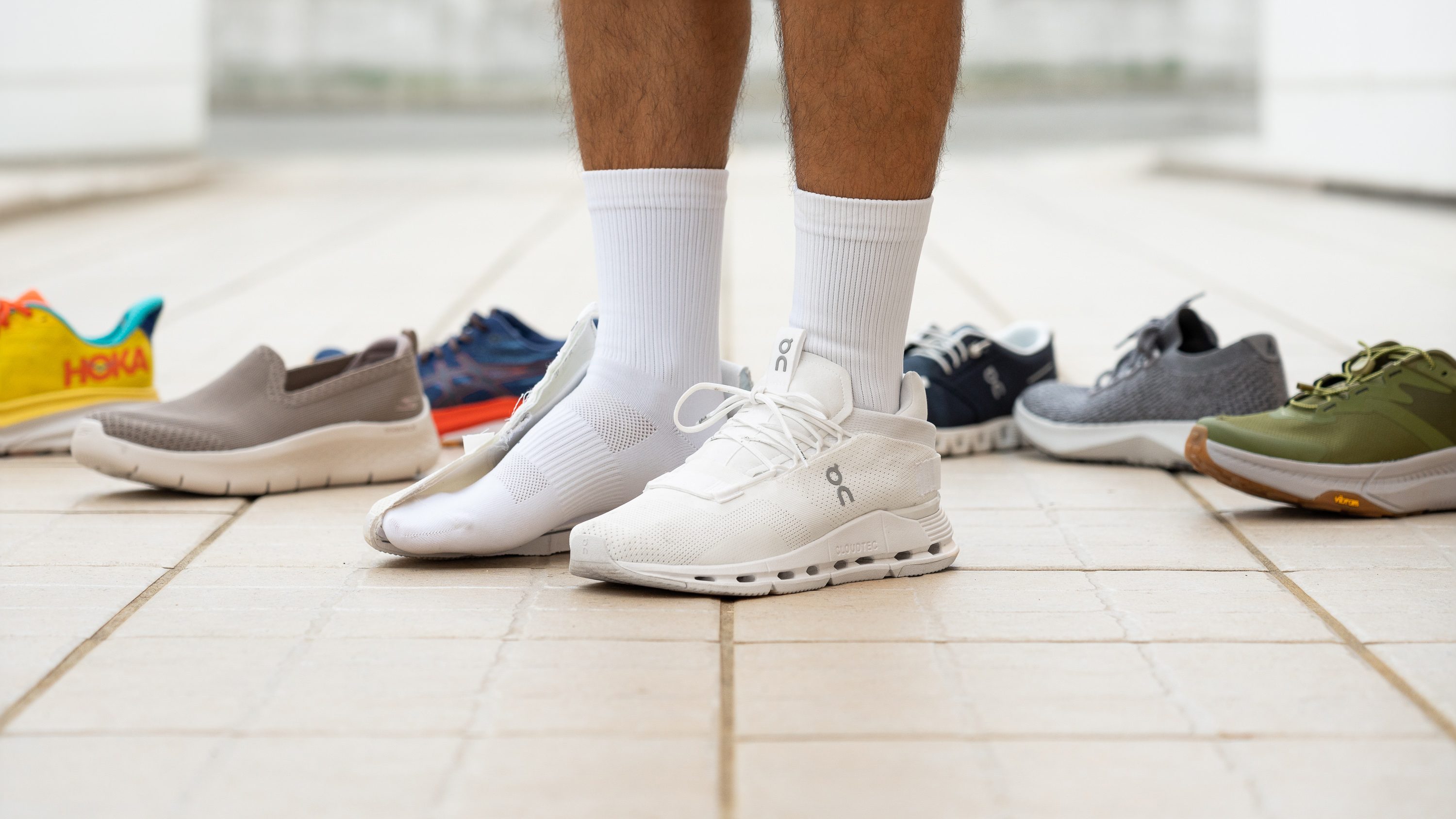
Adopting the walking shoe philosophy isn’t about throwing out your entire collection. It’s about strategic integration. Start by identifying the gaps in your routine. What is your most demanding day on your feet? That’s where your first pair should go. For the urban professional, it might be a leather-lined, cushioned oxford. For the active parent, it could be a washable, slip-on style for all-day errands. The goal is to have a reliable, supportive option for the moments that matter most. Listen to the experts: celebrity trainer Harley Pasternak frequently emphasizes the importance of non-exercise activity thermogenesis (NEAT)—the calories burned through daily movement like walking. The right shoe encourages more of this beneficial activity seamlessly. As author and habit expert James Clear articulates in Atomic Habits, “You do not rise to the level of your goals. You fall to the level of your systems.” Your walking shoe is a foundational piece of a system designed for a more active, comfortable, and stylish life. It removes friction from the simple act of moving through your world.
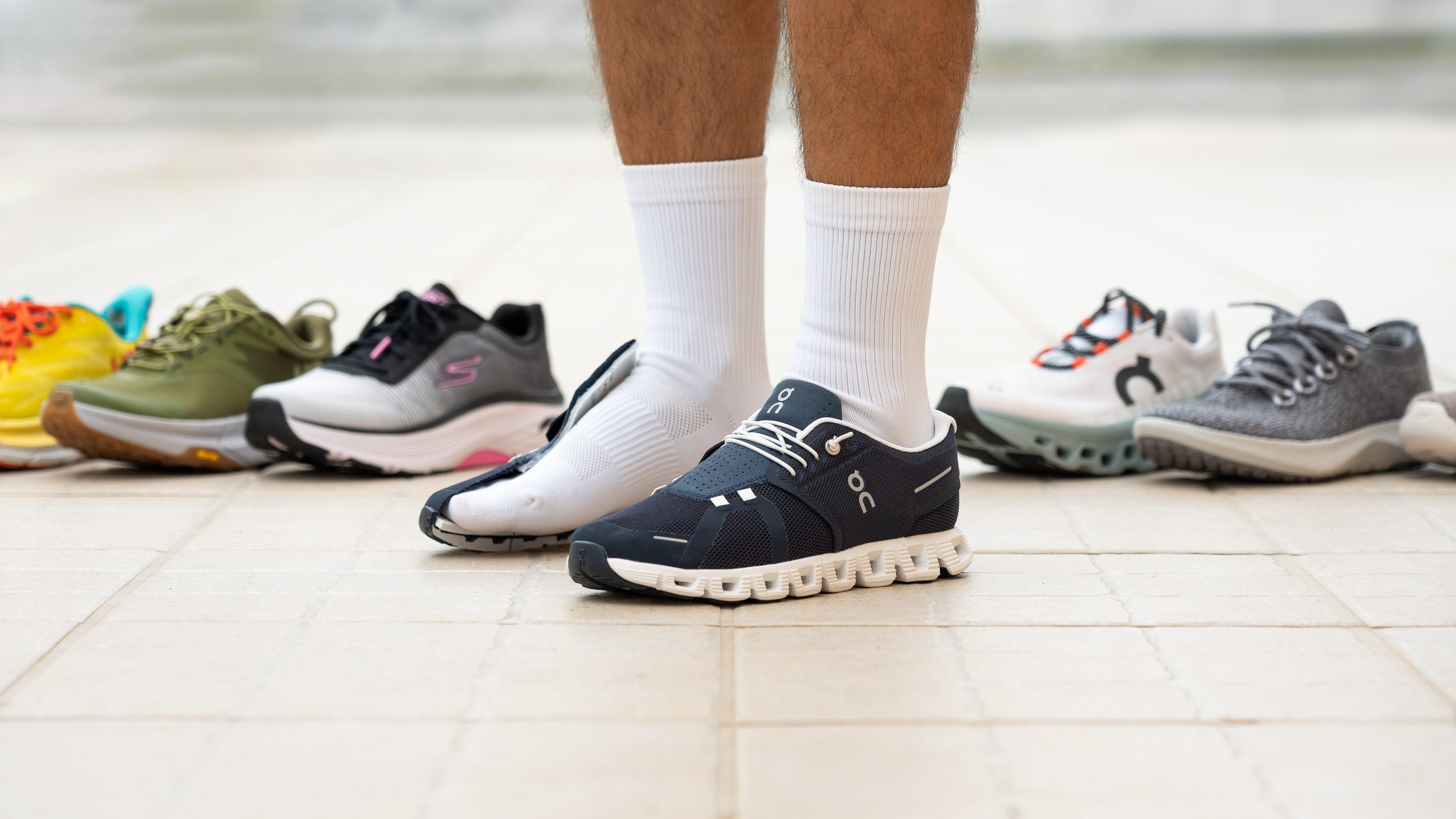
The pursuit of effortless style ends where it should have always begun: with your foundation. The walking shoe is the secret not because it’s hidden, but because its profound impact is often felt before it is seen. It is the quiet confidence in your step, the enduring energy at day’s end, and the elegant solution to the ancient compromise between beauty and utility. It is the piece that completes the puzzle, proving that true style is never a struggle—it’s simply a well-supported step in the right direction.
