

The Versatile Staple for Every Season’s Wardrobe
In the ever-evolving landscape of fashion, where trends flicker and fade with the seasons, there exists a rare category of item that transcends the cyclical nature of style. It is not merely an accessory but a foundational piece, a sartorial constant that offers both grounding and elevation to any ensemble. This piece is the chocolate brown heel. More than just a shoe, it is a design philosophy made tangible—a perfect synthesis of warmth, sophistication, and adaptability. While black heels have long been lauded for their stark versatility, and nudes for their elongating illusion, chocolate brown heels occupy a uniquely potent middle ground. They possess the depth and seriousness of a neutral but are imbued with a rich, organic warmth that black often lacks. This isn’t about following a fleeting trend; it’s about recognizing and investing in a design principle that serves you across climates, occasions, and the shifting chapters of your personal style narrative. It is the hue of earth, of roasted coffee, of dark cocoa—a color that speaks of substance, reliability, and understated luxury.
The Chromatic Psychology and Historical Footprint of Brown
To understand the power of the chocolate brown heel, one must first appreciate the color itself. Chromatically, brown is a composite color, often created by mixing primary colors or by darkening orange with black. This genesis gives it an inherent complexity and warmth. In color psychology, as referenced in numerous design texts and studies from institutions like the Pantone Color Institute, brown is associated with stability, reliability, and approachability. It evokes feelings of wholesomeness, connection to the earth, and understated elegance. Historically, brown has a fascinating sartorial journey. In the medieval period, certain rich brown dyes were expensive and coveted. Later, in the 18th and 19th centuries, brown became associated with practicality and the working class, as seen in military uniforms and utilitarian wear. Its modern renaissance into high fashion is often attributed to a shift towards more natural, organic, and comfortable luxury in the latter half of the 20th century. Fashion historian Dr. Valerie Steele, in her writings for The Museum at the Fashion Institute of Technology, has noted how earth tones reclaimed their status as colors of sophisticated ease, moving away from purely formal connotations. This historical trajectory—from coveted dye to practical staple to a symbol of relaxed elegance—mirrors the very journey of the modern wardrobe, making brown, and particularly its richest chocolate brown iteration, a color of intelligent choice.
Architectural Versatility: From Daybreak to Midnight
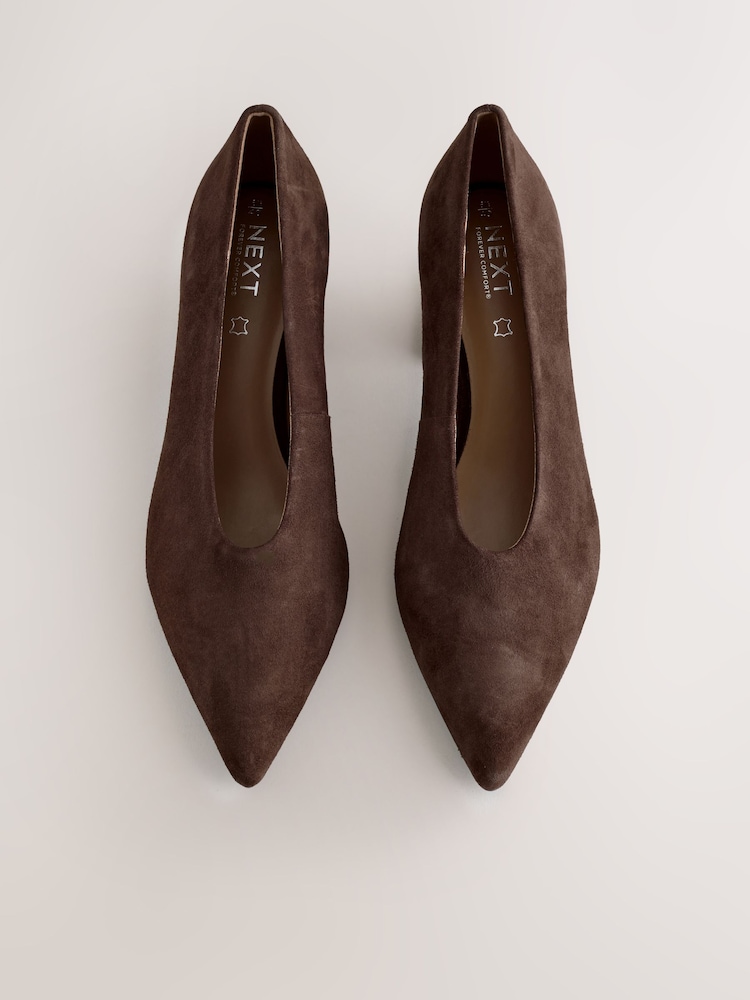
The true genius of the chocolate brown heel lies in its chameleonic ability to adapt to the architecture of your day. Let us deconstruct this versatility. For the professional sphere, where the goal is often to project competence without coldness, a pair of sleek chocolate brown pumps or block heels is unparalleled. Paired with a navy suit, grey trousers, or a cream-colored dress, they soften the silhouette while maintaining absolute authority. They reject the sometimes harsh contrast of black against light colors, offering a more harmonious and nuanced professional aesthetic. Transitioning to daytime leisure, a chocolate brown heel in the form of a mule or a low block heel effortlessly complements denim, white shirts, midi skirts, and knitwear. It adds a deliberate polish to casual outfits that a flat sneaker cannot achieve, yet it remains infinitely more grounded and wearable than a stiletto for a weekend brunch or gallery visit. As evening approaches, the same shoe, perhaps in a suede or patent leather, transforms once more. The depth of the color absorbs and reflects light in a way that feels luxurious and intentional. With a silk slip dress, tailored jumpsuit, or velvet trousers, chocolate brown heels provide a rich, anchoring base that allows statement jewelry or a bold lip color to truly sing. They are the antithesis of the blandly safe shoe; they are a quiet, confident statement of cohesive style.
The Material Dialogue: Texture as Narrative
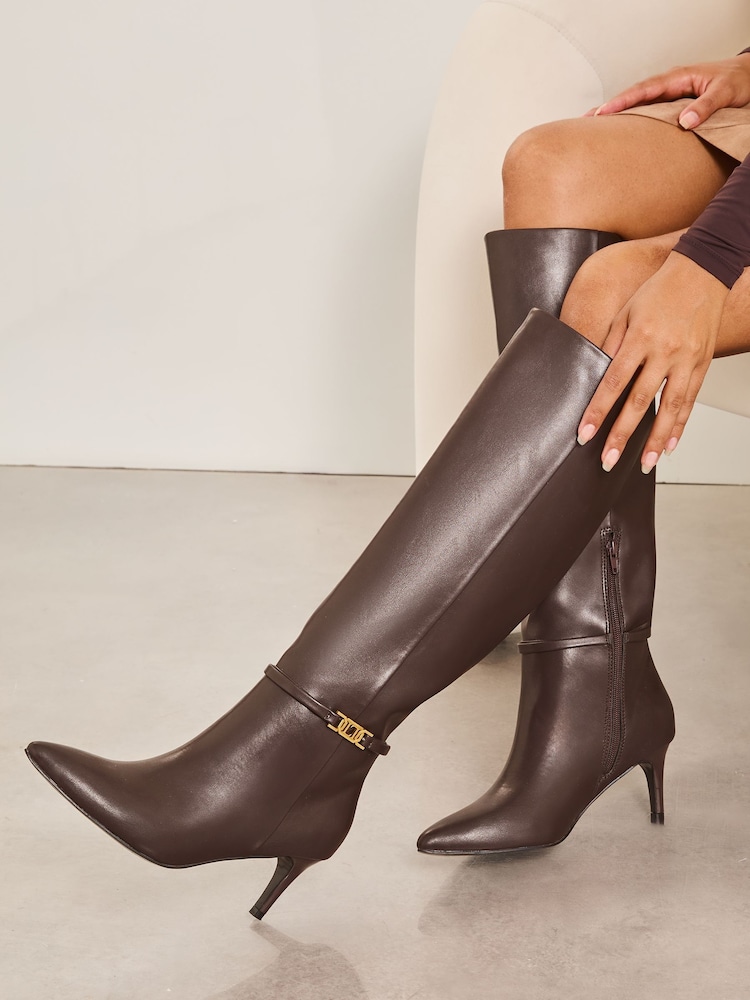
Color is only one half of the story; texture provides the narrative voice. A chocolate brown heel conducts a compelling dialogue through its material. Smooth calfskin or patent leather offers a refined, contemporary finish, creating clean lines and a polished look that works seamlessly in structured environments. Suede, however, is where chocolate brown finds perhaps its most expressive partner. The nap of suede captures light differently, giving the color a softer, more tactile, and inherently luxurious dimension. It evokes the feeling of vintage libraries, classic sports cars, and mid-century modern furniture—associations steeped in timeless style. As designer Tom Ford once opined on the importance of texture in luxury, “It’s in the details. It’s in the feel.” The feel of a suede chocolate brown heel is undeniably rich. Other materials like grained leathers (e.g., crocodile-embossed) add a touch of rugged sophistication, while satin can elevate the shoe for formal evening wear. This material versatility means that owning multiple pairs in the same color family is not redundant but rather an exercise in building a nuanced wardrobe toolkit, each pair capable of telling a slightly different story depending on the texture chosen.
Scientific Principles of Style: Coordination and Visual Weight
Beyond aesthetics, there is a science to why chocolate brown heels function so effectively. It relates to color theory and visual perception. Compared to black, brown creates lower contrast with a wider range of colors, particularly the warm tones (creams, camels, oranges, rusts) and deep tones (navy, forest green, burgundy) that dominate many wardrobes. This lower contrast is easier on the eye and creates a longer, more unbroken line from leg to toe, which can be more flattering. Furthermore, the concept of “visual weight” is crucial. In design principles taught at authoritative institutions like the Rhode Island School of Design, visual weight refers to how much an object attracts the viewer’s eye. A chocolate brown heel has substantial visual weight—it feels solid and intentional—but it is not as stark or heavy as black. It anchors an outfit without overwhelming it, providing balance. This makes it an ideal companion for both flowing, lightweight fabrics (like chiffon) and heavier, structured ones (like wool), acting as a perfect pivot point in an outfit’s composition.
An Investment in Sustainable Style
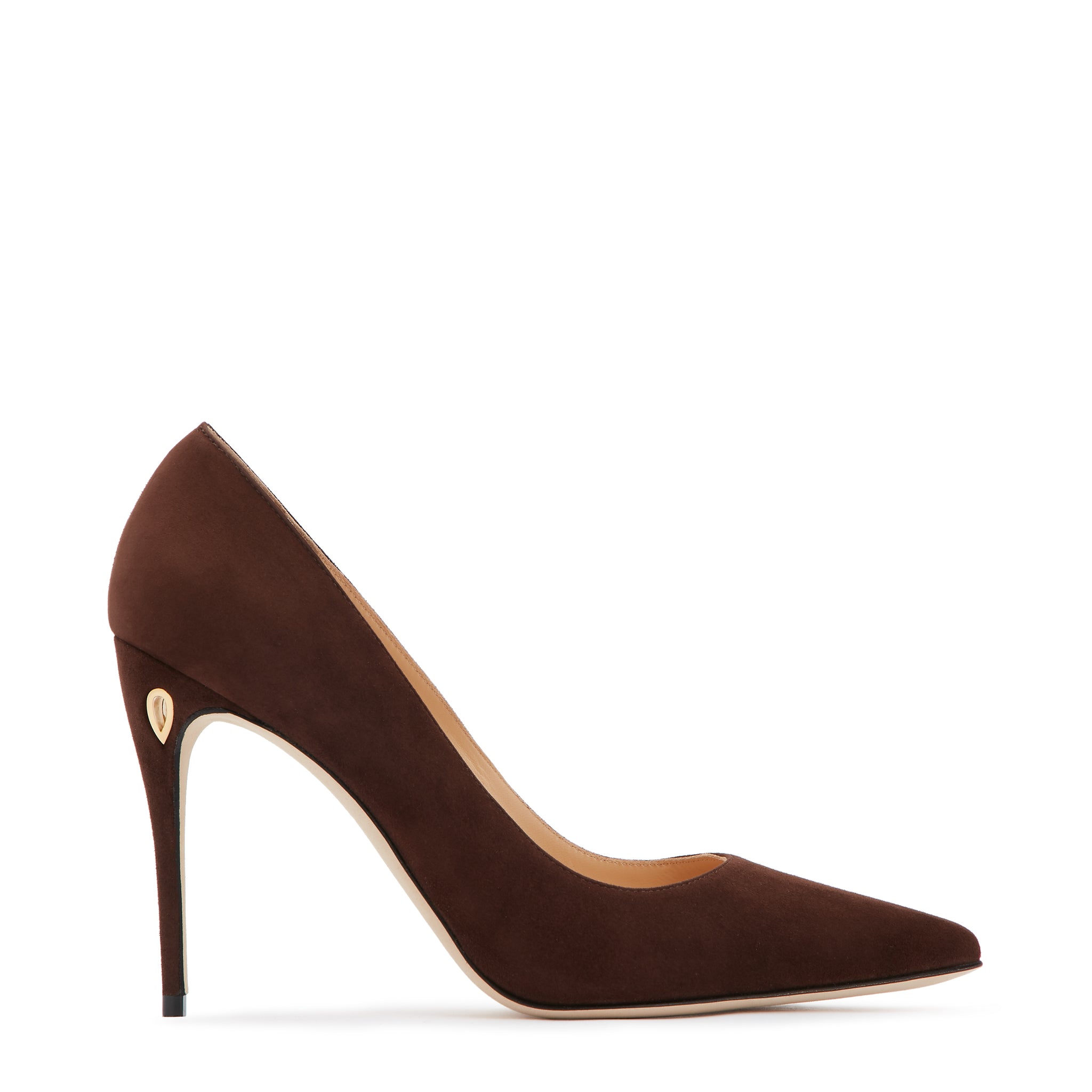
In an era increasingly conscious of consumption, the chocolate brown heel stands as a beacon of sustainable style philosophy. This is not fast fashion; it is slow, considered fashion. Its very versatility promotes a “wear more, buy less” mentality. When a single pair of shoes can authentically traverse professional, casual, and semi-formal scenarios, it reduces the perceived need for excessive, single-use items. This aligns with the viewpoint of sustainability advocates like Livia Firth, who champions the “30 wears” test for clothing items. A well-crafted chocolate brown heel is designed to pass this test with ease, becoming more beloved with each season. Investing in a quality pair from a brand that prioritizes craftsmanship over disposability means supporting better materials, more ethical production, and ultimately, a shoe that will last for years, not just a season. The timeless nature of the color ensures it will not feel dated, making it a truly circular item in your wardrobe—constantly used, constantly relevant.

Curating Your Perfect Pair: A Guide to Intelligent Acquisition
Knowing why to invest is the first step; knowing how to invest intelligently is the next. When curating your perfect chocolate brown heel, consider silhouette, heel height, and material in the context of your lifestyle. A lower block heel or kitten heel in supple leather might be your workhorse, while a classic pump silhouette offers timeless formality. Do not overlook comfort technologies; many contemporary brands incorporate hidden platforms, padded insoles, and ergonomic designs without sacrificing aesthetics. This is where professional knowledge translates directly to value. Brands that utilize techniques like Goodyear welting for resoleability, or source high-grade leathers, offer greater long-term value. And while quality has its price, savvy acquisition is key. Look for end-of-season sales, subscribe to newsletters for early access to promotions, and consider classic styles that are perennially in stock and thus more frequently discounted. The goal is to merge professional insight on construction with strategic purchasing to bring exceptional, discounted value into your closet.
The journey through color theory, historical context, and practical application leads us to a singular, undeniable point: the chocolate brown heel is not an optional accessory but a cornerstone of a intelligent, adaptable, and expressive wardrobe. It is a tool for self-presentation that works as hard as you do, adapting to your myriad roles and environments with unwavering grace and substance. It speaks a language of quiet confidence, of connection to classicism with a foot firmly in the modern world. In a closet of possibilities, it is the most reliable and versatile co-conspirator you could choose. So, look past the transient noise of micro-trends and anchor your style in a piece that truly serves—season after season, year after year.
