

The Versatile Staple for Effortless Style
In the lexicon of personal style, few items promise and deliver as much as a pair of chocolate brown heels. They are not merely shoes; they are a foundational principle, a sartorial algorithm that solves for elegance, transition, and quiet confidence. This hue, rooted in the earth and reminiscent of decadence, possesses a unique chromatic intelligence. It avoids the starkness of black, the seasonal informality of nude, and the bold statement of a primary color, instead offering a warm, rich neutrality that bridges worlds. To build a wardrobe that works with you, not against you, is to understand the profound utility of this single element. It is the cornerstone upon which effortless style is built, a versatile staple that moves seamlessly from the structured demands of a boardroom to the soft glow of a dinner reservation.
The Chromatic Psychology of Chocolate Brown
The power of the chocolate brown heels begins with its color. Color psychology, a field explored by institutions like the University of California, Berkeley, suggests that colors evoke specific emotional and cognitive responses. Brown, in particular, is often associated with stability, reliability, and warmth. As noted in design and fashion literature, it conveys a sense of earthiness and substance. When deepened to a chocolate shade, it gains a layer of sophistication and richness, distancing itself from more utilitarian browns. This is not the brown of shipping boxes, but of aged leather libraries and fine artisanal confections. Fashion historian Dr. Valerie Steele, in her work for The Museum at the Fashion Institute of Technology, has often highlighted how “neutral” colors are never truly neutral; they carry cultural and aesthetic weight. Chocolate brown’s weight is one of grounded luxury. It complements rather than competes, enhancing the wearer’s complexion and allowing other elements of an outfit—a vibrant silk blouse, a textured handbag—to take center stage or harmonize quietly. This inherent balance is the scientific bedrock of its versatility.
Architectural Foundations: Silhouette and Support
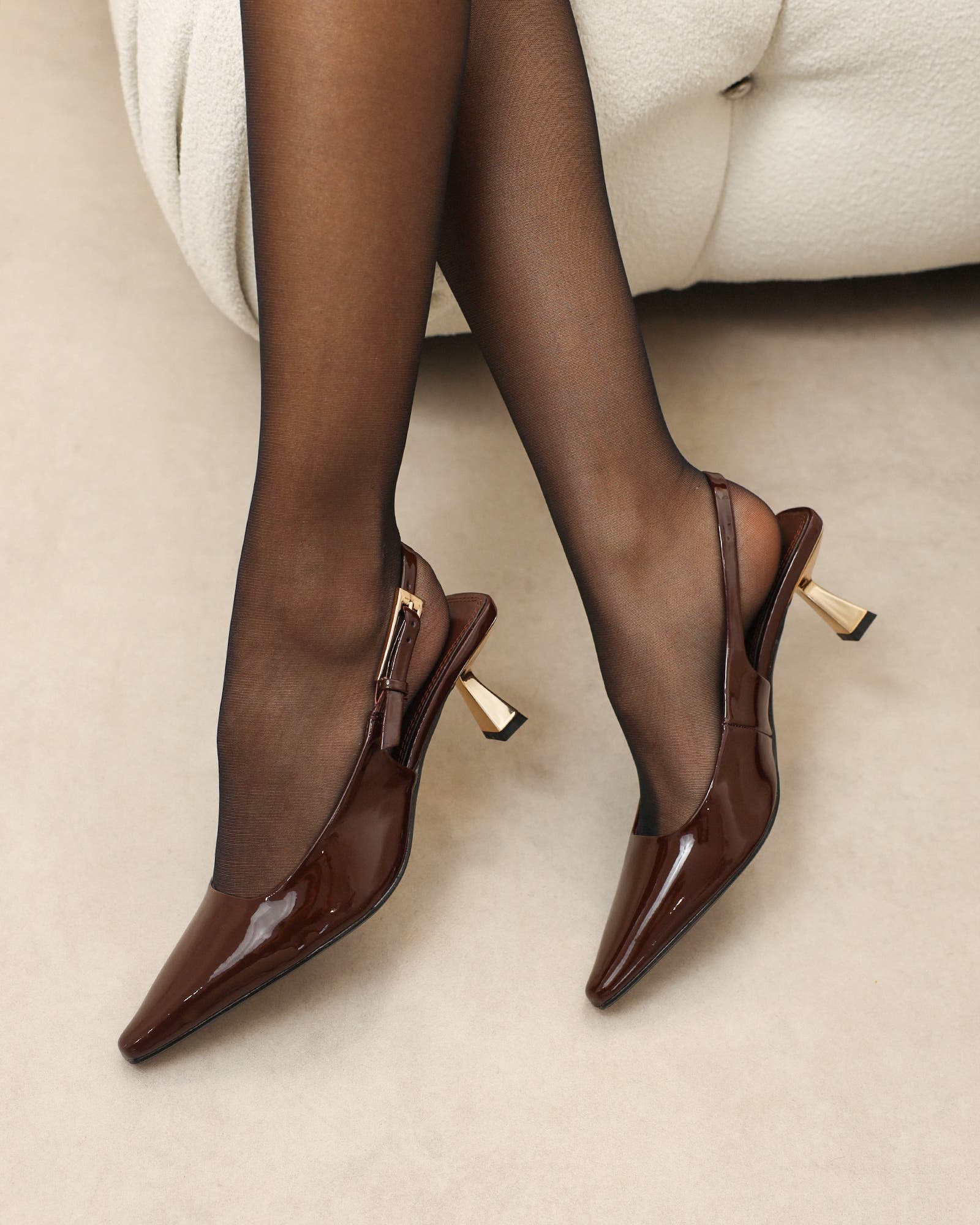
Versatility is not born from color alone; it is engineered through design. The architecture of a heel—its pitch, its placement, the shape of its toe—determines its domain. A classic pump, with a clean line and a moderate heel, is the workhorse. As designer Christian Louboutin once reflected, “A shoe has so much more to offer than just to walk.” It offers posture, attitude, a silhouette. The block heel, a trend with perennial resonance, offers stability without sacrificing height, making a pair of chocolate brown heels with this feature ideal for day-long wear. Meanwhile, a slender stiletto in the same hue transitions the look to evening with a mere change of accessories. The objective science here is in ergonomics and geometry. The distribution of weight, the angle of the foot, and the surface area contacting the ground are all calculated (or should be) to provide a synergy of form and function. Authoritative resources from podiatry associations often stress the importance of a well-constructed heel counter and adequate arch support—features found in quality footwear that transform a stylish item into a sustainable, all-day companion. This is where professional knowledge directly benefits the user: understanding these design principles guides investment toward pieces that are beautiful and biomechanically sound, ultimately offering a discounted price in terms of cost-per-wear and physical comfort.
Texture as Narrative: Suede, Leather, and Patent
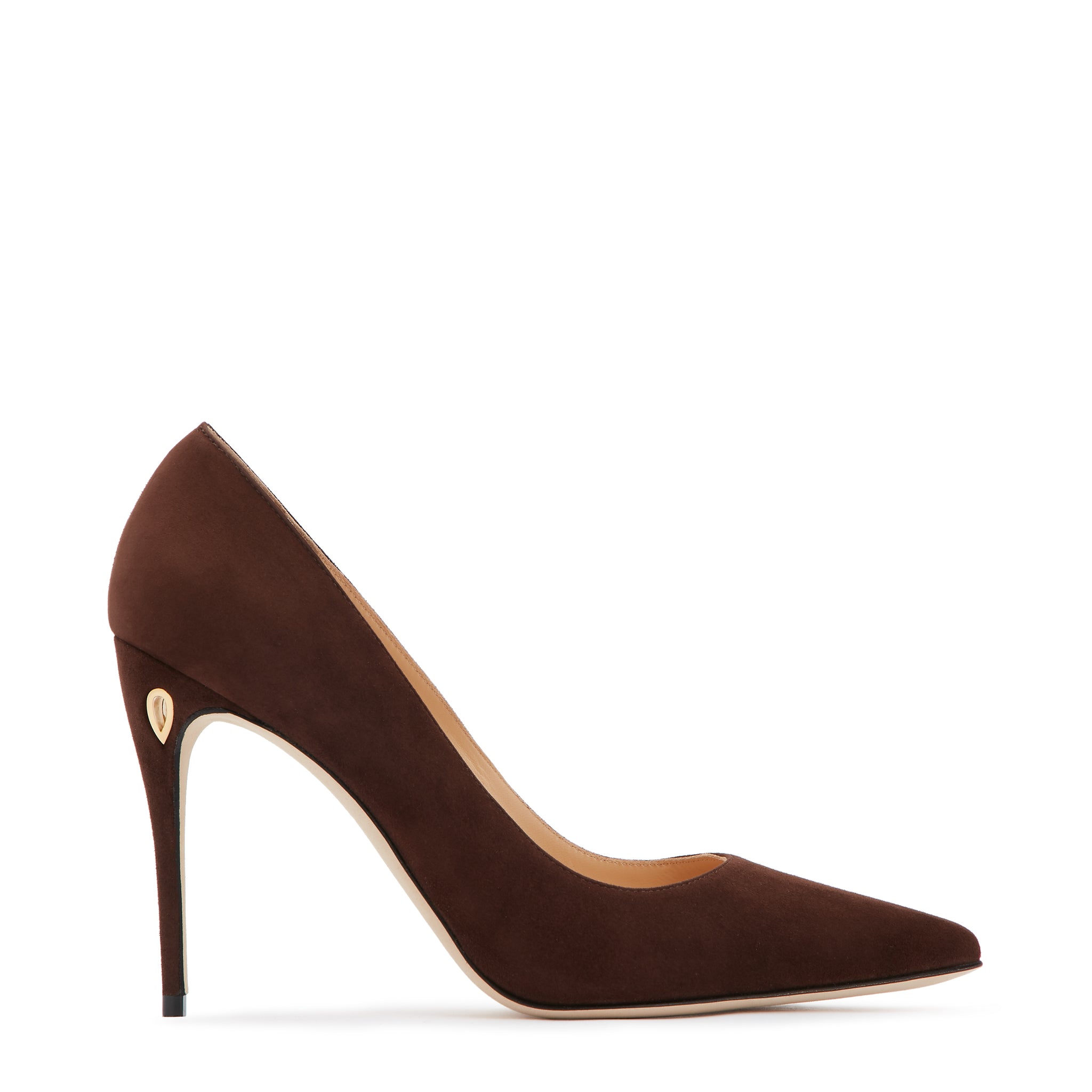
The material of your chocolate brown heels writes a secondary script. Each texture communicates a different chapter of your style story. Suede, with its nap and depth, speaks of tactile luxury and autumnal elegance. It is a favorite for fashion commentators on platforms like Who What Wear, often cited for its ability to add a soft, rich dimension to both casual and formal looks. Smooth calfskin leather is the quintessential professional choice, polished and resilient, echoing the timeless appeal championed by style icons like Audrey Hepburn, whose off-screen wardrobe relied heavily on refined basics. Patent leather, with its high-gloss finish, injects a modern, bold edge, capturing light and attention in equal measure. This choice aligns with viewpoints seen on fashion-forward YouTube channels, where creators demonstrate how texture contrast (e.g., patent heels with a matte wool trouser) creates visual interest. The scientific explanation lies in material science and light reflection. The micro-structure of suede scatters light, creating a soft focus effect, while patent leather’s polymer coating creates a specular reflection, making it sharper and more dramatic. Choosing between them is not merely aesthetic; it is a functional decision about the narrative you wish to craft—understated authority, cozy sophistication, or contemporary boldness.
The Algorithm of Outfit Integration
Let us move from theory to application. The true test of a staple is its combinatorial potential. A pair of exquisite chocolate brown heels is a sartorial keystone. First, consider the professional ensemble: paired with tailored navy trousers and a cream silk shell, the heels ground the look with intelligent warmth, a combination frequently showcased in the editorial content of Vogue or Harper’s Bazaar. They reject the sometimes-funereal tone of all-black professional wear. Second, for weekend elegance, imagine them with faded denim and a crisp white shirt. The heels elevate the denim instantly, a style algorithm proven by street-style stars documented on sites like Style Du Monde. The brown mediates between the casual blue and the formal white, creating perfect harmony. Third, for evening, they provide a rich, deep base for a flowing midi dress in floral or solid hues, from blush to emerald. As interior designers know, chocolate brown is a superb complementary color, making other colors sing without overwhelming them. This integration is effortless because the color operates on principles of color theory—its position on the color wheel allows it to create analogous schemes with warm tones and complementary ones with blues and teals. Each outfit built around them feels intentional, not forced, because the element itself is fundamentally adaptable.
Beyond Trend: The Economic Logic of a Wardrobe Staple
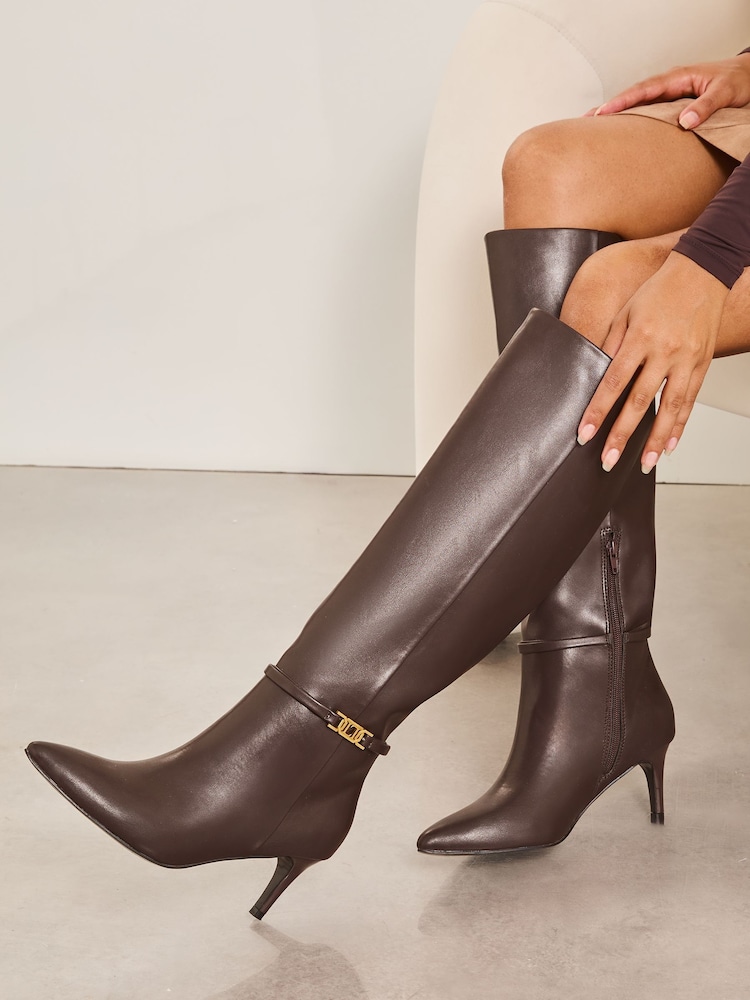
In an era of fast fashion and fleeting trends, the investment in a high-quality pair of chocolate brown heels is an exercise in both aesthetic and economic intelligence. This aligns with the “capsule wardrobe” philosophy popularized by experts like Susie Faux and later Donna Karan, which emphasizes fewer, better pieces that interlock seamlessly. The cost-per-wear metric, a fundamental concept in mindful consumption, plummets with an item this versatile. A single pair can effectively fulfill the role of multiple, more situational shoes. This is the ultimate professional knowledge brought to the user: understanding value beyond the price tag. It is a discounted price on future stress, decision fatigue, and redundant purchases. Fashion sustainability advocates, from publications like Business of Fashion to activists on Twitter, consistently argue for investing in versatile, durable staples as a cornerstone of a more sustainable wardrobe. The chocolate brown heel, in its timeless hue and classic design, resists obsolescence. It is not subject to the whims of a seasonal color palette but is instead a perennial, much like the little black dress—but with a warmer, more contemporary sensibility.
Ultimately, the pursuit of effortless style is the pursuit of coherence and ease. It is about owning pieces that feel like extensions of oneself, that require minimal negotiation when getting dressed. The chocolate brown heels stand as a testament to this principle. They are a synthesis of chromatic wisdom, ergonomic design, and stylistic logic. They do not shout; they converse. They do not restrict; they liberate. They are the quiet, confident answer to the daily question of what to wear, proving that true style is not about constant novelty, but about the intelligent, versatile staples that form the foundation of a truly wearable, personal aesthetic.
