

The Ultimate Guide to Tennis Shoes for Everyday Walking
For years, the quest for the perfect everyday walking shoe has led many of us down aisles of specialized footwear, only to circle back to a familiar, versatile contender: the tennis shoe. Once confined to the courts, tennis shoes for walking have emerged as a dominant force in casual and athletic wear, blending performance heritage with all-day comfort. This isn’t about repurposing old sports gear; it’s about recognizing a category of footwear engineered for stability, cushioning, and lateral support—attributes that translate exceptionally well to the varied terrain of daily life. From navigating city sidewalks to weekend park trails, the right pair of tennis shoes can transform your daily stride from a mundane task into a comfortable, supported experience. Let’s explore why this crossover is not just a trend, but a scientifically sound choice for your feet.
The Engineering Behind the Comfort: Why Tennis Shoes Work for Walking
To understand the suitability of tennis shoes for walking, we must first dissect their original purpose. Tennis is a sport characterized by explosive lateral movements, quick stops and starts, and constant pressure on the balls of the feet. Consequently, shoe manufacturers like ASICS, Nike, and New Balance design tennis footwear with specific features: reinforced toe guards (for toe-dragging during serves), durable outsoles with herringbone or modified patterns for multi-directional grip, and substantial midfoot support to prevent rolling during side-to-side motion. According to biomechanics literature from institutions like the University of Calgary’s Human Performance Lab, these design principles align closely with the needs of dynamic walking, especially on hard urban surfaces. The cushioning systems, often incorporating technologies like Nike Air, Adidas Boost, or ASICS GEL, are calibrated to absorb impact from heel strike to toe-off—a linear motion pattern that, while less chaotic than tennis, still generates forces of 1.5 to 2 times body weight with each step. A statement from Dr. Casey Kerrigan, a former Harvard Medical School professor and gait analysis expert, underscores this: “The best walking shoe is one that provides a stable platform and mitigates impact without overcorrecting natural motion. Many tennis shoes, with their focus on medial-lateral stability, offer a balanced foundation that running shoes, designed primarily for forward motion, sometimes lack.” Therefore, choosing tennis shoes for walking is not a compromise; it’s selecting a tool built for a spectrum of movements, of which straightforward ambulation is a core component.
:max_bytes(150000):strip_icc()/Web_1500-vwt-primary-best-overall-shoe-tstaples-118-671f4e0048e64d14a1c42e4f8d9e6658.jpg)
Decoding the Jargon: Cushioning, Stability, and Fit
When you venture into the world of athletic footwear, you’re bombarded with proprietary terms. Let’s demystify the three pillars critical for a walking shoe. First, Cushioning. This isn’t just about softness. As explained in resources from the American Podiatric Medical Association, effective cushioning is about energy return and impact dispersion. For example, Adidas’s Boost foam, comprised of thousands of TPU pellets, is renowned for its continuous energy return, making each step feel less taxing over long distances. Second, Stability. This refers to the shoe’s ability to prevent excessive inward rolling (overpronation) or outward rolling (supination). Tennis shoes often feature dual-density midsoles and supportive heel counters—a hard shell around the heel cup—to achieve this. A review on Runner’s World noted that many stability-focused running shoes share these construction techniques with court shoes. Finally, and most crucially, Fit. A study cited by the University of Washington’s Department of Orthopaedics emphasizes that a proper fit allows a thumbnail’s width of space between your longest toe and the shoe’s end, with a secure but not tight hold around the midfoot and heel. A well-fitted tennis shoe for walking should feel locked down, preventing the foot from sliding during the heel-to-toe transition, a common issue with looser-fitting casual sneakers that can lead to blisters and instability.

From Court to Concrete: Top Tennis Shoe Styles for the Urban Walker
Not all tennis shoes are created equal for walking purposes. The market broadly splits into “heritage” or “classic” styles and modern “performance” models. Heritage styles, like the Adidas Stan Smith or Nike Court Legacy, offer timeless aesthetics and simpler construction. They often feature a cupsole construction (where the outsole is glued to the upper) and basic EVA foam cushioning. They are excellent for light, fashion-forward walking on even surfaces. However, for serious all-day comfort, modern performance models are superior. Shoes like the ASICS GEL-Resolution or the New Balance Fresh Foam Lav are engineered with advanced materials. They typically utilize a combination of mesh and synthetic leather uppers for breathability and support, integrated torsion systems for midfoot integrity, and sophisticated cushioning compounds. A Quora thread featuring insights from a certified pedorthist highlighted that performance tennis shoes for walking often have a slightly wider base, providing a more stable platform for prolonged standing and walking than many minimalist running shoes. The key is to match the shoe to your walking environment: cushioned, responsive performance models for varied city landscapes and longer durations, and classic styles for shorter, more predictable outings where style is a primary concern.
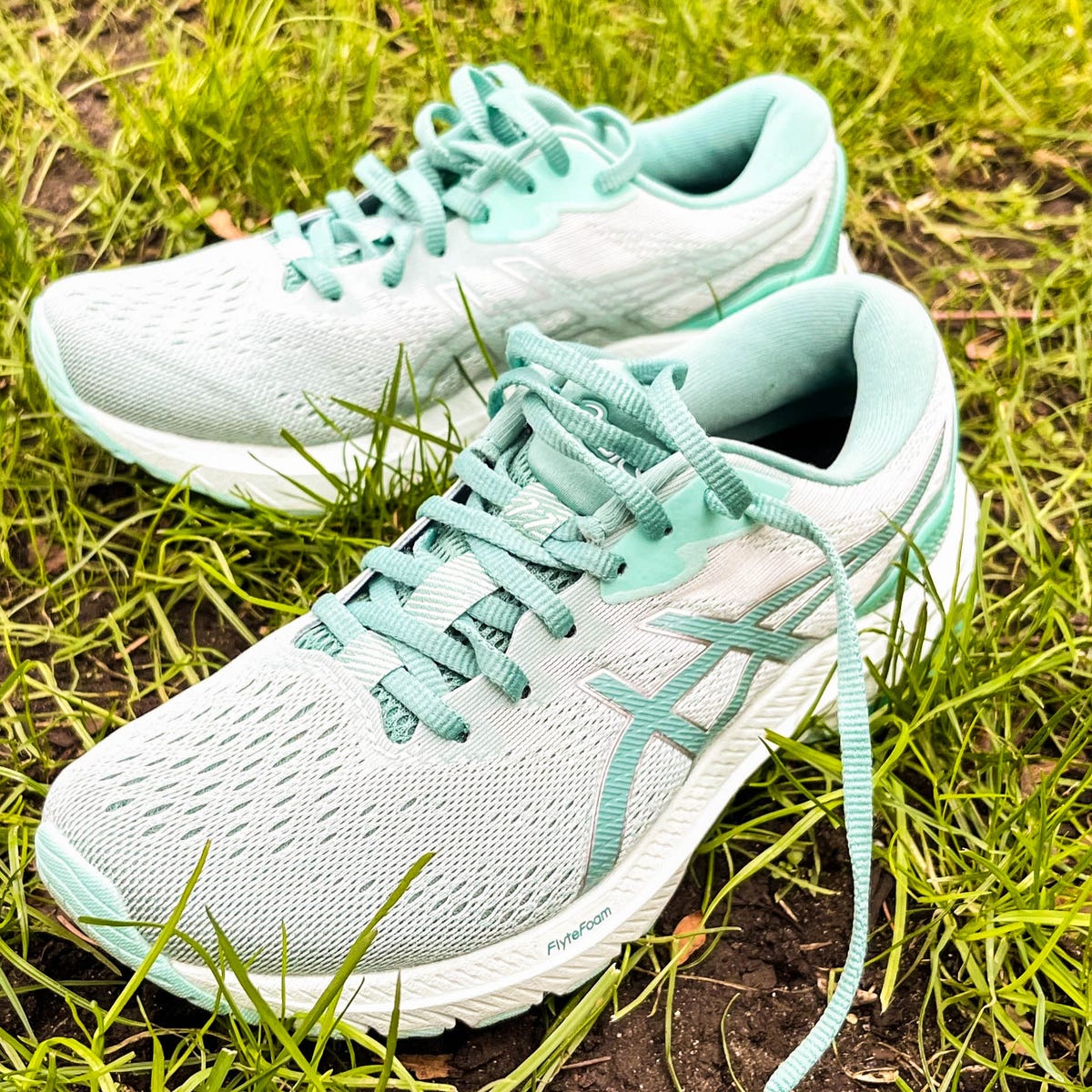
A Step-by-Step Guide to Your Perfect Pair
Finding your ideal pair requires more than picking a popular brand. Follow this actionable guide. First, Analyze Your Gait. While a professional analysis is best, a simple home test involves looking at the wear pattern on your old shoes. Excessive wear on the inner side suggests overpronation, calling for a stability-focused model. Even wear indicates a neutral gait, giving you the widest range of options. Second, Prioritize Your Walk. Are you logging miles for fitness or strolling through markets? Fitness walkers should lean toward performance models with responsive cushioning. Casual walkers might prioritize style but should never sacrifice a proper fit. Third, Shop Smart and Late. Feet swell throughout the day, so shop in the afternoon or evening for the most accurate fit. Always wear the socks you intend to walk in. Don’t be seduced by the need to “break in” a shoe; modern tennis shoes for walking should feel comfortable from the first step. Finally, Consider the Investment. Quality footwear is an investment in your musculoskeletal health. While prices for top-tier performance models can range from $100 to $160, the technology and durability justify the cost. However, savvy shoppers can find previous-season models or colorways at significant discounts—often 25-40% off—on retailer websites and outlet stores without compromising on the core technology.
Beyond the Hype: The Long-Term Value of a Purposeful Choice
Choosing footwear is a decision with long-term repercussions for your joints and posture. The transient comfort of a poorly supported shoe can lead to a cascade of issues, including plantar fasciitis, shin splints, and knee pain. In contrast, a well-chosen tennis shoe acts as a preventative tool. The durable rubber outsoles, designed to withstand the abrasive surface of a tennis court, offer exceptional longevity on pavement, often outlasting softer running shoe outsoles. This durability translates to cost-effectiveness over time. Furthermore, the cultural cachet of tennis shoes, as highlighted in documentaries like “Abstract: The Art of Design” in its episode on Nike’s Tinker Hatfield, is rooted in problem-solving design. This ethos means you’re not just buying a brand; you’re buying decades of iterative engineering aimed at optimizing human movement. When you lace up a pair of tennis shoes for walking, you’re leveraging that heritage for your daily life. It’s a choice that merges pragmatic health considerations with timeless style, proving that the best tool for the job is often one that was built for a different, but fundamentally similar, challenge.

The journey to effortless, pain-free walking doesn’t require a specialized, single-purpose shoe. It often leads to a versatile, robust, and thoughtfully engineered solution already in your wardrobe or at your local retailer. Tennis shoes for walking represent a synergy of form and function, where athletic rigor meets everyday resilience. By understanding the science behind their design, carefully selecting a model that aligns with your biomechanics and lifestyle, and making an informed purchase, you equip yourself for miles of comfortable exploration. Your daily path, whether it’s a commute, an errand, or a purposeful stroll, deserves the foundation that only a shoe built for dynamic support can provide. Step into the right pair, and feel the difference with every stride.
