

The Best Tennis Shoes for Everyday Walking Comfort
When we talk about footwear designed for the rigors of the court, we seldom consider its potential for the pavement. Yet, the search for the perfect everyday walking companion often leads us to an unexpected category: tennis shoes for walking. This isn’t about repurposing a specialized tool for a generic task; it’s about recognizing a convergence of engineering principles that prioritize support, cushioning, and durability. The modern tennis shoe, born from a need for lateral stability and impact absorption during quick, multi-directional movements, inherently possesses features that translate beautifully to the linear, repetitive motion of walking. This article will dissect why a well-chosen tennis shoe can be a superior choice for your daily ambulation, grounding our exploration in biomechanics, material science, and the lived experiences of countless walkers who have made the switch.
The Biomechanical Bridge: From Court to Concrete
To understand the suitability of tennis shoes for walking, we must first deconstruct the biomechanical demands of both activities. Walking is a controlled, cyclical motion involving a heel strike, mid-stance, and toe-off. The primary forces are vertical and forward-progressing. Tennis, however, is a symphony of explosive sprints, sudden stops, and rapid lateral cuts, generating immense shear and torsional forces. The engineering response to these demands creates an overlap of benefits. A key feature is midfoot support and torsional rigidity. As noted in research from the University of Calgary’s Human Performance Laboratory, excessive foot pronation during the mid-stance phase of walking can lead to a chain of issues up the kinetic chain, including knee and hip pain. Tennis shoes are specifically built with reinforced midsoles and often incorporate technologies like thermoplastic urethane (TPU) shanks or medial posts to limit excessive inward rolling, providing the stability a walker’s foot needs during its weight-bearing phase. This isn’t mere speculation; it’s applied physics. The stability that prevents an ankle from rolling during a side-to-side lunge on clay offers the same foundational security on an uneven sidewalk.

Cushioning: Impact Absorption for the Long Haul
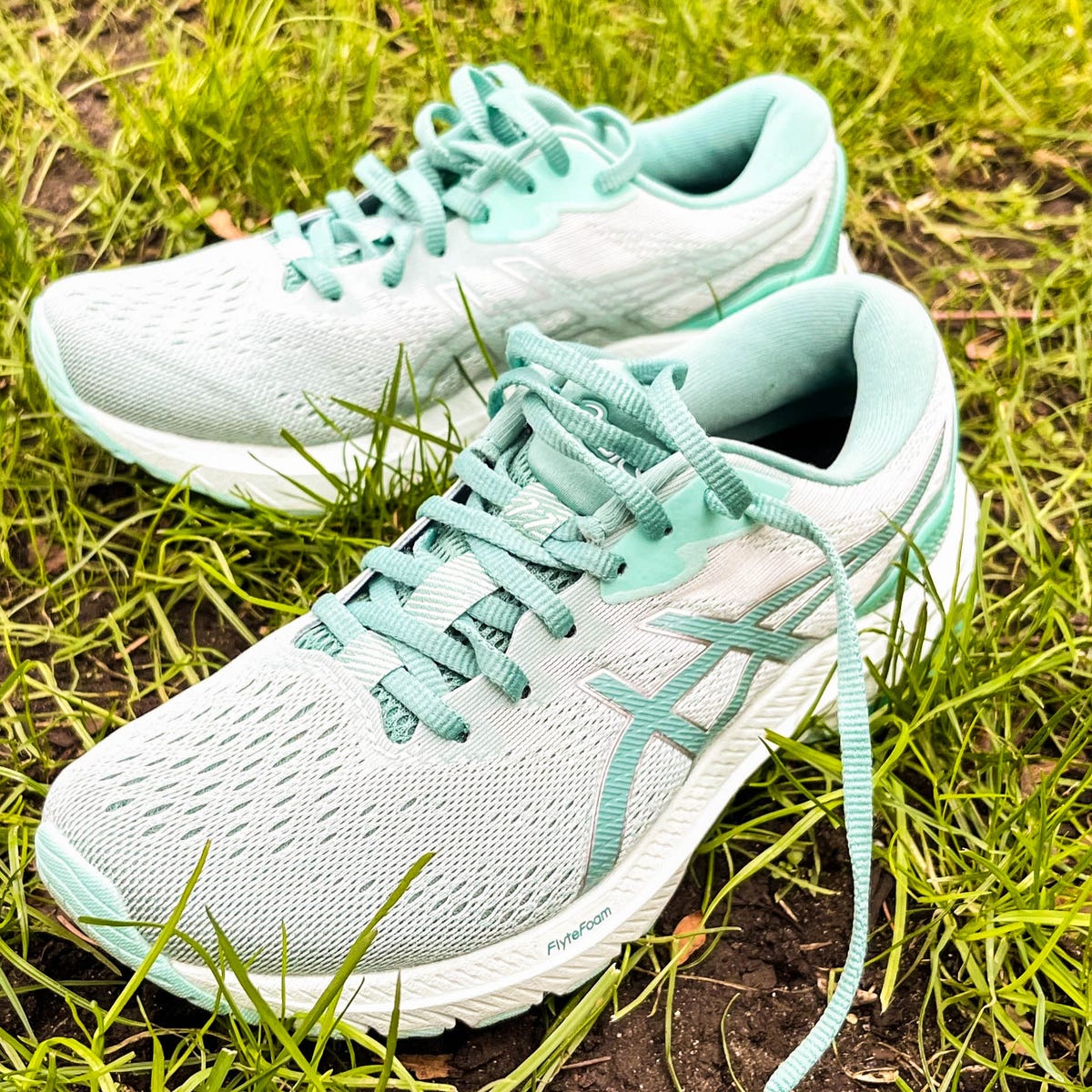
The quest for comfort in walking shoes is fundamentally a quest for effective cushioning. Every step generates a force of approximately 1.2 to 1.5 times your body weight, a repetitive load that accumulates over miles. Here, tennis shoe technology shines brightly. Brands invest heavily in advanced foam compounds—Nike’s Zoom Air and React, Adidas’ Boost and Lightstrike, ASICS’ Gel and FlyteFoam—primarily to dampen the high-impact landings of a tennis match. These materials are designed not just to be soft, but to be resilient, returning energy and maintaining their properties over time. Dr. Casey Kerrigan, a renowned biomechanist and former professor at Harvard Medical School, has extensively studied footwear and gait. In her research, she emphasizes that “the goal of cushioning is to reduce the loading rate on the body’s joints.” The sophisticated midsole systems in performance tennis shoes do exactly that, dispersing the shock of heel strike far more effectively than many traditional, flat-soled walking shoes. When you choose a tennis shoes for walking, you are not opting for a fashion trend; you are equipping your feet with laboratory-tested shock absorption technology designed for athletic punishment, making your daily stroll a gentler experience for your joints.

Durability and Outsole Design: Engineered for Endurance
A common grievance with many lightweight walking or running shoes is the rapid wear of the outsole, especially in the heel and forefoot areas. Tennis shoes confront a more abrasive adversary: the textured, sandpaper-like surface of a tennis court. Consequently, their outsoles are crafted from exceptionally durable, non-marking rubber compounds like Adidas’ Adiwear or ASICS’ AHAR (ASICS High Abrasion Rubber). The tread pattern, often a modified herringbone or a circular pivot point design, is optimized for grip on a variety of court surfaces. This translates directly to longevity on pavement. The robust rubber resists scuffing and grinding, meaning a pair of tennis shoes used exclusively for walking will often outlast their running shoe counterparts by a significant margin. Furthermore, the outsole’s grip pattern provides reliable traction on wet sidewalks, grassy paths, or slightly uneven terrain, offering a secure footing that generic sneakers cannot guarantee. This durability is an economic and practical advantage, making the initial investment in a quality pair of tennis shoes for walking a wise long-term decision.
Selecting Your Stride Companion: Key Features to Prioritize
Not all tennis shoes are created equal for walking purposes. The category encompasses various types, from minimalist speed-focused models to sturdy, stability-oriented ones. For the walker, specific features should rise to the top of the checklist. First, prioritize heel-to-toe drop. A moderate drop (8mm-12mm) is often ideal, as it facilitates a natural rolling motion through the gait cycle. Second, examine the upper construction. Look for breathable, flexible materials like engineered mesh that accommodate the natural swelling of the foot during a long walk, avoiding overly stiff or leather-based uppers designed for maximum court lockdown. Third, consider the weight. While tennis shoes are generally not as featherlight as racing flats, a model in the 10-12 ounce range (for men) offers a good balance of substance and agility. Finally, ensure a proper fit with ample room in the toe box to prevent blisters and allow for toe splay during push-off. Remember, the goal is to find a tennis shoe that prioritizes comfort and linear motion support over aggressive lateral containment.
:max_bytes(150000):strip_icc()/vwt-walking-shoes-test-ryka-devotion-x-sahara-borja-02-18807b688fbb49e4ba30a3ee438600cb.jpeg)
Voices from the Community: Testimonials and Expert Opinions
The theory is compelling, but real-world validation seals the argument. Across platforms like Reddit’s r/walking or dedicated fitness forums, anecdotes abound from individuals who have transitioned to tennis shoes for their daily walks, reporting reduced foot fatigue and knee pain. On YouTube, certified fitness trainers and podiatrists often review athletic footwear. Dr. Brad Schaeffer, a sports podiatrist, noted in a review, “For patients who are walkers and need more structure than a running shoe offers, I often look at the stability category of tennis shoes. The design philosophy aligns well.” Furthermore, publications like Runner’s World and Outside Magazine have occasionally featured articles exploring the crossover appeal of court shoes for other activities, acknowledging their built-for-purpose durability. This groundswell of user experience and professional acknowledgment isn’t a coincidence; it’s a collective recognition of a tool that fits the task. As one long-time walker on a Quora thread succinctly put it: “I wore out walking shoes every six months. I’ve had my ASICS Gel-Resolution for over a year of daily walks, and they still feel supportive. They’re simply built tougher.”
Beyond the Hype: A Practical and Economical Choice
Embracing tennis shoes for walking is also a savvy consumer decision. The performance athletic footwear market is competitive, with frequent sales and model updates. Last season’s premium tennis shoe, often featuring 90% of the technology of the newest release, can frequently be found at significant discounts. This allows you to access high-end cushioning systems, premium materials, and durable construction at a fraction of the original retail price. For instance, a top-tier model originally priced at $150 might be available for $90-$110 during seasonal sales, offering exceptional value given its longevity. This economic aspect, combined with the professional-grade comfort and support, makes a compelling case. You are not paying for a specialized feature you won’t use (like an extreme outrigger for lateral cuts); you are investing in the core architectural benefits—durability, cushioning, and stability—that directly enhance the walking experience.
The journey for the perfect walking shoe need not be confined to the “walking” aisle. By looking to the tennis section, you discover footwear born from a crucible of high-demand sport, engineered for support, crafted for endurance, and refined for impact management. The tennis shoes for walking represents a pragmatic fusion of athletic science and everyday need. It offers a foundation that understands the mechanics of movement, protects the body from repetitive stress, and stands up to the test of time and terrain. Your daily walk is a ritual of health and clarity; the footwear you choose should be a deliberate, intelligent partner in that practice, built not just for a step, but for thousands of them.
