

Step Into Style: The Ultimate Guide to Toe Walker Shoes
Forget everything you thought you knew about footwear. The journey toward understanding and embracing toe walker shoes is not merely about correcting a gait; it’s a profound step into a world where biomechanical science, personal identity, and uncompromising style converge. This isn’t a niche medical discussion hidden in clinical pamphlets. It’s a movement, a conscious choice for millions who navigate the world on their forefeet. Whether you’re a parent seeking answers, an adult who has always moved this way, or a style enthusiast intrigued by unique footwear solutions, this guide dismantles myths and builds a new foundation of knowledge. We’re moving beyond simplistic labels to explore the architecture of these specialized shoes, the science that validates their design, and the undeniable aesthetic statement they make. Prepare to see footwear not as a cover for the foot, but as its intelligent partner.
The Biomechanical Blueprint: Why Toe Walking Exists
Toe walking, or idiopathic toe walking (ITW) when no underlying neurological or orthopedic condition is present, is a gait pattern where the heel makes little or no contact with the ground. The causes are multifaceted. For some children, it’s a habitual holdover from early walking. For others, it can be linked to sensory processing differences, where the tactile feedback from a full foot strike is overwhelming—a perspective often discussed in occupational therapy circles and supported by research from institutions like the University of Southern California’s Division of Biokinesiology and Physical Therapy. Renowned physiotherapist Dr. Karen Pape, in her work “The Boy Who Could Run But Not Walk,” explores the brain’s role in motor patterns, suggesting that gait is as much about neurology as it is about musculature. This isn’t a “quirk” to be casually dismissed. It’s a complex interaction between the brain, the sensory nervous system, and the musculoskeletal framework. Persistent toe walking can lead to shortened Achilles tendons, altered balance, and muscle fatigue. Therefore, the intervention isn’t about forcing conformity to a “normal” walk; it’s about providing support that allows for comfort, development, and long-term physical health without sacrificing the individual’s natural propulsion preference.
Deconstructing the Design: Anatomy of a Toe Walker Shoe
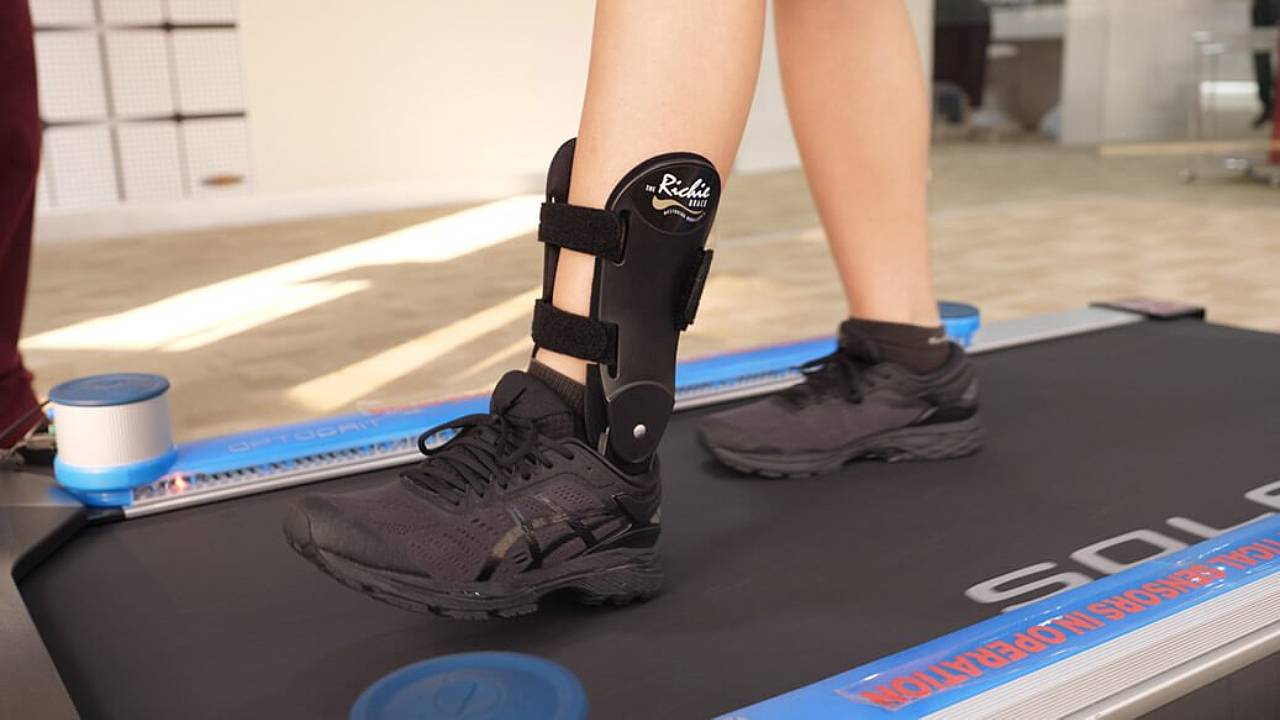
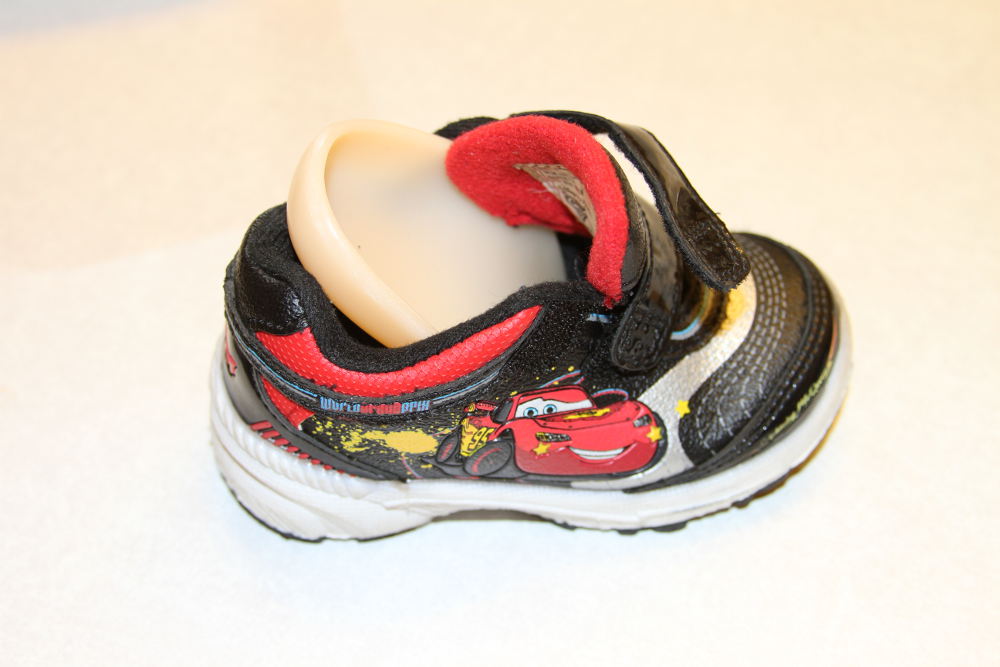
What separates a standard sneaker from a purpose-built toe walker shoe? The difference is in the deliberate engineering. First, the heel counter—the rigid back part of the shoe that cups your heel—is often reinforced and extended. This isn’t just for durability; it acts as a gentle, constant guide, encouraging the calcaneus (heel bone) to descend toward the ground. Second, the rocker sole is paramount. Unlike a flat sole, a rocker sole has a curved profile that facilitates a smoother roll-through from heel to toe, reducing the strain on the forefoot and making a heel-strike gait less effortful and more natural. This design principle is borrowed from therapeutic footwear for diabetes and arthritis, validated by studies from the Mayo Clinic’s Department of Orthopedics. Third, consider the internal architecture. Many toe walker shoes feature a deep heel cup and a full-length, removable orthotic insole. This dual system provides calcaneal control and arch support, distributing pressure evenly. As noted on platforms like Quora and in parent forums, the ability to insert custom orthotics (like those pictured) is a game-changer. The shoe becomes a platform for personalized intervention.
Material Science and Sensory Considerations
The fabric and build are chosen with neuro-sensory awareness. Seamless interiors prevent chafing for sensitive feet. Breathable, flexible uppers made from advanced knits or soft leathers accommodate foot movement without restrictive pressure. Weight is a critical factor; a heavy shoe can exacerbate a toe-walking pattern by making lift-off easier than a controlled, full-foot step. Brands specializing in this area, often cited by pediatric podiatrists on health blogs, use lightweight composites and foams without sacrificing stability. The closure system—whether high-tension laces, wide-range hook-and-loop straps, or BOA® fit systems—allows for micro-adjustments to achieve a secure, “hugged” fit that provides proprioceptive feedback, a calming signal to the nervous system that the foot is firmly and safely positioned.
From Clinic to Catwalk: The Style Revolution
Here lies the most transformative revelation: toe walker shoes are no longer clinical eyesores. The outdated stereotype of bulky, beige, orthopedic footwear is dead. We are in an era where brands like Billy Footwear, Plae, and New Balance’s specific therapeutic lines have shattered the mold. They understand that for a child or an adult, wearing a shoe that looks “different” can be a source of social anxiety. The modern response is to inject cutting-edge style. We see collaborations with popular cartoon franchises, color-blocking techniques straight from high-fashion runways, and sleek silhouettes that rival any premium sneaker. This is a powerful form of social-emotional support. When a child proudly points out their cool dinosaur shoes instead of hiding their feet, the therapeutic compliance soars. For adults, it means integrating necessary foot support into a personal style narrative without compromise. The message is clear: you do not have to choose between function and fashion. The market now demands—and delivers—both, empowering individuals to step out with confidence.

Navigating the Market: A Curated Selection for Your Step
With understanding comes the need for actionable guidance. The market can be overwhelming, so let’s break down key categories. For young children (ages 2-6) establishing gait patterns, look for shoes with a firm heel counter, a flexible forefoot for natural toe-off, and a removable insole. Brands like Stride Rite’s Adaptive line or See Kai Run’s stability-focused models often receive high marks from pediatric physical therapists on professional review sites. For school-age children and teens, durability and peer-approved style become crucial. Shoes from Vionic’s Kids line or certain adaptive styles from Nike offer the necessary support wrapped in universally coveted designs. For adults with a lifelong toe-walking habit or acquired needs, the focus shifts to sophisticated support. Brands like Altra, with their FootShape™ toe box and balanced cushioning, or HOKA’s meta-rocker geometry, provide the rocker sole and stability features in a performance package. Remember, the most expensive shoe is not always the best. The “best” is the one that fits your unique foot shape, addresses your specific gait pattern, and aligns with your lifestyle. Consulting a certified pedorthist or podiatrist for a gait analysis is the most scientific starting point.
Investing in Your Stride: Value Beyond Price Tag
Let’s discuss value transparently. A high-quality pair of toe walker shoes typically ranges from $80 to $150. This investment reflects the specialized materials, research, and construction detailed earlier. However, smart shopping exists. Direct-to-consumer brands often offer better value by cutting out retail markups. Signing up for newsletters can secure first-order discounts of 10-15%. End-of-season sales are perfect for buying the next size up. Consider the cost-per-wear: a $120 shoe worn daily for six months breaks down to less than $0.70 per day for foundational foot health and comfort. That’s a profound return on investment. Some therapeutic shoe brands also partner with insurance providers or flexible spending accounts (FSAs), so documentation from a physician can turn a personal expense into a reimbursable medical device.

The Empowered Step Forward
This journey through the world of specialized footwear culminates in a single, powerful realization: choice. You have the choice to understand the biomechanics of your stride. You have the choice to select footwear that is engineered with scientific precision, not guesswork. Most importantly, you have the choice to do so without sacrificing an ounce of personal expression. The modern toe walker shoe stands as a testament to human-centric design—where medical insight and aesthetic desire are not in conflict but in collaboration. It represents a step away from stigma and a step toward a future where every individual’s unique way of moving through the world is met with support, innovation, and undeniable style. Your next step isn’t just a movement; it’s a statement. Make it a confident one.
