

Step Into Comfort and Style with Vionic Walking Shoes
For years, the pursuit of the perfect walking shoe felt like a compromise. You could have cushioning that felt like walking on clouds, but the shoe looked like a medical device. You could find a stylish sneaker, but after a few city blocks, your feet would ache, and your back would protest. This false choice between wellness and aesthetics has dominated the footwear industry, leaving many to accept discomfort as the price of looking good or to sacrifice style for the sake of their soles. But what if this dichotomy is a relic of the past? The evolution of footwear science and biomechanical understanding has ushered in a new category of shoes that refuse to compromise. At the forefront of this movement is a concept embodied by brands like Vionic, which merge podiatrist-inspired orthotic support with contemporary design. This isn’t about a temporary trend; it’s a fundamental shift in how we approach daily mobility. The right shoe doesn’t just carry you from point A to point B—it actively contributes to your musculoskeletal health, posture, and overall vitality. Let’s explore why stepping into a pair of Vionic walking shoes can be a transformative decision for your feet and your fashion sense, supported by principles of human anatomy, material science, and ergonomic design.
The Foundation: Understanding Foot Biomechanics and Arch Support
To appreciate the innovation behind specialized walking shoes, one must first understand the complex engineering of the human foot. According to resources from authoritative institutions like the American Podiatric Medical Association (APMA) and academic literature from universities such as Harvard Medical School, the foot is a marvel of biomechanics, comprising 26 bones, 33 joints, and over 100 muscles, tendons, and ligaments. Its primary functions are shock absorption, propulsion, and adaptation to uneven terrain. The arch structure—medial, lateral, and transverse—is crucial for distributing body weight. When this arch collapses or is inadequately supported (a condition known as overpronation or, conversely, insufficient pronation), it creates a chain reaction of misalignment. This can lead to plantar fasciitis, heel spurs, knee pain, and even hip and lower back issues. A standard flat insole in a fashion shoe does nothing to counteract this. This is where the core technology of a Vionic walking shoe comes into play. Built around a proprietary, biomechanically engineered footbed, these shoes are designed with a deep heel cup to stabilize the rearfoot and a precise level of arch support to maintain the foot’s natural alignment from heel strike to toe-off. This isn’t mere padding; it’s a guided motion system. As noted by Dr. Andrew Shapiro, a spokesperson for the APMA, “Proper arch support is not a luxury; it’s a necessity for long-term foot health. Shoes that integrate this support into their foundation can prevent a multitude of common ailments.” By addressing the root cause of discomfort—biomechanical inefficiency—rather than just masking the symptom with soft foam, these shoes offer a scientifically-grounded solution.
Beyond Comfort: The Synergy of Style and Substance
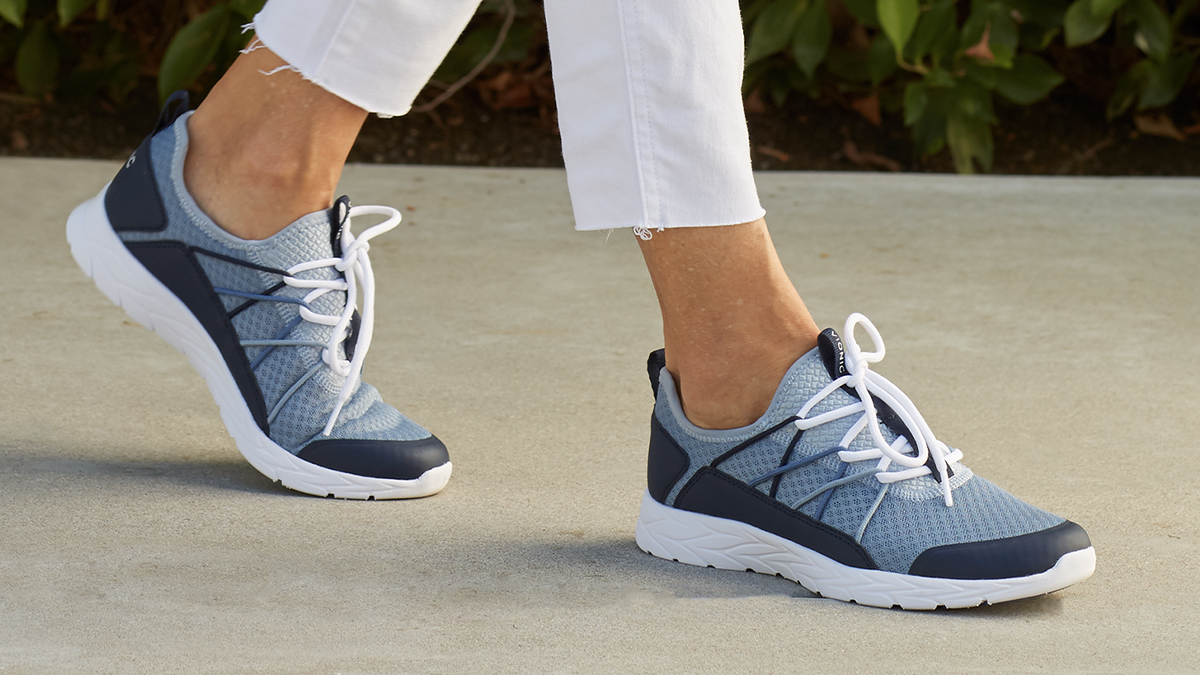
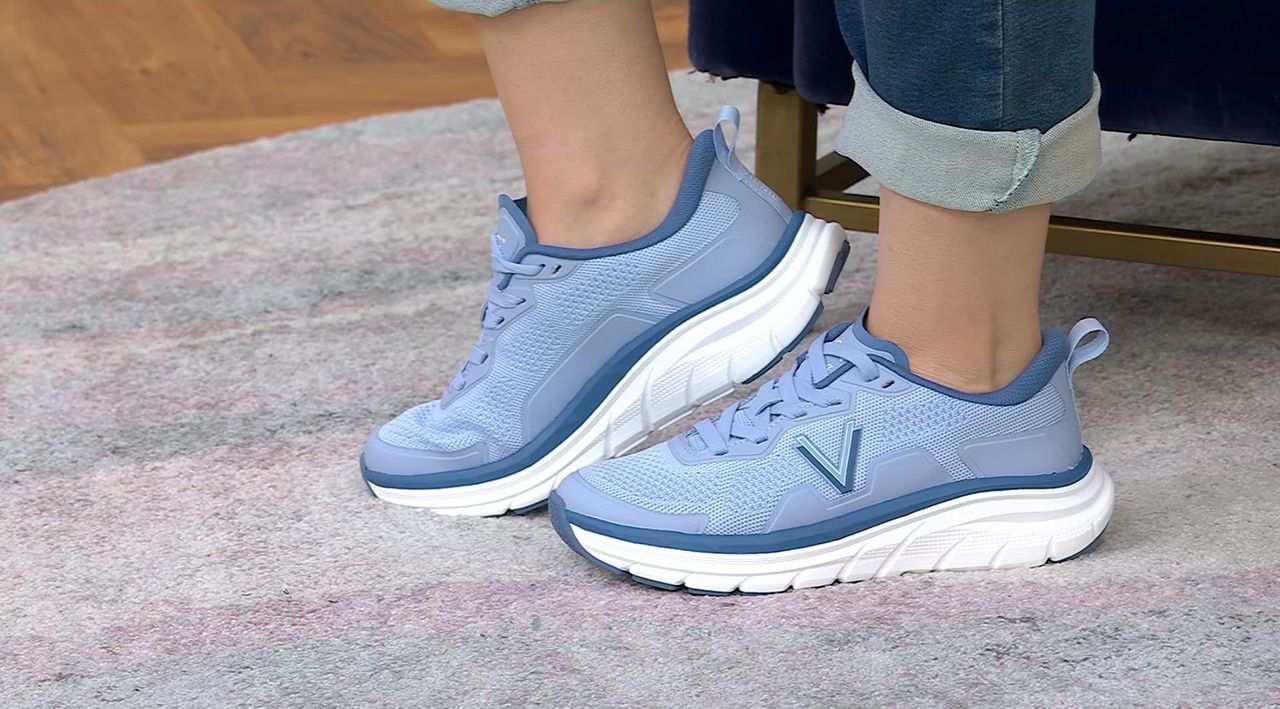
The historical stigma that “comfort shoes” must be clunky and unattractive has been thoroughly dismantled by modern design philosophy. The challenge for engineers and designers is to integrate sophisticated orthotic principles into a silhouette that is visually appealing. This requires a meticulous approach to material selection, contouring, and aesthetic detailing. Examining products from brands that prioritize this synergy, like Vionic, reveals a commitment to this dual mandate. The uppers are crafted from premium leathers, breathable mesh, and stylish textiles, available in colors and patterns that range from classic neutrals to contemporary hues. The midsoles are sculpted to provide support without bulk, and the outsoles feature flexible, durable rubber with traction patterns suitable for urban and light trail walking. This design ethos echoes a broader trend in wellness technology, where functionality is seamlessly woven into the fabric of daily life. Think of the sleek design of a modern fitness tracker versus the bulky monitors of the past. The same principle applies here. A Vionic walking shoe is engineered to be as suitable for a day of errands, a museum visit, or a casual workplace environment as it is for a dedicated fitness walk. This erases the need for a “shoe change” based on activity, promoting consistent support throughout your day. The result is footwear that you choose because you love how it looks, and your body thanks you for the support it provides—a true win-win scenario that aligns with the modern consumer’s desire for products that are both effective and aesthetically integrated into their lifestyle.

Material Innovation: Where Technology Meets the Ground
Delving deeper into the construction, the materials used in advanced walking shoes are a testament to applied science. The footbed, often removable and washable, is typically a multi-density foam composite. A firmer medial (inner) post provides the essential arch reinforcement, while softer surrounding foam cushions the metatarsals and heel. This dual-density approach is a key differentiator from memory foam alone, which, while initially comfortable, can bottom out and fail to provide sustained structural support. The midsole may incorporate lightweight, responsive materials like EVA (ethylene-vinyl acetate) or proprietary compounds designed to return energy with each step. The outsole rubber is formulated for a balance of flexibility and durability, with strategic flex grooves and a tread pattern engineered for stability. Furthermore, features like moisture-wicking linings and antimicrobial treatments address hygiene and comfort over extended wear. These are not arbitrary choices; they are the culmination of podiatric consultation and material science. As highlighted in industry analyses and wearer testimonials on platforms like Quora and dedicated review sites, the longevity and consistent performance of these materials are what transform a good shoe into a great investment. When you invest in a well-constructed Vionic walking shoe, you are investing in a system of components each chosen for a specific biomechanical purpose, all working in concert to protect and propel you.
The Testimonials: Voices from the Community and Experts
Objective evidence extends beyond laboratory specs into the lived experience of countless individuals. Across social media platforms like YouTube and Twitter, certified fitness influencers, individuals with chronic foot conditions, and everyday walkers share powerful testimonials. A common narrative emerges: the discovery of shoes with proper support often marks the end of a long battle with foot pain. For instance, a marathon walker might detail how switching to biomechanically supportive shoes allowed them to train without injury. A nurse who spends 12-hour shifts on their feet might credit the specific arch technology in their shoes for eliminating end-of-day heel pain. These anecdotal accounts form a compelling body of evidence, reinforcing the scientific principles. Furthermore, endorsements from medical bodies carry significant weight. The APMA Seal of Acceptance, for example, is awarded to products found to be beneficial to foot health. Shoes that earn this seal, as many Vionic walking shoes have, undergo a rigorous review process by a committee of podiatrists. This external validation bridges the gap between corporate claims and trusted medical opinion. It signals to the consumer that the product’s health benefits are recognized by professionals dedicated to foot care. This combination of widespread user acclaim and professional certification creates a powerful, multi-faceted argument for the efficacy of the design philosophy.

A Personal Journey: From Skepticism to Conversion
Allow me to shift to a first-person perspective to illustrate the transformation. I was once a dedicated wearer of minimalist, flat-soled fashion sneakers. I prized their look but quietly endured the predictable ache that arrived each afternoon. I dismissed “orthopedic-looking” shoes, assuming they were not for me. My conversion began not with a marketing ad, but with a recommendation from a physical therapist for persistent lower back stiffness. She observed my gait and immediately pointed to my footwear as a potential contributor. Skeptical but desperate, I tried a pair of walking shoes built on the principles described above—shoes that offered real arch support and stabilization. The first walk was revelatory. It wasn’t a feeling of plush softness, but of alignment. My feet felt held, my stride felt more efficient, and the familiar ache in my arches was absent. Within a week, the afternoon back tension had noticeably diminished. This personal experience turned me from a skeptic into an advocate. It demonstrated that what you put on your feet is not a passive accessory but an active tool for well-being. The right shoe can correct subtle imbalances you never knew you had. This journey from style-focused discomfort to integrated comfort and style is one I’ve since heard echoed by friends, family, and colleagues who have made a similar switch, often after years of accepting foot pain as normal.
Making the Investment Accessible: Value Beyond the Price Tag
It’s true that shoes engineered with this level of technology and quality materials often command a higher initial price point than mass-market, fashion-focused alternatives. However, evaluating this as an investment rather than a mere purchase reframes the cost. First, consider the cost of neglect: expenses for pain relievers, orthotic inserts, physical therapy sessions, or treatment for conditions like plantar fasciitis can quickly surpass the price of a premium pair of shoes. Second, the durability of construction means these shoes often outlast multiple pairs of cheaper, less robust shoes, offering better cost-per-wear over time. Most importantly, you are investing in your daily comfort and long-term musculoskeletal health—a value that is difficult to quantify. To make this investment more accessible, it is wise to seek out seasonal sales, promotional discounts from authorized retailers, and bundle offers. Many reputable sellers offer significant discounts during holiday sales or when new models are released. By bringing this professional knowledge of footwear biomechanics to you, coupled with the savvy to find a Vionic walking shoe at a discounted price, the barrier to experiencing this level of comfort and style is effectively lowered. The goal is to empower you with the information to make an informed choice for your body, and the means to act on that choice without undue financial strain.
The journey to finding footwear that truly supports you is no longer a path of compromise. The integration of podiatric science with intentional design has created a new standard—where shoes are both a statement of personal style and a foundation for physical well-being. The evidence, from the biomechanics of the human foot to the testimonials of wearers and the approval of medical experts, points consistently toward the benefits of choosing shoes designed with purpose. When you choose a shoe that prioritizes guided support, quality materials, and thoughtful aesthetics, you are choosing to step through your day with greater ease, stability, and confidence. It’s a simple yet profound shift: your shoes stop being something you simply wear and start being a partner in your daily movement and long-term health. The path forward is clear, comfortable, and stylish.
