

Step Into Comfort and Style with Vionic Walking Shoes
For years, the pursuit of the perfect walking shoe felt like a compromise. You could have cushioning that felt like walking on clouds, but your feet would ache after a few miles due to lack of support. You could find a shoe with impeccable arch support, but it looked like a medical device you’d want to hide. This dichotomy between wellness and aesthetics has been a persistent frustration. Today, that compromise ends. The evolution of footwear has reached a point where biomechanical science and contemporary design are not just coexisting but are collaboratively engineered into a single product. This is not merely about a shoe; it’s about redefining your foundation for daily life. The integration of podiatrist-inspired orthotics into stylish, versatile silhouettes represents a paradigm shift in how we approach foot health and personal style. We are stepping into an era where what you wear on your feet actively contributes to your well-being without asking you to sacrifice your look. The evidence for this convergence is no longer hidden in clinical journals; it’s walking down city streets, through parks, and in offices, embodied in footwear that performs as brilliantly as it presents.
The Foundation of Foot Health: Beyond Simple Cushioning
To appreciate the innovation behind a modern supportive shoe, one must first understand the complex architecture of the human foot. Comprising 26 bones, 33 joints, and over a hundred muscles, tendons, and ligaments, the foot is a marvel of biological engineering designed for propulsion and shock absorption. However, modern lifestyles—characterized by hard, flat surfaces and prolonged static standing—often work against this natural design. The term “pronation,” often mentioned in footwear circles, refers to the natural inward roll of the foot during a gait cycle. According to resources like the American Podiatric Medical Association’s public literature, while some pronation is normal, excessive or insufficient motion can lead to a cascade of issues, including plantar fasciitis, shin splints, and knee or back pain. This is where the concept of “motion control” and “stability” enters the scientific discourse. A truly effective walking shoe does not simply provide a soft landing; it guides the foot through a healthier, more controlled motion from heel strike to toe-off. The Vionic walking shoe is built upon this precise principle. Its biomechanical footbed, often featuring a deep heel cup and a pronounced arch support, is designed to stabilize the hindfoot and align the ankle, thereby reducing strain on the plantar fascia—the band of tissue that is a common source of heel pain. This approach is less about adding padding and more about restoring functional geometry, a concept supported by podiatric science.

Decoding the Technology: What Makes an Orthotic Effective?
The core of any therapeutic footwear lies in its orthotic design. Drawing from the principles seen in custom prescription orthotics, which are molded from a cast of an individual’s foot, over-the-counter orthotic inserts aim to offer a degree of that personalized support. The efficacy of such devices is not anecdotal. A study published in the Journal of Foot and Ankle Research highlighted that prefabricated orthoses can be effective in reducing pain for individuals with plantar fasciitis. The technology in a Vionic walking shoe often incorporates what they term their “Vio-Motion Support” system. This three-zone comfort system focuses on (1) stabilizing the heel, (2) supporting the arch to reduce overpronation, and (3) cushioning the ball of the foot. This tri-planar support mirrors the functional goals outlined in podiatric literature. Furthermore, the use of durable, responsive midsole materials like EVA (ethylene-vinyl acetate) foam provides a balance of cushioning and rebound. It’s a synthesis of material science and anatomical understanding. As Dr. Andrew Shapiro, a spokesperson for the American Podiatric Medical Association, has noted in various media interviews, “Proper footwear is the first line of defense against many common foot ailments.” A shoe that integrates these features from the ground up, rather than relying on a removable insert that can shift or compress, offers a more consistent and reliable therapeutic environment for the foot.
Where Science Meets Style: The Aesthetic Revolution
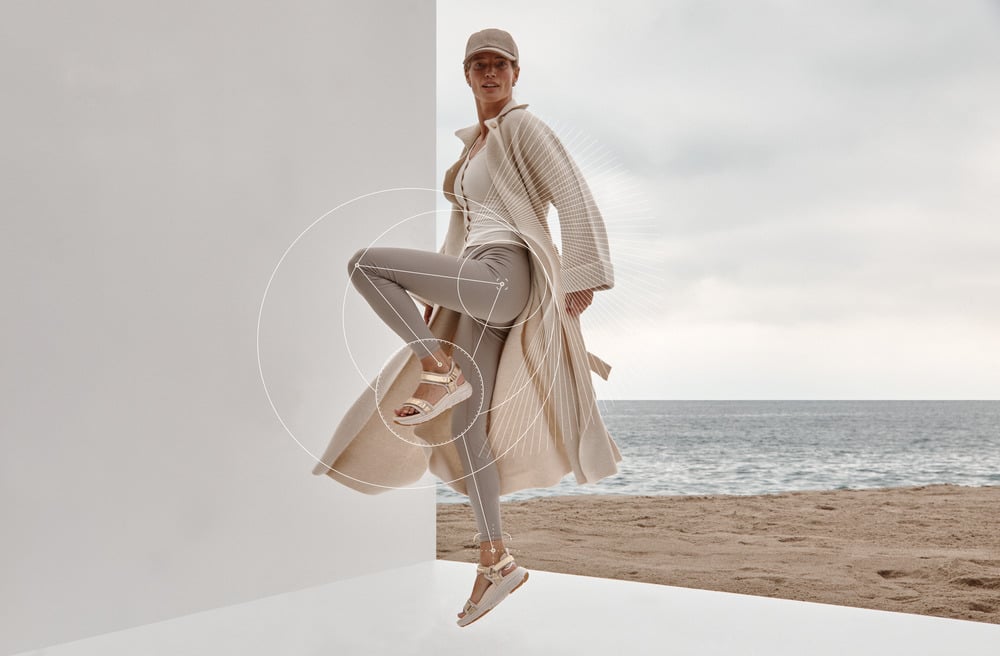
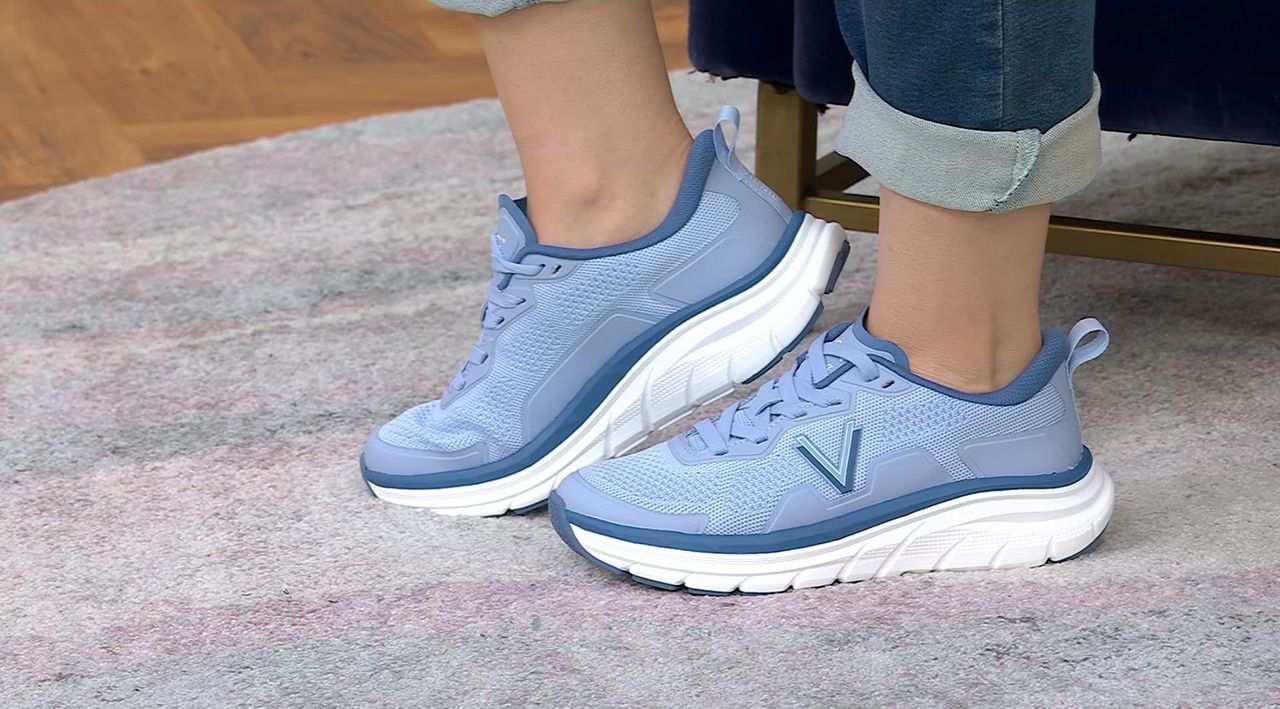
Historically, the perception of “comfort shoes” was dominated by bulky, utilitarian designs. This created a psychological barrier for many, especially those who viewed their shoes as an integral part of their personal expression. The transformation in this sector has been dramatic. Brands have recognized that consumers no longer wish to choose between “feeling good” and “looking good”; they demand both. This shift is evident in fashion commentary and consumer trends reported by platforms like Who What Wear and Vogue, which increasingly feature “elevated basics” and “wellness wear” that seamlessly blend into a modern wardrobe. The Vionic walking shoe collection exemplifies this revolution. You will find sleek sneakers in minimalist color palettes, elegant sandals with hidden arch support, and sophisticated loafers that wouldn’t look out of place in a professional setting. The design philosophy appears to be one of integration, not segregation. The supportive elements are cleverly contoured into the shoe’s profile, avoiding the overt, clinical look of the past. This is crucial because adherence to wearing supportive footwear is significantly higher when the individual feels confident and stylish in them. It bridges the gap between a doctor’s recommendation and a personal fashion choice, making foot health a sustainable, enjoyable part of daily life rather than a chore.
Testimonials and Cultural Resonance: From Everyday Users to Public Figures
The validation of a product’s impact often extends beyond clinical studies into the realm of lived experience and public endorsement. On platforms like YouTube, certified podiatrists and physical therapists frequently analyze and recommend footwear with proper biomechanical support, dissecting the features that make certain brands stand out. Meanwhile, on community-driven sites like Quora and Reddit’s r/BuyItForLife or r/PlantarFasciitis, thousands of user testimonials detail personal journeys from chronic foot pain to relief, often citing specific brands that incorporate built-in orthotics. The Vionic walking shoe is a frequent protagonist in these narratives. Users describe the almost immediate alleviation of morning heel pain or the ability to stand all day at work without the usual debilitating fatigue. This grassroots, word-of-mouth evidence is powerful. Furthermore, the cultural cachet of comfort has been elevated by celebrities and influencers who openly prioritize well-being. While not always a formal endorsement, seeing a style icon choose a supportive sneaker over a purely fashion-forward, unsupportive option sends a strong message. It normalizes and celebrates the idea that taking care of your body is inherently stylish. This cultural shift is perhaps one of the most significant drivers in the popularity of ergonomically designed footwear.

A Practical Investment in Long-Term Wellness
Viewing a premium walking shoe as merely an accessory is a profound underestimation of its role. It is, in fact, a strategic investment in your musculoskeletal health. Consider the cumulative effect: the average person takes between 4,000 to 6,000 steps per day. Over a year, that’s millions of impacts that travel from your feet up through your ankles, knees, hips, and spine. Wearing shoes that promote misalignment or offer inadequate support is akin to driving a car with misaligned wheels—the damage is slow, systemic, and costly to repair. Investing in a quality pair of Vionic walking shoes is a proactive measure. It’s an investment in maintaining mobility, reducing pain, and preventing future injuries that could lead to expensive medical interventions or physical therapy. The cost-per-wear calculation becomes incredibly favorable when weighed against the potential costs of chronic pain management. Moreover, the durability of these shoes, often constructed with high-quality leathers and robust soles, means this investment pays dividends over many miles. It’s a shift from a disposable fashion mindset to a curated, functional wardrobe philosophy where each item serves a purpose for your health and lifestyle.
Making Advanced Support Accessible: Knowledge and Value
Understanding the “why” behind the technology empowers you to make informed decisions for your health. This article aims to provide that very knowledge, demystifying the science of support so you can advocate for your own well-being. But knowledge must be paired with accessibility. We believe that investing in your health should not be prohibitively expensive. Therefore, alongside this detailed exploration, we are committed to bringing you these innovative products at accessible price points. By offering exclusive discounts and direct value, we bridge the gap between premium podiatric technology and your everyday life. You shouldn’t have to pay a premium for the fundamental right to walk without pain. Whether you’re a nurse logging 12-hour shifts on hard hospital floors, a teacher standing all day in a classroom, a traveler exploring cobblestone streets, or simply someone who enjoys a long, pain-free walk in the park, the right shoe is your most important tool. The combination of professional-grade support, contemporary design, and an attainable price is what makes the modern Vionic walking shoe not just a product, but a solution.
The journey toward effortless comfort and confident style no longer requires a detour. The path is now clear, paved with innovation that respects the intricate design of the human body while celebrating individual expression. This is the new standard: footwear that works as hard as you do, silently supporting every step while complementing your personal narrative. The era of compromise is definitively over. Your next step is not just a movement forward; it’s an upgrade to the very foundation of your daily experience.
