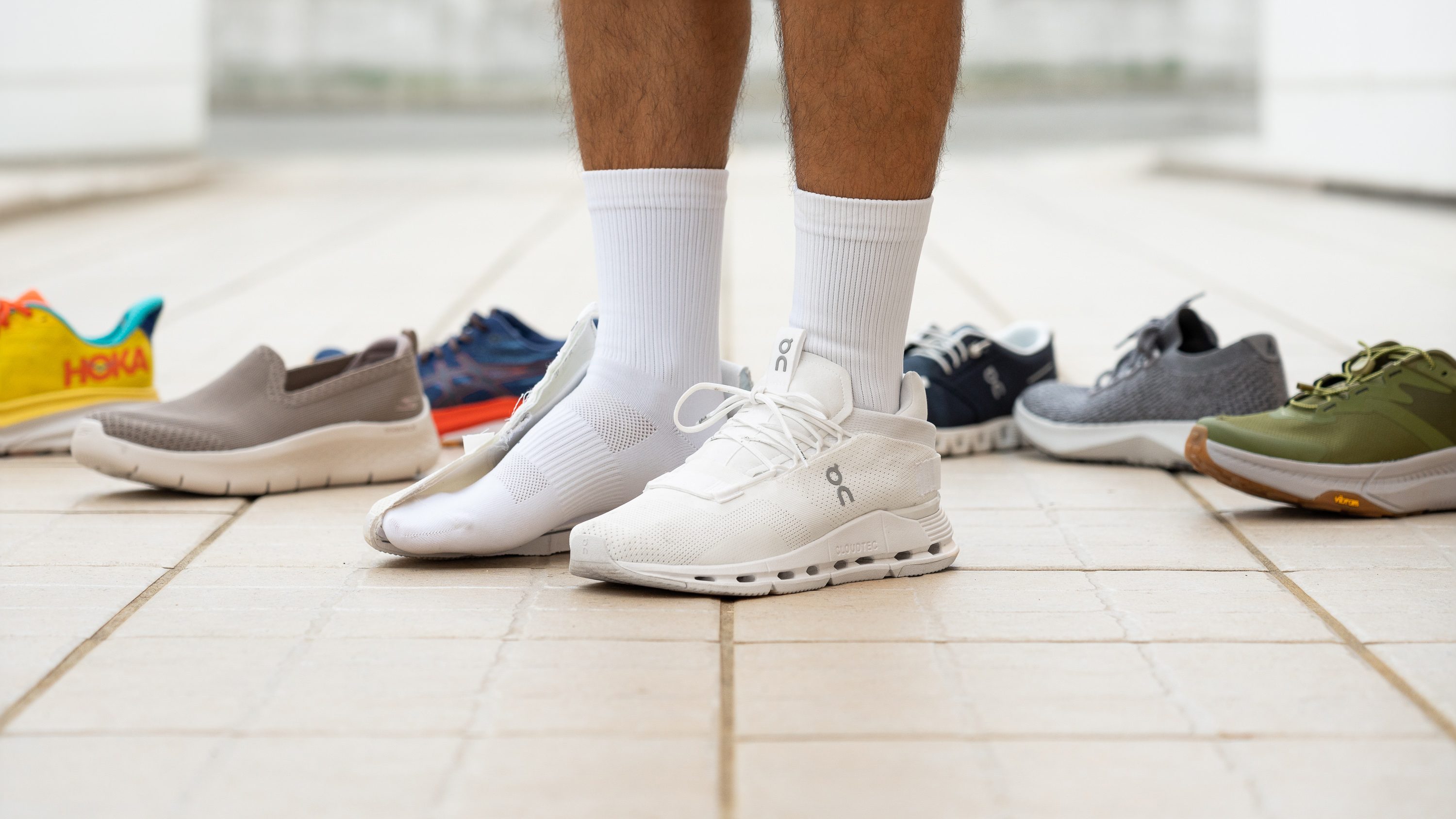
Comfort Meets Style for Every Step
We often think of footwear as a mere accessory, a final touch to an outfit. But for anyone who spends a significant part of their day on their feet—whether navigating city streets, exploring nature trails, or simply managing the daily commute—the choice of shoe is a fundamental decision impacting well-being. The right pair transcends fashion; it becomes a tool for living better. This is where the modern walking shoe shines, a marvel of design that has evolved from purely functional gear to a symbol of a balanced, active lifestyle. It promises a union once thought improbable: uncompromising comfort seamlessly integrated with contemporary style. This isn’t about sacrificing one for the other; it’s about embracing a category of footwear engineered to support every step of your journey, visually and physically.
The Anatomy of Comfort: More Than Just a Soft Sole
To understand the modern walking shoe, we must dissect the science of comfort. It’s a symphony of biomechanics, material science, and ergonomic design. At its core is the midsole, often made from advanced compounds like EVA (Ethylene-Vinyl Acetate) or polyurethane. According to podiatric literature from institutions like the University of Pittsburgh Medical Center, the midsole’s primary function is shock absorption, dissipating the impact forces that travel up the leg with each step—forces that can be 1.2 to 1.5 times your body weight. But comfort is dynamic. It also requires stability, provided by a firm heel counter that cradles the rearfoot, preventing excessive inward roll (overpronation) or outward roll (supination). The American Podiatric Medical Association (APMA) often grants its Seal of Acceptance to shoes that meet specific standards for stability and support. Furthermore, the insole or footbed has evolved from a flat piece of foam to a contoured, often removable, orthotic-friendly platform that supports the arch—the critical structural bridge of the foot. A well-designed walking shoe considers the foot’s natural gait cycle, offering flexibility at the forefoot for toe-off while maintaining rigidity where needed. This scientific approach transforms walking from a potentially jarring activity into a smooth, efficient, and joint-friendly motion.
Material Innovation: Where Technology Breathes
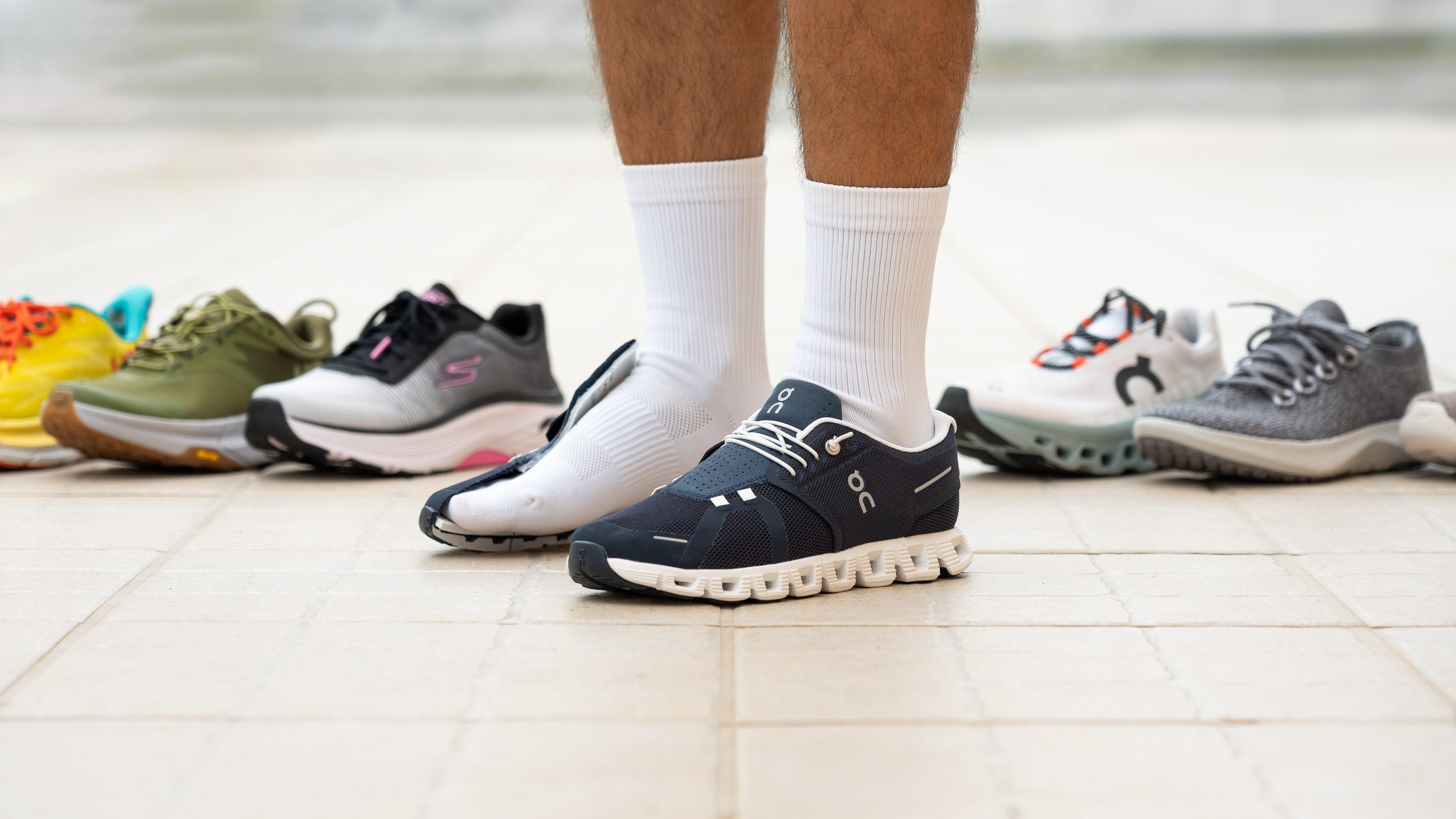
The evolution of comfort is inextricably linked to material innovation. The days of stiff, heavy leather uppers that required a lengthy break-in period are fading. Today’s leading walking shoe utilizes engineered knits, breathable meshes, and adaptive synthetic materials. These fabrics serve a dual purpose. First, they provide a dynamic, sock-like fit that moves with the foot, reducing points of friction that lead to blisters. Second, they enable critical ventilation. As noted in sports science resources, a foot can release a significant amount of moisture during activity; a damp environment is a breeding ground for discomfort and microbial growth. Modern materials wick moisture away, keeping the foot dry and temperature-regulated. This technological leap is evident in brands that have pioneered these fabrics, moving footwear from the realm of simple craftsmanship to that of biomechanical apparel. The result is a shoe that feels less like a separate object and more like a responsive, protective extension of the body itself.
The Style Revolution: From Clinic to Street
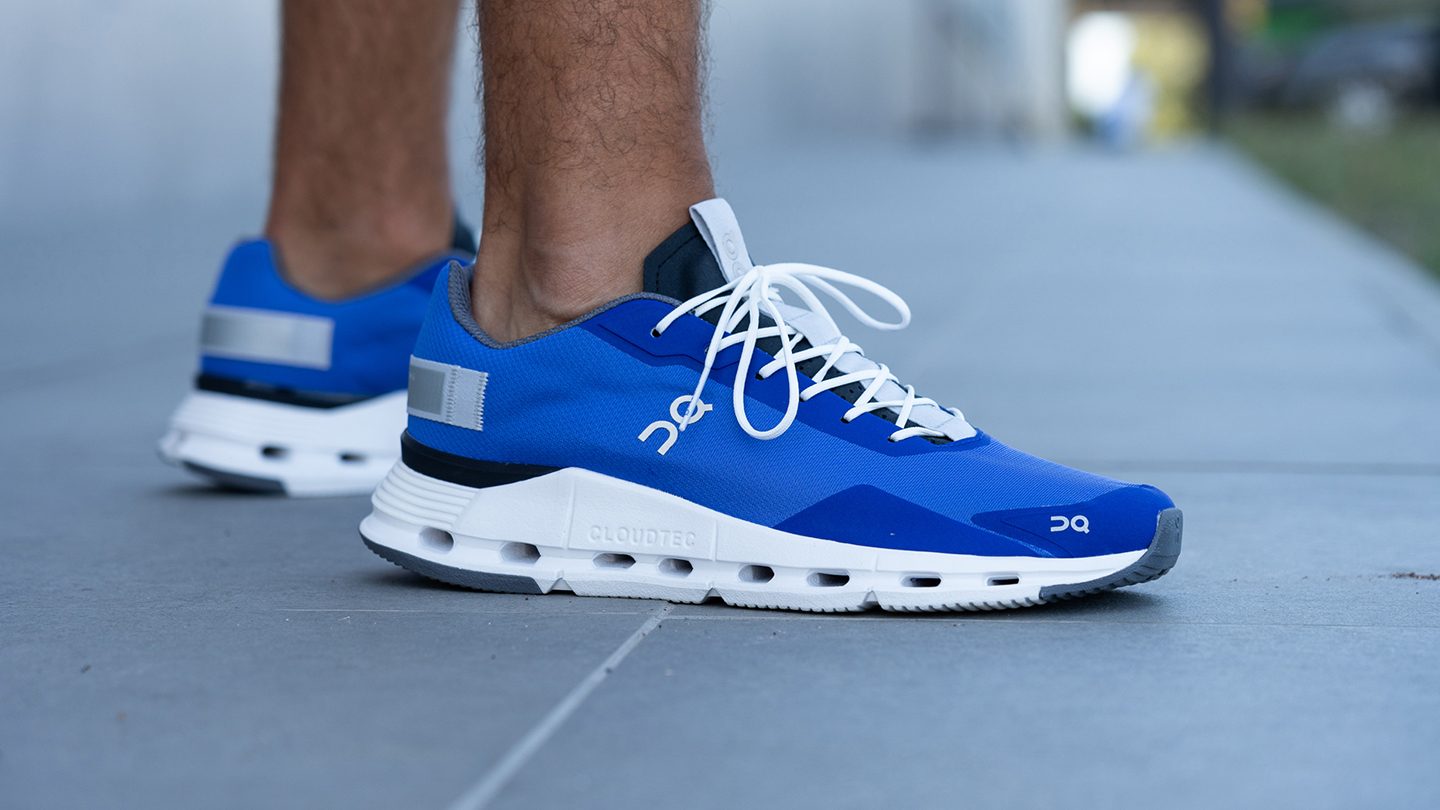
For decades, “comfort shoes” were synonymous with a certain aesthetic—often bulky, orthopedically obvious, and limited to neutral tones. The style revolution in walking footwear has been nothing short of transformative. Drawing inspiration from athletic wear, minimalist design, and high fashion, designers have reconfigured the walking shoe’s silhouette. We now see sleek profiles, sophisticated color-blocking, and thoughtful details like reflective accents and textured panels. This shift is driven by a cultural movement, famously echoed by figures like the late Steve Jobs, who prioritized comfort and personal utility in his iconic uniform, influencing a generation to value substance without ignoring form. Websites like Quora and Reddit’s r/malefashionadvice are filled with discussions where users seek recommendations for shoes that “don’t look like dad shoes” but offer all-day comfort. The market has responded. The modern walking shoe can seamlessly transition from a morning walk to a casual office setting or a weekend social gathering. It proves that aesthetic appeal is not antithetical to ergonomic design; they can be co-engineered to meet the demands of a lifestyle that values both vitality and visual expression.
The Psychology of Confidence: How the Right Shoe Influences Stride
The impact of a great walking shoe extends beyond the physical into the psychological. There is a profound connection between how we feel and how we move. When your feet are at ease, free from pinching, rubbing, or aching, your posture naturally improves. Your stride lengthens and becomes more assured. This isn’t just anecdotal; it’s a concept explored in fields like embodied cognition. As social psychologist Amy Cuddy discussed in her renowned TED Talk on power poses, our physical posture can influence our mental state. While she spoke of expansive stances, the principle applies downward: foundation matters. A secure, comfortable base allows for a more open and confident carriage. Author and habit expert James Clear, in his book Atomic Habits, emphasizes the importance of optimizing your environment to support desired behaviors. Choosing a stylish, comfortable walking shoe is a classic example—it removes the friction (literally and figuratively) from the habit of walking more, encouraging an active lifestyle. You’re not just putting on a shoe; you’re equipping yourself for a day approached with greater ease and self-assurance.
Investment in Longevity: Knowing When to Let Go
A crucial, often overlooked aspect of the comfort-style equation is lifecycle management. Even the best-engineered shoe has a finite service life. The cushioning materials in the midsole compress and lose their resiliency over time, long before the outer sole shows significant wear. Most experts, including those cited on health platforms like Verywell Fit, recommend replacing walking shoes every 300 to 500 miles. For a daily walker, this could be every six to nine months. Ignoring this can silently undermine the benefits. Worn-out shoes fail to provide adequate shock absorption, potentially leading to a cascade of discomfort in the knees, hips, and lower back. Therefore, viewing a quality walking shoe as an investment in ongoing health is essential. It’s a recurring but vital cost for maintaining the comfort and support your daily movement requires. Recognizing the signs of fatigue—loss of bounce, uneven wear patterns, or new aches after a walk—is part of being a conscientious user of this essential tool.
:max_bytes(150000):strip_icc()/when-should-i-replace-my-walking-shoes-3436325-0801-7a1840d83573471092e0380f9e230ecc.jpg)
Navigating the Market: Bringing Expertise and Value to You
With an overwhelming array of choices, selecting the right walking shoe can be daunting. This is where professional knowledge becomes invaluable. Understanding your foot type (neutral, flat, or high-arched), your typical walking environment (pavement, trails, mixed surfaces), and any specific needs (extra toe room, maximum cushioning) is the first step. Reputable running and walking specialty stores often offer gait analysis, providing data-driven recommendations. Beyond in-store expertise, trusted review aggregators and biomechanics-focused websites perform rigorous wear-testing, comparing durability, weight, and energy return. This research empowers you to make an informed decision. Furthermore, the quest for the perfect walking shoe doesn’t have to break the bank. Savvy shoppers leverage end-of-season sales, manufacturer refurbishment programs, and reputable online retailers that offer significant discounts on previous models. The core technology often remains excellent, providing premium comfort and style at a fraction of the original price. By combining expert insight with strategic shopping, you secure not just a product, but a partnership in your pursuit of pain-free, stylish mobility.
The journey toward a more active, comfortable life is taken one step at a time. The footwear you choose for that journey is far from a trivial detail. It is the foundational interface between you and the world you move through. The modern walking shoe represents a triumph of design thinking, where deep scientific understanding of human biomechanics converges with a commitment to aesthetic expression. It tells us that we no longer need to choose between caring for our bodies and expressing our personal style. We can have both. We deserve both. So, as you consider your next pair, look beyond mere appearance or a fleeting trend. Seek out that engineered harmony—the shoe that promises and delivers support with every mile, that complements your stride visually, and that fundamentally understands its role: to be a silent, steadfast ally in your daily adventure. Let your steps be confident, comfortable, and uniquely yours.