

Your Ultimate Guide to Stylish and Comfortable Footwear
We navigate a world where our feet are our foundation, yet the shoes we choose are often a compromise between aesthetics and support. This ends now. The perfect pair is not a myth; it is a synthesis of biomechanical engineering, material science, and considered design. This guide dismantles the false dichotomy between style and comfort, providing you with the knowledge to select footwear that empowers every step. We will move beyond fleeting trends to foundational principles, examining how the right walking shoe can transform your daily experience, from your posture to your energy levels.
The Architecture of Comfort: Beyond the Insole
Comfort in footwear is a complex, multi-layered construct, not merely a soft lining. Scientifically, it involves pressure distribution, impact attenuation, and thermoregulation. A study from the University of Calgary’s Human Performance Lab emphasizes that improper footwear can alter gait kinetics, leading to chain-reaction stresses on ankles, knees, and hips. The cornerstone of a true walking shoe is its midsole, typically crafted from EVA (ethylene-vinyl acetate) foam, polyurethane, or advanced compounds like Brooks’ DNA LOFT or Adidas’ Boost. These materials are engineered for a balance of cushioning and energy return. Consider the heel-to-toe drop, or offset—the height difference between the heel and forefoot. A lower drop (0-6mm) may promote a more natural foot strike, as advocated by the “barefoot” movement, while a higher drop (8-12mm) is common in traditional running and walking shoes, offering familiarity and Achilles tendon relief. The outsole’s rubber composition and tread pattern are equally critical for durability and traction, preventing slips and providing stability. As renowned podiatrist Dr. Ray McClanahan has stated, “Footwear should allow the foot to function as if it were barefoot on a natural, forgiving surface.” This philosophy underscores the need for a wide toe box that allows toes to splay naturally, a feature often overlooked in stylish designs but paramount for long-term foot health.
Style with Substance: A Design Philosophy
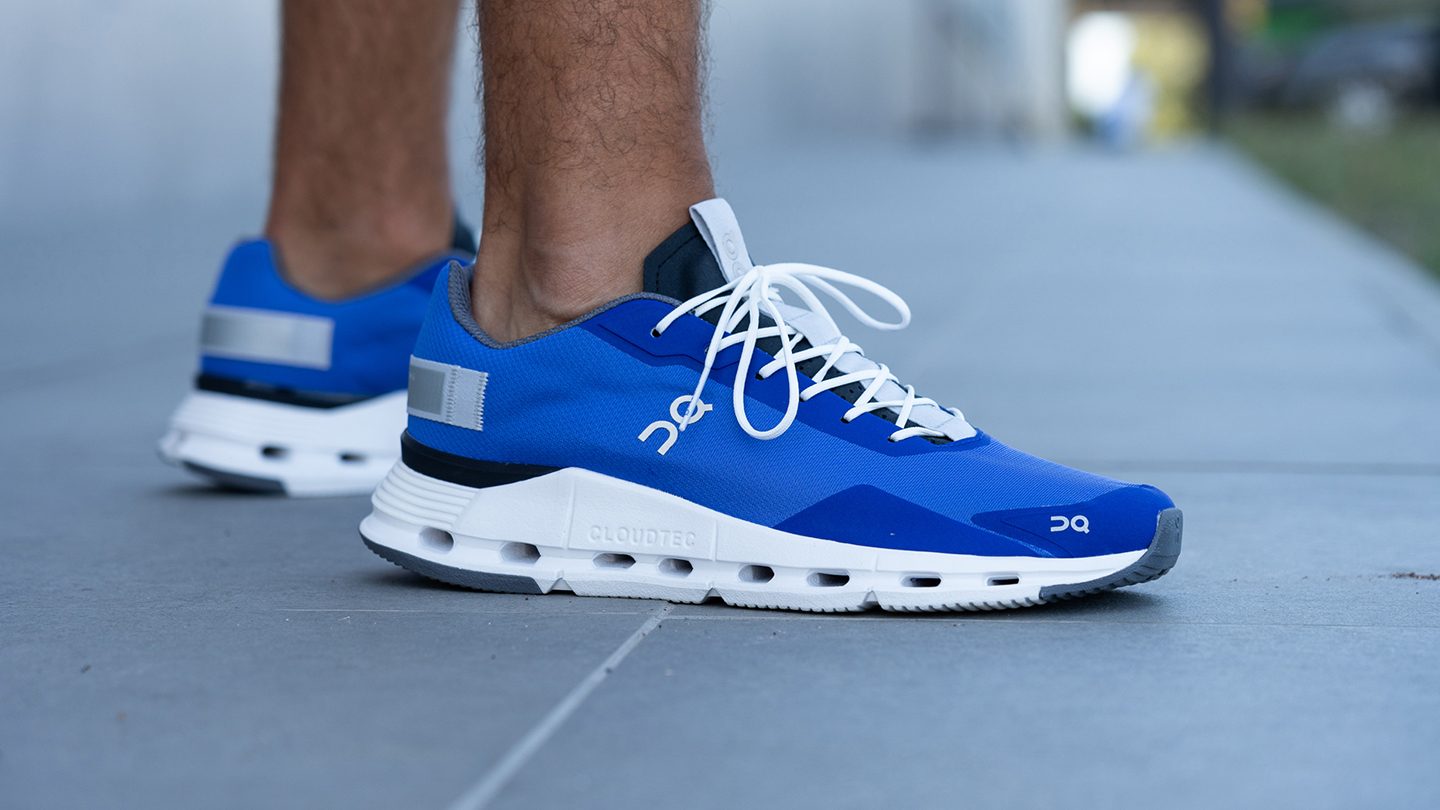
Style need not be sacrificed at the altar of orthopedics. The modern market is replete with brands that integrate technical features into sleek silhouettes. The key is understanding design language. Minimalist sneakers from brands like Allbirds or Cole Haan utilize merino wool and premium leathers that mold to the foot, offering a smart-casual aesthetic with inherent breathability and flexibility. The rise of the “athleisure” trend, as documented by fashion analysts from Vogue Business, validates the consumer demand for versatile pieces that transition from gym to street. Look for clean lines, monochromatic colorways, and thoughtful details like hidden gussets or bonded seams that enhance both look and function. A stylish walking shoe might feature a knitted upper for a sock-like fit and modern appearance, paired with a discreet, high-performance midsole. Remember, timeless style often lies in simplicity and quality materials. As fashion icon Tom Ford once opined, “Dressing well is a form of good manners.” Extending this to footwear, it is a form of self-respect and intelligence—choosing pieces that look after your body while presenting your best self to the world.

The Fitting Room is Your Laboratory
Online research is invaluable, but the final test is physical. Your feet are unique, swelling throughout the day and differing slightly in size. Always try on shoes in the late afternoon or evening. Wear the socks you intend to pair them with. There should be about a thumb’s width (roughly 1/2 inch) of space between your longest toe and the end of the shoe. The widest part of your foot should align comfortably with the widest part of the shoe without pinching. Walk on a hard surface, not just carpet. Pay attention to any immediate points of friction or pressure; these will not “break in” magically but will likely cause blisters. A proper walking shoe should feel secure at the heel and midfoot, with room for the forefoot to flex and move. Do not be seduced by a size number; fit is paramount. Many specialty running stores offer gait analysis, which can reveal pronation (inward roll) or supination (outward roll), informing your need for stability or neutral shoes. This objective data, as utilized in sports science programs at institutions like the University of Oregon, removes guesswork from the fitting process.
Material Matters: From Mesh to Leather
The composition of your shoe’s upper dictates its personality: breathability, water resistance, structure, and ease of care. Engineered mesh is the champion of ventilation, crucial for preventing moisture buildup and keeping feet cool during extended wear—a non-negotiable for a dedicated walking shoe. For cooler or wetter climates, consider shoes with water-resistant membranes like Gore-Tex, which allow vapor out while blocking moisture from entering. Leather, both full-grain and nubuck, offers durability, structure, and a classic look that develops a patina over time. However, it generally offers less breathability than technical fabrics. Knitted uppers, often made from recycled polyester, provide an adaptive, stretch-fit that conforms precisely to your foot’s shape. Sustainability is also entering the material conversation. Brands are increasingly using recycled plastics, organic cotton, and plant-based alternatives. As highlighted by the Sustainable Apparel Coalition, material choice is a significant part of a product’s environmental footprint. Your choice can support innovation in eco-conscious manufacturing without compromising performance.
Investment Versus Expense: The Long-Term Calculus
High-quality footwear is an investment in your physical well-being, not merely an expense. A well-constructed shoe from reputable brands often uses more durable outsoles, resilient midsoles that resist compaction, and robust stitching. While the initial price may be higher, the cost-per-wear over the shoe’s lifespan is frequently lower than that of a cheaply made alternative that fails within months. Furthermore, the preventative healthcare savings are substantial. The American Podiatric Medical Association consistently links poorly fitting shoes to a host of issues, including bunions, hammertoes, plantar fasciitis, and chronic knee or back pain. Investing in the right tool for the job—your feet’s job of carrying you—is non-negotiable. Look for brands that offer strong warranties or satisfaction guarantees; this reflects confidence in their product’s longevity. To bring professional knowledge and discounted prices to you, savvy shoppers can leverage end-of-season sales, outlet stores for previous models, and price-tracking tools on retail websites. The key is knowing which model fits you perfectly and waiting for the right moment to purchase.
The Context of Use: Matching Shoe to Scenario
No single shoe is perfect for every context. Your needs for a multi-hour urban exploration walk differ from those for a short commute or a trail hike. For city walking on hard pavements, prioritize maximum cushioning and shock absorption. For mixed-terrain or light trails, look for a more aggressive outsole lug pattern and potentially a rock plate for underfoot protection. Your professional environment also dictates choice. The market now offers “dress” shoes with embedded comfort technology—hidden cushioning, flexible outsoles, and moisture-wicking linings—allowing you to meet formal codes without foot punishment. The concept of “rotation” is also valuable, even for walkers. Alternating between two different pairs of walking shoes can vary the stress patterns on your feet and legs and allow each pair’s midsole foam to fully rebound, extending the life and performance of both. Think of your footwear as a toolkit, with specialized instruments for different tasks.
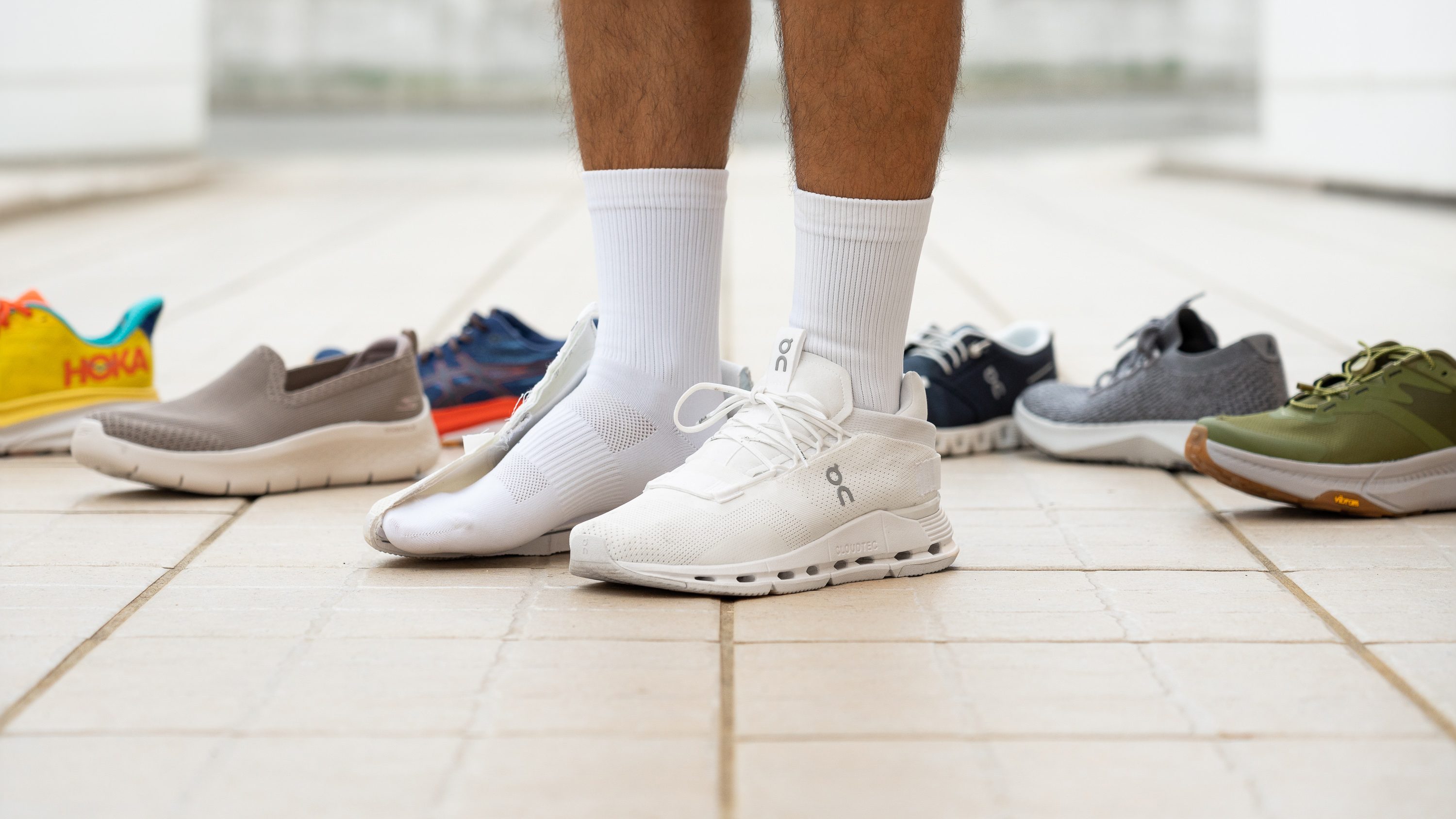
Your journey toward stylish and comfortable footwear culminates in an informed, personal choice. It is a decision that acknowledges the profound connection between what you stand in and how you stand in the world. By prioritizing the architectural principles of support, the intelligent integration of style, and the precise science of fit, you elevate a mundane purchase into an act of self-care. The perfect pair exists at the intersection of your lifestyle, your biomechanics, and your aesthetic. Go forth and step into it with confidence, knowing that each stride is supported by both design and understanding.
